Samburu and Tsavo both belong on a Kenya safari shortlist, but they reward different travelers. Choosing a Samburu versus Tsavo safari is really a question of wildlife priorities. Samburu is a compact reserve in the north with rare dryland species. Tsavo is a vast ecosystem in the southeast with famous elephant herds. This guide compares wildlife, seasons, landscapes and practical routes.
What Are the Main Differences in a Samburu Versus Tsavo Safari?
Choose Samburu for rare northern species, a compact reserve, river-focused wildlife viewing and a more specialized safari. Choose Tsavo for enormous wilderness, red-dust elephants, broader landscapes and stronger classic Big Five potential. Samburu is usually more predictable for its signature species, while Tsavo offers bigger-scale experiences but less consistent sightings across a much larger area.
The table below gives a starting point for planning. It is not a guarantee of any sighting, but it shows how the two parks differ.
| Feature | Samburu | Tsavo |
|---|---|---|
| Signature wildlife | Special Five: Grevy’s zebra, reticulated giraffe, gerenuk, Beisa oryx, Somali ostrich | Large elephant herds, including red-dust elephants |
| Big Five potential | Lion, leopard, elephant, buffalo; no reliable rhino | Elephant, buffalo, lion, leopard; rhino possible around Ngulia in Tsavo West |
| Landscape | Arid riverine, doum palms, low hills | Open savannah to volcanic terrain; Tsavo East flatter, Tsavo West greener |
| Best dry months | June to October, plus January to February | June to October, plus January to February |
| Green season | November to May, less predictable | November to May, less predictable |
| Suggested stay | 2 to 3 nights | 3 or more nights |
| Access from Nairobi | 6 to 7 hours by road, or a short flight | 4 to 6 hours by road for Tsavo East; flight options exist |
Scale changes daily life on safari. In Samburu, camps sit close to the Ewaso Ng’iro, so you can return to the river for a break between drives. In Tsavo, lodges and airstrips can be hours apart. Moving from Tsavo East to Tsavo West often takes most of a morning. Samburu also borders community conservancies such as Kalama and Namunyak, where wildlife moves freely between protected and community land.
Which Safari Has Better Wildlife for a Big Five Safari?
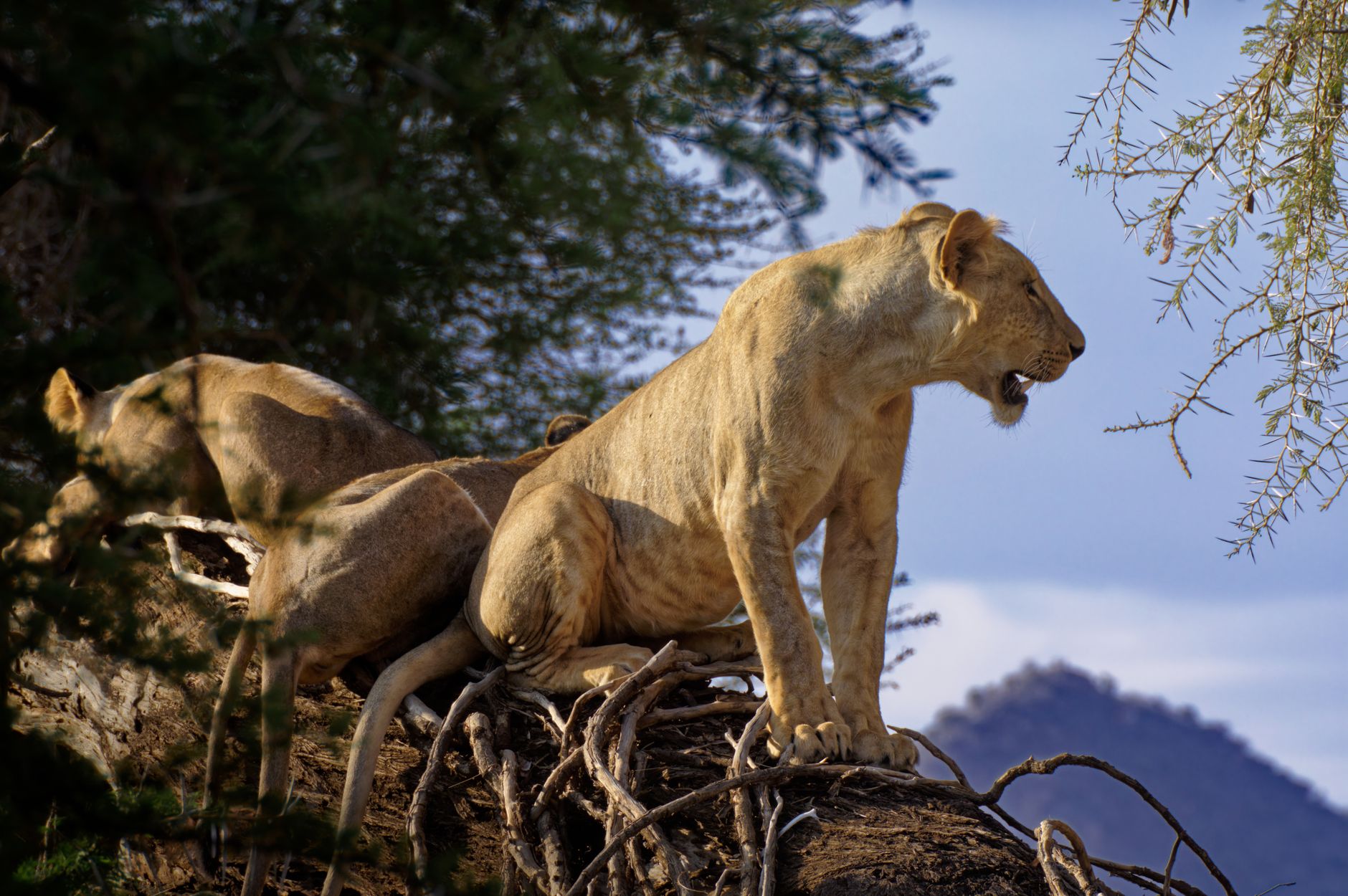
Tsavo generally suits travelers prioritizing elephants, buffalo and a traditional Big Five checklist, although thick bush can make lions and leopards difficult to find. Samburu can produce excellent lion and leopard sightings near the Ewaso Ng’iro. Rhino is rare, though, and its main strength is distinctive dryland wildlife rather than completing the Big Five.
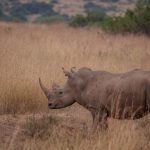
Big Five is a classic safari term for lion, leopard, elephant, buffalo and rhino. Samburu regularly offers four of them. The missing animal is rhino. Tsavo East is not reliable for rhino either. Tsavo West has a protected rhino population in the Ngulia Rhino Sanctuary. Travelers who want a Big Five safari should either include Tsavo West or add a rhino park to their route. See our Big Five safari in Kenya guide for more on where each animal appears.
What Are the Samburu Special Five and How Do They Compare With Tsavo Red Elephants?
Samburu’s Special Five: Grevy’s zebra, reticulated giraffe, gerenuk, Beisa oryx and Somali ostrich, are the clearest reason to choose the reserve. Tsavo’s signature is its large elephant population, including elephants coated in red soil, supported by open plains, rivers and seasonal waterholes. Neither destination guarantees every headline species on every drive.
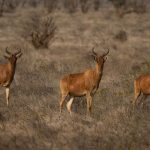
The Special Five are not a random marketing list. They are northern species that overlap in Samburu and the surrounding conservancies. Grevy’s zebra has narrow stripes and round ears. The reticulated giraffe shows a sharp lattice pattern. Gerenuk stands on hind legs to browse. Beisa oryx has straight horns and a bold face pattern. Somali ostrich has blue-gray legs. Tsavo’s red elephants are famous because the soil stains their skin a rusty color. A Samburu safari guide can help you plan drives around the best Special Five habitat. A Tsavo safari guide helps you pick between Tsavo East and Tsavo West.
How Do the Landscapes and Safari Atmosphere Differ?
Samburu feels intimate and visually concentrated, with arid hills, doum palms and the Ewaso Ng’iro creating a strong wildlife corridor. Tsavo feels more remote and expansive. It ranges from open savannah and red-earth plains in the east to volcanic terrain, lava flows and Mzima Springs in the west. Tsavo’s scale can mean fewer vehicles but longer gaps between sightings.
Photographers often like Samburu because animals gather near the river with clean, dry backdrops. Tsavo East has wide horizons and low vegetation, which can make elephants easy to spot but can also feel repetitive. Tsavo West is greener, hillier and more varied. If you want to feel completely away from crowded circuits, Tsavo’s size helps. If you prefer a compact stage where guides know the regular leopard trees, Samburu is hard to beat. Travelers who enjoy Samburu’s style often wonder how Samburu compares with the Masai Mara.
What Is the Best Time to Visit Samburu and Tsavo?
The dry months generally offer the easiest wildlife viewing in both destinations because animals gather near reliable water and vegetation is thinner. Samburu’s dry-season concentration along the Ewaso Ng’iro is especially helpful for its northern species, while Tsavo remains rewarding year-round but can require more searching. Green-season visits bring fuller landscapes, fewer visitors and potentially better value, with less predictable sightings.
June to October is the main dry window. January to February is another drier stretch. During the long rains in April and May, roads can turn muddy and wildlife spreads out. The short rains in November and December are usually less disruptive. If you cannot travel in peak dry months, any time can work. For timing ideas that connect to the Masai Mara, check our notes on Kenya’s shoulder-season safari planning.
How Do Road Access, Flights and Combined Routes Work?
Samburu is roughly a six to seven hour road journey from Nairobi, or a short flight. Tsavo East is commonly reached by road from Nairobi or the coast, and Tsavo West adds different routing. Combining both is possible, but the parks are far apart. A fly-in, one-way itinerary or a longer circuit is more efficient than backtracking to Nairobi.
A direct road link between Samburu and Tsavo is not practical for a single day. Samburu sits north of Nairobi. Tsavo sits southeast. Most full circuits return through Nairobi or use scheduled flights. If you have seven to ten nights, you can pair Samburu with Ol Pejeta, Lake Nakuru and the Masai Mara. If you want a southern route, pair Tsavo with Amboseli and the coast. Our Amboseli safari guide and Diani Beach guide explain those add-ons. For budget planning, see our Kenya safari cost overview.
Which Safari Is Better for Different Travelers?
Samburu is better for wildlife enthusiasts, photographers, repeat safari travelers and anyone specifically seeking the Special Five. Tsavo is better for travelers wanting elephants, dramatic scale, fewer vehicles, varied terrain or a route between Nairobi and the coast. First-time visitors focused on a broad Big Five list may prefer Tsavo combined with another Kenyan park rather than relying on Tsavo alone.
If this is your first safari, think about driving time. Tsavo can feel slow because the park is enormous. If you are a repeat visitor or a keen photographer, Samburu’s compact river action may suit you better. A first-timer who wants a classic wildlife experience can treat Tsavo as part of a wider circuit that includes Amboseli or the Mara. Before you decide, read how Samburu compares with the Masai Mara to see how the northern parks fit together.
Frequently Asked Questions
Is Samburu or Tsavo better for safari?
Samburu is better for rare northern species, compact wildlife viewing and specialized photography. Tsavo is better for elephants, vast wilderness and varied landscapes. The stronger choice depends on whether distinctive species or a large-scale classic safari matters more.
Which safari has more elephants, Samburu or Tsavo?
Tsavo is the stronger choice for elephants, especially large herds and the famous red-dust elephants. Samburu has elephants along the Ewaso Ng’iro, but its main wildlife advantage is the Special Five rather than elephant numbers.
Can you see the Big Five in Samburu?
Samburu offers lions, leopards, elephants and buffalo, but rhino sightings are not a reliable feature of the reserve. Travelers whose priority is completing the Big Five should combine Samburu with a rhino destination such as Ol Pejeta or Lake Nakuru.
How many days do you need in Samburu and Tsavo?
Allow two to three nights in Samburu to look for the Special Five and follow changing river activity. Tsavo usually merits three or more nights because its enormous size and thicker habitats require longer drives. A combined itinerary is best planned as part of a wider seven to ten night circuit.
Can you visit Samburu and Tsavo on the same safari?
Yes, but the parks are widely separated and should not be treated as a quick add-on. Use a one-way route, domestic flights or a longer itinerary to avoid losing a full day to backtracking. Samburu pairs naturally with central Kenya, while Tsavo pairs well with Amboseli or the coast.
How Do You Compare Safari Operators for This Trip?
Deciding between Samburu and Tsavo is only the first step. The next step is comparing camp style, guides, timing and price. FindMySafari, Valley Safaris and Trunktrails Safaris all list Kenya packages. Use them to compare safari operators and browse packages before you lock in dates.
Where Can You Find More Safari Planning Resources?
- Tsavo East and West map from SafariPure
- Samburu National Reserve guide from Trunktrails Safaris
- Map of Tsavo from Valley Safaris
- Tsavo destination guide on FindMySafari