Planning a first Kenya safari is exciting, but it comes with many questions. If you read Japanese, you have an extra layer of planning. Most safari information online is in English. Some operator sites in Japanese exist, but they often lack detail.
This guide is for Japanese speakers planning a Kenya safari. We focus on the practical realities you face. We cover visas, seasons, routes, costs, and where Japanese is actually spoken on the ground. This is touringinsights kenya safari planning for japanese speakers done right: honest, specific, and free of sales hype.
What Does TouringInsights Kenya Safari Planning for Japanese Speakers Cover?
This guide walks through the questions Japanese speakers ask most before a Kenya trip. That includes guides and language, visas, seasons, flight routes, park choice, and rough costs. Each section stands alone, so skip ahead to what matters most to you.
Do You Need a Japanese-Speaking Guide in Kenya?
The short answer is no, but it helps. English is the official language of Kenya. Guides, lodge staff, and park rangers all speak English. If your English is comfortable, you can travel without a Japanese guide.
However, a Japanese-speaking guide adds value beyond language. They explain animal behavior in your own terms. They translate local stories and Maasai culture with nuance. They handle small but important details, like dietary requests or medical questions.
Where can you find Japanese-speaking staff?
- High-end lodges: Some luxury camps in the Masai Mara and Amboseli employ Japanese-speaking managers or guides. This is not guaranteed, so ask before booking.
- Specialist Japanese operators: A few Kenyan and Japanese companies offer full itineraries with a Japanese guide. These cost more.
- Freelance guides: Independent Japanese-speaking guides exist in Nairobi. Vetting them takes effort.
Realistically, most safaris use English-speaking guides who are excellent at their jobs. If language is a major worry, you have three options. Hire a Japanese operator, request a guide at booking, or travel with a phrasebook and patience. The wildlife does the talking, after all.
What Visa or eTA Do Japanese Travelers Need for Kenya?
As of 2026, Japanese citizens do not need a traditional visa sticker. Kenya uses an electronic travel authorization, or eTA. You must apply online before you fly.
The eTA requires your passport, flight details, and accommodation addresses. Approval usually takes a few days. Apply at least two weeks before departure. The fee is roughly in the $30 to $35 range, and it can change. Check the Kenya eTA portal for the exact current rate before you pay.
Do not use an agent or third party unless you want to pay extra. The process is straightforward.
One caution: your eTA is tied to your passport. If you renew your passport before the trip, you must apply again. Keep a printed copy of the approval with you.
What Is the Best Time to Visit Kenya?
Kenya has two dry seasons and two wet seasons. The dry seasons are the easiest for viewing wildlife.
January to March: Hot and dry. The grass is short, so animals are easy to spot. The Great Migration herds are in the southern Serengeti, not Kenya. The Mara is quieter. This is a good time for predators and cats.
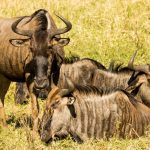
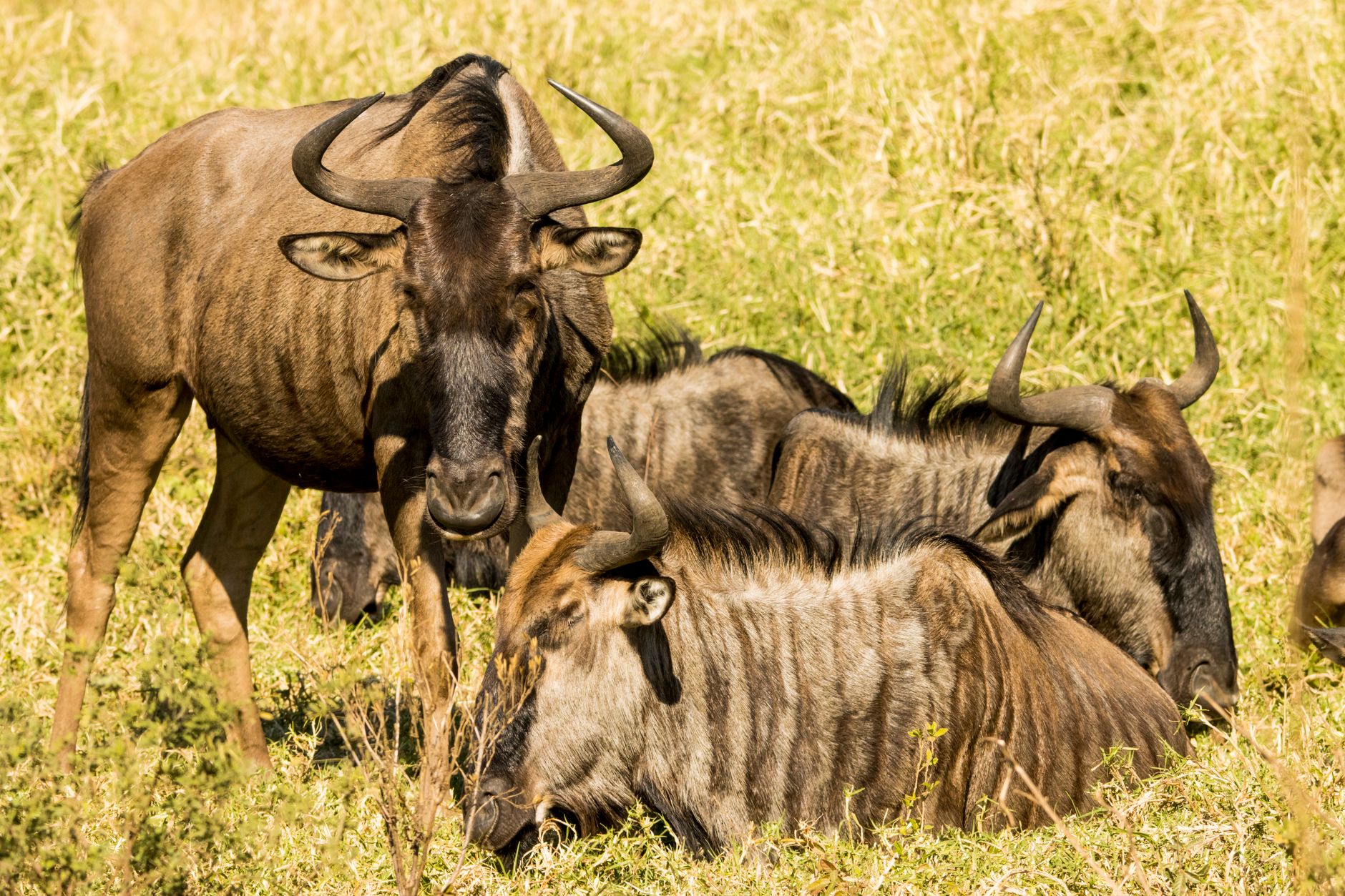
July to October: The dry season in the Mara. This is when the wildebeest migration crosses from Tanzania. River crossings are the highlight. Expect higher prices and more vehicles.
June and November: Shoulder months. June is dry but not peak. November sees the short rains begin. These are budget friendly, but you may get afternoon showers.
April and May: The long rains. Many camps close. Roads turn to mud. We do not recommend this window for a first safari.
If your goal is the river crossings, plan for August. If you want good game viewing without crowds, consider February or March.
How Long Is the Flight From Japan to Kenya?
There are no direct flights from Tokyo to Nairobi. You will connect through a hub. Common routes include:
- Tokyo to Doha, then Doha to Nairobi. Qatar Airways flies this.
- Tokyo to Dubai, then Dubai to Nairobi. Emirates is the option.
- Tokyo to Bangkok or Singapore, then onward to Nairobi.
Total travel time is 16 to 20 hours, plus layover time. Plan for a full day of travel. Add one recovery day in Nairobi before you hit the bush.
Nairobi’s main airport is Jomo Kenyatta International (NBO). From there, you fly to airstrips near the parks. Most safaris include these internal flights.
Which Parks Are Best for a First Safari?
First-time visitors usually compare the Masai Mara and Amboseli. The choice depends on what you want to see.
The Masai Mara is the classic Kenya safari. It is famous for lions, cheetahs, and the Great Migration. Our complete guide to the Masai Mara covers the park in depth. Beyond the national reserve, look at private conservancies like Mara North, Naboisho, and Olare Motorogi. These areas limit vehicle numbers. You get a quieter, more exclusive experience. Wildlife density is similar to the reserve.
Amboseli is all about elephants. The park sits below Mount Kilimanjaro. You get that iconic photo: elephants with snow on the peak. Game viewing is reliable because the swamp keeps animals close. It is also a strong park for photographing Kilimanjaro in the morning light.
Which is better for you? See our Masai Mara vs Amboseli comparison for a full breakdown.
Other parks worth knowing:
- Lake Nakuru: A smaller park with rhinos and flamingos. Good for a one night stop.
- Ol Pejeta Conservancy: Home to some of the last northern white rhinos. It is a conservation leader.
For a first safari, we suggest the Mara plus one other park. This gives you variety without too much travel.
How Much Does a Kenya Safari Cost?
Safari costs vary widely. The price depends on camp level, season, and number of nights. Use these indicative ranges to budget.
| Safari Type | Cost Per Person Per Night | What You Get |
|---|---|---|
| Budget camping | $150 to $300 | Tented camps, shared facilities, basic meals |
| Mid-range lodge | $300 to $600 | Comfortable rooms, private bathrooms, good food |
| Luxury camp | $600 to $1,200 | Tented suites, gourmet dining, private guides |
| Premium exclusive | $1,200 and up | Private conservancies, flying safaris, minimal guests |
These ranges include accommodation, meals, park fees, and game drives. They do not include international flights or tips.
Park fees add up too. As of the October 2025 rate update, non-resident Masai Mara park fees run USD 100 per adult per day from January through June. From July through December, the rate rises to USD 200 per adult per day. That means the July to October window we recommend for the river crossings falls in the higher fee period. Budget for the peak rate if you are chasing the crossings. Narok County sets this fee, not Kenya Wildlife Service, since the Mara is a county-run reserve rather than a national park. The Mara Triangle applies the same fee structure. Always confirm current rates with your operator or the relevant county tourism office before you finalize a budget. Conservancy fees are separate and often higher.
For a deeper look at costs, read our Kenya safari cost guide.
Is English Widely Spoken in Kenya?
Yes, English is the language of business and education in Kenya. You will have no problem in hotels, lodges, and with guides.
Swahili is the national language. You will hear it everywhere. A few phrases help build rapport.
- Jambo: Hello
- Asante: Thank you
- Hakuna matata: No problem
Japanese is rare in the parks. A few high end camps have Japanese menus or staff. Do not expect it broadly. Learn key English safari terms like “game drive” and “sundowner.” Your guide will appreciate the effort.
How Many Days Do You Need for a Kenya Safari?
A first safari should be at least five full days in the parks. One week is ideal.
Here is a sample itinerary:
7 Day Safari
- Day 1: Arrive in Nairobi. Rest.
- Day 2: Fly to the Masai Mara. Afternoon game drive.
- Days 3 to 5: Full days in the Mara or a conservancy.
- Day 6: Fly to Amboseli. Afternoon game drive.
- Day 7: Morning drive, fly back to Nairobi, depart.
If you have less time, cut the second park. Four nights in the Mara alone is better than rushing two parks.
For more options, read our Masai Mara guide and Amboseli safari guide.
Is a Kenya Safari Safe?
Yes, safaris are generally safe when you use reputable operators.
The main risks are wildlife and health, not crime. Always follow your guide’s instructions. Never leave the vehicle during a drive. Keep windows up near predators.
For health, consult your doctor eight weeks before travel. You will likely need yellow fever vaccination. Malaria tablets are recommended. Bring insect repellent and use it at dusk.
In Nairobi, use hotel taxis and avoid walking alone at night. The parks themselves are remote and controlled.
For a full list of what to bring, see our Kenya safari packing list.
What About the Wildebeest River Crossings?
The river crossings happen in the Mara between July and October. The herds cross the Mara River from the Serengeti.
But timing is not exact. Some years crossings start in late July. Some years they come in September. You cannot predict the day.
To improve your odds, stay at least three nights in a camp near the river. Our best time to visit the Masai Mara page gives more detail on month by month patterns.
Even without a crossing, the Mara is full of drama. The migrating herds attract predators. You will see plenty of action.
What Cultural Notes Should Japanese Travelers Know?
Kenya is warm and welcoming. A few cultural notes help.
Tipping is expected. A rough guide is $10 to $15 per day for a guide. Check if your operator has a policy.
Photography is welcome. Ask permission before taking photos of local people. Many will appreciate a small tip.
Safaris run on a schedule. Mornings start early. Dinners are early, around 7 pm. Prepare for an early to bed, early to rise routine.
Water is safe in lodges but bring a refillable bottle. Plastic bottles are a growing problem in the parks.
Where Can You Compare Safari Operators?
TouringInsights is an editorial guide. We do not sell safaris or arrange bookings. Instead, we recommend you compare operators to find what fits your language needs and budget.
Browse packages and compare safari operators at FindMySafari, Valley Safaris, or Trunktrails Safaris. These platforms list vetted operators, including some with Japanese speaking guides. You can compare itineraries, prices, and reviews in one place.
What Other Resources Help With Safari Planning?
- Masai Mara Great Migration guide from Trunktrails Safaris
- Interactive Maasai Mara map from Valley Safaris
- Compare Kenya safari packages on FindMySafari
- Kenya wildlife tours from Trunktrails Safaris
More safari planning resources
- Kenya wildlife tours from Trunktrails Safaris
- Interactive Maasai Mara map from Valley Safaris
- Compare Kenya safari packages on FindMySafari
- Masai Mara Great Migration guide from Trunktrails Safaris
Related guides: TouringInsights Kenya Safari Planning for Zulu Speakers.