Planning a first safari from the Gulf or North Africa raises questions most English language guides never answer. These range from the visa process for GCC nationals to whether camps serve halal food and how to handle prayer times in the bush. This is TouringInsights Kenya safari planning for Arabic speakers, written by editors who track both the wildlife circuit and the practical realities of travel from the Arab world.
Kenya receives thousands of visitors from the UAE, Saudi Arabia, Qatar, and Kuwait every year, and the tourism industry is used to serving them. What follows is honest, practical information, plus the same depth on parks and seasons we give every reader.
What Does TouringInsights Kenya Safari Planning for Arabic Speakers Cover?
This guide covers the ETA process, flights from Gulf cities, the best months for the Great Migration, halal food, modest dress, Arabic speaking guides, Ramadan planning, trip length, and cost.
Do GCC and Arab Citizens Need a Visa for Kenya?
Yes. All foreign visitors need an entry permit. Kenya no longer issues visas at the airport, so you must apply online for an Electronic Travel Authorization, or ETA, before you fly.
The process takes about three days in most cases, so apply at least a week before departure to allow for delays. You need a passport valid for six months, a return ticket, and proof of accommodation. The ETA fee is typically in the range of $30 to $35. Confirm the current amount on the official Kenyan eCitizen portal before booking, since fees can change. Some GCC citizens may be exempt under recent agreements, but do not assume this without checking first.
Kenya’s rules for children on the ETA have changed in recent years. Check the eCitizen portal directly rather than relying on a fixed age cutoff, and list every child on the family application.
Are There Direct Flights from Dubai, Doha, Riyadh, or Jeddah to Nairobi?
Yes, and this is one of the easiest parts of planning for Arabic speakers.
Kenya Airways and Emirates fly daily from Dubai. Qatar Airways connects Doha to Nairobi multiple times a week. Saudia operates direct flights from Jeddah and Riyadh, though not daily, and Flydubai offers a budget option from Dubai.
Flight time from Dubai is about five hours, slightly longer from Doha, and around four and a half hours from Jeddah. These routes mean you can leave home in the morning and reach the Masai Mara by the next afternoon, if you plan a night in Nairobi.
What Is the Best Time to See the Great Migration in the Masai Mara?
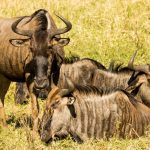
The Great Migration is an annual movement of roughly 1.5 million wildebeest and 200,000 zebra, moving in a broad clockwise pattern between Tanzania’s Serengeti and Kenya’s Masai Mara. The exact timing shifts every year because it depends on rainfall.
In the Masai Mara, herds usually arrive in July and stay through October. August and September are the peak months for river crossings, the dramatic event most visitors hope to see. A crossing can happen any day, often early in the morning, and no operator can guarantee it.
If seeing the migration is your main goal, plan for August or September, though these are the busiest months, when camps fill up and prices peak. June and October are quieter and still good, though herds may be smaller or already moving south.
Ramadan shifts earlier each year, so it sometimes overlaps with peak migration season. See the Ramadan section below, and check our best time to visit the Masai Mara guide for a month by month breakdown.
What Wildlife Lives in the Masai Mara and Other Parks?
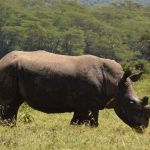
The Masai Mara is known for the Big Five: lion, leopard, elephant, buffalo, and rhino. Rhino are rare in the Mara itself. You have a better chance of seeing black rhino at Ol Pejeta Conservancy, which runs a dedicated rhino sanctuary. The Mara also holds cheetah, hyena, giraffe, zebra, wildebeest, hippo, and crocodile, and birdlife is excellent, with a wide range of raptors, waterbirds, and weavers.
For a different landscape, consider Amboseli National Park, at the foot of Mount Kilimanjaro and one of the best places in Kenya to see large elephant herds. Samburu National Reserve, in the north, hosts species you will not see elsewhere, including the reticulated giraffe, Grevy’s zebra, and the beisa oryx. Lake Nakuru is a smaller park known for flamingos and rhino, and works well as a short stop.
Read our full Amboseli safari guide and Samburu safari guide if you want to compare regions.
What Is the Difference Between a National Reserve and a Private Conservancy?
This matters more than most first time visitors realize. National reserves like the Masai Mara are public land, and many vehicles can enter, so on busy days you may share a lion sighting with several other cars.
Private conservancies are large tracts of land leased from Maasai communities for wildlife, including Mara North, Naboisho, and Olare Motorogi, all bordering the main Mara reserve. Access is limited to guests staying inside, and vehicle density is strictly controlled, so wildlife behaves more naturally.
Conservancies also fund local communities directly. They cost more, but the experience is calmer and more exclusive, and a strong choice for a first safari if your budget allows. You can still visit the main reserve for a day to see river crossings.
Our complete guide to the Masai Mara covers this distinction in more detail, including which conservancies we recommend for different budgets.
Is Halal Food Available at Safari Camps and Lodges?
This is a common worry, and the answer is mostly reassuring. Many camps in the Masai Mara and other parks have experience with Muslim guests and can provide halal chicken, beef, and lamb on request, as long as you tell your operator or camp in advance. Most kitchens are happy to prepare halal meat once they know about it, and vegetarian food is available everywhere, which is often the safest choice for strict travelers.
Pork is rarely served at safari camps, which removes one concern, and some lodges also offer Middle Eastern dishes, especially those that regularly host Gulf families. In Nairobi, halal restaurants are easy to find, especially in neighborhoods like Westlands and Parklands.
Can You Find Arabic-Speaking Guides on Safari?
Yes, but you must request one early. Kenya has a small number of Arabic speaking guides, and they are in demand. Major operators that cater to Gulf clients often have them on staff.
A Gulf based travel agency usually arranges this as standard. If you book directly with a Kenyan operator, ask specifically for an Arabic speaking guide, and expect to pay a supplement, since these guides are scarce.
Even without one, many camps have Swahili and English speaking staff. A good guide uses gestures, maps, and patience to bridge the language gap, and a simple phrasebook may help more than you expect.
How Should You Dress on Safari, Including Modesty Considerations?
Comfort is the rule. Safari days start early, often before sunrise, on rough dirt roads. Wear light, breathable clothing in neutral colors like khaki, beige, and olive. Avoid dark blue and black, which attract tsetse flies, and avoid white, which shows dust instantly.
For modesty, long sleeves and long pants are practical for both men and women, and protect against sun, insect bites, and thorn bushes. Loose cotton trousers and a light long sleeved shirt work well. Women who wear hijab will find that flowing scarves are fine on game drives, though a lightweight sport hijab is more comfortable in open vehicles.
You do not need special safari clothing. Good walking shoes, a wide brimmed hat, sunglasses, sunscreen, and insect repellent are essential. Our Kenya safari packing list has a full breakdown for hot and cold months.
How Does Ramadan Affect Safari Planning?
Because Ramadan follows the lunar calendar, it moves earlier by about 11 days each year against the Gregorian calendar, so some years it falls during peak migration season and other years it does not. When it overlaps with your trip, fasting during long game drives is manageable with planning.
Camps can serve suhoor before dawn if you ask for a packed meal the night before. Iftar at sunset usually lines up with the return from the afternoon game drive, and most lodges will adjust dinner times to fit the fast.
The main challenge is hydration, especially during the dry months of August and September. Speak to your guide about shorter midday breaks in shaded areas. Flights during Ramadan are often quieter and cheaper.
How Many Days Do You Need for a First Kenya Safari?
Plan for at least five nights on safari, not including travel days. This gives you three to four full game drive days, enough to see the Big Five in the Mara and settle into the rhythm of the bush.
A shorter trip of three nights is possible, but it feels rushed, since you lose at least half a day to the road transfer from Nairobi each way. Five nights in a single camp works better than splitting your time between two, since moving camps costs a full day of wildlife viewing.
If you have a week, consider adding a second region such as Amboseli, Samburu, or Lake Nakuru. A 7 to 9 night itinerary that splits between the Mara and one other park is a common first safari structure.
What Is the Cost of a Kenya Safari?
Prices vary widely by camp type and season. The table below gives indicative per person, per night ranges in US dollars.
| Camp Type | Price Range (per person, per night) |
|---|---|
| Budget tented camp, shared vehicle | $200 to $350 |
| Mid-range lodge | $400 to $700 |
| Luxury conservancy camp | $800 to $1,500 or more |
These are indicative ranges, not fixed prices. They usually include accommodation, meals, park fees, and game drives, but not international flights, alcohol, or tips.
The biggest cost driver is season. High season, from July to October and December to January, runs roughly 30 to 50 percent above the green season from April to June. Shoulder months like June or November can save money without a major loss of wildlife viewing. For a full budget breakdown, read our Kenya safari cost guide.
Is Kenya Safe for Arab and Muslim Travelers?
Kenya is generally safe for tourists who follow standard precautions. The safari circuit is well developed and receives hundreds of thousands of visitors a year, and wildlife camps are remote and secure.
In Nairobi, take the same precautions you would in any large city: avoid walking alone at night, use reputable taxi apps, and keep valuables out of sight.
For Muslim travelers, Kenya is welcoming. A meaningful share of the population is Muslim, and you will find mosques in Nairobi, Mombasa, and other towns. Respectful behavior and modest dress are appreciated in public, matching the guidance above.
Travel insurance is essential, since it covers medical evacuation, trip cancellation, and lost luggage. Some policies exclude wildlife activities, so check the fine print, and if you have a medical condition, carry a letter from your doctor in English.
Where Can You Compare Safari Operators and Find More Planning Resources?
TouringInsights is an editorial guide, not an operator. We do not sell tours or take bookings. What we do is give you tested, practical information so you can choose wisely, whether that means the right season, park, or camp for a Muslim or Arabic speaking traveler.
To compare safari operators and browse packages that match your needs, look at FindMySafari, Valley Safaris, or Trunktrails Safaris. All three work with established local camps and can help arrange Arabic speaking guides and halal meals on request. For further reading, see the Kenya wildlife tours from Trunktrails Safaris, the interactive Maasai Mara map from Valley Safaris, and the Big Five safari collection on FindMySafari.