Some Kenya safari camps have pools. Many do not, and that is not always a sign of a lower-quality stay. A basic canvas tent with no pool can sit inside a better wildlife area than a lodge with an infinity pool three hours away. Touring Insights built this guide so you know which camp tier tends to include a pool, which named camps actually have one, and what a pool signals about the rest of the stay.
Pools cost money to build, heat, and maintain in remote bush locations, so they cluster at a certain price point. Below that point, camps put the budget into guiding and food instead. Above it, a pool becomes close to standard. Neither approach is wrong for every traveler, but knowing the pattern helps you pick the right camp for your trip.
Why Pools Are Rarer in the Bush Than You Might Expect
A pool in a remote conservancy needs a reliable water source, pumps, filtration, and heating for cool mornings. All of that runs off solar or diesel power, far from any municipal supply. Building one can add hundreds of thousands of dollars to a camp’s construction cost, plus ongoing water and energy use in an area where both are scarce.
That is why classic tented camps built decades ago, when off-grid infrastructure was harder, mostly skipped the pool entirely. Newer luxury builds, with bigger budgets and better solar capacity, add pools more often as a guest expectation rather than a luxury extra.
What Counts as “Mid-Range” and “Luxury” for This Comparison
Mid-range in this guide means camps running roughly USD 250-450 per person per night, full board, often with shared vehicle game drives and simpler tents. Luxury means roughly USD 550-1,200+ per person per night, usually with private guiding options, higher staff ratios, and architect-designed suites.
These are indicative bands, not fixed prices. Rates shift with season, and a camp can move between bands depending on the room category you book. Always confirm current rates directly with the camp or a partner operator before booking.
Mid-Range Camps: Pool Is the Exception, Not the Rule
At the mid-range level, most camps put their budget into guiding quality, food, and a solid tent structure rather than a pool. Porini Lion Camp and Porini Mara Camp, both in Ol Kinyei Conservancy, run without pools, prioritizing solar power and a smaller footprint instead. Governors’ Camp in the Maasai Mara Reserve, one of the oldest tented camps in the country, also has no pool. It trades that for a prime river-frontage location.
A handful of mid-range properties do include a pool as a differentiator. Sarova Mara Game Camp, near the Talek River, has a swimming pool despite sitting in a similar price band to pool-less competitors. It is a larger, older, more resort-style build. Keekorok Lodge, one of the Mara’s original lodges, also has a pool alongside its well-known hippo pool viewing deck.
Luxury Camps: Pools Are Close to Standard
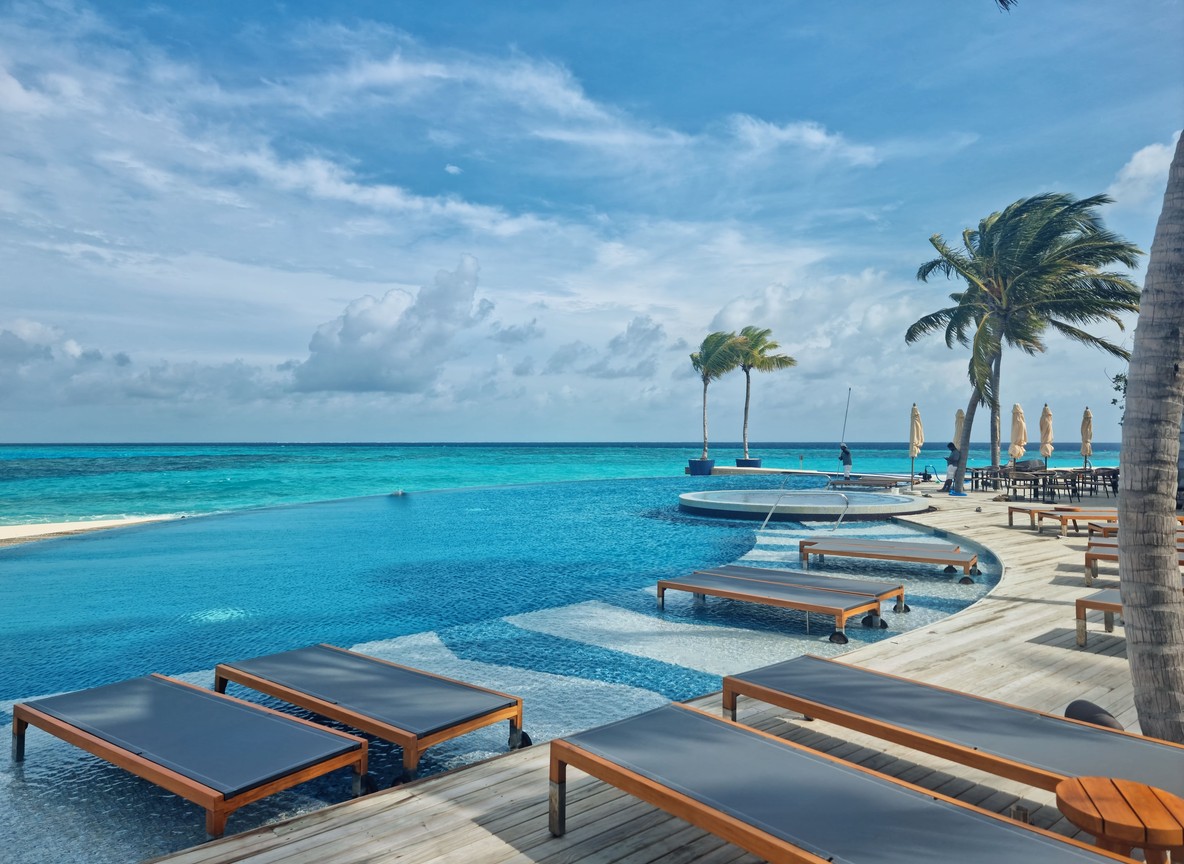
Once you move into the luxury tier, a pool is close to a baseline expectation rather than a bonus. Angama Mara, perched on the Oloololo Escarpment above the Mara Triangle, has an infinity pool positioned for the same sweeping view as its suites. Tortilis Camp in Amboseli, run by Elewana Collection, has a pool with direct sightlines to Mount Kilimanjaro on clear days.
In Laikipia, ol Donyo Lodge has a plunge pool attached to every suite, plus a main camp pool, for travelers who want a swim without leaving their room. Segera Retreat, also in Laikipia, includes a pool as part of its wider wellness and conservation-focused offering. Elewana’s Sand River Camp, a smaller luxury tented camp near the Tanzania border, includes a pool despite its traditional tented format. Pool access no longer tracks strictly with a modern versus classic build style.
Kenya Safari Camps: Pool Comparison by Tier and Location
| Camp | Location | Tier | Pool? | Indicative Rate (USD, per person/night, full board) |
|---|---|---|---|---|
| Porini Lion Camp | Ol Kinyei Conservancy, Maasai Mara | Mid-range | No | 350-450 |
| Governors’ Camp | Maasai Mara Reserve | Mid-range | No | 400-550 |
| Sarova Mara Game Camp | Talek River, Maasai Mara | Mid-range | Yes | 300-420 |
| Keekorok Lodge | Maasai Mara Reserve | Mid-range | Yes | 280-400 |
| Angama Mara | Oloololo Escarpment, Mara Triangle | Luxury | Yes | 900-1,400 |
| Tortilis Camp | Amboseli National Park | Luxury | Yes | 700-1,100 |
| ol Donyo Lodge | Chyulu Hills, Laikipia | Luxury | Yes (plunge pools + main pool) | 950-1,500 |
| Segera Retreat | Laikipia Plateau | Luxury | Yes | 1,000-1,600 |
Why a Pool Sometimes Means a Trade-Off Elsewhere
A pool is not free, even when the price tag says so. Camps that add one in a remote setting often pull the budget from somewhere else, commonly a slightly lower guide-to-guest ratio or a shared rather than private vehicle. Ask directly what the pool cost the camp in other areas before assuming it is a pure upgrade.
The reverse trade-off matters too. Camps without a pool, like Governors’ Camp or the Porini properties, often channel that budget into guiding staff, conservancy fees, or a smaller physical footprint that leaves more of the land undisturbed. Families focused on game viewing over lounging may prefer that trade.
Where Pools Matter Most for Families
Kids on multi-day trips with midday heat feel a pool’s absence most. Kenya’s hottest safari regions, Amboseli and the lower Mara, regularly hit 28-32°C from December through March. An afternoon pool break gives kids a reset between early and late game drives.
Tortilis Camp in Amboseli and Angama Mara in the Mara both run family-friendly programming alongside their pools, including shorter game drives for younger children. If a pool is a priority for your trip, confirm the pool has a shallow end or is supervised, since most bush lodge pools are unfenced by design to keep sightlines open.
Distances and Access: Where These Camps Actually Sit
| Route | Distance / Time |
|---|---|
| Nairobi (Wilson Airport) to Maasai Mara airstrips | approx. 45 minutes by air |
| Nairobi to Maasai Mara (road via Narok) | approx. 270 km, 5-6 hours |
| Nairobi to Amboseli National Park (road) | approx. 240 km, 4-5 hours |
| Nairobi (Wilson Airport) to Amboseli airstrip | approx. 40 minutes by air |
| Nairobi to Laikipia Plateau (road) | approx. 200-220 km, 4-5 hours |
| Amboseli National Park entry fee | indicative USD 60-97 per adult per 24 hours |
| Maasai Mara Reserve entry fee | indicative USD 80-100 per adult per 24 hours (varies by gate and season) |
Explorer Notes
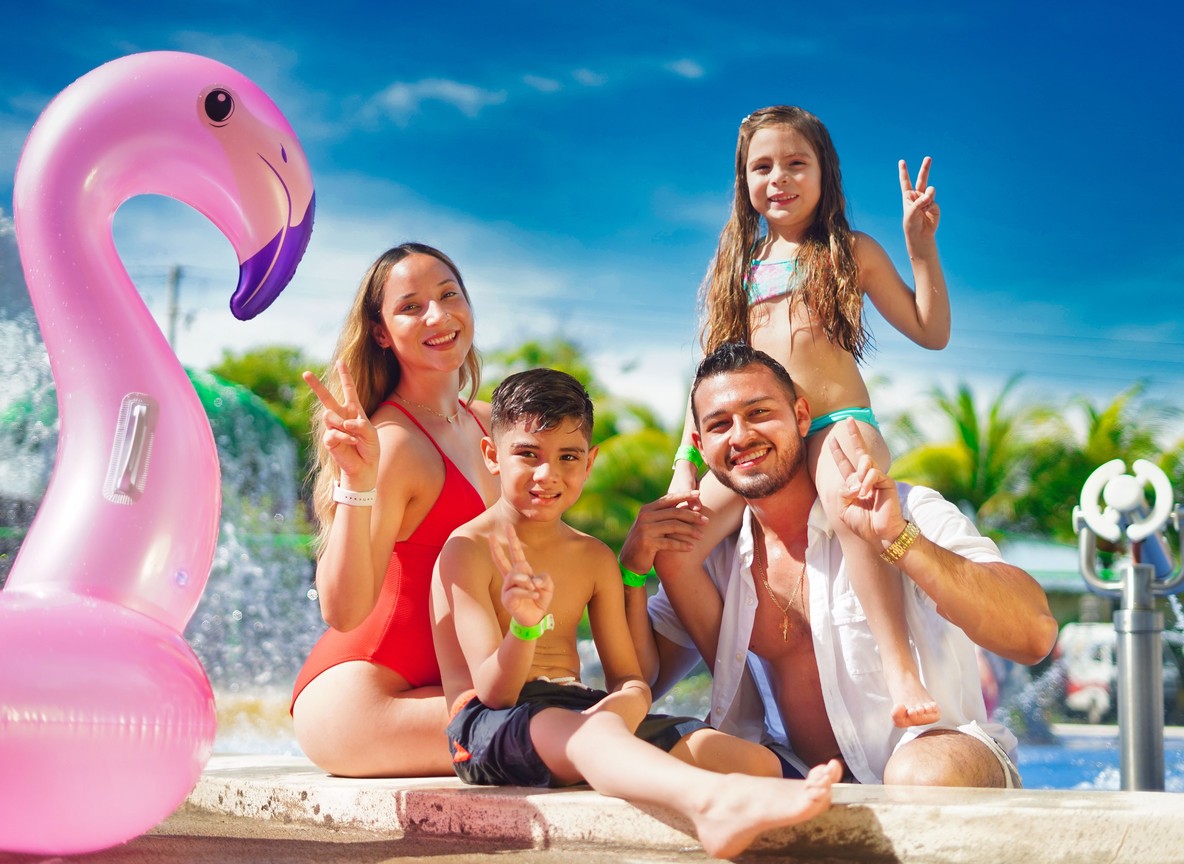
A few things only become obvious once you are on the ground. First, many bush camp pools sit unheated and unfenced, since fencing would block the wildlife views the pool is built for. Ask about supervision if you are traveling with young children. Second, a pool at altitude, like the ones in Laikipia sitting around 1,800 meters, runs noticeably colder than a pool at Amboseli’s lower elevation. Pack accordingly if a swim is part of your plan.
Third, some camps close their pool during the coolest months, June through August, when demand drops and heating costs run high. Confirm the pool is operating for your specific travel dates rather than assuming year-round access. Finally, a handful of properties, including Segera Retreat, use their pool area as a second dining and sundowner spot in the evening. It is worth asking whether the pool deck doubles as a social space if that matters to your group.
What to Read Next
- Deciding between camp types altogether? Read our best Kenya safari lodges for honeymoons guide.
- Traveling with the whole family and weighing more than pools? See our family safari camp life in Kenya guide.
- Curious what else separates a small camp from a resort-style lodge? Check our small, intimate safari camps in the Mara guide.
FAQ
Do most Kenya safari camps have swimming pools? No. Pools are more common at the luxury tier, generally above USD 550 per person per night. Many well-regarded mid-range and classic camps operate without one.
Are safari camp pools heated? Some are, especially in cooler highland areas like Laikipia, but many bush pools run unheated. Ask the specific camp before you book if water temperature matters to you.
Is a camp without a pool a lower-quality stay? Not necessarily. Camps without pools often direct that budget into guiding staff, conservancy fees, or a smaller physical footprint, which some travelers value more than a pool.
Are safari camp pools fenced for child safety? Usually not, since fencing blocks the open wildlife views most bush pools are designed around. Confirm supervision arrangements directly with the camp if traveling with young children.
Do pools ever close seasonally? Yes. Some camps reduce or pause pool operation during cooler, lower-demand months such as June through August. Always confirm the pool is active for your travel dates.
If a pool matters to your trip, tell us the tier and region you are considering and we will point you to camps that fit. Visit our Tour Packages page to compare stays, or ask a partner operator to confirm a specific camp’s current pool status before you book.
Further reading
- Magical Kenya (Kenya Tourism Board)
- Kenya Wildlife Service
- Maasai Mara Wildlife Conservancies Association
More safari planning resources
- Interactive Maasai Mara map from Valley Safaris
- Maasai Mara National Reserve guide on Touring Insights
- Luxury safari collection on FindMySafari
- Masai Mara destination guide on FindMySafari
Related guides: Budget Amboseli Safari vs Mid-Range Amboseli Safari: What Actually Changes?.