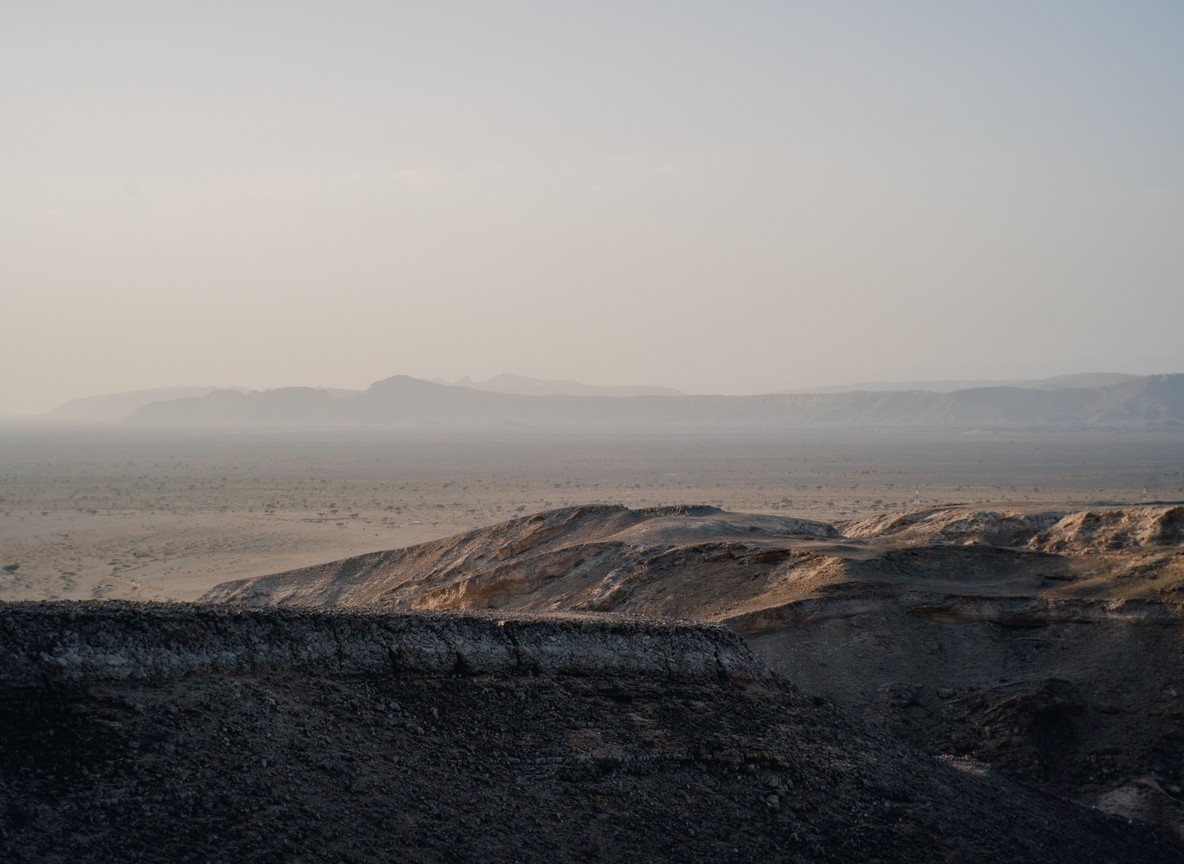
Most safari itineraries never reach Sibiloi National Park. It sits on the remote eastern shore of Lake Turkana, far from Kenya’s main southern safari circuit, and getting there takes real planning. That is also why it matters. Sibiloi protects the Koobi Fora fossil beds, a stretch of desert that has produced more early human fossils than almost anywhere else on the continent. This guide covers the real distances, fees, and named access points you need to plan a visit.
Sibiloi is not a Big Five park. Go for the fossils, the fossilized forest, and one of the starkest landscapes in East Africa. Wildlife here is a bonus, not the headline.
Where Sibiloi National Park Sits on the Map
Sibiloi National Park covers 1,570 km2 on the eastern shore of Lake Turkana in Kenya’s far north, close to the Ethiopian border. The park is roughly 750-800 km north of Nairobi by road, depending on the route taken through Marsabit or North Horr. That distance, combined with rough murram roads on the final stretch, is the main reason Sibiloi stays off most safari routes.
Lake Turkana itself is often called the Jade Sea, for the green-blue color its algae gives the water. Sibiloi sits within the wider Lake Turkana National Parks, a UNESCO World Heritage Site since 1997 that also includes Central Island and South Island. The designation recognizes both the fossil record and the lake’s unusual desert ecosystem.
Why Koobi Fora Matters
Koobi Fora is a fossil-rich ridge inside Sibiloi, and it has reshaped how scientists understand human origins. Richard Leakey’s team began excavating here in 1968, and discoveries have continued for decades since.
Two finds stand out. KNM-ER 1470, a skull assigned to Homo rudolfensis, was uncovered in 1972. A more complete Homo erectus skull, KNM-ER 3733, followed in 1975. Nearby at Allia Bay, inside the same park, researchers found Australopithecus anamensis fossils. These are dated to roughly 3.9 to 4.2 million years old, among the oldest confirmed hominid remains in the region.
The Koobi Fora Museum, run by the National Museums of Kenya, displays fossil casts and explains the dig sites. Rangers can walk visitors out to marked excavation areas near the museum, though active research zones stay off-limits without prior arrangement.
Sibiloi vs a Mainstream Safari Park
| Factor | Sibiloi National Park | Maasai Mara National Reserve |
|---|---|---|
| Size | 1,570 km2 | 1,510 km2 |
| Distance from Nairobi | approx. 750-800 km by road | approx. 270 km by road |
| Non-resident entry fee | approx. $25 adult / $15 child per day | approx. $80 per person per day (peak) |
| Main draw | Fossil sites, human origins, desert scenery | Big cats, Great Migration crossings |
| Typical visit length | 2-3 days, remote logistics | 2-4 days, well-served by camps |
| Getting there | 4WD via Loiyangalani, or charter flight to Alia Bay | Road or short scheduled flight |
The comparison is not about which park is better. Sibiloi rewards a very different kind of traveler, one drawn to science and remoteness rather than dense wildlife viewing.
Getting to Sibiloi National Park
There are two realistic ways in. The first is a charter flight from Wilson Airport in Nairobi to the Alia Bay airstrip inside the park, a trip of roughly 2.5 hours. Scheduled flights also serve Lodwar, Marsabit, and Loiyangalani, all of which require a further road transfer.
The second is by road, and it demands a 4WD vehicle and an experienced driver. Most overland visitors stage through Loiyangalani, a lakeshore town on Turkana’s eastern shore, then continue north through the small outpost of Moite before reaching the park boundary. Roads mix tarmac and murram, and the murram sections turn slow and rough regardless of season.
Karsa Gate is the main entrance to Sibiloi. Allia Bay and Koobi Fora serve as secondary gates, both closer to the fossil sites and the museum.
Where to Stay Near Sibiloi
Options inside the park are limited and mostly self-catering. The KWS-run Alia Bay Guest House sits near park headquarters, with a main house and annex sleeping up to 10 people. Rates run around $200 per night non-resident for the full unit, a workable option for a group splitting the cost.
KWS also maintains basic campsites near the Koobi Fora Museum and at Alia Bay, with pit latrines and no running water. Bring all food, water, and fuel. Camping fees sit in an indicative $20-30 per person per night range.
Loiyangalani, about 130-160 km south of the park by road, has more established options, including Oasis Lodge on the lake’s southern shore and the Lobolo Tented Camp. Most multi-day Turkana trips base here and day-trip into Sibiloi rather than staying inside the park itself.
What Else to See in Sibiloi
The park’s Petrified Forest is a field of fossilized tree trunks, evidence that this now-arid landscape once supported dense woodland millions of years ago. Wildlife includes Grevy’s zebra, oryx, topi, and one of the largest concentrated Nile crocodile populations in Africa, most visible around the lake’s shallows and Central Island offshore.
Birdlife draws a smaller but dedicated following. The lake’s shoreline and surrounding scrub attract migratory species alongside resident desert birds, a contrast to the grassland species most Kenya safaris feature.
Planning a Realistic Itinerary
Two to three days is the practical minimum, factoring in one full day for travel each way if driving. A charter flight compresses that considerably, leaving more time at the fossil sites themselves.
Combine Sibiloi with a broader Lake Turkana trip rather than treating it as a standalone stop. Loiyangalani, Central Island National Park, and the El Molo villages along the eastern shore round out a trip. Together they justify the effort of reaching this corner of Kenya.
Turkana’s shore stays hot year-round, so there is no single best season by temperature alone. Road conditions matter more. The short rains fall around October and November, and the long rains fall between March and May. Both can turn murram sections north of Loiyangalani into a slow, muddy crawl. Most operators favor the drier months from June through September, or January and February, for road travel. A charter flight sidesteps most of that seasonal risk.
Explorer Notes
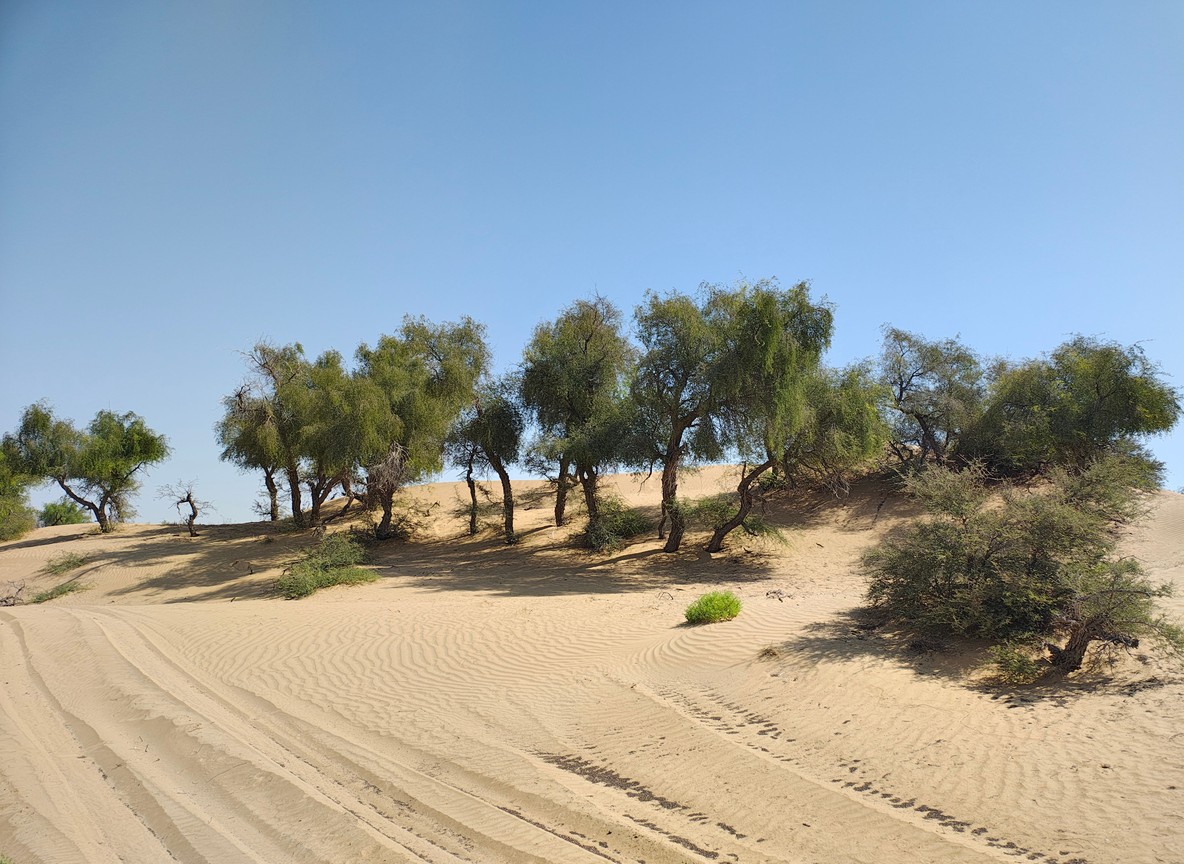
Fuel up fully before leaving Marsabit or Loiyangalani. There are no reliable fuel stops between those towns and the park, and running low on the murram stretch near Moite is a real risk, not a theoretical one.
Ask about research season before you go. Koobi Fora hosts active paleontological digs at certain times of year, and rangers sometimes restrict access to specific excavation trenches while teams are working. A quick check with KWS or the museum avoids a wasted detour.
Midday heat at Turkana’s shore is intense, often well above what visitors expect from a Kenya itinerary. Plan fossil-site walks and museum visits for early morning, then rest through the hottest hours the way local staff do.
Satellite communication matters more here than almost anywhere else in Kenya. Mobile network coverage is patchy to absent for long stretches of the drive, so confirm your camp or guest house has a way to reach help if your vehicle breaks down.
If northern Kenya’s remote parks interest you beyond Sibiloi, our Tour Packages page lists partner operators who run Lake Turkana circuits, with current availability for the 4WD or charter-flight routes covered here.
Frequently Asked Questions
How do you get to Sibiloi National Park? By charter flight from Wilson Airport to the Alia Bay airstrip, about 2.5 hours, or by 4WD via Loiyangalani and the Moite outpost, a demanding overland route from Nairobi.
What is the entry fee for Sibiloi National Park? Non-resident entry runs around $25 per adult and $15 per child per day, payable through KWS eCitizen channels.
What makes Koobi Fora significant? Koobi Fora has produced some of the most important early human fossils on record, including the Homo rudolfensis skull KNM-ER 1470 and Australopithecus anamensis remains dated to roughly 3.9-4.2 million years old.
Is Sibiloi National Park good for wildlife viewing? It has wildlife, including Grevy’s zebra, oryx, and large Nile crocodile numbers, but visitors come primarily for the fossil sites and the desert-lake landscape, not dense game viewing.
Where should I stay near Sibiloi National Park? Options include the KWS Alia Bay Guest House and basic KWS campsites inside the park, or lodges like Oasis Lodge in Loiyangalani, about 130-160 km south.
When is the best time to visit Sibiloi National Park? The dry months from June through September, plus January and February, keep roads north of Loiyangalani easiest to drive. A charter flight to Alia Bay reduces the impact of rain on road access at any time of year.
What to Read Next
- Planning a broader northern route? See our guide on the 7-day northern Kenya safari itinerary through Samburu to Lake Turkana.
- New to remote Kenya travel? Check our 16 things to know before your first Kenya safari trip.
- Curious about camera prep for a landscape this different? Read our camera settings guide for safari photography in Kenya.