Most safari itineraries in Kenya skip Kora entirely. That is exactly why it still feels like the wild place George Adamson chose in 1970, when he set up camp on the Tana River to give lions raised in captivity a real chance at freedom. Kora National Park has no lodges, no crowds, and almost no marketing. What it has is a stretch of granite kopjes, doum palms, and river frontage where one of conservation’s most famous experiments played out, and where its founder is buried. Touring Insights breaks down the real history, the park facts, and what it takes to actually get there.
Where Kora National Park Sits on the Map
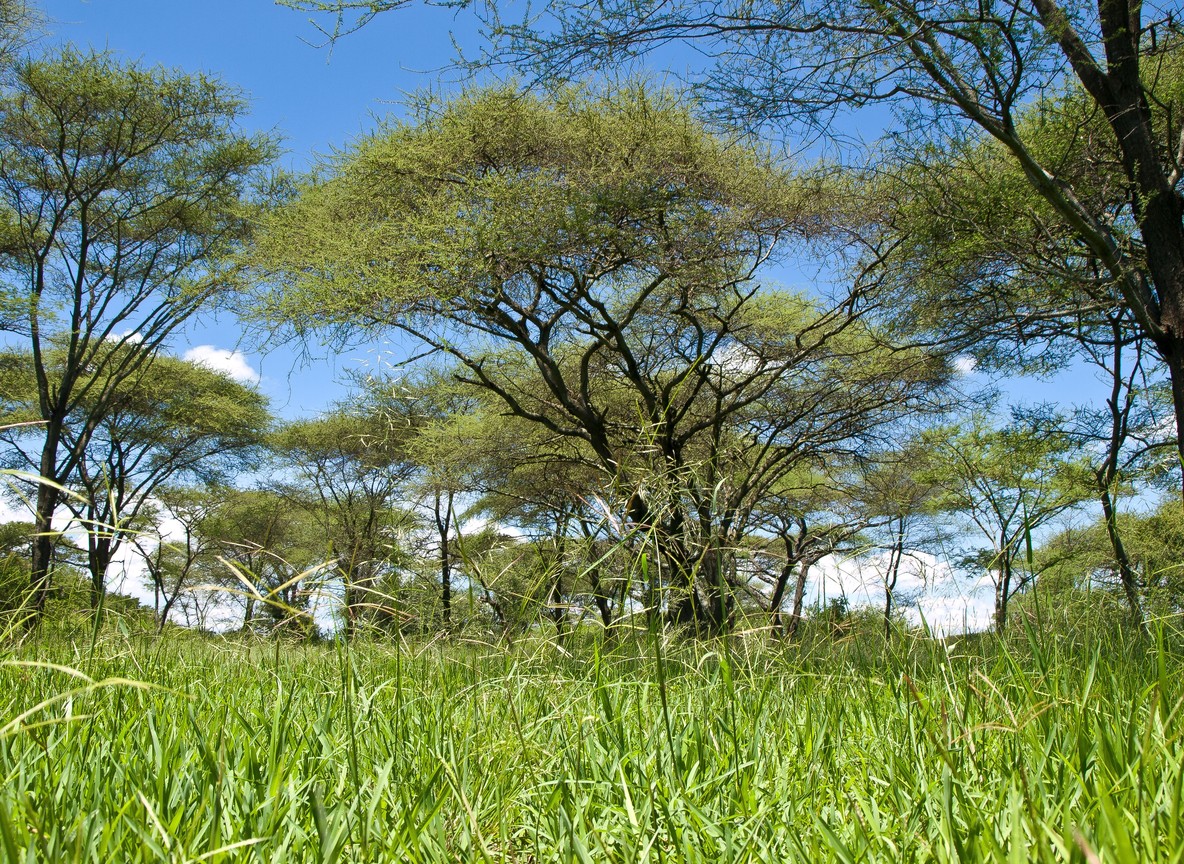
Kora covers 1,788 km2 of semi-arid bushland in eastern Kenya, straddling the Tana River on the border of Kitui and Tana River counties. It sits directly across the river from Meru National Park and forms one quarter of the wider Meru Conservation Area, a roughly 4,400 km2 block that also includes Meru NP, Bisanadi National Reserve, and Rahole National Reserve. The terrain is drier and rockier than Meru, marked by scattered inselbergs, or kopjes, that rise out of thick Commiphora and Acacia scrub. The Tana River forms the park’s northern edge and its only permanent water source.
Kenya gazetted Kora as a national reserve in 1973 to buffer the wildlife corridor around Meru. It became a full national park in 1989, the same year George Adamson died there.
George Adamson and the Birth of Kora’s Lion Camp
George Adamson co-wrote the story that made Kora famous before he ever set foot in it. He and his wife Joy raised the lioness Elsa in Meru in the 1950s, an experience that became the book and film “Born Free.” Joy’s success with Elsa proved that a captive-raised lion could be rehabilitated back into the wild, and George spent the rest of his life refining that method.
In 1970 he moved his lion rehabilitation work to Kora, then a remote stretch of unprotected bush far from tourist routes. He picked the site partly for its isolation. Fewer people meant fewer conflicts while lions relearned how to hunt, defend territory, and live without humans. Over the next two decades he released dozens of lions there, most of them former zoo or circus animals, or orphaned cubs handed to him by wildlife authorities.
Kampi ya Simba: Life Among Free-Ranging Lions
Adamson’s base camp, Kampi ya Simba (Swahili for “camp of the lion”), sat on the Tana River within what is now the park. It was a simple tented camp, not a lodge. He lived there with a rotating cast of lions, cheetahs, and leopards in various stages of rehabilitation, alongside assistants and researchers who documented the releases.
The work was slow and often heartbreaking. Some lions adapted well and vanished into the bush for good. Others struggled, returned to camp for food, or came into conflict with wild prides already holding territory. Adamson kept detailed records on individual animals, most famously Christian the lion, whose emotional reunion with Adamson years after being rehomed from London became one of the most widely viewed wildlife films of its era.
By the late 1980s Kora had become a genuine case study in large-carnivore rehabilitation, cited by conservationists studying whether captive-bred predators could ever function in the wild.
The Night That Ended It: August 1989
On 20 August 1989, George Adamson was shot and killed near Kampi ya Simba while driving to help a tourist whose vehicle had broken down. Somali bandits known locally as shifta, active in the region at the time, were responsible. He was 83 years old and had spent nearly two decades at Kora.
His brother Terence, who had lived and worked alongside him, was buried at Kora after his own death that same year. George Adamson’s grave sits near the old camp site, close to Adamson’s Falls, a small cascade on the Tana River that marks the boundary of the original camp. Several of his lions, including Boy, one of the animals featured in “Born Free,” are buried nearby.
Kora Today: Park Facts and How to Reach It
Kora receives a fraction of the visitors that Meru or the Mara see each year. There are no permanent lodges inside the park boundary, and infrastructure is limited to a handful of rough tracks maintained by the Kenya Wildlife Service. Visits generally require a self-sufficient 4×4 setup or a fly-in charter, plus advance coordination with KWS given the remoteness.
| Detail | Figure |
|---|---|
| Park size | 1,788 km2 |
| Gazetted as national reserve | 1973 |
| Upgraded to national park | 1989 |
| Meru Conservation Area (combined, approx.) | 4,400 km2 |
| Nearest tarmac town | Mwingi, roughly 100 km southwest |
| Road distance from Nairobi | approx. 300-340 km (indicative, road condition dependent) |
| Drive time from Nairobi | approx. 6-7 hours (indicative) |
| Access airstrip | Kora airstrip (charter only, no scheduled flights) |
| Non-resident park entry fee | approx. USD 20-25/day (indicative KWS rate, confirm current pricing with KWS before travel) |
Most travelers reach Kora one of two ways: by road from Mwingi on the western side, or by crossing the Tana River from Meru National Park near Adamson’s Falls on the eastern side. Both routes require a 4×4 and local knowledge of current road conditions, which shift with the rains. There is no fuel, shop, or medical post inside the park, so trips need to be planned as fully self-contained.
Kora vs Meru National Park: Which One to Visit
Travelers weighing Kora against its better-known neighbor should know the two parks serve different purposes.
| Factor | Kora National Park | Meru National Park |
|---|---|---|
| Size | 1,788 km2 | approx. 870 km2 |
| Lodges/camps | None permanent | Several, including Elsa’s Kopje |
| Road access | Rough tracks, 4×4 essential | Graded roads, more visitor-ready |
| Main draw | Adamson history, wilderness | Game viewing, established tourism infrastructure |
| Best for | History-focused, self-sufficient travelers | First-time safari visitors wanting comfort |
Meru National Park, where Elsa the lioness originally roamed, remains the more practical base for most travelers. Kora suits people specifically drawn to the Adamson story and willing to trade comfort for authenticity.
Wildlife Beyond the Lions
Kora’s lion population today is wild and not descended in any tracked way from Adamson’s rehabilitated animals, since decades have passed and prides have mixed across the wider Meru Conservation Area. The park still supports elephants, buffalo, giraffe, and a healthy population of Grevy’s zebra in the drier stretches. Crocodile and hippo occupy the Tana River itself, and the kopjes provide habitat for klipspringer and rock hyrax. Birdlife is strong along the river corridor, with fish eagles a common sight near Adamson’s Falls.
Explorer Notes
Anyone serious about visiting Kora should contact KWS Meru Conservation Area headquarters directly before departure to confirm road status and camp permissions, since conditions change fast after rain. Pack extra fuel and water regardless of season; there is no resupply point once you are past Mwingi or across the river from Meru. The most rewarding stop for history-focused visitors is the Kampi ya Simba site itself, where interpretive markers note the graves of George and Terence Adamson alongside several of the lions they released. Early morning is the best window for both temperature and wildlife activity along the river, before the heat pushes animals into shade. Guides based at Meru National Park camps can sometimes arrange a supervised day crossing into Kora, which is a far easier way to see the site than attempting the western approach independently.
FAQ
Is Kora National Park open to tourists? Yes, but access is limited and informal compared to Kenya’s mainstream parks. There are no lodges inside, so most visits are day trips or self-organized camping trips coordinated with KWS.
Where is George Adamson buried? Near the old Kampi ya Simba camp site inside Kora National Park, close to Adamson’s Falls on the Tana River.
How is Kora different from Meru National Park? Kora is larger but has no permanent lodges and rougher access. Meru has established camps, graded roads, and stronger general game viewing.
Can you see lions in Kora today? Yes, though today’s lions are wild residents of the wider Meru Conservation Area rather than descendants tracked back to Adamson’s original releases.
Do you need a 4×4 to visit Kora? Yes. Both main access routes, from Mwingi and from across the Tana River near Meru, require a 4×4 and are best attempted with local guidance.
What to Read Next
- Meru National Park: Elsa’s Old Ground and Where to Stay Today
- Planning a Self-Drive Safari in Kenya’s Remote Parks
- Tana River Wildlife: What Lives Along Kenya’s Longest River
If Kora’s story has you rethinking your Kenya itinerary, start with Meru National Park as your comfortable base and treat a Kora crossing as the add-on for a day. Check current routes and permissions with KWS, then browse Touring Insights’ Tour Packages page for operators who run trips through this corner of the Meru Conservation Area.