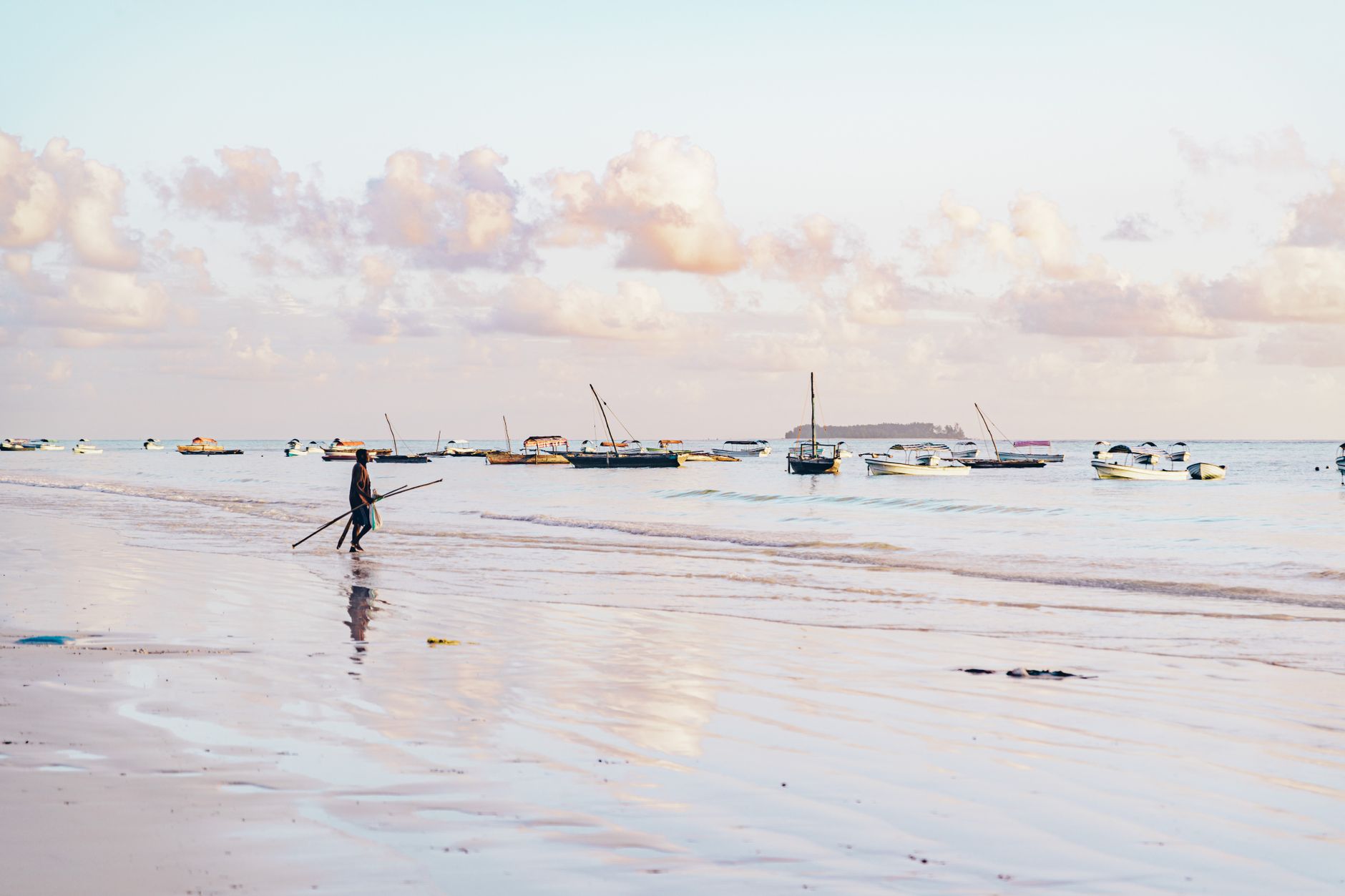
If you are asking what should i know before visiting diani beach, start with the practical basics. Plan 3 to 4 nights, fly into Ukunda Airport, and slow down. Diani is a reef-protected coast, not a wild beach. The best trips match the tides, pack for the sun and sea urchins, and include at least one outing beyond the sand.
What Should I Know Before Visiting Diani Beach?
Plan 3 to 4 nights, use Ukunda Airport, check tides before swimming, pack reef shoes and insect repellent, and respect local customs. Diani works well for older travellers if you choose level accommodation, arrange airport transfers, and protect yourself from strong sun and malaria risk.
| Planning point | What you need to know |
|---|---|
| Best time to visit Diani Beach | January, February, and July to October are strong choices for dry, warm weather. April and May are wettest. |
| Getting there | Fly from Nairobi to Ukunda Airport, usually under an hour. Road journeys are much longer. |
| Ideal length of stay | Most visitors enjoy 3 to 4 nights. Retirees often prefer 4 to 5 nights for slower pacing. |
| Tides | Check daily tide tables. Low tide leaves a shallow lagoon and exposed coral. |
| Health | Diani is a malaria-risk area. Talk to a travel clinician before you go. |
| Packing | Reef shoes, SPF 50 sunscreen, insect repellent, a hat, and a light cover-up. |
When Is the Best Time to Visit Diani Beach?
The best all-round periods are January to February and July to October, when Diani is generally warm with better beach conditions and less rain. December to March is popular and often sunny, while April and May bring the heaviest rains, rougher seas and possible seaweed. Travel then can cost less, but plan flexible activities.
For many retirees, January and February are ideal because the weather is settled and the ocean is calm. July to October is another reliable window, with slightly lower humidity. June and November are shoulder months; they can be dry or wet in patches. If you choose the green season, read staying safe during Kenya’s rainy season before you finalise dates.
How Do You Get to Diani Beach and Get Around?
For the easiest arrival, fly from Nairobi to Ukunda Airport, which is close to Diani, rather than taking the long road journey. Hotels can arrange transfers, while tuk-tuks and taxis suit short trips. Agree the fare before departure, allow extra time for traffic, and use a trusted driver for longer excursions.
Flights from Nairobi Wilson Airport take roughly an hour. A road transfer from Nairobi to Diani can take the better part of a day, depending on traffic and stops. Once you are at the coast, many hotels include airport pickup, which helps after a long journey. For local trips, tuk-tuks are cheap for short distances; taxis are better for evenings or longer drives. Set the price before you get in. Our Diani Beach travel guide has more detail on choosing a base.
What Should You Pack for Diani Beach?
Pack light breathable clothing, swimwear, a cover-up for towns and cultural sites, SPF 50 sunscreen, a wide-brimmed hat, sunglasses, insect repellent, and comfortable sandals. Reef shoes are particularly useful because low tide exposes coral and sea urchins. Add a waterproof bag, light rain layer, medicines, and a portable charger.
Diani Beach tides can change the landscape twice a day. When the tide is out, reef shoes protect your feet on the exposed reef flats and spiky sea urchins. A cover-up also matters. Although swimwear is fine on the sand, most visitors change before walking through Ukunda town or visiting a mosque and sacred forest. Add a simple first-aid kit that includes plasters and antiseptic. For a full checklist of safari clothing, see our Kenya safari packing list.
Is Diani Beach Safe for Older Travellers?
Diani can suit older travellers well, especially when accommodation provides airport transfers, level access, shaded seating and help with excursions. Swim inside the reef, check tide conditions, avoid isolated beach walks after dark, secure valuables, and use reputable transport. Beach vendors may approach visitors; a firm, polite refusal usually ends the interaction.
The key is choosing lodging with smooth pathways and ground-floor rooms if you need them. Ask before booking whether the property has lifts, ramps and shaded rest areas. The lagoon is protected by a reef, so swimming is usually calm, but currents can appear near reef channels. Read tide tables and stay near lifeguarded spots when possible. Buy safari insurance and evacuation cover before you leave home, as it can cover medical treatment and emergency transport if you need it.
What Health Precautions Do You Need in Diani?
Diani is a malaria-endemic area, so discuss antimalarial medication with a travel clinician four to six weeks before departure and use repellent, long sleeves and screened accommodation. Drink bottled or purified water, protect yourself from strong equatorial sun, check routine vaccinations, and confirm yellow-fever requirements if arriving from a risk country.
Diani Beach malaria risk is manageable with preparation. Malaria tablets are a personal choice and should be based on your doctor’s advice. In addition to medication, cover up at dawn and dusk, use a repellent with DEET, and sleep under a net or in a fully screened room. The main health irritants are sunburn, dehydration and cuts from coral, so drink plenty of water and treat any scrape straight away.
What Are the Best Things to Do Beyond the Beach?
Allow at least one non-beach day for reef snorkelling, a low-tide lagoon walk, Shimba Hills, Kaya Kinondo, a Wasini Island excursion, or a short safari extension. Shimba Hills adds forest and wildlife, including the endangered sable antelope, while nearby coastal forests support Angolan colobus monkeys. Choose ethical operators that protect reefs and wildlife.
Shimba Hills National Reserve is a short drive from Diani and offers cooler air and views over the coast. Kaya Kinondo is a sacred coastal forest run by the local community; the guided walk introduces plants used in traditional medicine. For marine life, a dhow trip to Wasini Island can include snorkelling, but check the operator’s safety record and reef policy. If you have enough days, add a Tsavo safari for elephants and dry-country scenery before or after the beach. For a broader trip, browse our Masai Mara guide if you plan to combine coast and savannah.
How Should You Handle Money, Tipping and Local Etiquette?
Carry Kenyan shillings for tuk-tuks, markets and small tips, while hotels and many restaurants accept cards or dollars; M-Pesa is also widely used. Check for an included service charge before tipping. Swimwear is fine on the beach, but cover shoulders and knees in Ukunda, villages, mosques and sacred sites, and use simple Swahili greetings such as Asante.
Hotels often charge a service fee, so ask if it appears on your bill. If not, a tip in the range of 5 to 10 percent for good service is common in Kenya. Large notes are hard to change at small stalls, so keep small notes for daily purchases. For souvenirs, choose items that are made locally and legally. Our guide to shopping for responsible Kenyan souvenirs explains what to avoid, including products made from endangered wildlife.
What Do Most Visitors Ask About Diani Beach?
Most visitors ask about the best month, safety, how long to stay, malaria tablets and low-tide swimming. The short answers are January to February, normal precautions, 3 to 4 nights, a travel clinician consultation, and swimming at mid or high tide. These are the same questions we answer in detail below.
What Is the Best Month to Visit Diani Beach?
January and February are among the best months for warm, sunny weather and calmer sea conditions. July to October is another strong window with slightly cooler weather and fewer peak-season crowds. April and May are wetter and less predictable.
Is Diani Beach Safe for Tourists?
Diani is generally suitable for tourists who use normal precautions. Avoid walking alone on quiet beaches after dark, keep valuables in a hotel safe, use trusted transport, and agree fares before travelling. Be polite but firm when declining unsolicited offers.
How Many Days Are Enough for Diani Beach?
Three or four nights gives most visitors enough time to rest, enjoy the beach, and add one or two outings. Retirees may prefer four to five nights to allow slower mornings, tide-dependent activities and recovery time between excursions.
Do You Need Malaria Tablets for Diani Beach?
Diani is in a malaria-risk area, so travellers should discuss preventive medication with a qualified travel clinician before departure. Repellent, long sleeves after dusk and screened rooms or mosquito nets provide additional protection.
Can You Swim at Diani Beach at Low Tide?
Swimming is usually easier around mid or high tide because the reef lagoon becomes very shallow when the tide goes out. Check the daily tide table at your hotel, wear reef shoes when walking over exposed coral, and avoid standing on living reef.
Should You Combine Diani Beach with a Kenya Safari?
Diani combines naturally with an inland safari, especially a short Tsavo trip because Tsavo sits between the coast and Nairobi. You need at least one full day in the park, and ideally more. For the classic savannah experience, the Masai Mara is a short flight from the coast after a stop in Nairobi.
If you decide to add a safari, begin with our Tsavo safari guide and Masai Mara guide for planning. When you are ready to compare wildlife zones and lodges, use FindMySafari, Valley Safaris, or Trunktrails Safaris. Each lets you compare safari operators and browse packages that pair the Indian Ocean coast with Kenya’s parks.
Where Can You Find More Safari Planning Resources?
- Bush and beach safari from SafariPure
- Diani Beach guide from Trunktrails Safaris
- Best time to visit Kenya month-by-month map from Valley Safaris
- Diani Beach guide on FindMySafari