Ol Pejeta Conservancy lies in central Kenya’s Laikipia plateau. It is a private conservancy, not a national park, and that changes how you plan. If you are asking what should i know before visiting ol pejeta, the answer comes down to seven points. They are its conservation role, wildlife, timing, access, fees, pacing, and visitor rules. This guide works through each one, with special attention to the comfort and pacing questions that matter to many older travellers.
For a broader snapshot of lodges and location, our Ol Pejeta Conservancy guide is a useful companion to this planning piece.
What Should I Know Before Visiting Ol Pejeta?
Visit Ol Pejeta for a less crowded central Kenya safari that combines strong Big Five potential with conservation experiences unavailable in most parks. The Laikipia conservancy protects black rhinos, provides the last refuge for the world’s two northern white rhinos, and contains Kenya’s only chimpanzee sanctuary.
That gives the visit a double focus. You come for game viewing, but you also come to see conservation work that is easy to explain and hard to forget. The rhino protection programme is active, and the chimpanzee sanctuary houses animals rescued from illegal trade. Entry fees and activity charges help fund that work, so your visit has a purpose beyond sightseeing.
What Wildlife Can You See at Ol Pejeta?
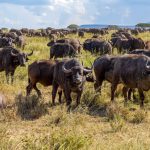
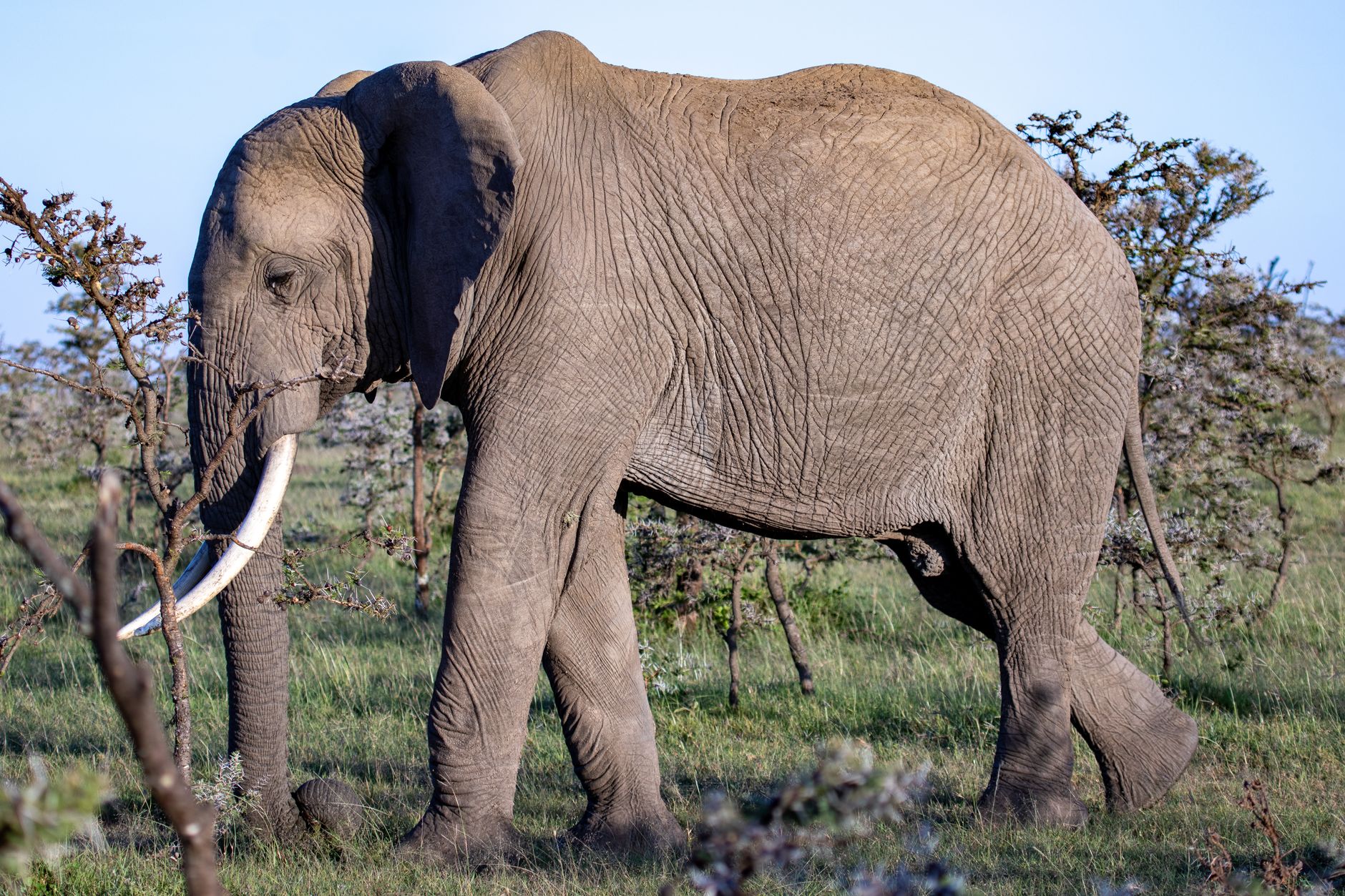
Ol Pejeta supports the Big Five, including lion, leopard, elephant, buffalo and both black and southern white rhino. You may also see Grevy’s zebra, African wild dog, giraffe, plains game and abundant birdlife. Sightings remain wild and unpredictable, so no guide can guarantee every species.
Black rhinos are a speciality. The conservancy runs an active protection programme using tracking and veterinary care. Resident lion prides are reliable but not predictable. Leopards are present but harder to spot. Plains game is common, and birders will find dry-country species plus migrants in the wet season. If you want a refresher on what counts as the Big Five, see our guide to Kenya’s Big Five. It explains each species and where to look for it.
When Is the Best Time to Visit Ol Pejeta?
Choose June to October or January to February for generally drier roads, clearer visibility and easier wildlife viewing around water. Visit during March to May or November for greener scenery, migratory and resident birdlife, lower visitor numbers and potentially better accommodation value. Expect showers and muddier tracks in these months.
The conservancy stays open all year. Peak months bring more vehicles but still far fewer than the Masai Mara during the migration. Rain does not usually stop a trip, but it can slow driving and change some activity schedules. For more detail on wet-season logistics, see staying safe on safari during rain. If you are weighing Ol Pejeta against Kenya’s most famous reserve, our Masai Mara guide covers the main migration alternative.
How Do You Get to Ol Pejeta from Nairobi or Nanyuki?
By road, allow roughly 3.5 to 4.5 hours from Nairobi through Nanyuki, depending on traffic and stops. The conservancy is about 200 to 220 kilometres away. Flying to Nanyuki Airstrip is faster, followed by an approximately 45 minute transfer. This makes it more comfortable for travellers who prefer to limit long road journeys.
From Nairobi, the usual route runs north through Nanyuki. The final stretch is graded road inside the conservancy; it can be dusty and bumpy. A safari vehicle with good ground clearance is worth the extra comfort. If you fly into Nanyuki Airstrip, your operator or lodge will arrange the transfer. Staying inside the conservancy avoids a long second drive from Nanyuki each day.
What Are the Entry Fees and Booking Requirements?
Book and pay online before arrival because Ol Pejeta uses cashless entry. Carry the passport, national identity card or residency evidence needed for your visitor category. Published tariffs change, but recent listings show non-resident adult entry around US$90 to US$110, with separate vehicle and activity charges. Confirm the current rate before travel.
The table below gives an indicative planning snapshot. Always check the official conservancy tariff before you pay.
| Item | What to expect |
|---|---|
| Non-resident adult entry | US$90 to US$110 per day |
| East African citizen or resident entry | Charged in Kenyan shillings; check official rate |
| Vehicle entry | Extra, per vehicle |
| Northern White Rhino experience | Extra, book in advance |
| Night drive or guided walk | Extra, fixed times, book ahead |
| Gate hours | 7:00 am to 7:00 pm most days |
For a wider view of daily rates across Kenya, see our Kenya safari cost guide.
How Many Days Do You Need at Ol Pejeta?
Plan two nights and three days for a comfortable first visit. This allows a relaxed arrival, several game drives at different times and one conservation activity without rushing. A day trip can work from Nanyuki, but it gives less flexibility for wildlife sightings and leaves little margin for Nairobi road traffic.
A two-night stay lets you arrive midday, take a late-afternoon drive, and spend a full day on wildlife and conservation. Leave after a final morning game drive. This pacing suits older travellers because it builds in rest time. Staying inside the conservancy also means your morning drive starts at the camp gate, not at the main gate. This adds useful hours of wildlife viewing.
What Activities and Conservation Experiences Are Available?
Beyond standard game drives, Ol Pejeta offers extra experiences. These include the Northern White Rhino visit, Sweetwaters Chimpanzee Sanctuary, lion or rhino tracking, night drives, guided walks and horseback safaris where available. Reserve specialist activities in advance, because they cost extra, have fixed schedules and may involve age, mobility or minimum-participant requirements.
The Northern White Rhino visit has strict rules. You follow staff instructions and do not approach too closely. Sweetwaters Chimpanzee Sanctuary is a sanctuary for rescued chimpanzees, not a petting zoo; the visit explains each animal’s history. If you want a morning walk or night drive, ask when booking because places are limited. Some activities need a reasonable level of fitness, so state your needs early.
What Should Retirees Pack and Know about Comfort and Safety?
Pack layered neutral clothing, a warm fleece for early drives, and sun protection. Bring comfortable closed shoes, binoculars, medication, a refillable water bottle and a light rain layer. Ol Pejeta sits at roughly 1,800 to 2,000 metres, so mornings can feel cool. Choose accommodation with dependable vehicle access, comfortable seating and minimal stairs if mobility is a concern.
The altitude makes dawn and dusk cooler than many visitors expect. A warm fleece is not optional in June or July. Neutral colours help you blend in; avoid bright whites or camouflage. If you are staying in a tented camp, read how to stay comfortable and safe in a safari tent. For medical and evacuation coverage, see Kenya safari insurance and evacuation cover. Also ask about proximity to Nanyuki medical services when you book.
What Visitor Rules Protect Wildlife and the Conservancy?
Stay on designated tracks, keep a safe distance, remain quiet near animals, never feed wildlife and follow your guide’s instructions. Self-drivers must observe the conservancy speed limit and cannot drive off-road without approval. Gates generally operate from 7:00 am to 7:00 pm, and night drives require an official booking.
The rules are simple but enforced. They protect both people and animals. They also keep wildlife wild. The less pressure animals feel, the better your sightings are likely to be. Guided activities make the rules easy to follow, and a good guide will explain the reasoning as you go.
What Do Most Visitors Ask Before Going to Ol Pejeta?
Most travellers ask a handful of core questions before visiting Ol Pejeta. They want to know if the conservancy is worth it, when to come, and how far it is from Nairobi. They also ask what it costs and whether they can see the northern white rhinos.
The short answers are yes for most itineraries. The best months are June to October or January to February, for drier roads. Nairobi is about 200 to 220 kilometres away. And you can see the northern white rhinos with a booked conservation visit.
Is Ol Pejeta worth visiting?
Yes, especially for travellers who want strong rhino conservation, Big Five wildlife and a quieter alternative to Kenya’s busiest parks. Its northern white rhino programme and Sweetwaters Chimpanzee Sanctuary give the visit an educational and conservation-focused dimension as well as conventional game viewing.
What is the best time to visit Ol Pejeta Conservancy?
June to October and January to February are usually best for easier wildlife viewing and drier roads. March to May and November are greener and quieter, but rain can make some tracks slower and may affect certain activities or accommodation availability.
How far is Ol Pejeta from Nairobi?
Ol Pejeta is approximately 200 to 220 kilometres from Nairobi. The drive normally takes about 3.5 to 4.5 hours, depending on traffic and stops. Flights to Nanyuki Airstrip shorten the journey, followed by a transfer of roughly 45 minutes to the conservancy.
How much does it cost to visit Ol Pejeta?
Recent published tariffs place non-resident adult entry at approximately US$90 to US$110 per day. East African citizen and resident rates are charged in Kenyan shillings. Vehicle entry, night drives, rhino visits and other activities may cost extra, and prices can change, so verify the current official tariff before booking.
Can you see the northern white rhinos at Ol Pejeta?
Visitors can book a conservation experience to see the two remaining northern white rhinos at Ol Pejeta. The animals are closely protected, so viewing follows strict staff guidance. Treat it as a scheduled conservation encounter, not an ordinary guaranteed game-drive sighting.
Where Can You Compare Ol Pejeta Safari Packages?
If this answers what should i know before visiting ol pejeta, the next step is to compare operators. Look at safari companies that build itineraries around Laikipia and central Kenya. Browse packages at FindMySafari, Valley Safaris, or Trunktrails Safaris to compare lodges, driving times and conservation experiences side by side.
Where Can You Find More Ol Pejeta Planning Resources?
You can find more Ol Pejeta planning resources in these sister-site guides. They cover national park mapping, rhino sanctuary detail and packaged itineraries, giving you a second perspective before you book.
- Kenya national parks map from SafariPure
- Ol Pejeta Conservancy guide from Trunktrails Safaris
- Ol Pejeta and Sweetwaters safari package from Valley Safaris
- Big Five safari collection on FindMySafari