Kenya’s Wildlife Research and Training Institute (WRTI) and Tanzania’s Wildlife Research Institute (TAWIRI) signed a five-year Framework of Collaboration in Arusha on June 16, 2026. Buried inside the wider partnership is a piece that matters more than the headline: a shared disease surveillance system covering the Serengeti-Mara ecosystem through 2031. Wildebeest, buffalo, and zebra cross this border twice a year and carry pathogens with them, unaware of which country’s veterinary service is supposed to be watching. Touring Insights covers this because a disease event in this ecosystem can ground camps, close crossings, and reshape a migration season fast. Here is what the two institutes are actually tracking, why it took until 2026 to formalize, and what a health scare would mean for a trip you have already booked.
Why Wildlife Disease Monitoring Matters Here Specifically
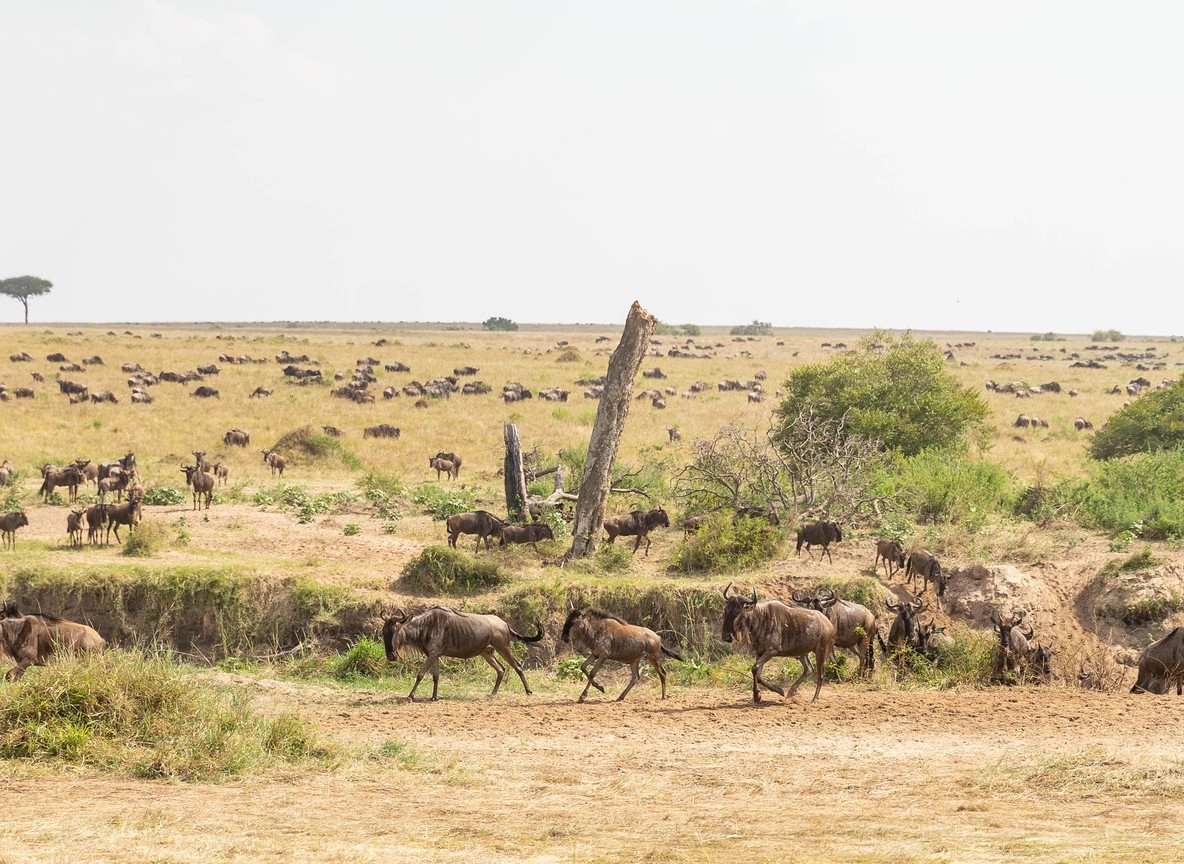
The Serengeti-Mara supports one of the densest concentrations of grazing animals on Earth, roughly 1.3 million wildebeest moving through a shared 40,000 km2 landscape. That density is exactly what makes disease spread fast and hard to contain. Herds funnel through narrow crossing points, mix with resident buffalo and topi, and pass close to community cattle grazing near reserve boundaries. A pathogen that starts in one corner of the ecosystem does not need a passport to reach the other. It needs a few weeks of normal herd movement. Historically, Kenya and Tanzania tracked animal health on separate systems, so a disease signal detected on one side did not automatically reach vets on the other until it had already spread.
The Diseases Actually on the Watch List
Wildlife veterinarians in this ecosystem are not starting from zero. Several diseases have shaped management here for decades, and the new framework builds shared surveillance around known risks rather than hypothetical ones.
- Malignant Catarrhal Fever (MCF): Wildebeest calves carry the virus without symptoms and shed it heavily during the January-March calving season. Cattle grazing near calving grounds can contract a fatal form of MCF, which is why Maasai and Kuria herders have long timed grazing patterns around wildebeest calving.
- Foot-and-Mouth Disease (FMD): African buffalo are a persistent natural reservoir. Outbreaks in cattle near reserve boundaries trigger export bans and movement restrictions on both sides of the border.
- Anthrax: Recurring, naturally occurring outbreaks affect wildebeest, buffalo, and hippo, usually detected through carcass surveillance after die-offs.
- Rinderpest: Eradicated worldwide in 2011, the second disease ever eliminated after smallpox. The Serengeti-Mara ecosystem was central to that fight; the last confirmed wild case traced to a buffalo in Kenya’s Meru area in 2001. It remains the reference case for what coordinated cross-border surveillance can achieve.
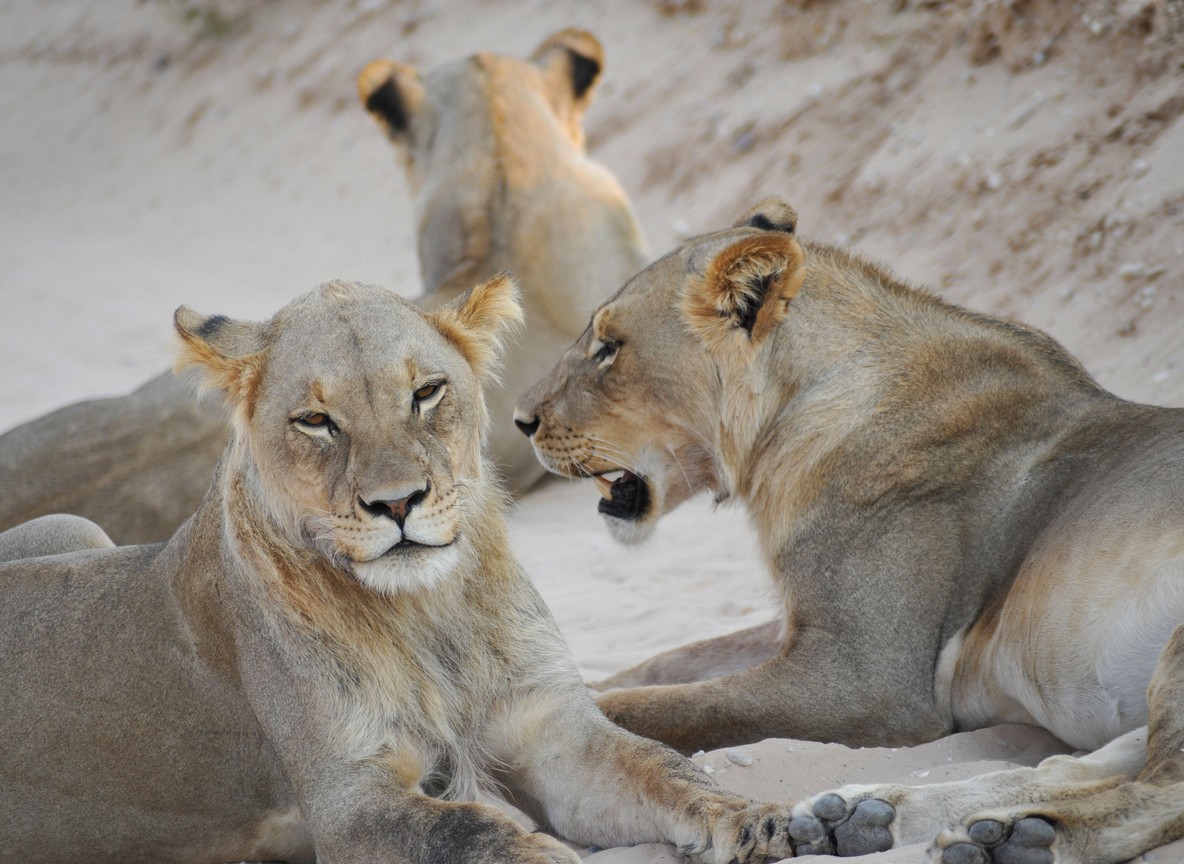
- Canine Distemper Virus (CDV): A 1994 outbreak killed roughly a third of the Serengeti’s lion population, close to 1,000 animals, after the virus jumped from domestic and wild dogs. It is now a standard target for predator health monitoring across the ecosystem.
What the New Monitoring System Adds
The Framework of Collaboration sets up a Joint Implementation Committee with a dedicated technical working group for wildlife health. Instead of WRTI and TAWIRI running parallel carcass surveys, sample collection, and lab testing, the two institutes commit to shared protocols and a common reporting channel. In practice that means a disease signal picked up near Kogatende on the Serengeti side reaches Kenyan counterparts in the Mara within the same reporting cycle, not months later through informal contact. Both institutes also commit to joint outbreak-response planning, so a confirmed anthrax or FMD event triggers a coordinated response rather than two separate, uncoordinated ones. The framework does not create new veterinary infrastructure on its own. It standardizes how existing WRTI and TAWIRI teams share what they already collect.
Serengeti-Mara Disease Monitoring: The Numbers
The table below lays out the geography and scale behind the new surveillance system, using figures travelers and researchers actually reference when planning around this ecosystem.
| Detail | Figure |
|---|---|
| Ecosystem size | approx. 40,000 km2 (Masai Mara 1,510 km2 + Mara Triangle approx. 510 km2; Serengeti approx. 14,750 km2) |
| WRTI headquarters | Naivasha, Kenya (approx. 90 km / 1.5 hr drive from Nairobi) |
| TAWIRI headquarters | Arusha, Tanzania |
| Main road border crossing | Sirari-Isebania |
| Key in-ecosystem monitoring points | Kogatende and Bologonja (Serengeti side); Sekenani and Oloololo gates (Mara side) |
| Wildebeest population (approx.) | 1.3 million, per long-running WRTI/TAWIRI joint census counts |
| MCF risk window | January-March (peak wildebeest calving) |
| 1994 CDV lion die-off | approx. 1,000 lions, roughly a third of the Serengeti population |
| Rinderpest status | Eradicated globally 2011; last confirmed wild case, Meru, Kenya, 2001 |
Figures above draw on published WRTI, TAWIRI, and historical outbreak records; treat calving-season and population figures as seasonal approximations that shift year to year with rainfall.
What This Means If You’re Booking a Migration Safari
None of this changes your visa, park fees, or entry procedure today. What it changes is how fast a health issue gets confirmed and communicated if one comes up during your travel window. Camps in the Mara Triangle and along the Serengeti’s northern circuit already build contingency into their planning around known MCF and FMD seasons, adjusting game drive routes away from active calving grounds when herders report cattle illness nearby. A shared surveillance system should shorten the gap between “something is off with this herd” and an official confirmation, which is the window where misinformation usually spreads fastest among travelers checking news before a trip. If you are planning a combined Kenya-Tanzania migration safari, ask your operator whether they track WRTI or TAWIRI health advisories directly, since that is now a legitimate, answerable question rather than a guess.
How Rangers and Vets Actually Track an Outbreak
Field disease surveillance in this ecosystem still starts with people on the ground. Rangers and researchers log unusual carcasses, sick animals, or unexplained die-offs during routine patrols, then flag them to veterinary teams for sample collection. Samples travel to laboratories in Nairobi or Arusha for confirmation, a process that historically took longer when Kenyan and Tanzanian labs did not share standardized testing protocols. Aerial census flights, run periodically by WRTI and TAWIRI over both sides of the ecosystem, add another layer, spotting die-offs or unusual herd behavior from above. Community reporting matters too. Maasai and Kuria herders living along reserve boundaries are often the first to notice cattle illness linked to wildlife contact, and their reports have long fed into local veterinary response even before this framework formalized the process.
Explorer Notes
Guides who work the migration season closely watch calving camps in January and February, since that is when MCF risk peaks and when herders start moving cattle away from wildebeest concentrations near the Mara’s southern boundary. If you are visiting during calving season, do not be surprised if your guide reroutes a game drive away from a dense calving aggregation. It is a routine precaution, not a sign anything is wrong. Ask your camp directly if you want to know what health monitoring looks like in practice. Several research-affiliated camps near Kogatende and in the Mara Triangle host visiting WRTI or TAWIRI field teams during peak season and can sometimes arrange a short conversation with a field vet, a genuinely rare and worthwhile add-on for travelers who want more than a game drive.
What to Read Next
- Kenya and Tanzania Sign New Pact to Protect the Serengeti-Mara Migration
- Best Time to See the Mara River Crossings
- Masai Mara vs Serengeti: Which Side of the Migration to Choose
FAQ
What diseases does the Kenya-Tanzania wildlife monitoring pact track? Priority diseases include Malignant Catarrhal Fever, foot-and-mouth disease, and anthrax, alongside general carcass and outbreak surveillance across wildebeest, buffalo, and predator populations.
Does wildlife disease in the Mara or Serengeti put travelers at risk? The diseases under surveillance, such as MCF and FMD, primarily affect livestock and wildlife rather than humans. Camps route drives away from active outbreak areas as a standard precaution.
What was the Serengeti’s 1994 canine distemper outbreak? A distemper outbreak spread from domestic dogs to Serengeti’s lions in 1994, killing roughly 1,000 animals, close to a third of the population. It remains a reference case for predator disease monitoring in the ecosystem.
Is rinderpest still a threat to wildebeest? No. Rinderpest was declared eradicated worldwide in 2011, with the last confirmed wild case traced to Kenya’s Meru area in 2001. It remains a benchmark for what coordinated surveillance can achieve.
Will this pact change my safari itinerary? Not directly. Entry procedures and park fees stay the same. The practical effect is faster, better-coordinated information if a disease event does occur during your travel window.
A shared surveillance system will not stop an outbreak from happening, but it should catch one faster than two separate agencies working alone ever could. If you are weighing a Mara-only trip against a combined Kenya-Tanzania migration route, check the Tour Packages page for current options that account for seasonal health advisories on both sides of the border.