Selenkay Conservancy, a 15,000-acre block of land bordering Amboseli National Park, picked up two ATTA for Action Awards on 22 June 2026 at Experience Africa in London. Judges named Gamewatchers Safaris, the operator behind Selenkay, winner of both the Earthkeepers Award and the Eco-Innovation Award in the same cycle. No operator had claimed both categories in one year before this.
That result matters beyond the trophy case for one reason: Selenkay is not in the Maasai Mara. Most of Kenya’s conservancy success stories, and most of the award attention that follows them, cluster around the Mara ecosystem. Selenkay sits roughly 240 km south of Nairobi near Amboseli, a different landscape entirely, with Kilimanjaro on the skyline instead of open Mara grassland. This guide covers what the double win actually recognizes, what Selenkay offers travelers who want to skip the Mara crowds, and the real numbers behind a trip there.
What Selenkay Conservancy Just Won
The ATTA for Action Awards score African tourism operators on measurable conservation and community outcomes, not brand messaging. Gamewatchers Safaris entered 2026 with Selenkay as its flagship conservation story and left London with two wins.
The Earthkeepers Award judges praised the “three-decade land-lease relationship with Maasai landowners that never lapsed, even through low tourism years.” The Eco-Innovation Award recognized water and waste systems at Porini Amboseli Camp, the single tented camp inside the conservancy, which runs on solar power and treats greywater on site. Together the two awards mark the first double-category win by a single Kenyan operator in the program’s history.
Why an Off-Mara Conservancy Winning Matters
Ask most travelers to name a Kenyan conservancy and they will say Ol Kinyei, Naboisho, or Olare Motorogi, all Mara-adjacent. That is not an accident. The Mara conservancy movement is bigger, better funded, and better marketed than anything in the Amboseli ecosystem.
Selenkay predates most of those Mara conservancies by years. Gamewatchers set it up in 1997, almost a decade before the Mara conservancy boom started in 2005. It has run continuously since, through years when Amboseli tourism numbers dipped and conservancy income mattered more than ever to the Maasai families holding the lease. A conservancy that keeps its land-use agreement intact for three decades, in a less-visited ecosystem with thinner margins, is arguably a harder achievement than a newer, higher-traffic Mara block. The award judges said as much in their citation.
Amboseli’s tourism numbers also tell a different story than the Mara’s. The Mara ecosystem draws the bulk of Kenya’s safari visitors every year, concentrated around the wildebeest migration season from July through October. Amboseli draws steady, year-round visitor numbers built mostly around its elephant herds and Kilimanjaro views, without a single peak season pulling in the same crowd spikes. That steadier pattern means Selenkay’s lease income has never depended on one migration window landing well. Landowners get a fixed monthly payment either way. The conservancy’s wildlife numbers have also stayed consistent, based on records Gamewatchers shares with Kenya Wildlife Service each year.
Inside Selenkay: The Numbers Behind the Award
Here is what the conservancy actually looks like on the ground, not in award-speak.
| Detail | Figure |
|---|---|
| Size | ~15,000 acres (~61 km²) |
| Established | 1997 |
| Location | Kajiado County, bordering Amboseli National Park |
| Resident camp | Porini Amboseli Camp (9 tents) |
| Bed density | Roughly one bed per 830 acres |
| Landowners on lease | Maasai families of the Eselenkei group ranch |
| Activities allowed | Walking safaris, night game drives, off-road tracking |
That bed density figure is the number worth remembering. Amboseli National Park itself, at 392 km², carries far more vehicle traffic per sighting than Selenkay does, because the park has no bed cap and Selenkay does.
How Selenkay Compares to Mara-Based Award Winners
Selenkay is smaller and less visited than most award-recognized Mara conservancies. That is the trade-off travelers should understand before choosing between them.
| Conservancy | Ecosystem | Size | Established | Nairobi Road Distance |
|---|---|---|---|---|
| Selenkay | Amboseli area | ~15,000 acres (~61 km²) | 1997 | ~240 km |
| Ol Kinyei | Maasai Mara | ~18,700 acres (~76 km²) | 2005 | ~270 km |
| Olare Motorogi | Maasai Mara | ~33,000 acres (~133 km²) | 2006 | ~270 km |
| Naboisho | Maasai Mara | ~50,000 acres (~202 km²) | 2010 | ~275 km |
Mara conservancies generally offer denser predator sightings and more camp choice. Selenkay offers Kilimanjaro views, large elephant herds moving between Amboseli and the conservancy, and far fewer vehicles at any given sighting, since only one camp operates inside its boundary.
Getting to Selenkay: Distances, Flights, and Fees
Selenkay sits close enough to Amboseli that most trips combine the two. Here is what the logistics actually look like.
| Detail | Figure |
|---|---|
| Nairobi to Selenkay by road | ~240 km, about 4-4.5 hours |
| Nairobi (Wilson Airport) to Amboseli airstrip by air | ~35-40 minutes |
| Amboseli airstrip to Selenkay Conservancy by road transfer | ~30-45 minutes |
| Selenkay conservation fee (per person/night) | Indicative $60-80 |
| Amboseli National Park entry fee (per adult/day, non-resident) | Indicative $60-80 |
Fees above are indicative ranges only. Confirm current rates directly with your operator, since conservancy and park fees are reviewed independently and change without a shared schedule.
What a Double Sustainability Win Signals for Travelers
An award does not change what is in your itinerary, but it should change how you compare two similar-sounding trips. A conservancy that has held its lease structure together since 1997, through droughts and slow tourism years, has already proven its model works when nobody is watching. That is different from a newer conservancy still building its track record.
Want fewer vehicles and a genuine off-the-radar feel? Selenkay’s single-camp setup delivers that more reliably than a Mara conservancy sharing land with three or four camps. Want predator density and photography variety instead? The larger, more established Mara conservancies still have the edge. Touring Insights generally recommends pairing a Selenkay stay with two or three nights in Amboseli itself. That combination gives you both the quiet conservancy experience and the park’s open plains and Kilimanjaro backdrop.
Budgeting for the two stops separately also helps. A Selenkay night runs close to a mid-range Amboseli lodge rate once the conservation fee is added. Availability is far tighter, though, since Porini Amboseli Camp only has nine tents. Book Selenkay nights first if your travel dates are fixed. Then build Amboseli lodge nights around them, since park-side lodges carry far more room inventory.
Explorer Notes
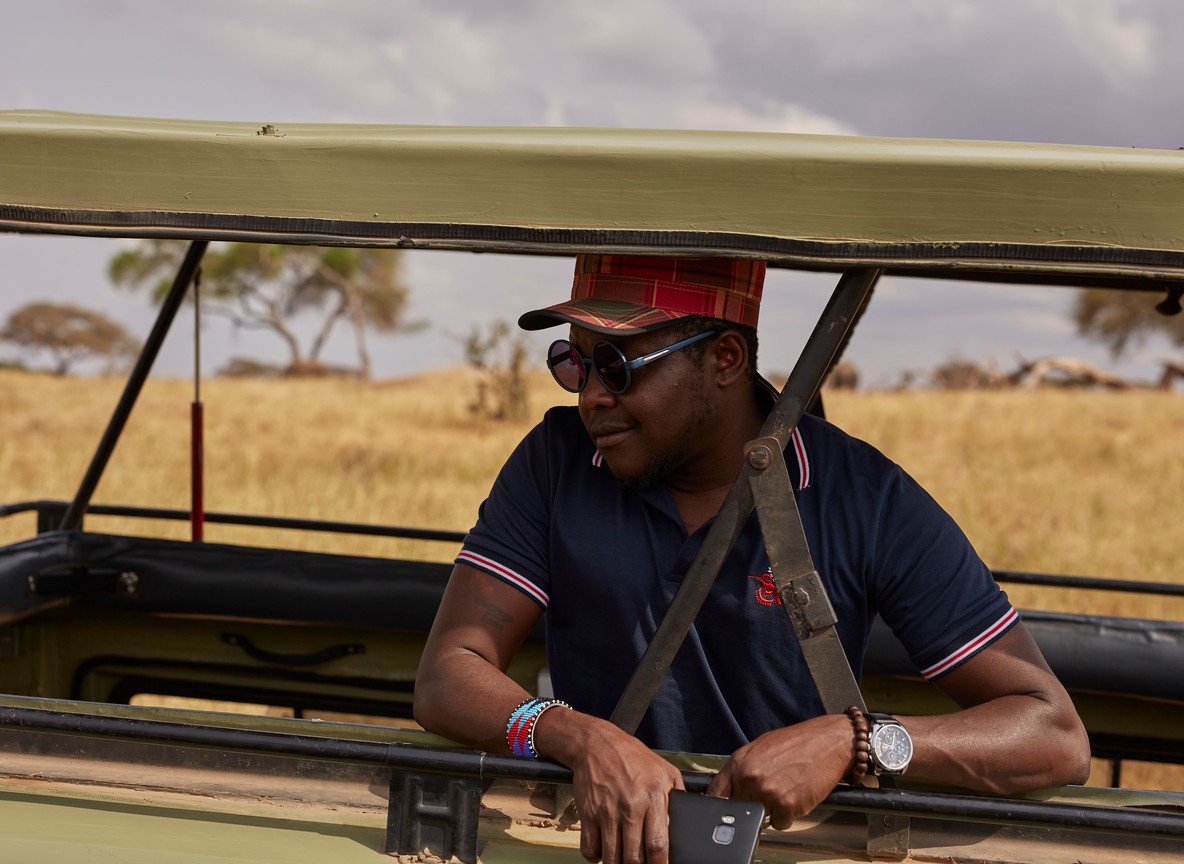
A few details worth knowing before booking a Selenkay stay. Night game drives and walking safaris run inside the conservancy but not inside Amboseli National Park itself, since park rules restrict both activities to daylight, vehicle-based viewing. Pack for dust and heat even more than for a Mara trip. Selenkay’s terrain is drier scrubland, and dry-season winds kick up fine volcanic dust across the Amboseli basin.
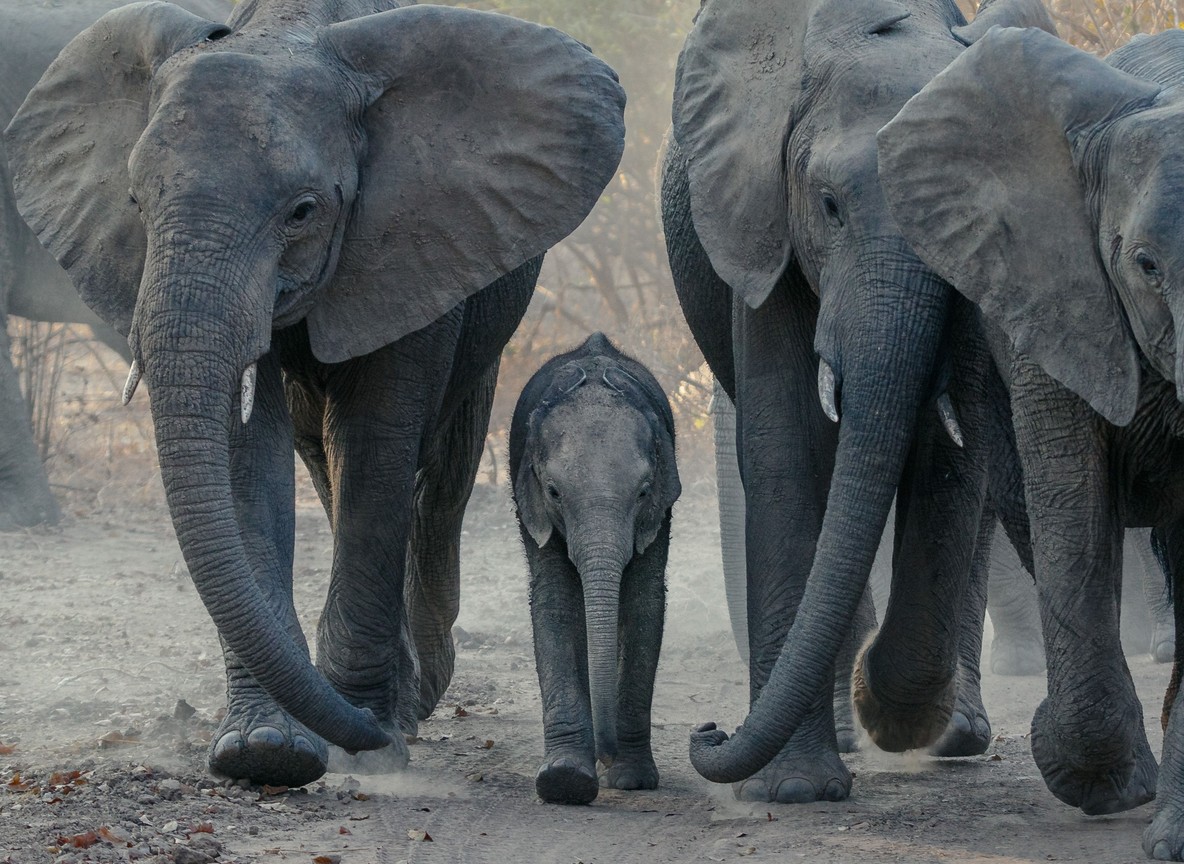
Elephant sightings here are a different experience than in the park. Herds move between Amboseli’s swamps and the conservancy’s woodland daily, and guides at Porini Amboseli Camp track specific family groups by name, not just species counts. Ask your guide about the resident bull elephants before you arrive. Several are individually known and monitored, and a guide who can point one out by name is a good sign of how closely this conservancy is actually managed.
Frequently Asked Questions
What awards did Selenkay Conservancy win in 2026? The ATTA Earthkeepers Award and the ATTA Eco-Innovation Award, both announced 22 June 2026 at Experience Africa in London, awarded to operator Gamewatchers Safaris for its work at Selenkay.
Where is Selenkay Conservancy located? In Kajiado County, bordering Amboseli National Park, about 240 km south of Nairobi by road.
How big is Selenkay Conservancy? Approximately 15,000 acres, or about 61 km², established in 1997.
Is Selenkay Conservancy part of the Maasai Mara? No. Selenkay sits in the Amboseli ecosystem, a separate landscape from the Mara conservancies most travelers know, such as Ol Kinyei or Naboisho.
Can I do a walking safari at Selenkay? Yes. Walking safaris and night game drives run inside the conservancy. Amboseli National Park itself does not permit either activity.
Weighing a quiet Amboseli-area conservancy against a bigger Mara block for your next trip? Visit our Tour Packages page to compare off-Mara and Mara conservancy options side by side, or check directly with a partner operator for current availability and fees.
What to Read Next
- Curious how Selenkay’s model compares to the bigger Mara conservancy network? See our Gamewatchers and Porini conservation award guide.
- Planning an Amboseli trip around the park itself? Check our Amboseli National Park planning guide.
- Weighing a conservancy stay against a national park lodge anywhere in Kenya? Read our community conservancy vs national reserve safari guide.
Further reading
More safari planning resources
- Map of Amboseli from Valley Safaris
- Amboseli National Park guide on Touring Insights
- Amboseli destination guide on FindMySafari
- Kenya national parks map from Valley Safaris
Related guides: Uganda Moved 12 Rare Nubian Giraffes Out of an Oil Drilling Zone. Here’s the Full Story.