Most safari itineraries never mention Ruma National Park. That is exactly why it still holds something no other park in Kenya can offer: the country’s only wild roan antelope. Tucked into the Lambwe River Valley near Homa Bay, this 120 km2 park sits far from Kenya’s standard northern safari circuit. Touring Insights breaks down what Ruma protects, how to reach it, and what it costs. Conservationists consider it one of the most important small parks in East Africa.
What Makes Ruma Kenya’s Last Refuge for the Roan Antelope
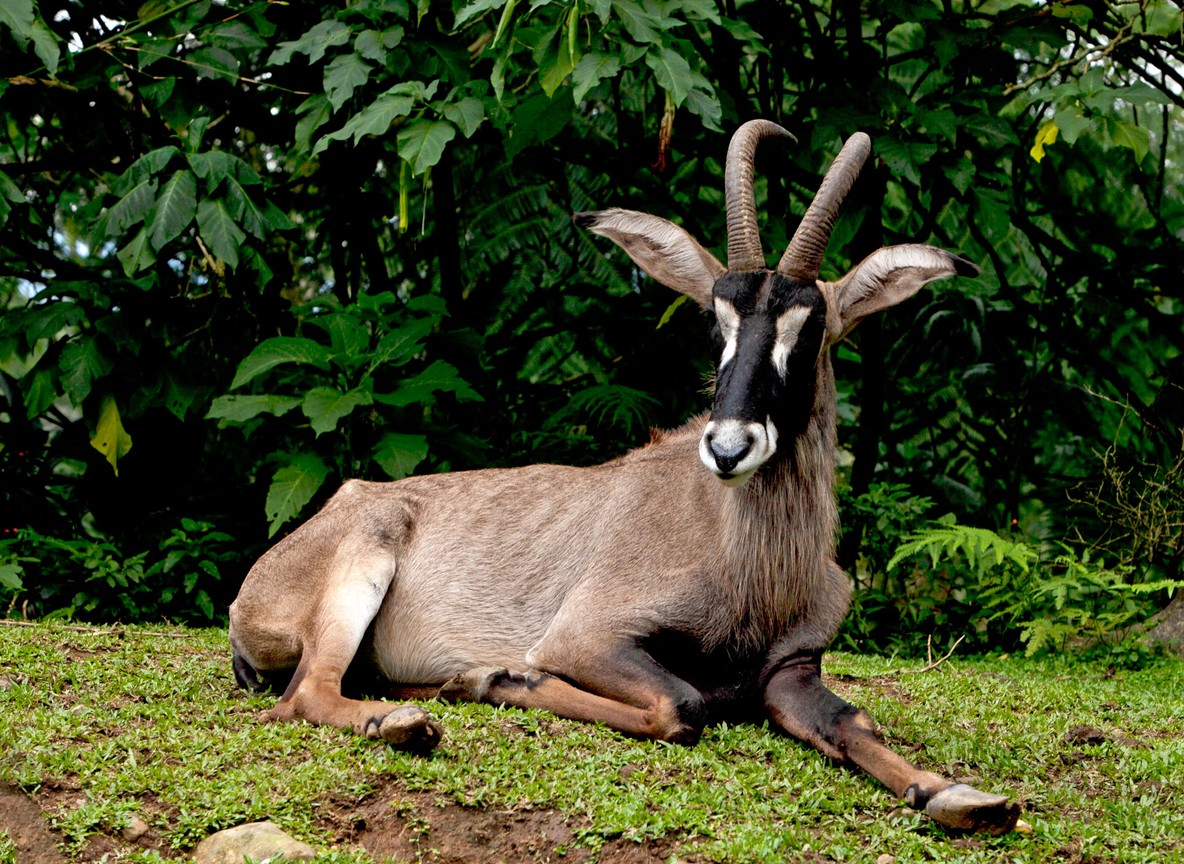
Roan antelope once ranged across several pockets of western Kenya. Habitat loss, disease, and competition for grazing land pushed the species out of every location except Lambwe Valley. Ruma now holds the only indigenous roan antelope population left in the country.
The numbers tell a hard story. Surveys recorded more than 200 roan antelope here in the late 1970s. By 2009 that count had fallen to around 37 animals. Population estimates still vary by source and survey year, but most recent conservation reports put the current herd below 40 individuals. Kenya Wildlife Service and partner researchers run an active recovery plan for the species. Ruma remains the only place that plan can work, because no other population exists to fall back on.
Where Ruma National Park Is and How to Get There
Ruma sits in Homa Bay County, on the eastern shore of the Lake Victoria basin. The Kanyamwa Escarpment rises along its southeastern edge, and the volcanic Ruri Hills mark its northern boundary. Nairobi lies roughly 425 km east by road, well off the routes most safari operators run daily.
Two gates serve visitors. Kamato Main Gate is the primary entrance, reached via Rodi Kopany and Mirogi from Homa Bay town. Nyatoto Gate offers a secondary route on the park’s other side. The final stretch into the park is unpaved, and a 4×4 vehicle is strongly recommended, especially after rain.
| Route | Distance | Approx. travel time |
|---|---|---|
| Nairobi to Ruma (via Nakuru, Kisumu, Homa Bay) | approx. 425 km | 7-8 hours by road |
| Kisumu to Ruma (via Kendu Bay, Homa Bay) | approx. 140 km | approx. 2.5 hours |
| Homa Bay town to Kamato Main Gate | approx. 42 km | approx. 1 hour |
| Kamato Main Gate to Oribi Guest House | approx. 1 km | 5-10 minutes |
| Last stretch from Kamato Gate approach road | approx. 8 km unpaved | 4×4 recommended, slower in rain |
Ruma vs Shimba Hills: Comparing Kenya’s Rare-Antelope Parks
Ruma is not the only Kenyan park built around one endangered antelope species. Shimba Hills National Reserve, near the coast, protects the country’s only sable antelope population. The two parks make a useful comparison for travelers weighing a detour to see a species they cannot find anywhere else.
| Feature | Ruma National Park | Shimba Hills National Reserve |
|---|---|---|
| Signature species | Roan antelope (Kenya’s only population) | Sable antelope (Kenya’s only population) |
| Estimated population | Fewer than 40 roan antelope | Approx. 100 sable antelope |
| Park size | approx. 120 km2 | approx. 192.5 km2 |
| Nearest large town | Homa Bay (approx. 42 km) | Mombasa (approx. 30 km) |
| Distance from Nairobi | approx. 425 km | approx. 500+ km |
| Terrain | Valley floor, escarpment, savannah | Coastal rainforest and grassland |
| Non-resident entry fee (adult, indicative) | approx. $22/day | approx. $50/day |
Fees change and should be confirmed on the KWS booking portal before travel. Both parks reward visitors who plan a specific detour rather than expecting a stop on a standard mainstream circuit.
Wildlife Beyond the Roan Antelope
Roan antelope draw the headlines, but Ruma protects a wider community of species. Jackson’s hartebeest, the animal the original 1909 sanctuary was also set aside to protect, still roam the valley floor alongside buffalo, zebra, oribi, reedbuck, and impala.
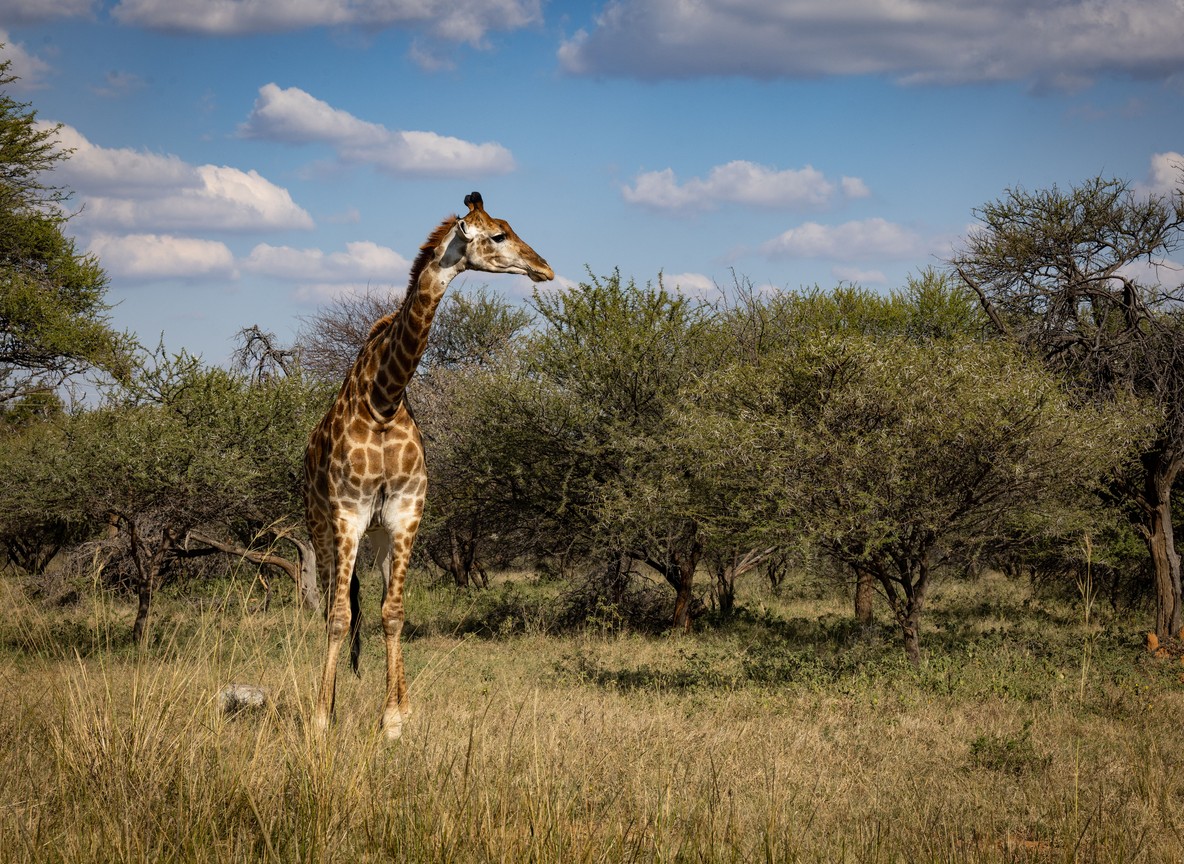
Rothschild’s giraffe, one of the most endangered giraffe subspecies in Africa, were reintroduced to Ruma starting in 2002. The population has since established itself among the park’s acacia woodland. Leopard and spotted hyena round out the predator community, though sightings are far less frequent than in the bigger Rift Valley parks.
Birders have a stronger reason to visit than most safari-goers realize. Ruma hosts more than 400 recorded bird species, including the globally threatened blue swallow. This intra-African migrant breeds in the highlands of southern Africa. It moves north for the non-breeding season, and grassland habitat like Ruma’s makes the park a genuine stop on serious East African birding routes.
Entrance Fees and Practical Costs
KWS manages Ruma and prices it in line with other small national parks. Payment runs through the KWS eCitizen portal ahead of arrival rather than cash at the gate for most visitor categories.
| Fee category | Indicative cost |
|---|---|
| Non-resident adult, per day | approx. $22 |
| Non-resident child, per day | approx. $15 |
| Citizen/resident adult, per day | approx. KES 300 |
| Citizen/resident child, per day | approx. KES 125 |
| Camping, citizen/resident | approx. KES 500 |
| Camping, non-resident | approx. $30 |
| Special campsite reservation fee (per week, non-refundable) | approx. KES 7,500 |
Rates shift periodically, so confirm current figures on the KWS site or through kwspay.ecitizen.go.ke before you travel. Treat every figure above as a planning range, not a locked-in quote.
Where to Stay Inside and Near Ruma
Accommodation options inside the park are limited by design, which is part of what keeps Ruma quiet. Oribi Guest House, a KWS-run self-catering property near Nyati Camp, sleeps up to ten guests and sits about a kilometer from Kamato Main Gate. It suits groups and families who want to base themselves inside the park boundary.
Public and special campsites offer a cheaper option for travelers with their own gear. Special campsite bookings are exclusive for the reservation period, useful for groups wanting privacy away from the shared public site. Homa Bay town, roughly an hour’s drive away, has a wider range of guesthouses and hotels for travelers who prefer a base outside the park.
Explorer Notes
Ruma rewards patience more than any park on the main safari circuit. Roan antelope are shy and spend a lot of time in taller grass along the valley floor. An early morning drive out of Kamato Gate gives the best odds, before the day heats up and the herd moves into cover. Guides who know the park well tend to check the grassland near the escarpment base first, since the roan favor that mix of open ground and quick cover.
Bring binoculars even if birding is not the plan. The blue swallow season and the general birdlife here reward a slow drive more than a fast one. Because visitor numbers stay low, a single ranger-guided game drive can feel closer to a private outing than anything available in the busier parks further north. Fuel up in Homa Bay before heading in. There is no fuel station at either gate, and phone signal inside the park is patchy at best.
What to Read Next
- Chasing species you will not find anywhere else? See Beyond the Big Five: Rare Wildlife Encounters You’ll Actually Remember.
- Want more birding stops on your route? Check our birding in Kenya safari guide.
- Building a western Kenya route? Read our Kisumu and Lake Victoria travel guide.
FAQ
Why is Ruma National Park called the last refuge for the roan antelope? Ruma holds the only indigenous population of roan antelope left in Kenya. The species disappeared from every other part of the country as habitat shrank, leaving Lambwe Valley as its final stronghold.
How many roan antelope are left in Ruma National Park? Counts vary by source and survey year. Numbers fell from more than 200 in the late 1970s to about 37 by 2009, and most recent reports put the population below 40 today.
How do I get to Ruma National Park from Nairobi? The most common route runs Nairobi to Nakuru to Kisumu to Homa Bay, a drive of approximately 425 km that takes 7 to 8 hours. Most visitors enter through Kamato Main Gate.
Do I need a 4×4 to visit Ruma National Park? Yes, a 4×4 is strongly recommended. The approach road from Kamato Gate is unpaved for its final stretch and gets difficult after rain.
What else can I see at Ruma besides roan antelope? Jackson’s hartebeest, Rothschild’s giraffe, buffalo, zebra, oribi, and more than 400 recorded bird species, including the globally threatened blue swallow.
Ruma is not a park you add to a packed multi-park itinerary as an afterthought. It is a deliberate detour for travelers who want to see a species found nowhere else in Kenya. If a western Kenya route interests you, visit our Tour Packages page to compare operators running trips through Homa Bay and the Lake Victoria basin. Or ask a partner operator whether they can build Ruma into a wider western circuit.