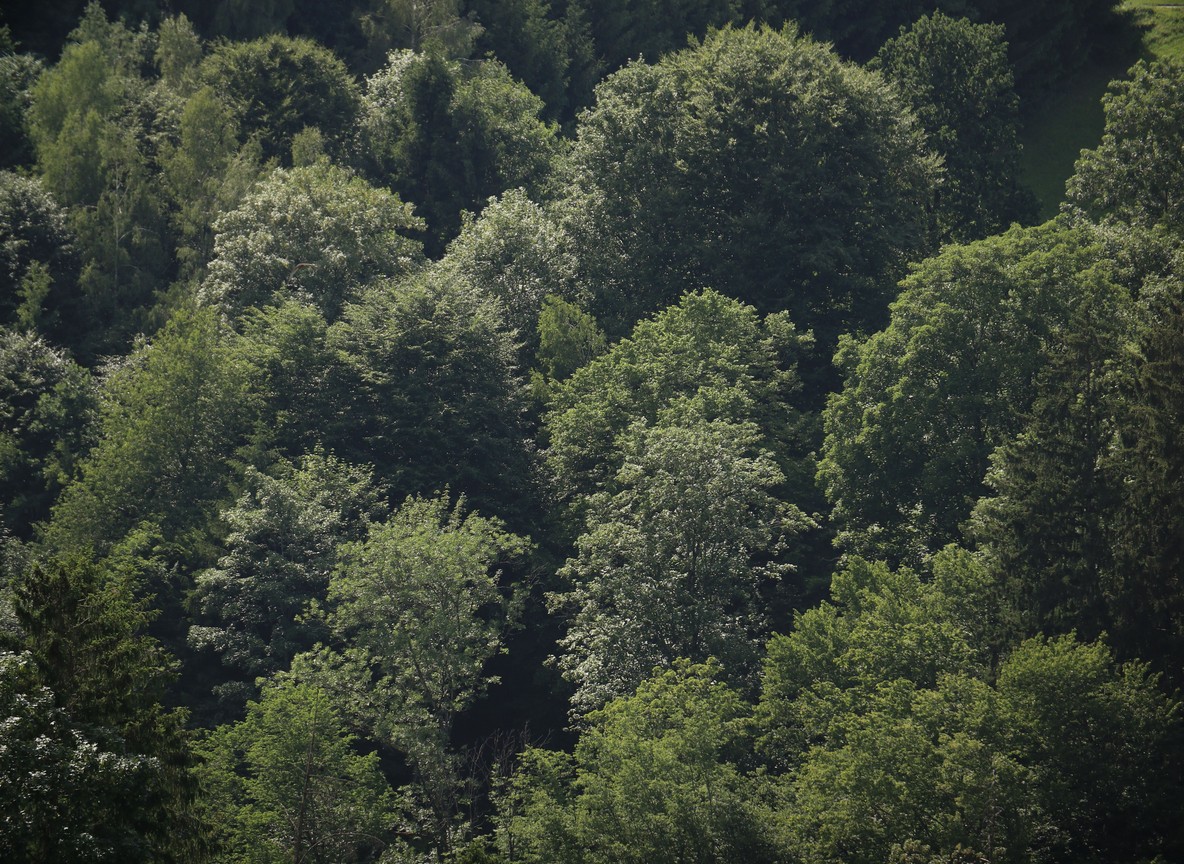
Most Masai Mara itineraries never leave the reserve boundary, let alone climb into the hills 50km to the east. That is where Loita Forest sits, a stretch of indigenous woodland the Maasai who own it call Naimina Enkiyio, the Forest of the Lost Child. It has no lodges inside it, no game drive circuit, and no marketing budget. It also has one of the last community-managed indigenous forests left in East Africa, still standing because the Il-Loita Maasai have refused to let it go. Touring Insights lays out what the forest actually is, why safari operators skip it, and how a traveler can visit on the community’s terms.
What Is Loita Forest (Naimina Enkiyio)?
Loita Forest covers roughly 330 km2 of highland forest in the Loita Hills, part of Narok County, southeast of the Maasai Mara National Reserve. Local Maasai call it Naimina Enkiyio, a name tied to an oral story about a lost child, and the forest carries deep ritual significance for the Il-Loita section of the Maasai, who use it for ceremonies, grazing reserves in dry years, and traditional medicine plants.
Unlike the Mara, which is a gazetted reserve managed by county government and a conservancy trust, Loita Forest sits on Maasai trust land. There is no park authority, no entrance gate, and no conservation fee collected by a government body. The forest survives because the community that owns it has organized, repeatedly, to keep it that way.
Why Most Mara Safaris Never Mention It
Safari operators build itineraries around game drives, and Loita Forest does not offer that. The terrain is hilly and forested rather than open savanna, road access is rough, and there is no established camp network inside the forest itself. A handful of community-run cultural and walking experiences exist around Entasekera and other Loita settlements, but they require advance arrangement through the community rather than a standard booking platform.
That gap in the standard product is exactly why the forest stays off most itineraries, even though it borders the same ecosystem that feeds the Mara’s rivers and wildlife corridors. Operators sell what is easy to package. A sacred forest with no fixed lodge and a community-led access process is harder to sell than a fixed circuit with fenced camps and daily drives.
The Maasai Guardianship System
Loita Forest is one of the clearest examples in Kenya of indigenous land management working without a state conservation agency running it. The Il-Loita Maasai have historically restricted logging, farming, and outside development inside the forest through customary rules enforced by elders and community structures, not by rangers or fences.
That system was tested directly in the 1990s, when a proposed eco-tourism development inside the forest triggered years of resistance and legal action from the community, who argued the land and its management belonged to them. The dispute became one of Kenya’s most cited land rights cases involving indigenous forest, and the forest remained under community control. Conservation groups that have since worked with the Il-Loita, including reporting tied to a 2026 funding push for forest protection, frame Loita as a model for community-led conservation rather than a government reserve model.
Wildlife and Why the Forest Matters to the Wider Mara Ecosystem
Loita Forest functions as a highland water catchment, feeding streams that flow toward the Mara ecosystem’s wider drainage network. Conservation reporting on the forest has estimated a resident elephant population in the low hundreds, along with buffalo, forest antelope such as bushbuck, and a range of forest birds that do not occur in the open grassland of the Mara reserve itself. Because the forest is contiguous with rangeland used by wildlife moving between the Mara and Loita Hills, it acts as an unofficial extension of habitat for animals that need forest cover, not just open plains.
That ecological role rarely gets mentioned in Mara marketing, but it matters for anyone thinking about the Mara as a single system rather than a fenced park. Rivers, elephant corridors, and rainfall patterns in the Loita Hills influence conditions inside the reserve itself.
Threats: Land Subdivision and Outside Pressure
The same customary system that has protected Loita Forest for generations is under growing strain. Land subdivision, the conversion of communally held Maasai trust land into individually titled parcels, has been advancing across Narok County for years, and pressure to subdivide forest-adjacent land has increased alongside population growth and demand for cultivation and grazing plots. Once land is subdivided and titled to individuals, community-wide restrictions on logging or clearing become far harder to enforce, since decisions shift from elders managing shared land to individual owners managing their own parcel.
Conservation organizations working with the Il-Loita community have prioritized funding legal and land-use support intended to keep the forest under collective management rather than see it fragmented plot by plot. The core tension is straightforward: a forest that survived for generations under customary rules now has to survive modern land law, and that is a harder fight.
Loita Forest vs the Maasai Mara: How They Compare
| Factor | Loita Forest (Naimina Enkiyio) | Maasai Mara National Reserve |
|---|---|---|
| Approximate size | ~330 km2 | ~1,510 km2 (reserve plus Mara Triangle) |
| Land status | Maasai community trust land | Government-gazetted reserve |
| Management | Il-Loita Maasai customary governance | Narok County / Mara Conservancy |
| Entrance fee | None; community access arrangements only | Indicative $70-100 per adult, per day |
| Terrain | Highland indigenous forest | Open savanna and riverine grassland |
| Typical visitor activity | Community-guided cultural walks | Game drives, balloon safaris |
| Lodging inside the area | None; homestay or camping via community only | Wide range of tented camps and lodges |
| Wildlife focus | Forest elephants, buffalo, forest birds | Big cats, migration herds, plains game |
Getting There: Distances, Access, and What to Budget
| Route or detail | Figure |
|---|---|
| Nairobi to Narok town (A104) | About 140 km, roughly 2.5-3 hours by road |
| Narok town to Loita Hills (Entasekera area) | About 90-100 km on rough, partly unpaved road, 3-4 hours |
| Loita Hills to Maasai Mara reserve boundary | Roughly 50 km overland, no direct paved route |
| Nearest Mara airstrips (Keekorok, Ol Kiombo) | Reachable by road from Loita in 3-4 hours; no scheduled flights serve Loita directly |
| Community access arrangement | No fixed fee; indicative donation or guiding fee arranged directly with Il-Loita community hosts |
| Recommended vehicle | 4×4 essential; roads are unpaved and can be difficult after rain |
Fees, road conditions, and community contact arrangements change without notice, since there is no central booking office. Confirm current access details through a partner operator or a Narok-based guide before planning a route into the hills.
How to Visit Responsibly
There is no ticket booth for Loita Forest, and that is intentional. Any visit needs to run through the Il-Loita community rather than around it. In practice that means arranging a guide and access through a Narok-based tour operator with existing community relationships, agreeing on a fee or contribution directly with community hosts rather than assuming a standard rate, and treating any forest entry as a cultural visit led by Maasai guides, not a self-drive excursion.
Photography of sacred sites, ceremonies, or individuals should only happen with clear permission. The forest is not a backdrop; it is functioning trust land that the community has fought for decades to keep intact.
Explorer Notes
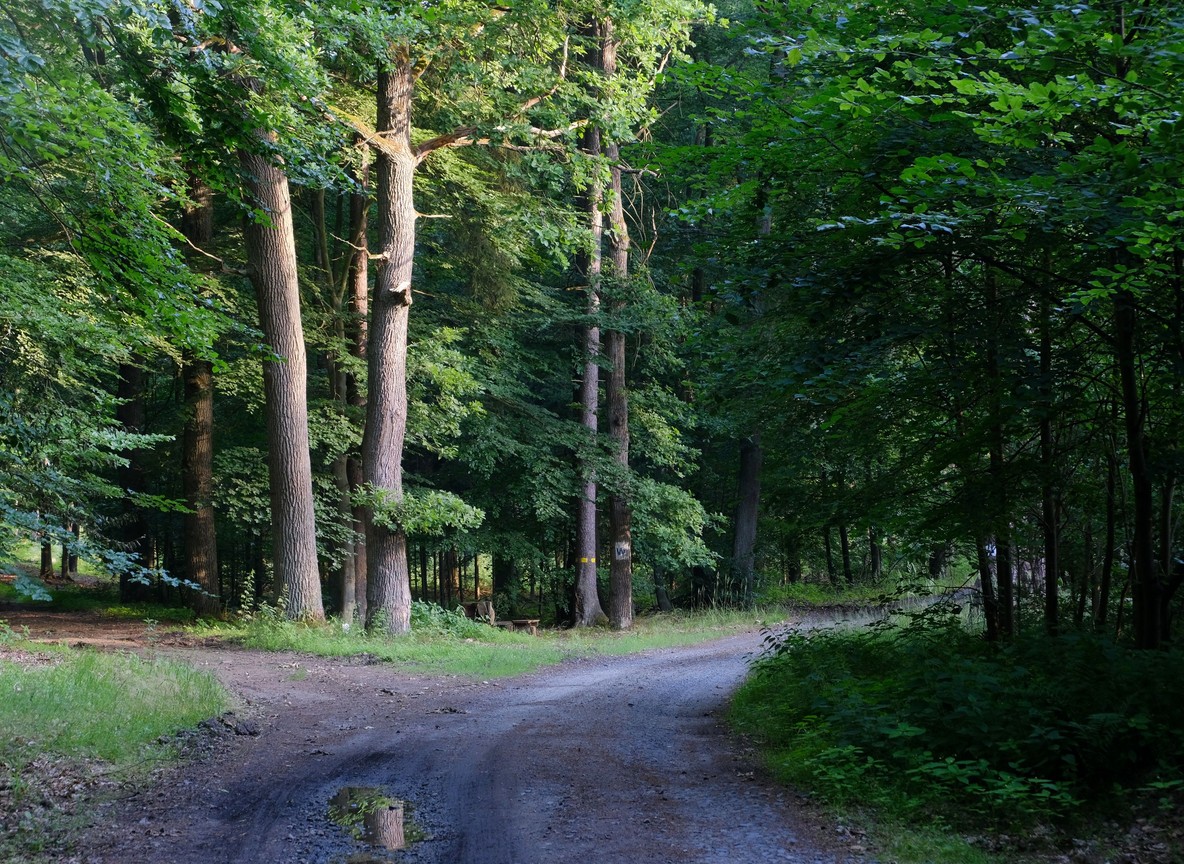
Guides who work between Narok and the Loita Hills say the biggest planning mistake visitors make is treating this like an add-on stop on a Mara circuit. It is not. The road from Narok climbs and roughens fast, and a same-day return trip from a Mara camp is unrealistic once you account for the hills. Budget it as its own half-day to full-day cultural visit, ideally arranged before you land in Kenya rather than negotiated on arrival. Bring cash in small denominations for any community fee, since there is no card payment infrastructure in the hills, and pack for cooler, wetter conditions than the Mara plains. The forest sits at meaningfully higher elevation and mist is common in early morning.
What to Read Next
- New to the wider ecosystem context? Read our guide to the Maasai Mara reserve vs conservancy.
- Curious about the Mara’s own access points and fees? See current Masai Mara safari conditions.
- Interested in other community-led conservation stories in the region? Explore our Wildlife & Conservation coverage.
FAQ
What is Loita Forest and where is it? Loita Forest, also called Naimina Enkiyio, is a roughly 330 km2 indigenous forest in the Loita Hills of Narok County, about 50km east of the Maasai Mara National Reserve. It sits on Maasai community trust land rather than inside a government reserve.
Why doesn’t Loita Forest appear on Masai Mara safari itineraries? There is no lodge network, gate, or fixed game drive circuit inside the forest, and access runs through the Il-Loita Maasai community rather than a standard booking system. That makes it harder for operators to package alongside a typical Mara stay.
Can tourists visit Loita Forest? Yes, through community-arranged cultural walks and guided visits, typically organized via a Narok-based operator with existing relationships to the Il-Loita community. There is no self-drive or independent entry.
Is Loita Forest in danger? Conservation groups working with the community have flagged land subdivision, the shift from communal to individually titled land, as the main long-term threat, since it weakens the customary rules that have protected the forest for generations.
How far is Loita Forest from the Maasai Mara? Roughly 50km overland from the Mara reserve boundary to the Loita Hills, though there is no direct paved road, so actual travel time runs several hours via Narok town.
Loita Forest is not a stop you add to a Mara safari on a whim, and that is the point. If a visit to Naimina Enkiyio interests you, start with a partner operator who already works with the Il-Loita community rather than trying to arrange access independently. Visit our Tour Packages page to ask about current community-guided options near the Loita Hills.
Further reading
More safari planning resources
- Interactive Maasai Mara map from Valley Safaris
- Maasai Mara National Reserve guide on Touring Insights
- Masai Mara destination guide on FindMySafari
- Nairobi to Maasai Mara route guide from Valley Safaris
Related guides: Why Mara Villas Are Booming While Visitor Numbers Fall: Inside Kenya’s Luxury Safari Paradox.