Planning a first safari is already a big job. Adding hands-on conservation work raises the stakes. Whether you have two weeks or three months, rhino conservation volunteering is possible in Kenya if you choose the right place. The clearest option is Ol Pejeta Conservancy, with Lewa Wildlife Conservancy as a serious alternative. This guide explains what you can expect, what it costs, and how to avoid projects that put photo opportunities ahead of real protection.
What Does Rhino Conservation Volunteering Involve?
Rhino conservation volunteers commonly support wildlife monitoring, behavior records, habitat maintenance, conservation education, data collection and ranger or anti-poaching teams. Duties vary by project and may include early starts, walking in remote areas and data entry. Reputable programs provide training and do not treat rhinos as animals for unrestricted visitor interaction.
At its core, this work supports people who protect rhinos every day. You might record animal behavior, remove invasive plants, repair fences, help with school visits, or enter data from camera traps. Some placements include a rotation of tasks rather than one single role.
Avoid any program that promises daily hands-on time with rhinos. Wild rhinos are dangerous and stress easily. Responsible projects keep close contact to trained staff. If you want physical interaction, you are not looking at rhino conservation volunteering; you are looking at a wildlife experience.
Where Can You Volunteer with Rhinos in Kenya?
Ol Pejeta Conservancy in Laikipia is Kenya’s clearest documented option for a conservation-focused rhino experience. Lewa Wildlife Conservancy and other rhino areas may offer guided visits or specialist placements, but duties, eligibility and dates can change. Confirm the current program directly before booking flights or building a safari around it.
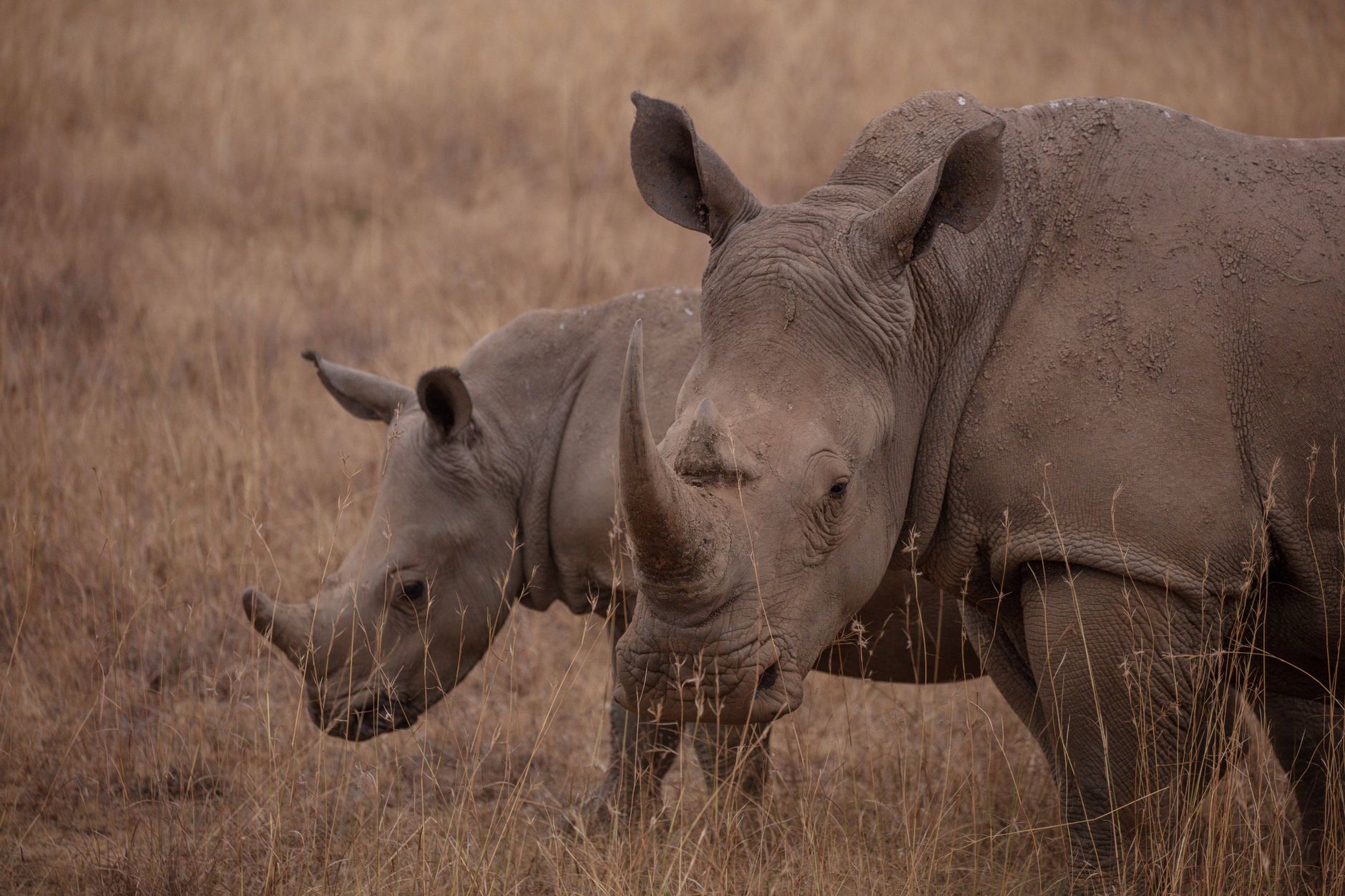
Ol Pejeta is well known for its black rhino and southern white rhino populations and for its northern white rhino conservation programme. The conservancy has an active monitoring team and often hosts students and volunteers. If your main interest is seeing the conservancy rather than taking a long placement, read our piece on visiting Ol Pejeta without a game drive.
Lewa is also a strong conservation story. It protects black rhinos, Grevy’s zebra, and a wide range of other wildlife. The conservancy works closely with surrounding communities, so volunteer projects there may focus on education, community development, or specialist monitoring. However, short-term placements at Lewa may be less advertised or limited to people with relevant skills. Do not assume a game drive can be converted into a volunteer shift.
If you want a broader comparison of destinations, keep in mind that many international placement platforms operate across southern and eastern Africa. Their advertised projects are not always Kenya-specific. Read the fine print carefully before you pay.
What Does Rhino Conservation Volunteering Cost?
Expect to pay a program fee rather than receive payment. International examples advertise roughly US$840 to more than US$3,500, depending on destination, duration and inclusions, while a Kenya experience may add conservancy fees, transport, accommodation, guides, insurance and flights. Ask for a complete written breakdown before committing.
Short placements usually cost less than long ones, but the daily rate may be higher because orientation and training are spread over fewer days. Some programs bundle meals and tents. Others expect you to arrange your own lodging. The table below shows what to plan for.
| Cost Item | Indicative Range | Notes |
|---|---|---|
| International placement fee | Roughly US$840 to US$3,500+ | Published fees vary by length, destination and inclusions |
| Kenya conservancy program fee | Confirm directly | Ol Pejeta quotes current fees on request |
| Conservancy entry and activity fees | Confirm directly | Non-resident rates are often higher than resident rates |
| Flights to Kenya | Confirm directly | Seasonal fares vary widely |
| Insurance, transport and meals | Confirm directly | Ask what is covered before you pay |
If you plan to turn volunteering into a safari, you also need a realistic budget for park fees and internal flights. Our guide to Kenya safari costs can help you compare.
Always ask three questions before choosing a project. What exactly does the fee cover? What extra costs appear on site? How is the money used in conservation? A reputable project answers these in writing.
Do You Need Experience or Special Fitness to Volunteer?
Many entry-level programs require enthusiasm, basic fitness and compliance with safety instructions rather than previous conservation qualifications. Specialist research, veterinary or ranger placements may require relevant study or experience. Kenya applicants should also check minimum age, walking demands, medical considerations, insurance and whether the placement accepts short-term visitors.
Volunteering in the bush often means early mornings, long walks, heat, and dust. You do not need to be an athlete, but you should be honest about your mobility. If you use a walking aid, ask about terrain and whether staff can adapt tasks. The destination matters too, so build your trip around what you can manage.
A first-timer with no background can still support rhino conservation projects through data entry, education, or light habitat work. Check the volunteer profile on the project page before you pay. If the description is vague about supervision, ask for names and qualifications of the staff who will lead you.
Can Volunteers Touch or Handle Rhinos?
Usually, no, not with wild rhinos, and not simply because a volunteer wants a close encounter. Responsible projects restrict handling to essential welfare or veterinary work carried out by trained staff, while ordinary volunteers observe, monitor, collect data or assist with habitat and education tasks. Limited contact protects people and supports natural rhino behavior.
Some facilities offer “meet the rhino” experiences, but those are not the same as rhino conservation volunteering. Feeding or touching a captive or semi-captive rhino may be safe for visitors under supervision, but it does little for wild populations. If a program advertises daily handling as its main draw, treat it with suspicion. Real conservation work usually looks less exciting from the outside.
When Is the Best Time to Volunteer in Kenya?
The best timing depends on the project’s confirmed operating calendar, not only Kenya’s safari seasons. Dry conditions can make wildlife observation and some roads easier, while rainy periods may improve habitat conditions but bring mud and more difficult access. Ask the conservancy about current duties, rainfall, temperatures and transport before selecting dates.
Kenya’s long rains usually fall from March to May, with November and December wetter in many areas. Wildlife viewing is often better in the dry months, but volunteer work does not stop when it rains. If you want easier logistics and more opportunities to see rhinos, consider the dry season. If your dates are fixed, contact the project first and ask about seasonal adjustments.
You can read our separate advice on the best time to visit Kenya for safari planning, but treat volunteer availability as the first constraint. A project may only accept volunteers during certain months or may close for periods of high heat or heavy rain.
How Do You Choose a Responsible Rhino Conservation Project?
Choose a project that states its conservation objectives, identifies qualified supervisors, explains how fees support field work and limits unnecessary animal contact. Look for transparent duties, safeguarding procedures, welfare standards, emergency support and measurable outcomes. Avoid programs that promise constant handling, guaranteed sightings or entertainment-first encounters disguised as conservation.
Start with Ol Pejeta because its program is easiest to verify. For any other site, ask for a sample daily schedule, the number of volunteers per staff member, and independent reviews from past volunteers. Do not rely only on testimonials posted by the project itself.
Responsible projects also support anti-poaching conservation indirectly. You may never walk with armed rangers, but your fee can help fund patrols, ranger training, and community education. If those parts are missing from the description, ask why. If you plan to photograph rhinos, check the rules for Kenya safari photography permits before you go.
No matter your first language, a solid plan matters. Our step-by-step guide to planning a Kenya safari covers the basics you need in place before you choose dates or pay a deposit.
What Do First-Time Volunteers Ask About Rhino Conservation in Kenya?
Before you search for a placement, sit down with the five questions that matter most. Each affects your budget, your safety, and your chance of doing real conservation work. Read them carefully, then contact the project you are considering.
How Can I Volunteer with Rhinos in Kenya?
Start by contacting Ol Pejeta Conservancy, Kenya’s clearest documented option for a conservation-focused rhino experience. Ask about current placements, minimum stay, age limits, duties, fees, accommodation and access requirements. Treat Lewa and other conservancies as possibilities requiring direct confirmation.
What Does a Rhino Conservation Volunteer Do?
A volunteer may help with wildlife monitoring, habitat work, conservation education, data collection or supervised ranger-support activities. The exact role depends on the project, and reputable programs provide training rather than allowing unqualified people to conduct dangerous anti-poaching or veterinary work.
How Much Does Rhino Conservation Volunteering Cost?
Advertised international programs range from about US$840 to over US$3,500, depending on length, destination and inclusions. A Kenya placement may also require conservancy fees, transport, lodging, meals, guides, insurance and flights, so request a full cost schedule before paying.
Do I Need Experience to Volunteer with Rhinos?
Many general programs accept volunteers without previous conservation experience and provide orientation, field training and safety briefings. Veterinary, research and specialist placements may have stricter requirements, so applicants should match their skills to the stated duties rather than assume every project is entry-level.
Can Volunteers Touch Rhinos?
Ordinary volunteers generally should not expect to touch rhinos. Ethical projects limit physical contact to essential care or veterinary situations handled by trained staff, while most participants observe animals, record data, support habitat work or contribute to education.
What Is the Next Step After Choosing a Project?
Once you have chosen a project, the next step is to fit it into a wider Kenya itinerary. Do not book a placement before checking how you will reach the conservancy and what you will do afterward. A volunteer placement can sit at the heart of a safari, with game drives before or after your work.
To explore your options, compare safari operators or browse packages from FindMySafari, Valley Safaris, or Trunktrails Safaris. Each partner can match you with a trip that includes Ol Pejeta, Lewa, or another rhino destination. Start with a clear idea of your dates, budget, and fitness level, and the right itinerary will follow.
More safari planning resources
- Kenya national parks map from SafariPure
- Ol Pejeta Conservancy guide from Trunktrails Safaris
- Ol Pejeta and Sweetwaters safari package from Valley Safaris
- Big Five safari collection on FindMySafari