Planning a first safari from Prague or Brno can feel like a maze of visa rules, park fees, and conflicting advice. This Kenya safari guide for Czech speakers offers a practical 7-day plan. It covers what to arrange, what the trip costs in koruna, and which parks match the wildlife you most want to see. The short version: you need an eTA, not a traditional tourist visa. Budget roughly 30,000 to 77,000 CZK per person for a week, and plan at least seven days on the ground to make the trip worthwhile.
How This Kenya Safari Guide for Czech Speakers Works
A practical Kenya safari guide for Czech speakers treats planning as a sequence of decisions, not a fixed brochure. Start with the eTA. Then set a realistic daily budget in CZK. Decide how many days you can spend in Kenya, match parks to your wildlife priorities, and only then compare operators. A sensible 7-day structure gives you three days in the Masai Mara and two or three days in a second park. Travel days sit around the edges. Along the way, this guide flags details Czech travelers often miss, from payment in dollars to conservancy fees that support local communities.
Do Czech Citizens Need a Visa or eTA for Kenya?
Czech citizens must obtain Kenya’s electronic travel authorization before departure rather than a traditional tourist visa. Apply through the official Kenyan eTA system. You will need a passport valid for at least six months, a recent photo, return or onward travel details, and accommodation information. Approval is often issued within a few days. Apply as soon as your travel dates are fixed, so you have time to fix any errors.
The application is online, and you pay the official fee through the government portal. Airlines usually check the eTA before boarding, so keep a printed or digital copy with your travel documents. If your plans change after approval, check whether you need to amend the application rather than submitting a new one.
How Much Does a Kenya Safari Cost in CZK?
A comfortable Kenya safari generally costs about 4,500 to 11,000 CZK per person per day, excluding international flights, insurance, drinks, and personal spending. A seven-day trip can therefore range from roughly 30,000 CZK for basic travel to up to about 77,000 CZK for mid-range accommodation. Luxury conservancies cost substantially more.
Those figures are indicative, not quotes. The main variables are season, park fees, vehicle privacy, and whether you fly between parks instead of driving. Most lodges quote in US dollars, so ask your operator for a final total in CZK and check what your bank charges for the conversion.
| Travel style | Seven-day total per person | What it usually includes |
|---|---|---|
| Budget camping | 30,000 to 46,000 CZK | Tented camps, shared game drives, some meals, basic park fees |
| Mid-range lodge or tented camp | 54,000 to 77,000 CZK | Lodges or permanent tents, good guiding, most meals, park fees |
| Luxury conservancy camp | Above 77,000 CZK, often much higher | Private vehicle, premium guiding, drinks, conservancy fees |
For a deeper look at the price drivers, see our Kenya safari cost breakdown.
How Many Days Do You Need for a Kenya Safari?
Allow at least seven days on the ground for a first Kenya safari. Seven days can cover the Masai Mara plus one additional destination without excessive driving. Ten days allows a more balanced route including Amboseli, Lake Nakuru, or a conservancy. Trips shorter than four days work best when focused on one park.
A 7-day plan works well because transfer times stay reasonable. From Nairobi, most travelers allow a full day for the drive to the Masai Mara. The flight is under an hour. Add a second park such as Amboseli. The road transfer between the Masai Mara and Amboseli typically takes seven to nine hours, often routed through Nairobi. Many travelers book a short domestic flight instead, which adds several thousand CZK per person but frees up time for game drives. If you want to compare routes by region, our Kenya safari itineraries by region gives you a route-by-route look at what fits in seven days.
Which Parks and Conservancies Should You Choose?
The Masai Mara is the strongest first choice for abundant big cats and migration-season viewing. Amboseli suits travelers who want large elephant herds and Kilimanjaro views. Lake Nakuru adds rhino and birdlife.
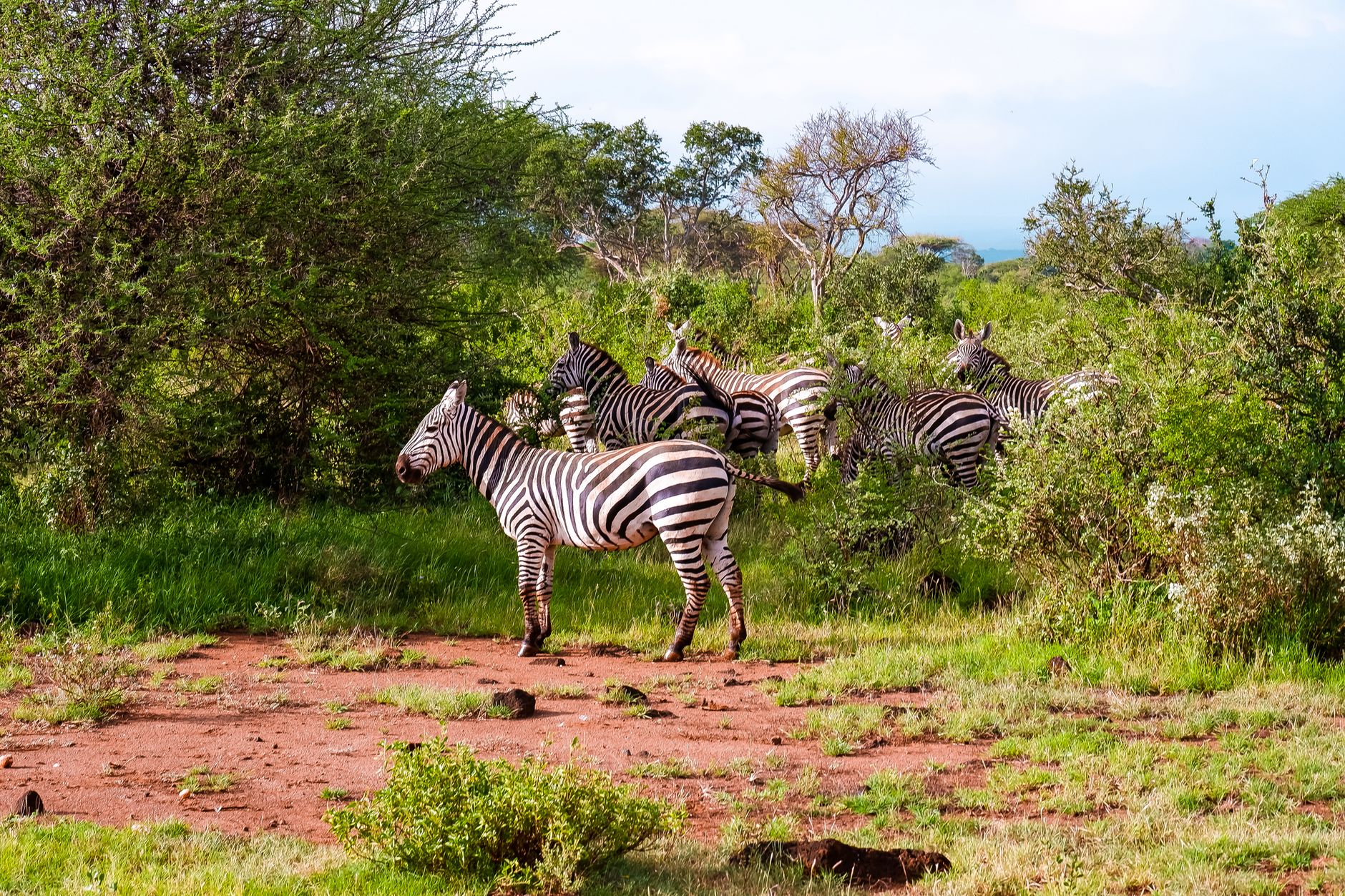
Mara North and other conservancies offer lower vehicle density and off-road opportunities. Samburu adds northern species such as the reticulated giraffe, Grevy’s zebra, and Somali ostrich, though it is a longer drive from Nairobi.
On a 7-day trip, pair the Mara with one contrast, whether that is Amboseli, Lake Nakuru, or a conservancy camp. If you want quieter game drives, book a camp in Mara North instead of inside the main reserve. Conservancies allow off-road driving, keep vehicle numbers low, and the nightly fee funds community projects and wildlife protection. For more ideas, see Kenya safari conservation options. If you are torn between the two big parks, our Masai Mara vs Amboseli comparison lays out the practical differences.
Can You Book a Czech-Speaking Guide in Kenya?
A Czech-speaking guide may mean a Kenyan guide with conversational Czech, or a Czech agency sending its own tour leader. Confirm who will actually drive and guide the safari. Ask for the named vehicle, camps, included park fees, language ability, recent references, and whether the itinerary uses a private vehicle or shared game drives.
Kenyan operators near the Mara and Amboseli sometimes hire guides who speak Czech, usually because they work with Czech agencies. A Czech agency can make booking and payment easier, but the person who drives you may still be a local guide. Before you pay, ask for a short call with that guide. Check how many years they have worked in the park and how they handle vehicle breakdowns. Ask whether they can explain animal behavior in Czech or only in English. Then weigh the budget side. Our guide on whether a private safari vehicle is worth the cost explains when the extra money makes sense.
What Is the Best Time for Czech Travelers to Visit Kenya?
July to October offers dependable dry weather and excellent wildlife viewing, while January and February provide another strong combination of clear conditions and concentrated animals. November to December and March to May are greener, quieter, and often less expensive, but rain can make some roads muddy. Migration river crossings are most likely from July to September, but they are never guaranteed.
Czech school holidays in July and August line up well with Kenya’s dry season, which is why summer is the most popular window. The wetter months bring greener landscapes, fewer travelers, and lower prices, but some roads turn muddy and safari vehicles may need more time between parks. For a month-by-month view of the Mara, see the best time to visit the Masai Mara.
What Kind of Safari Do You Want to Remember?
Strong safaris come from matching a plan to your own habits. A private vehicle in Mara North, a shared vehicle in Amboseli, and a camp with a river view all create different trips. The price difference between them is large. Settle the big questions first: how many nights in the bush, which animals matter most, and how much quiet you want. Once you know that, every operator’s proposal becomes easy to judge against your own plan. So before you request a quote, ask yourself what you actually want to feel on your last morning in the bush.
More safari planning resources
- Kenya safari packages from SafariPure
- Kenya wildlife tours from Trunktrails Safaris
- Best time to visit Kenya month-by-month map from Valley Safaris
- Compare Kenya safari packages on FindMySafari