Amboseli National Park charges a non-resident adult USD 90 to get through Meshanani Gate for the day. A night in Naboisho Conservancy, bordering the Masai Mara, typically adds another USD 100 to 130. That comes on top of your camp bill. Neither number tells the whole story on its own. One buys you a day inside a public park alongside every other vehicle that paid the same fee. The other buys a capped number of vehicles across tens of thousands of private acres. Touring Insights breaks down what each system actually charges, what it buys, and which traveler gets the better deal from each one.
Two Different Pricing Systems, Not Two Versions of the Same Fee
Kenya’s national parks and reserves run on a government fee model. Kenya Wildlife Service sets rates for parks like Amboseli and Tsavo. Narok County sets its own separate rate for the Masai Mara National Reserve. You pay a day fee at the gate, and that fee is unrelated to where you sleep that night.
Private conservancies work differently. A conservancy is land leased from Maasai or other community landowners by a group of camps. Those camps split a shared conservation fee among their guests. That fee is usually bundled into the nightly camp rate rather than charged separately at a gate. Fewer camps operate on more land, so fewer guests split a larger conservation cost, and prices rise accordingly.
Kenya Conservancy vs National Park Costs at a Glance
The table below lines up named parks and conservancies with real, sourced figures. Conservancy conservation fees are usually per person per night rather than a flat day rate. The two figures are not directly interchangeable, but each represents what a guest actually pays to be on that land.
| Destination | Type | Non-resident Fee | Fee Structure | Size |
|---|---|---|---|---|
| Amboseli National Park | KWS Premium park | USD 90/day | Gate fee, day access | 392 km2 |
| Tsavo East National Park | KWS Wilderness A park | USD 80/day | Gate fee, day access | 13,747 km2 |
| Masai Mara National Reserve | County reserve | USD 100-200/day (seasonal) | Gate fee, day access | approx. 1,510 km2 |
| Ol Pejeta Conservancy | Fenced conservancy, day access | USD 110/adult, indicative | Gate fee, valid 24 hours | approx. 364 km2 |
| Mara North Conservancy | Camps-only conservancy | approx. USD 100-120/night, indicative | Bundled into camp rate | approx. 300 km2 (74,000 acres) |
| Naboisho Conservancy | Camps-only conservancy | approx. USD 110-130/night, indicative | Bundled into camp rate | approx. 200 km2 (50,000 acres) |
What a National Park Gate Fee Buys You
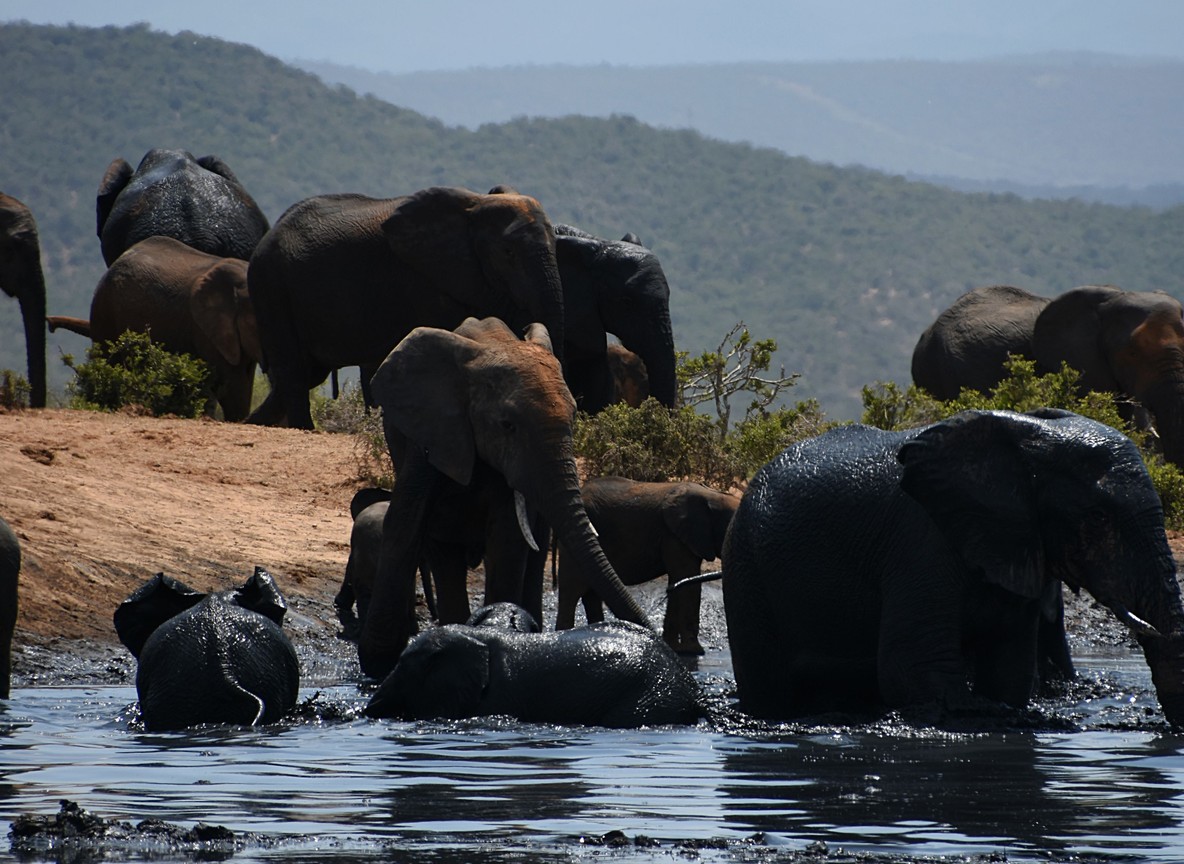
A KWS or Narok County fee buys access to public land, open to anyone who pays it. Amboseli’s USD 90 rate gets you inside a 392 km2 park. There’s no cap on how many vehicles can gather at one sighting. On a busy morning, ten or more vans can end up parked around one pride of lions near Observation Hill. The fee funds ranger patrols, road maintenance, and park infrastructure. It stays the same whether you visit alone or with a dozen other vehicles nearby.
The tradeoff is flexibility. Anyone can book a day trip to a national park without pre-arranging camp accommodation inside it. Budget travelers can stay outside the gate and pay only for the days they actually enter. That habit keeps a KWS park cheaper overall than a conservancy for a short visit.
What a Private Conservancy Fee Buys You
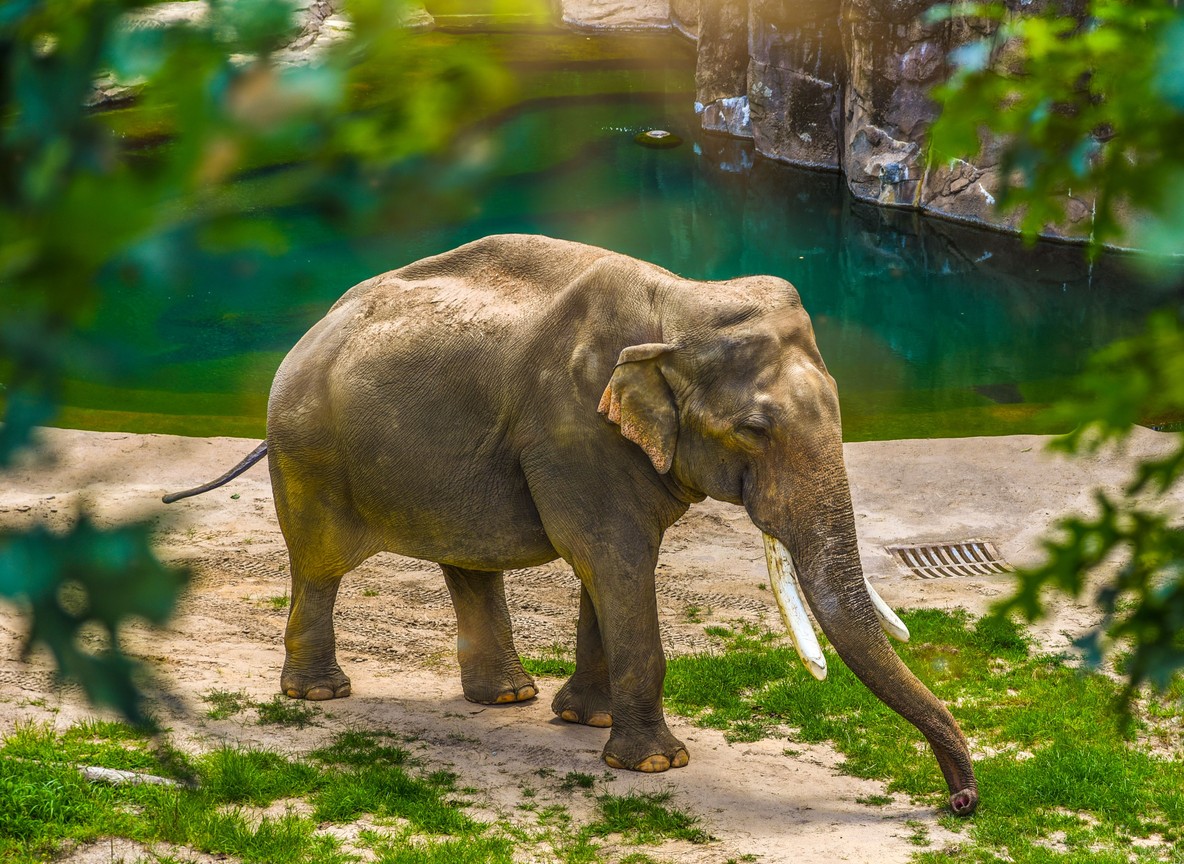
Mara North Conservancy caps sightings at five vehicles, with only one allowed to have its engine running at a time. Across 74,000 acres, that rule keeps crowding down even during peak wildebeest migration months. Naboisho Conservancy, roughly 50,000 acres bordering the National Reserve, follows the same low-density model. It keeps vehicle numbers low by design, not luck.
You cannot simply drive up and pay at a gate for most of these conservancies. Access usually requires booking a stay at one of the member camps. Examples include Kicheche Mara Camp in Olare Motorogi and Karen Blixen Camp in Mara North. The conservation fee gets folded into that camp’s nightly rate, so the sticker price on a booking already includes it. Night drives and off-road tracking are both banned inside the National Reserve. Conservancies typically allow both, and that freedom is part of what the higher price buys.
Ol Pejeta: The Conservancy That Prices Like a Park
Not every conservancy follows the camps-only model. Ol Pejeta Conservancy, in Laikipia north of Nairobi, is fenced and sells day access much like a national park. Non-resident adults pay an indicative USD 110, with children around USD 55 and students around USD 32. Entry stays valid for 24 hours for overnight guests, or single-entry for day trippers. Payment runs cashless through the conservancy’s own booking portal.
Ol Pejeta sits closer to a hybrid model. It protects black and white rhino populations and East Africa’s last northern white rhinos. Any traveler can also visit for a day without booking a specific camp first. That structure makes it a useful stepping stone for travelers curious about the conservancy concept. It works well for those not ready to commit to a camps-only, multi-night Mara-style stay.
The Hidden Costs Behind Each Sticker Price
A national park fee looks cheaper on paper, but it rarely stands alone. Visiting Amboseli or Tsavo usually means booking a separate camp or lodge outside the park boundary. You pay for a vehicle and guide independently, and you cover park fees again on any additional entry day. Those costs add up quietly across a multi-day itinerary.
A conservancy fee looks steeper at first glance. It usually bundles the land fee, game drives, guiding, and often meals into one nightly rate. Setting a USD 90 park gate fee against a USD 450 all-inclusive conservancy camp night is not a fair side-by-side. The conservancy figure already covers most of what a park visitor pays for separately.
Which Option Fits Which Traveler
Budget-conscious families and first-time visitors often do better in a national park. Amboseli and Tsavo offer strong wildlife viewing at a lower entry cost. Travelers can control spending by choosing budget camps outside the gate. Groups happy to share sightings with other vehicles get excellent value from the flat day rate.
Travelers who have already done a standard safari tend to find conservancies worth the premium. They want fewer vehicles, more flexible driving rules, and a genuinely private experience. A solo traveler chasing a quiet sunrise wants no other vehicle in sight. That is rare inside a National Reserve during migration season, no matter how early the wake-up call. This kind of solitude is what the conservancy fee is actually buying, not just land access.
Explorer Notes
Ask a camp directly whether its quoted rate already includes the conservancy conservation fee. Some list it as a separate line item at checkout instead of folding it into the headline price. This trips up more travelers than any other line on a Mara conservancy invoice.
Guides in Mara North and Naboisho say off-road driving and night game drives make the biggest practical difference. Guests notice this on day one, since both activities are restricted inside the National Reserve. A guide who can follow a hunting leopard off the marked track, after dark, delivers sightings a reserve cannot match.
Check whether a conservancy runs a strict camps-only policy or allows day visits. This varies more than most first-time travelers expect. Ol Pejeta’s day-access model suits a shorter Laikipia stop. Mara North and Naboisho require an overnight camp booking to enter at all.
Frequently Asked Questions
Is a private conservancy always more expensive than a national park? Usually yes for the per-night figure, since conservancy rates bundle guiding, game drives, and sometimes meals. A single day’s park gate fee alone is typically cheaper, but it does not include those extras.
Can I visit a Mara conservancy without staying overnight? Most Mara conservancies, including Mara North and Naboisho, require a booking with a member camp. They do not sell standalone day passes. Ol Pejeta in Laikipia is an exception that sells day access directly.
Do conservancies allow activities that national parks do not? Yes. Night game drives and off-road driving are common in conservancies like Mara North. Masai Mara National Reserve and most KWS parks restrict both.
Which is better for a first-time safari on a budget? Pair a national park like Amboseli or Tsavo with a mid-range camp outside the gate. That combination usually costs less than a conservancy stay, while still delivering strong wildlife viewing.
Why do conservancy fees vary so much between properties? Conservancy fees reflect how many camps split the shared conservation cost across how much land. A conservancy with fewer camps on more acres, like Mara North, spreads its cost across fewer paying guests per night.
Weighing a park gate fee against a conservancy’s all-inclusive rate gets easier with a side-by-side itinerary in front of you. Visit Touring Insights’ Tour Packages page to compare options that mix both. Or ask a partner operator to price out a split stay between a park and a neighboring conservancy.
What to Read Next
- Want the Mara-specific breakdown of this same question? Read our Masai Mara park fees, reserve vs conservancy guide.
- Curious how KWS prices its seven park tiers? See our Kenya park fee categories explained 2026.
- Planning around the Mara’s own price swings? Check our Masai Mara seasonal entry fee guide.