A Ngorongoro safari for limited mobility starts with one honest question: can you enjoy the crater without long walking? For most travelers, yes, because game viewing happens from a 4×4. The real planning challenge is choosing the right vehicle and lodge, then setting a pace that protects your comfort. This article compares your options and tells you what to confirm before you book.
Can you do a Ngorongoro safari for limited mobility?
Yes, many travelers with limited mobility can visit Ngorongoro because wildlife viewing takes place from a safari vehicle and the crater has concentrated wildlife. The trip is not automatically accessible, however. Success depends on whether you can transfer into a 4×4, tolerate bumpy roads and long sitting periods, and secure suitable accommodation and assistance in advance.
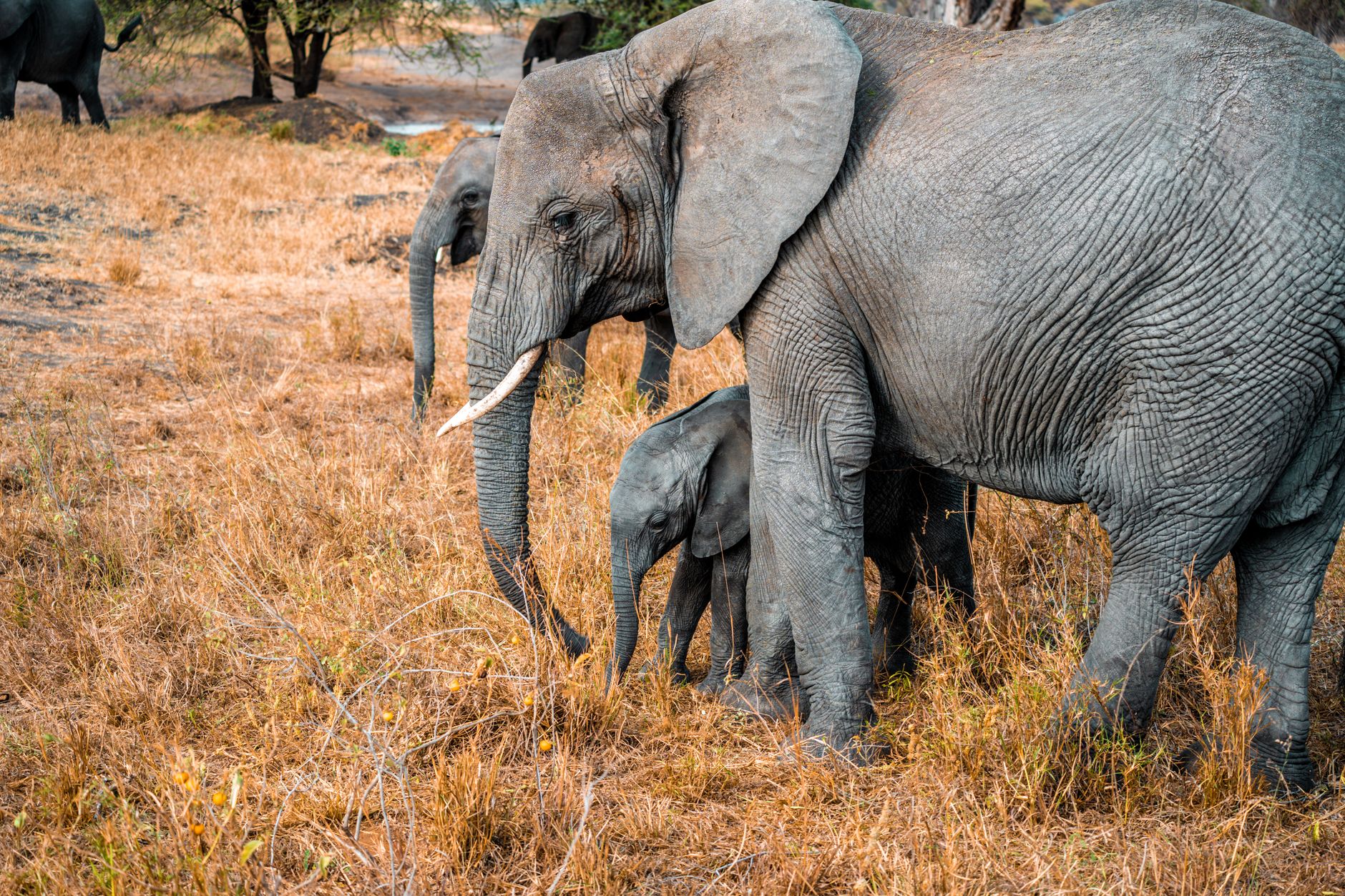
Inside the crater, guides drive from one wildlife cluster to another. You may watch hippo pools, lion prides, zebra herds, and elephants without leaving your seat. The main effort is not walking. It is sitting through a full game drive on uneven roads. With the right support, the crater can feel easier than parks that require walks between animals.
If you are also weighing Kenya options, our Kenya safari planning for wheelchair users explains the same vehicle, lodge, and comfort checks for parks such as Amboseli and the Masai Mara.
What makes the Ngorongoro Crater challenging for mobility?
The main challenge is the steep, winding descent from the crater rim to the floor, followed by uneven dirt roads and vehicle jolts. A standard safari vehicle normally requires a step or transfer rather than providing a lift. The rim is easier, but reaching the crater floor requires an operator to confirm that your vehicle and support plan are appropriate.
The crater floor sits inside a volcanic basin. The drive down follows a curving road with switchbacks, and the return climb takes time. On the floor, corrugation, dust, and animal diggings create shaking. You can ask the guide to slow down, but one full circuit still lasts several hours.
The rim itself is high enough to affect breathing for some visitors. If you feel dizzy or short of breath, our Ngorongoro Crater altitude and altitude sickness article lists the warning signs.
Which accessible safari vehicle fits your needs?
Ask whether the vehicle has a hydraulic lift or ramp, wheelchair tie-downs, a wide door, and enough space for your chair or mobility equipment. If you can transfer, a standard Land Cruiser may work with trained assistance, but it is not step-free. Request vehicle photographs, chair dimensions, transfer procedures, and backup arrangements before paying a deposit.
| Vehicle type | How you enter | Best for |
|---|---|---|
| Standard 4×4 safari vehicle | Step up and transfer into a raised seat; chair folded and stored | Travelers who can step, balance, and transfer with help |
| Adapted safari vehicle with a ramp or lift | Wheelchair enters without steps; tie-downs secure the chair | Wheelchair users or travelers who cannot manage a step |
| Private 4×4 with pop-up roof | Same entry as standard, but you control the pace and stops | Those who need slower entry, rest breaks, or extra cushioning |
A standard Land Cruiser usually has two or three steps up to the cabin. Once inside, you sit on a bench seat. A person with knee or hip problems may enter with assistance but still find the seat position uncomfortable. An adapted 4×4 with a ramp or lift is easier, but it is less common in Tanzania. Operators need lead time to arrange one.
A private vehicle matters more than many travelers expect. When you travel alone or with your own group, the guide can choose a gentler line on rough tracks and stop for stretching. A shared vehicle must follow the group schedule.
How do you choose an accessible safari lodge near the crater?
Permanent lodges generally offer more dependable access than remote tented camps, especially when they provide ground-floor rooms, ramps, wide doorways, accessible bathrooms, and showers with grab rails. Do not rely on the phrase accessible room alone. Ask for current photographs and confirm the route from the vehicle to reception, dining areas, bedrooms, and toilets.
Most crater-rim lodges are built on slopes to take advantage of the view. That means reception, dining, and rooms are often on different levels. A lodge can seem fine on paper but still have a three-step entrance to dinner. Ask for a ground-floor room close to the dining area. Ask how far the room is from parking and whether the path is paved, gravel, or dirt.
Accessible safari lodge does not always mean step-free. Many older lodges have narrow doors, high bathtubs, or showers with a lip. Confirm the bathroom layout with the property, not just the booking agent. In wet months, path surfaces can become slippery. Ask whether staff can accompany you after dark and whether there is a portable ramp for one-step areas.
How many nights should you stay at Ngorongoro?
A slower two- or three-night Ngorongoro stay is usually more comfortable than adding a rushed crater visit to a demanding circuit. Schedule rest after arrival, allow extra time for transfers, and plan a shorter game drive if sitting is painful. A private vehicle gives the guide flexibility to stop, return early, or adjust the day without affecting other guests.
| Length of stay | What it allows | Who might choose it |
|---|---|---|
| One night at the rim | One full crater drive; arrival and departure on separate days | Travelers who can sit for a full day and want the shortest stay |
| Two nights at the rim | Two crater drives or one full day with a break; a buffer after travel | Most limited mobility travelers planning Ngorongoro as a main stop |
| Three nights at the rim | Flexible scheduling, optional rest time, and a relaxed pace | Travelers who want maximum comfort or face long journeys to the park |
For most active retirees with limited mobility, two nights is the sweet spot. You get one full crater drive plus a spare morning if you are tired. The extra night removes the pressure of a rushed arrival. If you are still deciding between parks, our Ngorongoro versus Serengeti for safari planning article compares distances, crowds, and pacing.
How much walking is needed inside the crater?
Ngorongoro is well suited to travelers who prefer vehicle-based wildlife viewing because animals are often found across a compact, wildlife-rich crater floor. Expect sightings of buffalo, zebra, wildebeest, hippos, lions, and potentially rhinos without walking between viewing areas. Walking is still limited to designated stops, picnic areas, viewpoints, and lodge grounds.
Most of the crater floor is open grassland. Vehicles stay on tracks, and guides stop whenever animals are visible. Many sightings happen close to the road, so you remain seated while the guide positions the vehicle.
Each crater drive usually includes an official picnic stop. The walk from the vehicle to a picnic table is short, but the ground may be uneven or dusty. Ask your guide to pick the most level spot. Toilets at picnic sites are often basic. Many travelers prefer to use the lodge restroom before descending to the crater floor.
What should you confirm before booking?
Give the operator precise information at the first enquiry: walking distance, transfer ability, wheelchair type and dimensions, walking aids, bathroom needs, medication, and maximum comfortable sitting time. Request written confirmation of the vehicle, room, bathroom, assistance, comfort stops, and emergency plan. Verify every supplier rather than assuming a general accessibility promise covers the whole itinerary.
Ask these questions before you pay a deposit:
- Which exact vehicle will I travel in, and does it have a lift, ramp, or step?
- Where is my wheelchair or walker stored while I am inside the vehicle?
- How do I move from the vehicle into the lodge room and dining area?
- Which comfort stops and toilet stops work for my needs during the crater drive?
- What happens if I am too tired or in pain to continue the game drive?
- Does the guide have first-aid training, and what is the emergency evacuation plan?
Do not assume a company that says accessible has checked every stop. The vehicle, the lodge, and the crater route are separate parts of the system. Your operator should confirm each one in writing. If responses stay vague, ask for a written breakdown from touringinsights.com before you commit funds.
For travelers who use a power chair or cannot transfer into a high seat, this step is especially important. A wheelchair accessible safari Tanzania needs a specific adapted vehicle, not just a helping hand from a guide. State your chair model and weight. That lets the operator check whether the lift or storage area will work.
Ngorongoro is also one of the strongest choices for a Tanzania safari for seniors because most viewing is vehicle based. The crater remains physically demanding in other ways, so honest planning matters more than the marketing label.
When should you visit Ngorongoro with limited mobility?
Choose a season based on road comfort and wildlife priorities rather than weather alone. Dry periods usually make tracks less muddy, while rainy months can bring slippery roads but greener scenery and fewer visitors. Conditions vary by year, so ask about recent road access, crater-floor congestion, lodge paths, and whether rain could affect the descent on your travel dates.
Dry weather matters more for mobility than for wildlife. In the dry months, usually from late June to September, crater roads tend to be less slippery and lodge paths firmer. In the rainy months, the descent can feel riskier, and mud can make short walks harder. The dry season also brings larger crowds, so vehicle lines form at famous sightings.
Shoulder periods may offer a balance. Ask your operator for road reports within a few weeks of your planned date. Conditions can change quickly after a storm, and recent reports are more useful than a general season overview.
Which Ngorongoro plan is right for you?
One night suits travelers who can manage a full crater day and do not need recovery time. Two nights suits most limited mobility travelers because it allows a relaxed arrival, a crater drive, and a spare morning. Three nights suits those who want the slowest pace or have a long journey to and from the rim. Choose based on comfort, not on seeing the most animals.
The vehicle and lodge details matter more than the number of days. A confirmed adapted 4×4, a ground-floor room, and a guide who is willing to slow down will make the crater far more enjoyable than a longer itinerary with vague accessibility promises.
To compare safari operators and browse packages, visit FindMySafari, Valley Safaris, or Trunktrails Safaris. Ask each one the same vehicle and room questions before you commit. You can also start with touringinsights.com for a direct quote built around your mobility needs.
Where Can You Find More Safari Planning Resources?
- Best time to visit Kenya map from SafariPure
- Kenya wildlife tours from Trunktrails Safaris
- Nairobi to Maasai Mara route guide from Valley Safaris
- Compare Kenya safari packages on FindMySafari