A Kenya safari for wheelchair users is possible, but it will not happen by luck. A traveler who books a standard package and assumes paths, bathrooms, and vehicles will work can end up stuck at the worst moment. The people who manage Kenya best ask hard questions before paying. They check real pathways, not brochure photos. They also compare parks, not just prices.
Can Wheelchair Users Go on Safari in Kenya?
Yes, wheelchair users can go on safari in Kenya when the route, vehicle, accommodation, and assistance plan are confirmed in advance. The main activity is seated game viewing, but boarding, rough tracks, camp paths, bathroom thresholds, and bush toilet access require specific arrangements. Travelers should share chair dimensions and transfer needs before booking.
The biggest mistake is treating the word “accessible” as one clean label. One lodge might have a step-free tent. Another might have a bathroom step that blocks the chair. Ask for measurements, photos, and video of the exact room you will use. A short call with the camp manager can settle more doubt than a dozen booking emails.
Which Kenya Safari Parks Work Best for Wheelchair Users?
Lake Nakuru and Amboseli are usually the simplest starting points because their main viewing areas are relatively open, flat, and reachable from Nairobi by road. Nairobi National Park can reduce transfer time, while the Masai Mara offers exceptional wildlife but rougher tracks. Selected Mara conservancies may provide better camp infrastructure and adapted vehicles.
No park is fully paved, and rain changes everything. The table below compares common destinations by the factors that matter most to wheelchair travelers.
| Area | Terrain and views | What you might see | Wheelchair planning notes |
|---|---|---|---|
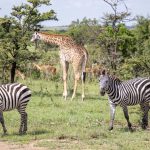
| Lake Nakuru | Open grassland and lake edge, with compacted dirt roads on many routes. | Rhinos, buffalo, flamingos, and other waterbirds. | A good first stop. Shorter road time from Nairobi makes transfers easier. |
| Amboseli | Flat plains, dry lake bed, and wide views of Kilimanjaro. | Elephant herds, giraffes, zebras, lions. | Many lodges sit on flat ground. Dust can be heavy. |
| Nairobi National Park | Grassland savanna close to the city, with some rocky gullies. | Lions, rhinos, buffalo, giraffes. | Easy transfer if you fly into Nairobi. Few accessible overnight options inside the park. |
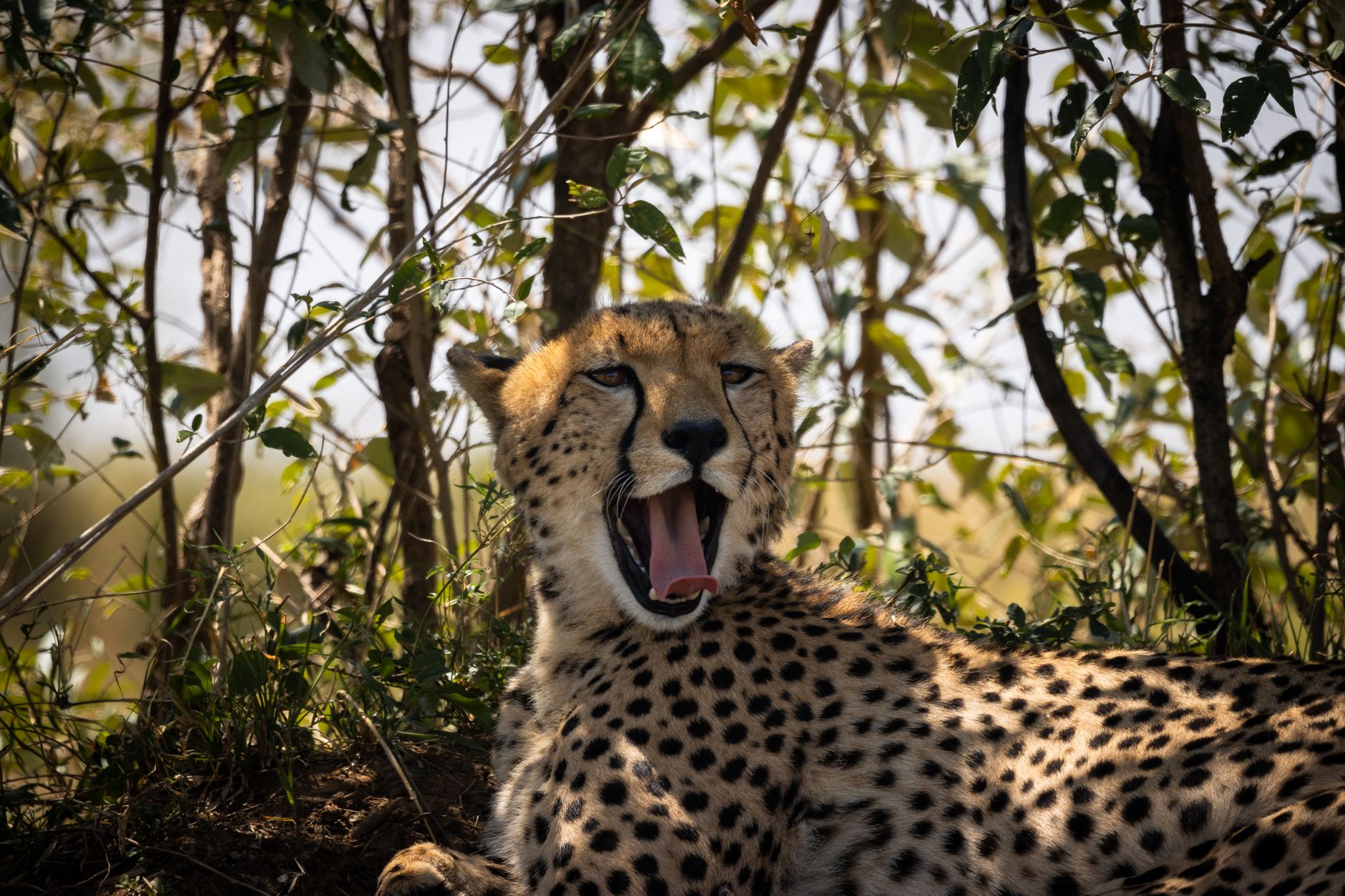
| Masai Mara Reserve | Rolling grassland with unsealed tracks and black-cotton soil in wet weather. | Lions, leopards, cheetahs, hippos, crocodiles, and wildebeest. | High wildlife value, but confirm routes, vehicle transfer, and camp paths before booking. |
| Mara conservancies, including Naboisho and Mara North | Private reserves with open plains, lower vehicle density, and varied camp design. | Plains game, cats, elephants, and hyenas. | Some camps have better access and guiding. Ask for the exact room and vehicle specifications. |
Use this table as a shortlist, not a final promise. A specific road inside each park changes with the season. A lodge on a slope will be harder than one on flat ground. When you compare destinations, ask the operator which exact tracks and camps they plan for you.
At the Mara, rules differ between the reserve and the Mara Triangle. Our Masai Mara versus the Mara Triangle guide explains how the two areas compare. For a broader view of the parks, the Lake Nakuru guide can help you decide whether that shorter stop suits your pace.
Can a Wheelchair Fit in a Safari Vehicle?
A wheelchair may fit in an adapted safari vehicle with a ramp, lift, securement system, and sufficient interior space. Standard safari vehicles often require the traveler to transfer to a passenger seat and fold or store the chair. Provide the chair’s width, height, weight, and folding dimensions before the operator confirms the vehicle.
Many wheelchair users prefer to transfer into a padded seat for game drives. That can be more comfortable on rough tracks. If you use a power chair, ask whether the vehicle can carry its weight, whether a lift is available, and how the chair will charge overnight. The driver and guide should know your transfer situation before you leave Nairobi.
For most wheelchair travelers, a private vehicle is worth the extra money. It lets you set the pace and stop when you need to. Read why a private safari vehicle is worth considering as you weigh that choice.
Are There Wheelchair Accessible Lodges in Kenya?
Kenya has wheelchair accessible lodges, but they belong to no single category. A genuinely accessible camp has a step-free route from vehicle drop-off to the room, a wide entrance, and enough turning space. It also needs a roll-in shower or a clearly described bathroom arrangement. Ask for the transfer distance, bed height, shower lip, grab bars, dining access, and pathway surface before you book. “Accessible” can otherwise mean only one grab bar.
Ground-level rooms are often easier than tents on raised wooden decks. Find out what happens to paths during rain. Boardwalks can become slippery, and gravel can shift under wheels. Ask whether the dining room and lounge are reachable without steps, not just whether the bedroom works.
You should also plan for rest stops on full-day drives. Washrooms at park gates are not always step-free. A bush toilet is rarely usable from a wheelchair. Tell your guide that you need timed toilet breaks at camps or lodges. The best operators build that into the driving plan before the trip starts.
What Is a Realistic Kenya Safari for Wheelchair Users?
A practical seven-day route is Nairobi on arrival, two nights in Amboseli, three nights in the Masai Mara, and a final Nairobi night if flight timing requires it. Use a private adapted vehicle, consider flying between distant parks, schedule rest after transfers, and keep two full game-drive days in the Mara rather than adding too many stops.
Here is a simple skeleton that can be adapted to your energy level:
- Day 1: Arrive in Nairobi. Sleep close to the airport so the first transfer is short.
- Day 2: Drive to Amboseli. Settle in and take a short late afternoon drive.
- Day 3: Full day in Amboseli.
- Day 4: Return to Nairobi or connect by air toward the Mara. Overnight in the camp.
- Day 5: Full day in the Mara or a private conservancy.
- Day 6: Morning drive, then fly or drive back toward Nairobi. Overnight near the airport.
- Day 7: Depart.
Internal flights can shorten long road days, but they need checking too. Airstrips often mean steps up to small planes. Ask whether the aircraft has lifting support and what happens to your chair. If road travel is easier, the Masai Mara versus Amboseli comparison will help you decide which area deserves extra nights.
Do not try to see every park in one trip. A week with two destinations feels manageable. A week with four parks tends to turn into a transfer marathon, and that is harder for any traveler.
What Is the Best Time for a Wheelchair Accessible Kenya Safari?
Dry-season travel generally makes camp paths and safari tracks easier, but July to October brings higher demand, higher prices, and crowded wildlife areas. During rains, black-cotton soil and unpaved tracks can become muddy, especially in the Mara, although greener scenery and fewer visitors may appeal. Choose dates by balancing surface conditions, budget, and wildlife priorities.
January and February are often practical choices. They bring less mud and fewer crowds than the peak summer months. If you travel during the rains, expect that a clean morning path can turn slippery by lunch. Ask the operator how they handle a closed road. The full best time to visit the Masai Mara guide covers seasonal wildlife patterns in more detail.
What Does a Kenya Safari for Wheelchair Users Cost?
A mid-range accessible Kenya safari commonly costs about USD 550 to 900 per person per night when accommodation, meals, game drives, and an adapted vehicle are included. The final price varies by season, park fees, room type, and party size. Confirm equipment rental, power-chair charging, medical support, rest stops, internal-flight limits, and cancellation terms before paying.
That figure is a planning guide, not a fixed quote. A low-season camp with simple access will cost less. A private conservancy in peak season will cost more. Internal flights, extra support staff, and specialist equipment can push the price upward.
Private transport usually makes up a large share of the total. The private vehicle costs in East Africa overview shows what base vehicle rates include and where the add-ons appear. For a general sense of trip budgets, the Kenya safari cost article is a useful companion.
What Do Wheelchair Users Ask Before Booking a Kenya Safari?
Before you pay a deposit, ask for written answers about the vehicle, lodge access, bathroom, charging, and what happens if rain closes a track. Confirm whether staff can help with transfers. Ask if the operator has hosted wheelchair users before and whether you can speak with the camp manager before the trip.
Can wheelchair users go on safari in Kenya?
Yes. Wheelchair users regularly visit Kenya’s parks when operators arrange a suitable vehicle, accessible rooms, safe transfers, and realistic daily driving distances. The itinerary should be designed around your chair, transfer ability, bathroom needs, and tolerance for rough tracks.
Is the Masai Mara wheelchair accessible?
The Masai Mara is accessible with advance planning, but it is not uniformly step-free. Rough or muddy tracks, uneven camp paths, and vehicle transfers can be challenging. Selected conservancies and camps may offer ramps, securement systems, and better pathways. Confirm each property and vehicle individually rather than relying on a regional label.
Can a wheelchair fit in a safari vehicle?
A wheelchair may fit in an adapted safari vehicle with a ramp, lift, securement system, and enough interior space. Standard safari vehicles often require a transfer into a passenger seat and folding or storing the chair. Give the operator the chair’s width, height, weight, and folding dimensions before they confirm the vehicle.
What is the best itinerary for a wheelchair accessible Kenya safari?
A seven-day itinerary combining Nairobi, two nights in Amboseli, and three nights in the Masai Mara is a strong starting point. Add Lake Nakuru or Naivasha only with extra time, and consider an internal flight to reduce long road transfers. Build in rest periods and avoid changing camps every night.
How much does a wheelchair accessible safari in Kenya cost?
A mid-range trip may cost roughly USD 550 to USD 900 per person per night, including accommodation, meals, game drives, and an accessible vehicle. Total pricing changes with season, park fees, lodge level, private-vehicle arrangements, internal flights, and whether specialist equipment or personal assistance is needed.
When you compare operators, ask each one the exact questions above. Browse packages from FindMySafari, Valley Safaris, or Trunktrails Safaris and see who answers in writing. The trip that works is the one planned around your chair, your bathroom needs, and your energy.
Where Can You Find More Safari Planning Resources?
- Kenya safari packages from SafariPure
- Kenya wildlife tours from Trunktrails Safaris
- Nairobi to Maasai Mara route guide from Valley Safaris
- Compare Kenya safari packages on FindMySafari