This ngong hills hiking guide near nairobi starts with one honest question: do you have time for the full ridge, or should you turn around early? This guide treats the hills as a decision, not just a trail. The Ngong Hills are one of the easiest day trips from Kenya’s capital. Wind, weather, security rules, and return transport can change the experience more than the distance itself.
How long does it take to hike Ngong Hills?
The full seven-hill traverse from the KFS gate near Ngong Town to Kona Baridi usually takes four to five hours of walking. The route covers roughly 12 to 15 km with repeated climbs and descents. Add time for breaks, photos, and wind. Fitness matters more than technical hiking experience.
The classic hike is a point to point walk, not a loop. You start at the main KFS entrance near Ngong Town and finish at Kona Baridi on the far side. That means the hike is also a transport exercise. The seven hills themselves are the main event, but the trail between them is what takes the time. Expect a mix of wide grassy ridges and short, steeper pulls.
If you only have a half day, or if you are hiking with children or anyone with weak knees, consider turning around after the second or third hill. That gives you a satisfying out and back walk without the long descent to Kona Baridi. You will lose the full traverse feeling, but you keep the views and avoid the stress of a return pickup.
Why use a Ngong Hills hiking guide near Nairobi?
A Ngong Hills hiking guide near Nairobi helps you plan around security, weather, and return transport. KFS rangers should accompany hikers going to the peaks. The trail is easy to follow but can be exposed. For many first timers, a ranger or guide is a practical safety net, not an extra.
The Kenya Forest Service manages the hills, and its rules can change. It is common for KFS to require hikers heading to the peaks to be accompanied by a ranger. Some hikers go without an official guide on the lower trails. The safest assumption is that a ranger escort is required for the full traverse. Confirm the current rule at the gate before you commit.
A guide is also useful for a less obvious reason: conditions. The ridge can be windy and cold even when Nairobi is clear. A guide who hikes the hills regularly knows when to turn back, where the trail gets slippery, and which sections are rough on the knees. That local knowledge is worth the small fee.
However, a Ngong Hills day hike is not a technical climb. You do not need climbing gear or ropes. For the full traverse, the bigger issues are logistics: water, timing, and getting back from Kona Baridi. Plan those, and a ranger or guide will handle most of the rest.
How do I get to Ngong Hills from Nairobi?
Drive southwest along Ngong Road through Karen and Ngong Town to the KFS gate. The trip typically takes 45 to 90 minutes depending on traffic. By matatu, ride to Ngong Town and continue by boda-boda or taxi. Arrange a return ride before you start a point to point hike.
If you are driving, set your destination for the Ngong Hills Forest Station rather than Ngong Town itself. The road is paved for most of the way, with a short dirt section near the gate. Parking is available at the gate, and the staff can point you to the trailhead.
If you are using public transport, take a matatu from Nairobi to Ngong Town. From there, boda-bodas and taxis operate to the KFS gate. A boda-boda is cheaper but less comfortable on a dirt road. A taxi is easier if you have hiking gear or are traveling in a group.
The same route works for the return, but it matters more at the far end.
How much does it cost to hike Ngong Hills?
Reported entry fees vary by visitor category and by source. Commonly cited figures are about KES 200 for Kenyan citizens, KES 400 for residents, and KES 600 or more for non-residents. Confirm the current KFS tariff at the gate before paying.
| Visitor category | Reported entry fee (indicative) | Notes |
|---|---|---|
| Kenyan citizen | KES 200 | Confirm current KFS tariff |
| Resident (non-Kenyan) | KES 400 | Confirm current KFS tariff |
| Non-resident | KES 600 or more | Confirm current KFS tariff |
KFS lists visiting hours as 6:00 a.m. to 6:00 p.m. You need to be out of the forest by closing time. Carry identification and a mobile payment option, since card or cash may be expected depending on the day. Beyond entry, budget for transport, parking, and any ranger or guide fee.
There is often a separate charge for the peaks or for the ranger escort. The figures above are a starting point, not a quote. Fees change with little warning, so check once more before you go. Underestimating the cost is a common mistake for first time hikers.
What is the seven-hill Ngong Hills hiking trail like?
The full route follows the ridgeline across seven prominent hills from near Ngong Town to Kona Baridi. It is scenic but not flat. Expect gradual climbs, steeper sections, descents that strain knees, open grassland, wind, and little shade. A shorter out and back walk suits limited time or fitness.
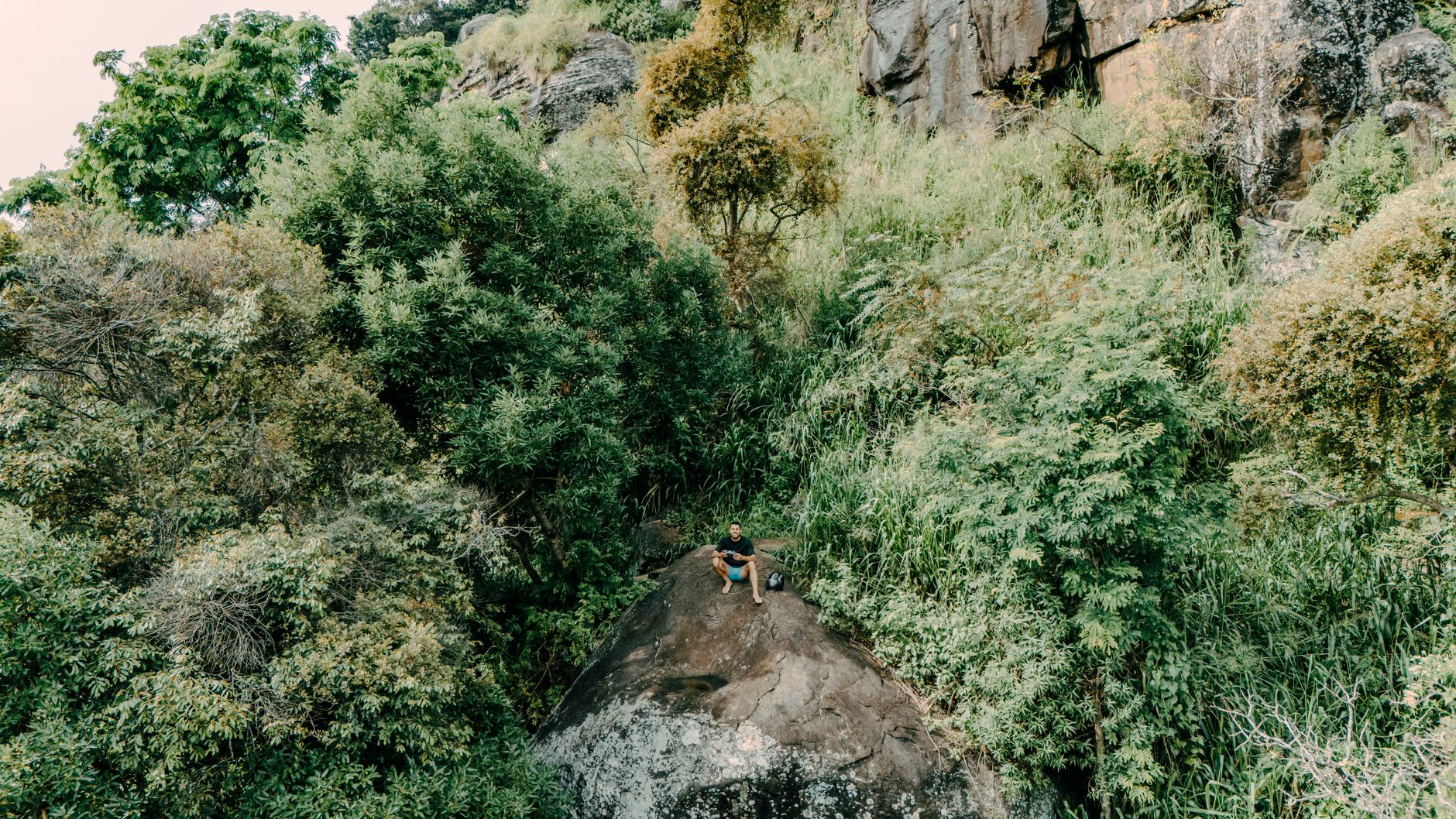
For most of the walk you are on a wide path along the ridge. The views open up over the Rift Valley to the west and the Nairobi skyline to the east. The seven hills are not equally steep. Some are long, gentle slopes. Others have short, sharp pulls. The hardest section for many people is the descent near the final hills, where the trail gets rocky and the angle increases.
The route is exposed. There is very little tree cover, so sun and wind are constant companions. Sunscreen and a windbreaker can make the difference between a good walk and a miserable one. In the dry season the path is firm. After rain it turns to slippery red mud, especially on the descents.
What is the best time to hike Ngong Hills?
Start early for cooler temperatures, clearer views, and more daylight before the reserve closes. Dry season mornings are easier underfoot. Rainy periods bring mud, slippery descents, cloud, and low visibility. The ridge stays windy in good weather, so treat forecasts as planning tools, not promises.
In Kenya, the long rains usually fall from March to May. The short rains usually arrive around November to December. The driest window for the hills is often June to September. That is also the busy safari season, but the hills are not as crowded as the parks. A clear morning in January can be just as good, as long as you check the forecast.
The wind deserves respect. The ridge sits above the escarpment and catches the breeze almost every day. Even in fair weather, the temperature drops quickly when clouds move in. Carry an extra layer and start early, ideally before 9:00 a.m., to get the best light and the most useable daylight.
The same climate patterns that pull animals across Kenya influence hiking days. Read how Kenya’s seasons affect outdoor plans before you lock in a date.
What should I wear and pack for Ngong Hills?
Wear broken-in hiking shoes with good grip, quick-drying layers, sun protection, and a windproof outer layer. Carry water, snacks, a charged phone, rain protection, a small first aid kit, and poles if descents bother your knees. Single-use plastic bottles are not allowed, according to hiker reports.
Ordinary running shoes can work on a dry day, but they offer little grip on mud or loose stone. Hiking shoes or trail runners are the better choice. The trail is not technical, so you do not need heavy boots. What you do need is reliable tread.
Layers are more important than a single warm jacket. Start cool in the morning, warm up on the climbs, and get blasted by wind on the ridge. A light fleece plus a windproof shell is enough for most days. Add a sun hat and sunscreen, because the ridge has almost no shade.
Pack at least 1.5 liters of water per person for the full hike, plus snacks. A power bank is useful if you rely on your phone for maps. Trekking poles help on the steep descent near Kona Baridi, especially for hikers with sensitive knees. For a full safari that includes the hills, see a practical Kenya packing list to avoid overpacking.
Are there wild animals in Ngong Hills?
Ngong Hills is mainly a forest and ridge hike, not a guaranteed wildlife viewing destination. You may see large birds, small antelope, or livestock, but sightings are incidental. Never approach wildlife, keep noise low, and follow ranger instructions. Carry out what you carry in.
The hills sit at the edge of Kajiado County, a landscape of open grassland and scattered settlements. You are more likely to meet cattle and goats from nearby Maasai settlements than to spot larger game. Baboons and vervet monkeys can appear near the gate. They will scavenge if given the chance, so keep food inside your pack.
Responsible hiking keeps the forest healthy. Stay on the main trail, avoid cutting switchbacks, and do not feed the monkeys. If you see wild animal tracks or hear something in the grass, give it space. The rangers know the area, so ask them about recent sightings.
These hills connect to Kenya’s larger conservation landscape. Understanding Kenya’s wider conservation work adds context to any visit.
How do I plan transport back from Kona Baridi?
The full hike ends at Kona Baridi, not where you started. Pre-book a driver, agree on a pickup time, or confirm onward local transport before setting off. Without a plan you may wait for a matatu, boda-boda, or taxi in a quiet area late in the day.
The most reliable option is to hire a driver for the whole day. They drop you at the KFS gate near Ngong Town, drive around to Kona Baridi, and wait for your call or an agreed time. This costs more than public transport but removes the biggest logistical risk.
If you are using matatus, first confirm that there is a matatu route from Kona Baridi back to Ngong Town. Schedules are thin, and by late afternoon they may be scarce. A better backup is to ask the driver who dropped you at the gate to return for you, or to arrange a boda-boda pickup. Do not leave this until the last minute.
For a shorter out and back hike, the return problem disappears, because you finish at the same gate. That is the practical appeal of turning around early.
What Do People Ask About Ngong Hills?
How long does it take to hike Ngong Hills?
The full seven-hill traverse usually takes about four to five hours at a moderate pace, excluding long breaks. Distance estimates commonly range from 12 to 15 km. Return routes can be longer.
How much does it cost to hike Ngong Hills?
Published entry fees differ by visitor category and by source. Commonly reported figures are around KES 200 for citizens, KES 400 for residents, and KES 600 or more for non-residents. Confirm the current KFS tariff before visiting.
How do I get to Ngong Hills from Nairobi?
Drive southwest along Ngong Road through Karen and Ngong Town to the KFS gate, usually 45 to 90 minutes. By matatu, travel to Ngong Town and continue by boda-boda or taxi.
Is the Ngong Hills hike difficult?
Ngong Hills is moderately strenuous rather than technical. The route has repeated ascents and descents, exposed windy sections, and a potentially steep descent. It does not require climbing equipment, and regular walkers can manage it.
Can you hike Ngong Hills without a guide?
The trail is generally easy to follow, but KFS guidance says hikers going to the peaks should be accompanied by KFS rangers for security. Confirm the current requirement at the gate instead of assuming an independent hike is allowed.
Where can I compare safari operators for a Kenya trip?
Once you understand the Ngong Hills, the next step is deciding which safari parks to pair with a Nairobi stay. Compare safari operators and browse packages from FindMySafari, Valley Safaris, or Trunktrails Safaris. Each lists Kenya itineraries with pricing, so you can find a trip that matches your style and budget.
Where can I find more safari planning resources?
- Best time to visit Kenya from Trunktrails Safaris
- Best time to visit Kenya month-by-month map from Valley Safaris
- Compare Kenya safari packages on FindMySafari