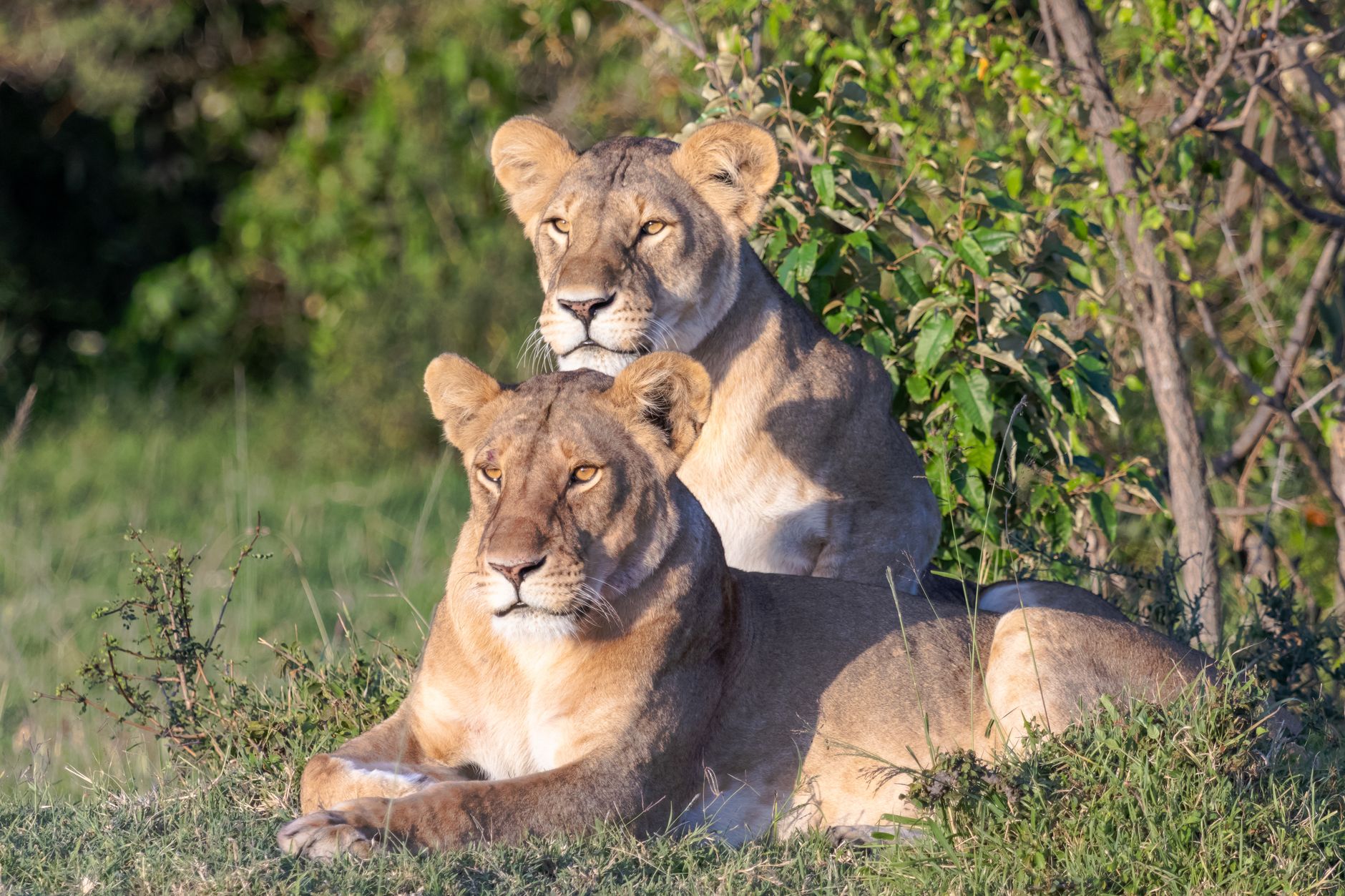
When a lion yawns in the Maasai Mara, travelers often reach for a camera. Guides see something else: territory, prey, family bonds, and a life that scientists are following in real time. Mara predator research and lion collaring projects have grown into a wider conservation effort across the Greater Mara Ecosystem. For a safari guest, knowing how that research works makes a sighting richer. You understand what the collar on a lioness measures and why her movements matter.
This article explains the science in plain terms, separates GPS collaring from older identification methods, and shows what you can responsibly observe or support as a visitor. It also helps you plan where to watch predators, whether inside the Maasai Mara National Reserve or in community conservancies. If you are new to the region, start with our Maasai Mara safari guide for the basics.
What Is the Mara Predator Conservation Programme?
The Mara Predator Conservation Programme is Kenya Wildlife Trust’s research and conservation initiative for lions, cheetahs, wild dogs and other predators in the Greater Mara Ecosystem. Formed in 2018 by combining the Mara Lion and Mara Cheetah Projects, it pairs long-term monitoring with community engagement and evidence-based conflict reduction.
Why does that matter for a traveler? Because the programme shapes how the Mara is managed. Data from researchers influences where conservancies allow grazing, how tourism is zoned, and which areas stay open for wildlife. Without that evidence, park authorities and communities would be making decisions in the dark.
The programme also works with partners across the region. That means the research you hear about in the news is not a single project. It is a network of scientists, scouts, rangers and local leaders. When one team shares data, the whole ecosystem benefits.
This is what Maasai Mara lion research looks like on the ground: researchers in vehicles, collar signals on a screen, and community meetings where livestock losses are discussed without blame. The science is not hidden in a laboratory. It happens right where you are driving.
How Do GPS Collars Help Researchers Study Mara Lions?
GPS collars record where lions move and how they use different habitats, including protected areas, conservancies and unprotected community land. Researchers use those locations to map dispersal routes, identify wildlife corridors, assess conflict risk near livestock and guide timely conservation action.
Collars are not fixed to every lion. Fitting a collar requires experienced veterinarians and careful planning. Researchers choose which lions to collar based on the questions they want to answer. Some collars transmit locations several times a day. Others store data that is downloaded when the lion is close to a receiver.
The table below compares the main monitoring methods you might encounter on safari.
| Method | What researchers see | What you might notice on safari |
|---|---|---|
| GPS collar fitted to a lion | Precise locations, movement paths, corridor use, conflict risk near settlements | A collared lion moving with its pride; sometimes a visible collar from a distance |
| Whisker-spot identification | Individual identity from unique whisker patterns; presence, territory shifts, sightings history | No visible equipment; guides may name lions and share their history |
| Camera traps | Nocturnal activity, animals that avoid roads, den sites | A flash or sensor box on a tree or rock near a water source |
| Community reporting | Livestock losses, predator sightings, retaliatory kills outside protected areas | Rangers or community scouts discussing recent sightings at camp |
GPS lion collars in Kenya have produced especially important data about young males. When young males leave their birth pride, they often cross roads, rivers and settlements. Collar data shows exactly where those risky journeys happen.
Collars also reveal behavior that is hard to see from a vehicle. A lion may cross several kilometres of savanna in one night, but rest all day. The movement data helps researchers understand energy use, territory and hunting success.
One important point for visitors: collars do not replace other methods. Many individual lions are identified without collars at all, using photographs of whisker spots. That is why a guide may name a lion even when no collar is visible.
How Does Collaring Reduce Conflict Between Lions and Communities?
Collars can reveal when a lion approaches livestock areas or leaves a protected zone, allowing conservation teams and community partners to respond before a conflict escalates. The resulting movement data also identifies recurring risk areas, supports Lion Ambassador interventions and informs measures intended to reduce retaliatory lion killings.
Imagine a collared lioness crosses from Olkinyei into open grazing land. Her collar signal changes. Researchers see the boundary crossing and alert a community scout. The scout tells herders to move cattle to a safer boma for the night. The lioness continues on her way, unharmed.
This is not theoretical. It is the daily work of conservation teams in the Mara. The same data that helps researchers understand corridors also helps prevent livestock losses and saves lions from being killed in retaliation.
Human-wildlife conflict in Kenya is a serious issue, and the Mara is one of the places where it is most visible. When you see a boma built with brush, or hear a guide mention a recent livestock loss, you are seeing the edges of the conflict that predator research aims to reduce.
Community engagement is central. Former herders may become Lion Ambassadors, earning money to monitor lions instead of losing livestock to them. Researchers also work with schools and village meetings to explain why lions matter, and what a collar signal can tell them.
Which Predators and Habitats Are Monitored in the Greater Mara?
Mara research programmes primarily monitor lions and cheetahs, while broader conservation work also includes wild dogs, prey species and habitat conditions. Monitoring extends beyond the National Reserve into adjoining community conservancies, where connectivity, livestock presence and human activity strongly influence predator survival.
The Greater Mara Ecosystem is bigger than the reserve itself. It includes the National Reserve, the triangular Mara Triangle, and a ring of community conservancies such as Mara Naboisho, Olkinyei, Lemek and Ol Chorro Oirowua. To decide where to base yourself, read our comparison of private conservancies versus the Maasai Mara National Reserve.
Each habitat has different pressures. Inside the National Reserve, vehicles and tourism are regulated. In conservancies, tourism is often lower-density, and research teams may have closer relationships with landowners. On unprotected community land, livestock and people are part of the landscape, and predators face different risks.
Understanding that research happens outside the reserve helps explain why you might see monitoring equipment, research vehicles, or data collection near a sighting. It also shows why conservation in the Mara cannot stop at the reserve boundary.
If you want less crowding, some community conservancies offer quieter viewing. Look at Kenya safari areas with lower vehicle density when choosing your itinerary.
What Can Safari Visitors Learn from Mara Predator Research and Lion Collaring Projects?
Visitors can learn that a lion sighting represents one moment in a much larger landscape shaped by territory, prey, rainfall, livestock and corridors between protected areas. Responsible guests can contribute accurate sightings and photographs, avoid pressuring animals for close views, or support operators and programmes that value research and community coexistence.
Sightings become more meaningful when you connect them to territory, corridors and conflict. A lion sleeping under a bush near a river may be avoiding livestock or waiting for prey. A collared lioness moving quickly toward a conservancy boundary may be checking territory, not hunting.
Photographers benefit from research too. Knowing where lions are most active and when they switch hunting hours helps you plan morning or late afternoon drives. For camera settings and planning, check the best Kenya safari parks for photography. If you are choosing travel dates, see our best time to visit the Masai Mara guide.
How can you contribute without interfering? Follow park rules about distance and behavior. Do not call or throw objects to get a reaction. If a research project accepts public photographs, submit them with exact dates and locations. Some projects use whisker-spot images to track lions, so your photo could help identify an individual.
Ask your guide about the research you may see. Many guides who work in the Mara know which collared lions are active and can explain how local programmes run. Good guides will also remind you that a lion sighting is not a performance. It is a window into a life that is being studied with care.
Above all, mara predator research and lion collaring projects remind us that every lion has a history. Knowing a little of that history makes the moment on safari unforgettable.
What Do Travelers Frequently Ask About Mara Predator Research?
Travelers most often ask why lions are collared, how GPS data protects them, where the programme operates, how tourists can help, and how lions are identified without collars.
Why are lions collared in the Maasai Mara?
Lions are collared to record their movements across the National Reserve, conservancies and community land. The data helps researchers understand dispersal and corridors, identify livestock-conflict risks and recommend actions that improve lion survival.
How do GPS collars help protect lions?
GPS collars provide location data that can alert conservation teams when lions move toward high-risk livestock areas. This supports faster conflict mitigation and produces evidence for longer-term land-use and coexistence decisions.
Where does the Mara Predator Conservation Programme work?
The programme works across the Greater Mara Ecosystem, including the Maasai Mara National Reserve and adjoining community conservancies. Its monitoring has included areas such as Olkinyei and Mara Naboisho, reflecting the need to study predators beyond reserve boundaries.
Can tourists support lion research in the Maasai Mara?
Tourists can support research by choosing conservation-minded operators, following viewing rules, sharing reliable sightings or photographs where a project accepts them, and contributing to reputable conservation organisations. Visitors should never approach, feed or pressure animals to improve a sighting or photograph.
How are lions identified without collars?
Researchers can identify individual lions from their unique whisker-spot patterns, supported by features such as ear tears, nose colour and mane characteristics. The Mara Predator Project used this approach and maintained a sighting database, showing that collaring is useful but not the only monitoring method.
Now that you understand the research behind the sightings, you can plan a safari that puts you in the right place at the right time. Browse packages through FindMySafari, Valley Safaris, or Trunktrails Safaris. Compare safari operators on guide experience, vehicle density, and conservation practices before you book.
Then head out, watch closely, and remember that you are seeing more than a lion. You are seeing a landscape of science, community and survival. The collar you notice around a lioness’s neck is not just equipment. It is a message that someone is paying attention, and that the Mara is being studied with care.
Where Can You Find More Safari Planning Resources?
- Masai Mara Big Five safari from SafariPure
- Masai Mara Great Migration guide from Trunktrails Safaris
- Interactive Maasai Mara map from Valley Safaris
- Big Five safari collection on FindMySafari