Planning a safari can feel overwhelming, especially when you are searching in Urdu and most guides are written for English speakers. This masai mara travel guide for urdu speakers answers the questions that matter most to you. It covers visas, halal food, prayer times, costs in PKR, and the best time to see the Great Migration. You get honest, practical information without the sales pitch.
The Masai Mara is Kenya’s most famous wildlife reserve. It sits in the southwest, along the border with Tanzania. The grassland stretches for hundreds of kilometers. The Mara River cuts through it. Every year, over a million wildebeest and zebra cross this land. That journey is called the Great Migration. For many visitors, it is the main reason to come.
What Does a Masai Mara Travel Guide for Urdu Speakers Need to Cover?
Urdu-speaking travelers often have specific needs. You want to know if the food is halal. You need to know if there are places to pray. You want to estimate costs in rupees. This guide covers all of that. It also explains the practical steps, like getting the Kenya eTA and choosing a camp that suits your family.
Do Pakistani Citizens Need a Visa or eTA to Visit Kenya?
Yes, Pakistani citizens need an electronic travel authorization, or eTA, to enter Kenya. The older visa-on-arrival system is no longer available for most travelers. You must apply online before you fly.
The eTA application is done through the official Kenya government website. You need a valid passport, a recent photo, and proof of accommodation. You also need a return flight ticket. The fee is USD 30 for most travelers. That is roughly PKR 8,400 at recent exchange rates, though the rate shifts often, so confirm the total when you pay. The processing time is usually a few days. Apply at least two weeks before your trip to be safe.
Do not trust third-party websites that charge extra. The official site is the only one you need. If you have questions, your safari operator can guide you. The Kenya safari planning for Arabic speakers guide has similar visa steps that may help you understand the process.
What Is the Best Time to Visit the Masai Mara From Pakistan?
The best time depends on what you want to see. For most first-time visitors, the dry season from July to October is ideal. This is when the Great Migration reaches the Mara. Herds gather on the plains. River crossings happen, but they are not guaranteed. You might wait for hours. That is part of the experience.
Wildebeest calving mostly happens further south, in the southern Serengeti and Ndutu area of Tanzania, from around January to February. The Masai Mara itself does not typically host large calving numbers during these months, since most of the herd has moved south by then. The Mara is quieter in this window. Resident wildlife such as lions, elephants, and giraffes are still easy to find, and you will share the plains with fewer other visitors.
The wet season from November to December and from March to May brings green landscapes and many birds. Some camps close during the heavy rains of April and May. The roads can get muddy. Prices are lower because it is the off-season.
If you are coming from Pakistan, also think about weather at home. July and August are hot in Pakistan. The Mara is cooler, with mornings around 12 degrees Celsius and afternoons near 25. The evenings can feel cold, so bring a jacket.
For a deeper look at seasons, read our best time to visit Masai Mara guide.
What Wildlife Lives in the Masai Mara?
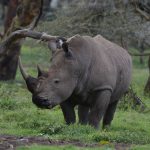
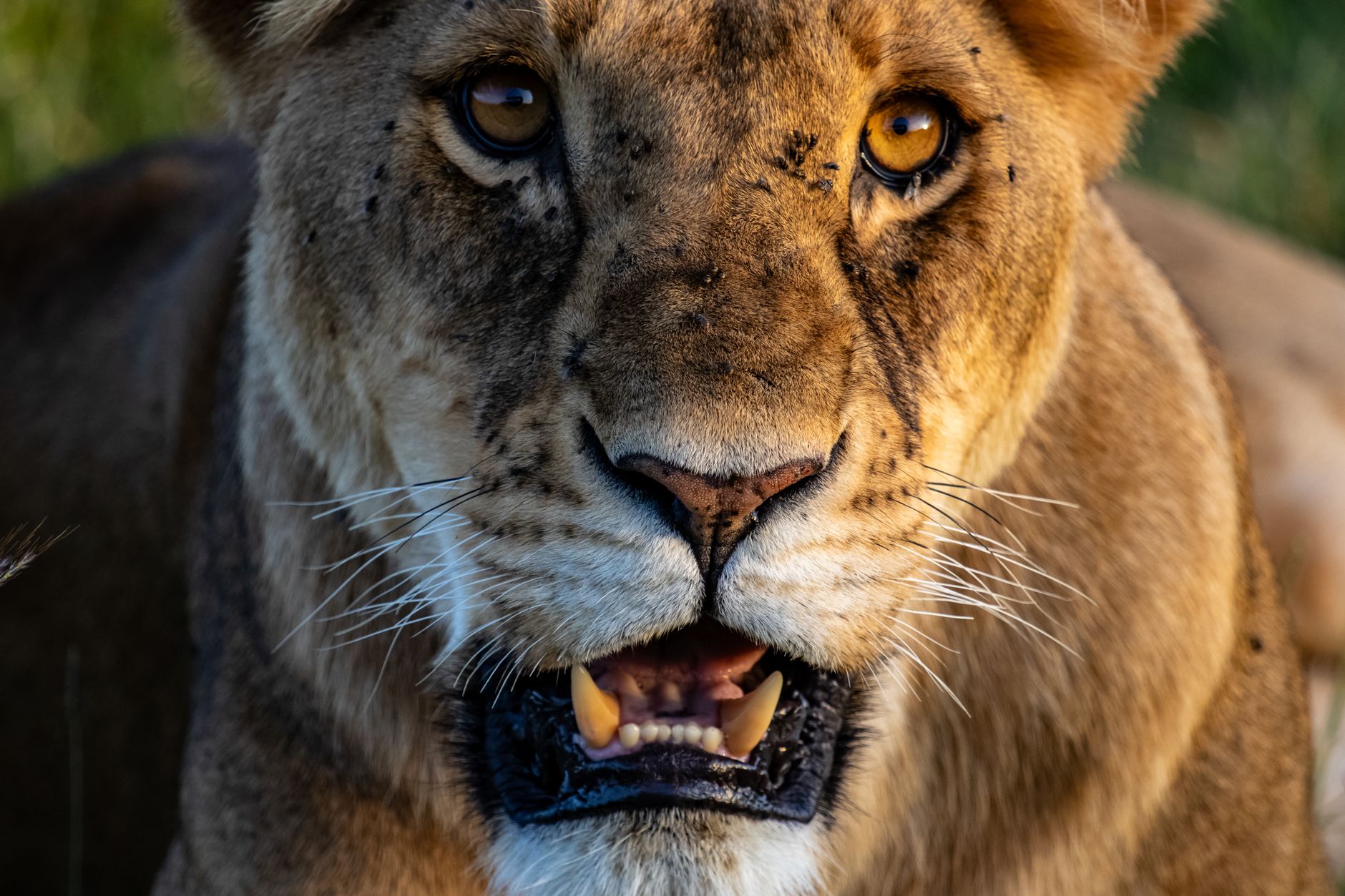
The Mara is famous for the Big Five: lion, leopard, elephant, buffalo, and rhino. You are almost guaranteed to see lions, elephants, and buffalo. Leopards are harder. They rest in trees and are often hidden. Rhinos are rare. The Mara has a small population, mostly black rhinos. You may see them with luck and a good guide.
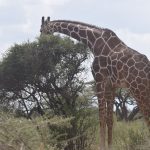
Beyond the Big Five, the Mara hosts cheetahs, hyenas, giraffes, hippos, crocodiles, and many antelope species. Over 470 bird species live in the region. If you love birds, bring binoculars.
The Great Migration is the highlight. The wildebeest and zebra cross the Mara River from July to October. Crocodiles wait in the water. The crossings are dramatic. Your driver will know the best spots, but there are no guarantees. Some days you see nothing. Other days you see everything. That is the nature of wildlife.
If you want to compare the Mara with other parks, our Masai Mara vs Amboseli article explains the differences.
What Is the Difference Between the Masai Mara Reserve and the Conservancies?
The Masai Mara National Reserve is the core protected area. It is managed by the county government. Anyone can drive there with a permit. The vehicle density can be high, especially during migration season.
The conservancies are private lands adjacent to the reserve. They are run by Maasai landowners and safari operators. Examples include Naboisho, Olare Motorogi, and Mara North. Access is restricted to camps inside the conservancy. This means fewer vehicles and a more exclusive experience. You can go off-road, which is not allowed in the reserve. Night drives are permitted in some conservancies, but not in the reserve.
Staying in a conservancy usually costs more than staying in the reserve outside peak season, though reserve fees rise sharply during the migration months. For a detailed comparison, read our camps and lodges compared in the Masai Mara guide.
Is Halal Food Available at Masai Mara Safari Camps?
Yes, most camps can provide halal food if you ask in advance. Kenya has a Muslim population of about 10 percent. Some camps already serve halal meat as standard. Others will arrange it with notice.
When you book, tell your operator that you need halal meals. They will inform the camp. At the table, you will find chicken, beef, or goat prepared according to Islamic rules. Vegetarian options are also common. Lentil soups, grilled vegetables, rice, and chapati are regularly served. Chapati is similar to roti, which is comforting for many Urdu speakers.
Breakfast is usually a buffet. Lunch and dinner are also buffets or plated meals. The chefs are happy to accommodate dietary needs. Just communicate clearly before you arrive.
Are There Prayer Facilities Near Camps and Lodges?
Most camps do not have a dedicated mosque or prayer room. But they can provide a quiet space. Ask the manager at check-in. They will often set aside a corner in the lounge or a private tent. You can also pray in your own tent. The tents are spacious and private.
Prayer times vary with the season. In Kenya, sunrise and sunset are close to 6 AM and 6 PM all year. The days are fairly consistent. You will have plenty of time between prayers. For Friday prayers, some travelers arrange a visit to the nearest town, but distance and travel time depend on which camp you choose. Ask your camp manager what is realistic before you book, especially if a Friday prayer visit matters to you.
Carry a small travel prayer mat and a compass. Your phone has a compass app. Align it with the direction to Makkah. For Kenya, that is roughly northeast. Your camp can help you confirm the direction.
How Many Days Do You Need in the Masai Mara?
Most visitors spend three to four days in the Mara. This gives you six to eight game drives. That is enough to see the Big Five and witness a river crossing if you are lucky. If you have more time, five nights is excellent. You can explore different areas of the reserve and the conservancies.
A short safari of two nights is possible. You will see animals, but you will feel rushed. The drive from Nairobi takes about five to six hours. A flight takes 45 minutes. If you only have a weekend, fly in and out.
Families with children may prefer three nights. Children get tired easily on long drives. Keep the pace relaxed. Build in time for rest at the camp.
How Much Does a Masai Mara Safari Cost in PKR?
Safari costs vary widely. The price depends on the season, the camp standard, and whether you stay in the reserve or a conservancy. Here is an indicative range for one person per day.
| Camp Type | Price per Person per Night (USD) | Price per Person per Night (PKR approx) |
|---|---|---|
| Budget camping | USD 150 to 250 | PKR 40,000 to 70,000 |
| Mid-range lodge | USD 300 to 500 | PKR 85,000 to 140,000 |
| Luxury conservancy camp | USD 600 to 1,200 | PKR 170,000 to 340,000 |
These prices include full board, game drives, and park fees. They do not include international flights, visa fees, or personal items. The exchange rate used here is roughly 280 PKR per USD, but it changes. Always check the current rate.
Budget camping means shared facilities and basic tents. Mid-range lodges have private bathrooms and comfortable beds. Luxury camps offer butler service, private pools, and exclusive conservancy access.
Park fees are separate and depend on the season. For the Masai Mara National Reserve, Narok County sets the non-resident adult fee. It is USD 100 per day from January through June. It rises to USD 200 per day from July through December, during the peak migration season. These rates took effect in October 2025. Conservancy fees vary by property, often in the USD 100 to 150 per day range outside peak months. These fees are usually included in the camp price quoted by your operator. Our Kenya safari cost guide has more details.
How Do You Get to the Masai Mara?
You have two main options: fly or drive.
Flying is faster. Scheduled flights depart from Nairobi’s Wilson Airport. The flight takes about 45 minutes. It lands at one of several airstrips in the Mara, such as Keekorok, Musiara, or Naboisho. Your camp will send a vehicle to pick you up. This is the best choice if you have limited time.
Driving takes five to six hours from Nairobi. The road to the main gate is tarmac for much of the way. The last section is a bumpy dirt road. The drive is scenic. You pass through the Great Rift Valley and small towns. It is a good way to see more of Kenya. A 4×4 vehicle is essential.
Many visitors do a combination. Drive in, fly out. This saves time on the return to Nairobi.
What Should Urdu-Speaking Tourists Pack for a Kenya Safari?
Pack for early mornings and cool nights. The temperature drops sharply after sunset. Bring layers.
Here is a practical list. Lightweight, long-sleeved shirts protect you from the sun and mosquitoes. Long trousers are better than shorts for game drives. A warm fleece or jacket is essential for dawn drives. Comfortable walking shoes work well.
Binoculars are a must. The camps provide them, but having your own is better. A camera with a zoom lens will capture distant animals. Bring a power bank. The tents have outlets, but game drives last many hours.
For your needs as a Muslim traveler, pack a travel prayer mat, a compass, and loose-fitting clothing. The camps are modest. You do not need to cover your head, but loose clothing is comfortable. Also bring any snacks you may miss. The food is good, but having familiar items helps some travelers.
Sunscreen, insect repellent, and a hat are necessary. The African sun is strong. A refillable water bottle is recommended. The camps provide filtered water.
Review our full Kenya safari packing list for more ideas.
Is the Masai Mara Safe and Comfortable for Muslim and Pakistani Travelers?
Yes, the Masai Mara is safe. Camps are secure. Guests are escorted to their tents after dark. The local staff are welcoming and professional. Kenya is used to international visitors from many countries. Muslims live in the region, so you will find familiar customs.
The biggest safety concern is wildlife, not people. Always follow the guide’s instructions. Do not step out of the vehicle on a game drive unless told to. Keep your windows up near predators. Hippos and buffalo are dangerous on foot. Stay with your group.
Pakistani travelers often ask about the cultural environment. The camps are respectful. You can observe your religious practices without issue. The staff will note dietary requirements and prayer needs at check-in.
Travel insurance is strongly recommended. It covers medical emergencies and trip cancellations. Check that your policy covers safari activities. Some policies exclude game drives. Read the fine print.
Ready to Plan Your Safari?
You now have the facts. The next step is to find a safari operator that fits your needs. We recommend you compare safari operators from trusted partners. Browse packages and read reviews. Look for operators that understand halal requirements and family travel.
Start with FindMySafari to compare offers. Or check Valley Safaris for Kenya-specific trips. Trunktrails Safaris also has a range of Mara packages.
For more background, the Masai Mara guide and the Masai Mara Travel Guide for Punjabi Speakers may help you explain the trip to relatives or friends. Compare operators, ask questions, then decide what fits your family and your budget.
Where Can You Find More Safari Planning Resources?
- Masai Mara Great Migration guide from Trunktrails Safaris
- Interactive Maasai Mara map from Valley Safaris
- Masai Mara destination guide on FindMySafari
- Best time to visit Kenya from Trunktrails Safaris