Many safari itineraries combine the Masai Mara with the Serengeti. The wildlife connection is real, and the two parks sit close together on a map. The border, though, changes the plan. The masai mara serengeti border crossing is not a simple gate inside the park. Travelers need an official border post, extra time, and usually a vehicle change. This guide looks at the two practical routes and helps you choose the one that fits your safari style.
Is There a Direct Crossing Between the Parks?
There is no normal public border crossing inside the Masai Mara and Serengeti parks. Most travelers exit the reserves and cross at the Isebania-Sirari One-Stop Border Post, west of the parks, before continuing with a Tanzanian vehicle. The Sand River-Bologonja link is a restricted conservation access route, not a standard immigration crossing for tourists.
That means you cannot simply drive from a camp in the Mara into the Serengeti with your Kenyan guide. Map apps sometimes show a track through Sand River, but that route is not set up for normal tourist formalities. If a safari proposal mentions direct cross-border access, ask the operator to explain the exact border procedure. Most reliable plans use Isebania-Sirari or a flight connection.
What Is the Road Route via Isebania-Sirari?
Most road transfers use the Isebania border crossing in Kenya and the adjoining Sirari border crossing in Tanzania. From the Mara you drive to Isebania, clear exit and entry formalities, then continue through Tarime and Mugumu to a western Serengeti gate. It is the standard overland route for this journey.
Expect a full travel day, not a quick stop. The Isebania-Sirari post is a one-stop point, which makes the paperwork easier to follow. Still, the route needs a Kenyan vehicle to the border and a Tanzanian vehicle onward. Road surfaces are mixed, and afternoon rains can extend driving time.
When Does Flying Between the Masai Mara and Serengeti Make Sense?
Flying makes sense when your safari is short or you want to shorten transfer time. A typical fly-drive-fly route links a Masai Mara airstrip with Migori, a short drive through Isebania-Sirari, and a connecting flight from Tarime to a Serengeti airstrip. The border is not removed. It is just fitted between flights.
On the Mara side, common departure airstrips include Keekorok, Musiara, and Mara Serena. On the Serengeti side, Seronera and Kogatende are common arrival points. The middle road leg is usually short, but connections need to line up. Your operator must coordinate the Kenyan and Tanzanian schedules.
Which Route Is Better for Your Safari: Road or Air?
The road route suits travelers with a relaxed schedule and a taste for overland travel. The fly-drive-fly route suits travelers with fewer nights, lighter luggage, and a desire to spend more time on game drives. Neither option is right for everyone.
| Road via Isebania-Sirari | Fly-drive-fly via Migori and Tarime | |
|---|---|---|
| Main steps | Drive from a Masai Mara camp to Isebania, clear the border, continue to the western Serengeti | Fly from a Mara airstrip to Migori, cross by road, fly from Tarime to a Serengeti airstrip |
| Typical travel time | Roughly 8 to 10 hours, often a full day | Usually shorter than a full road day, with schedule buffers |
| Border formalities | Isebania-Sirari one-stop post; allow 1 to 2 hours | Same border, timed between flights |
| Vehicle change | Kenyan vehicle ends at the border; Tanzanian vehicle begins | Vehicle changes for the short border transfer |
| Best choice for | Flexible travelers who enjoy overland days | Travelers with fewer nights or tighter schedules |
Cost also shapes the decision. A road day may fit a simpler budget, while flights add expense but can protect game-drive time. See our East Africa safari budget breakdown to check where the transfer fits in your total. If you are still choosing between countries, our Masai Mara vs Serengeti cost comparison is worth reading before you book.
What Vehicle and Document Rules Apply at the Border?
Before crossing, confirm passports, visas or entry permissions, and the vehicle change. A Kenyan-registered safari vehicle generally cannot operate inside Tanzania’s parks, and a Tanzanian vehicle faces restrictions in Kenya. Most combined itineraries hand over vehicles at or near Isebania-Sirari, with luggage moved between them.
Health rules and visa processes change by nationality. Check official government websites in the weeks before departure. Carry printed copies of your itinerary, park permits, and insurance details. A good operator will prepare the border folder, but you are the one standing at the window.
How Long Does the Masai Mara Serengeti Border Crossing Take?
Plan on a full day for the road route. From a Masai Mara camp to a western Serengeti gate, allow roughly 8 to 10 hours, plus up to 1 to 2 hours for border formalities. A fly-drive-fly connection takes several hours, but the overall time depends on flights and road transfers.
The border line itself is often quick. What slows you down is the distance between the parks and the vehicle switch. Weather, wildlife on the road, and airstrip wait times can all add to the day. Treat the crossing as a dedicated travel day and you will not feel rushed.
Isebania or Namanga: Which Border Is Better for This Trip?
For a direct Masai Mara to Serengeti transfer, Isebania is normally the better border. Namanga lies much farther east and makes sense for routes that connect Nairobi, Amboseli, or Arusha. Choosing Namanga for a Mara-to-Serengeti crossing adds hours of driving, so it only works when your itinerary needs that side trip anyway.
Some travelers ask about Namanga because it is well known and appears on bus routes. For the crossing between the Mara and Tanzania, though, Isebania is more logical. It sits closer to the Mara, which reduces unnecessary backtracking.
When Should You Combine the Masai Mara and Serengeti?
Combine the parks when you have enough days for a transfer day and when both sides add real wildlife value. The Mara’s private conservancies offer lower vehicle density and strong predator viewing. The Serengeti gives you vast plains and regional migration patterns. Do not force the crossing into a short safari.
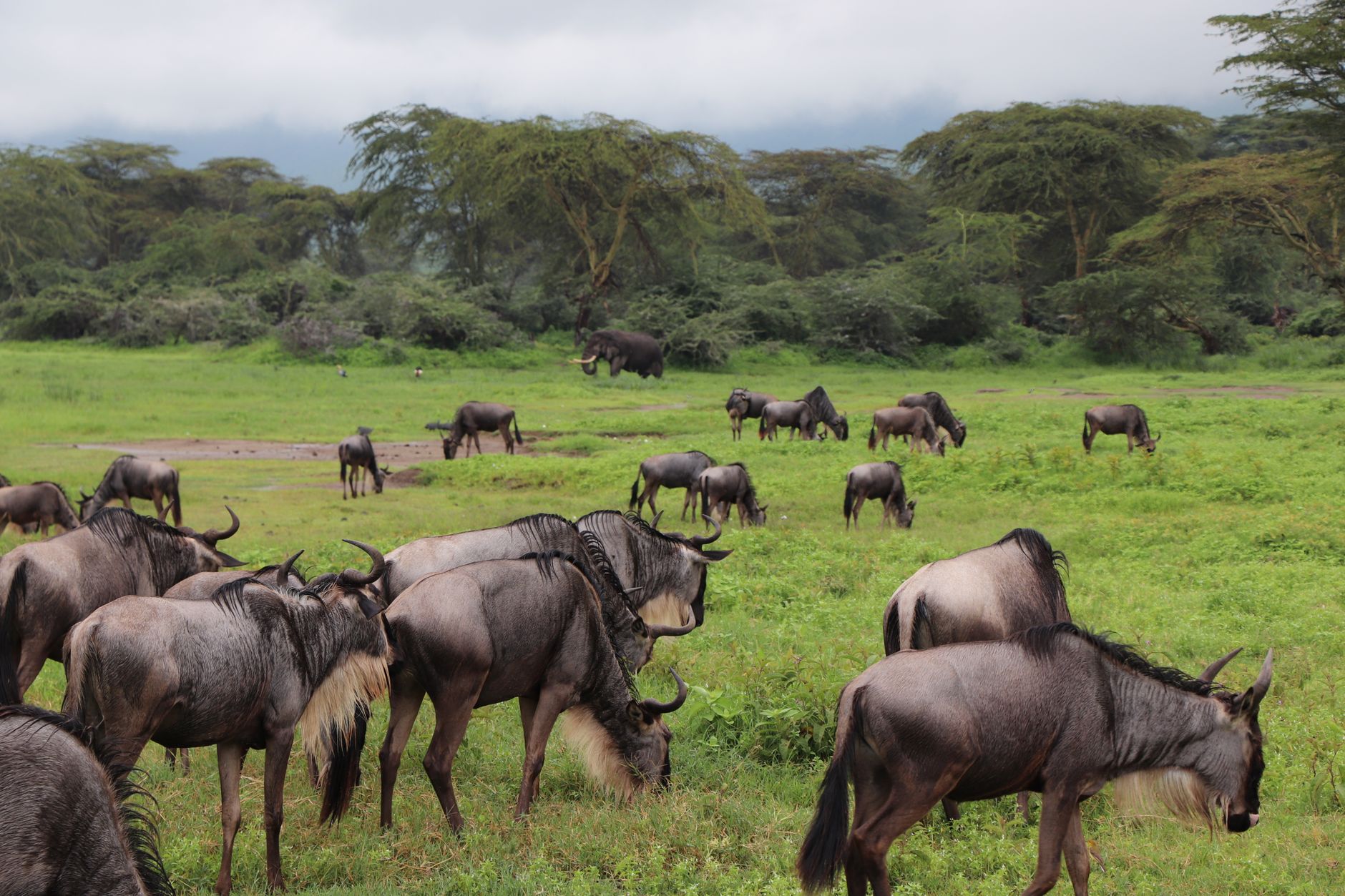
The Mara and Serengeti share the wildebeest and zebra migration, but the herds do not follow a fixed schedule. Our Serengeti vs Masai Mara migration timing guide can help you decide which side deserves more nights. If a conservancy like Mara North or Olare Motorogi is part of your plan, factor the border day around the airstrip you use. The conservancies keep vehicle numbers lower and create a different safari feel from the public reserve.
Which Cross-Border Route Should You Choose?
Choose the road route if you have a full day, an overland appetite, and a flexible plan. Choose fly-drive-fly if you have fewer nights, want less transfer stress, or need to protect game-drive time. Both routes use the official Isebania-Sirari post, and both involve a vehicle change.
Where Can You Find More Safari Planning Resources?
- Maasai Mara interactive map from SafariPure
- Masai Mara Great Migration guide from Trunktrails Safaris
- Nairobi to Maasai Mara route guide from Valley Safaris
- Masai Mara destination guide on FindMySafari
The right route depends on your travel dates, budget, and the camps you book. Compare safari operators before you commit so you understand how each company handles the border. FindMySafari, Valley Safaris, and Trunktrails Safaris can help you compare operators and browse packages that fit your route.