The Great Migration is the image that brings many travelers to East Africa. It is also one of the easiest safari decisions to get wrong. When people compare the serengeti vs masai mara migration, they usually want a simple answer. Which park offers better wildlife? Which months match the herds? The honest answer starts with the calendar.
The herds live in Tanzania’s Serengeti for most of the year. They enter the Masai Mara in Kenya for a shorter stretch, usually from late June or July through October. That means your travel dates matter more than the park’s name. This guide compares the two destinations month by month, explains crossings and calving season, and helps you choose.
Where Are the Herds Each Month in the Serengeti and Masai Mara?
The herds spend most of the year in the Serengeti. Calving usually happens around Ndutu from January to March. Movement continues through the Western Corridor from April to June. The Northern Serengeti and the Masai Mara usually host the herds from July to October. They start moving south again in November.
Rainfall decides the exact movement from year to year. A late wet season can shift everything by weeks. Use the pattern below as a map, not as a train timetable.
| Month range | Where the main herds are usually found |
|---|---|
| Late December to March | Southern Serengeti, especially around Ndutu and the short-grass plains. Calving peaks from late January into February. |
| April to May | Central Serengeti and the Western Corridor. The herds spread out as the long rains arrive. |
| June | Western Serengeti near the Grumeti River. Some groups begin moving northwest. |
| July to August | Northern Serengeti and the northern Masai Mara. Mara River crossing chances rise. |
| September to October | Northern Masai Mara and the Northern Serengeti. Large concentrations gather in the Mara reserve and adjoining conservancies. |
| November to December | The herds drift back through eastern and southern Serengeti toward the calving plains. |
Notice one thing from the table. The Masai Mara hosts the main herds for a shorter window than the Serengeti. Yet it hosts the migration at the exact time when the herds may cross the Mara River. If your dates are outside July to October, put the Serengeti higher on your list. If you plan a Kenya-only trip, check our best time to visit Masai Mara guide for local details.
When Is the Best Time to See the Serengeti vs Masai Mara Migration?
Choose January to March in the southern Serengeti for calving and predator action. Choose July to October in the Northern Serengeti or Masai Mara for large herds and crossings. October or November can give you a quieter Mara trip. September often offers the best balance between wildlife activity and lower crowd pressure than August.
There is no single best month for everyone. You need to match the month to the experience you want.
Late January and February are the classic calving months around Ndutu. You see newborn wildebeest and the predators that follow them. Lion, cheetah, and hyena activity can be strong because food is easy to find. The grass stays short, which makes game viewing easier in the open plains.
April to June is less famous. The herds are on the move through the Western Corridor, but they are spread out. You may have large areas to yourself. Some camps close during the long rains, so check availability carefully before planning this window.
July to October is peak migration season across the Northern Serengeti and Masai Mara. Herds gather in bigger numbers as dry conditions push them north. This is also the season for Mara River crossings. If you want that exact image, plan for this window.
Mara River Crossings or Serengeti Calving Season: Which Is Better for You?
The Masai Mara is the better choice for the migration’s most famous spectacle: wildebeest crossing the Mara River, usually between August and September. The Serengeti is better for calving, newborns, predator activity, and a longer viewing season. Neither crossings nor exact herd positions are guaranteed because rainfall controls movement.
River crossings are not a daily sight. Even in peak months, a crossing depends on river level and the mood of the herd. Some days the wildebeest arrive at the bank and stop. Some days they cross quickly. And some days they cross on the other side of the river while you watch from a crowded viewpoint.
Calving is easier to schedule. It happens broadly each year in the short-grass plains around Ndutu. You may see calves that are only hours old. Lions and cheetahs work the edges of the herds. This is a wildlife spectacle even when no river is crossed.
If a crossing is your main goal, give yourself time. A single night near the Mara River is a gamble. You need at least four nights in the northern Masai Mara or nearby Mara Triangle to improve your odds. The best operators will also suggest staying in a private conservancy, where vehicles can position themselves with less pressure.
Which Destination Gives Better Wildlife Viewing: Serengeti or Masai Mara?
Choose the Serengeti for greater scale, a longer migration window, and seasonal wildlife experiences spread across different regions. Choose the Masai Mara for compact game viewing, strong resident wildlife, and a better chance of seeing concentrated herds during the July to October peak. The better destination depends on travel dates, not only the park’s name.
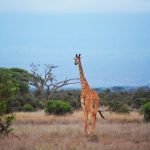
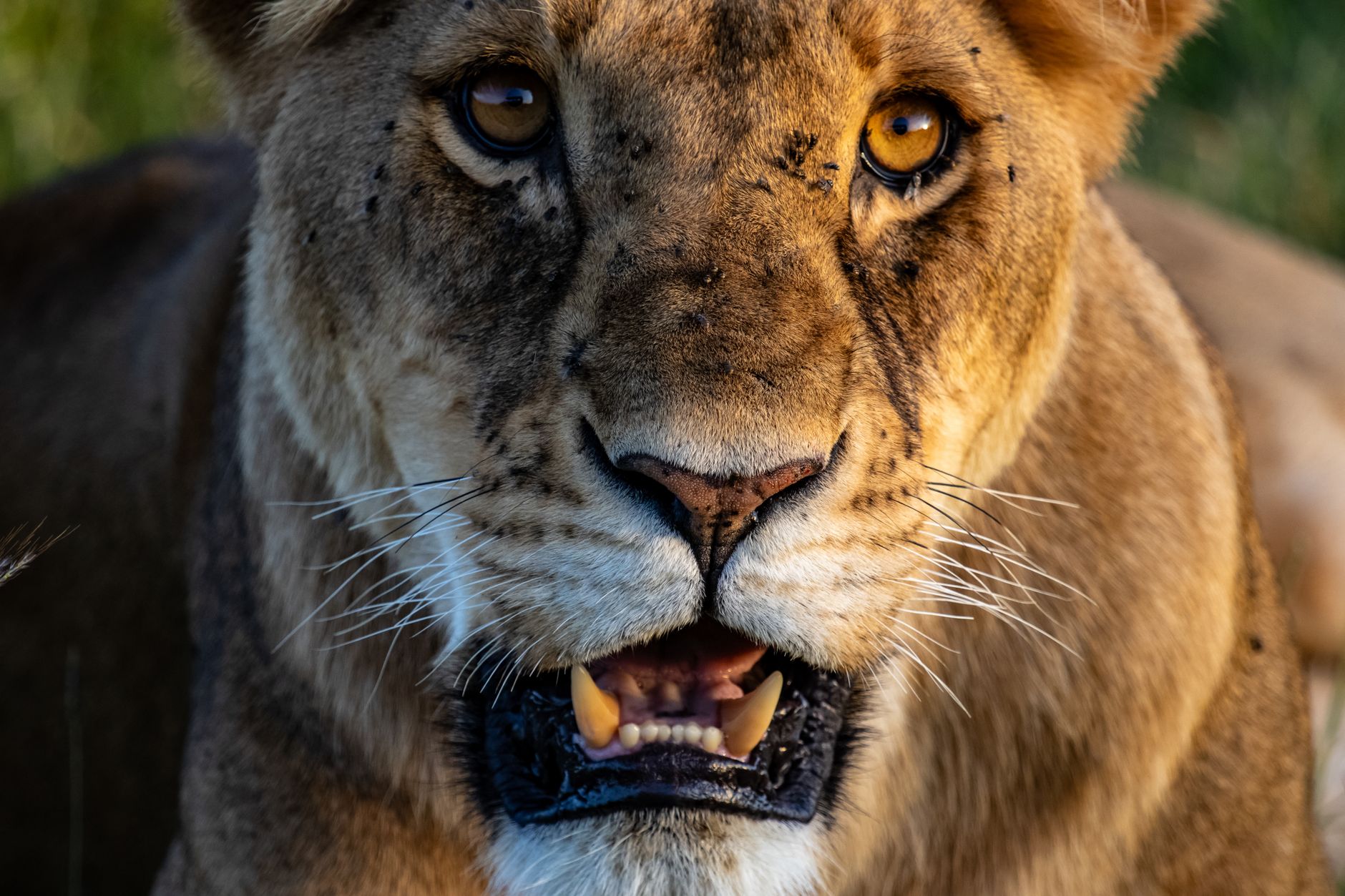
Both parks have strong resident populations of lion, leopard, cheetah, elephant, and giraffe. You do not need the migration to see predators. The Mara supports big cats all year, even before the herds arrive, because resident prey is abundant. The Serengeti supports the same predators over a much larger area, so game drives may be longer but less crowded.
The Serengeti rewards patience. The terrain changes from open plains to woodlands to river lines. You can spend a week there and cover several ecosystems. The Masai Mara rewards focus. The reserve is compact, and the core wildlife areas sit close to the main camps. That makes it an excellent choice for a shorter safari or a first trip to Africa.
In Kenya, private conservancies change the experience. The Mara Triangle and conservancies such as Mara Naboisho and Mara North place limits on vehicles. You get a more private safari feel and often better access to wildlife. For a full overview of regions and camps, read our Masai Mara guide.
How Do Crowds, Safari Access, and Conservation Differ Between Serengeti and Masai Mara?
The Masai Mara can deliver excellent sightings with shorter drives from Nairobi, but peak crossing viewpoints may become crowded, especially around public reserve access points. Private conservancies and the Mara Triangle can improve positioning and reduce vehicle pressure. The Serengeti offers more space, but longer distances, higher logistics costs, and strict park or concession rules are trade-offs.
The Masai Mara is easier to reach. Travelers flying into Nairobi can use a short domestic flight or a long road transfer. This makes the Mara convenient for a 4-day safari. The Serengeti usually requires a bigger time commitment. You may fly between multiple airstrips or drive long distances inside the park.
Crowd pressure is hardest to predict. During August, many vehicles gather at known river crossing points in the Masai Mara. The public reserve can feel busy at those moments. The Serengeti has more land, so you are less likely to share a sighting with many vehicles. But that does not mean the Serengeti is empty. Camps and vehicles concentrate around the same seasonal hotspots.
Conservation also shapes the two destinations. In the Masai Mara, community conservancies pay Maasai landowners to keep their land open for wildlife. This creates a buffer around the national reserve and helps fund local projects. In the Serengeti, protection is built around a central national park with fewer permanent settlements. Both systems matter because they protect the same migrating herds across an international border.
Budget plays a role too. Serengeti safaris often cost more because internal flights, long transfers, and park fees add up. Masai Mara safaris can be more affordable from Nairobi, though high-end conservancy camps command premium rates. Compare the figures in our Masai Mara vs Serengeti safari costs and Serengeti safari cost breakdown pages before setting your budget.
What Do Travelers Ask About the Serengeti vs Masai Mara Migration?
Is the migration better in Serengeti or Masai Mara?
The Serengeti is better for seeing the migration across more months, especially during January to March calving and the April to June northward movement. The Masai Mara is better for the concentrated July to October season and the possibility of Mara River crossings. Your travel dates should determine the choice.
What month is best for Masai Mara migration?
August and September are usually the strongest months because large herds may be present and river-crossing activity is most likely. September can offer a better wildlife-to-crowd balance than August, but rainfall means no specific crossing date can be guaranteed.
Can you see the Great Migration in the Serengeti?
Yes. The Great Migration takes place in the Serengeti for most of the year, including calving in the south, movement through the central and western areas, and crossings in the Northern Serengeti. The Serengeti generally provides a longer migration-viewing window than the Masai Mara.
Are the Mara River crossings guaranteed?
No. River crossings depend on rainfall, water levels, herd positioning, and animal behavior, so guides cannot guarantee a crossing on a particular day. Staying at least four nights in the northern Masai Mara or nearby Mara Triangle improves the opportunity compared with a short one- or two-night visit.
Is Serengeti more expensive than Masai Mara?
Serengeti safaris are often more expensive because the park is larger, internal flights and long road transfers can add cost, and accommodation may include concession fees. The Masai Mara can be more accessible from Nairobi, but peak-season camps and private conservancies can also command premium prices.
How Should You Compare Safari Operators for a Serengeti or Masai Mara Trip?
Compare operators by matching your travel dates to your top priority, whether that is calving, crossings, or predator viewing. A good operator will tell you honestly where the herds are and where they are not, explain vehicle limits and camp locations, and outline what happens if rainfall shifts the herds.
Use our guide on how to compare safari operator quotes to request comparable itineraries.
When you are ready to browse packages, check operators listed on FindMySafari, Valley Safaris, and Trunktrails Safaris. Each has experience with the Serengeti or Masai Mara route, and a shortlist will help you see which camp style fits your dates and budget.
Where Can You Find More Safari Planning Resources?
- Maasai Mara interactive map from SafariPure
- Masai Mara Great Migration guide from Trunktrails Safaris
- Interactive Maasai Mara map from Valley Safaris
- Masai Mara destination guide on FindMySafari