Narok County now charges non-resident visitors USD 200 per adult per day to enter the Masai Mara National Reserve, but only from July through December. Book a trip for the first half of 2026 instead, and the same gate charges USD 100. That is not a small surcharge tacked onto a base rate. It is a full doubling, tied strictly to the calendar. Touring Insights breaks down what triggers the jump, what the higher fee actually buys inside the reserve, and how to plan a trip around it without wasting your budget.
What Actually Changed: Mara’s Seasonal Fee Split
Narok County Government sets and collects the Masai Mara National Reserve’s gate fee, separate from Kenya Wildlife Service parks like Amboseli or Tsavo. For 2026, the county split its non-resident adult rate into two blocks. From January 1 through June 30, the fee sits at USD 100 per day. It then rises to USD 200 per day between July 1 and December 31. Children aged 3 to 17 pay roughly half the adult rate in both windows, though camps and operators should confirm the exact figure at booking. This split covers the main reserve, entered through gates like Sekenani, Talek, Oloolaimutia, and Musiara. A separate schedule applies to the Mara Triangle sector, run by the Mara Conservancy, which has historically kept its own fee structure and may not track this exact split. Confirm directly before you travel.
Masai Mara Fees by Season: The Numbers
| Detail | Low season (Jan 1 – Jun 30, 2026) | High season (Jul 1 – Dec 31, 2026) |
|---|---|---|
| Non-resident adult fee (per day) | USD 100 | USD 200 |
| Non-resident child fee (3-17), indicative | approx. USD 50 | approx. USD 100 |
| Peak wildlife draw | Calving season (Jan-Feb), long rains greenery (Mar-May) | Wildebeest river crossings (Jul-Oct), driest tracks |
| Camp rates, indicative per person/night | approx. USD 300-700 | approx. USD 500-1,200+ |
| Vehicle traffic at top sightings | Lower | Higher, especially near river crossing points |
Why Narok County Splits the Fee by Season
The Masai Mara sits inside a wider East African migration cycle. Millions of wildebeest and zebra move north from Tanzania’s Serengeti and cross the Mara River into Kenya, typically between July and October. That crossing draws the single heaviest tourist demand of the year. Narok County’s fee split lines up closely with that window. Higher demand months carry the higher gate charge. Lower demand months, including the long rains from March to May, carry the lower one. This pattern already shows up at other Kenyan sites, where fees shift with rainfall and wildlife visibility rather than staying flat all year. What makes the Mara version notable is the size of the jump. A flat doubling is a bigger swing than most seasonal adjustments at KWS-run parks.
How Mara’s Seasonal Split Compares to Other Kenya Parks
Most Kenya Wildlife Service parks handle fee changes differently. Amboseli, Tsavo, and Lake Nakuru typically charge one flat non-resident rate for most of the year, adjusting it only during periodic reviews rather than by calendar season. The Masai Mara’s built-in high season and low season split is uncommon among Kenya’s major parks, since Narok County runs its own fee structure independent of KWS policy. Travelers used to booking a KWS park at one steady price should not assume the same applies once they cross into Mara territory. The two systems run on separate rules, separate authorities, and separate timelines for change.
What $200 Buys You in High Season
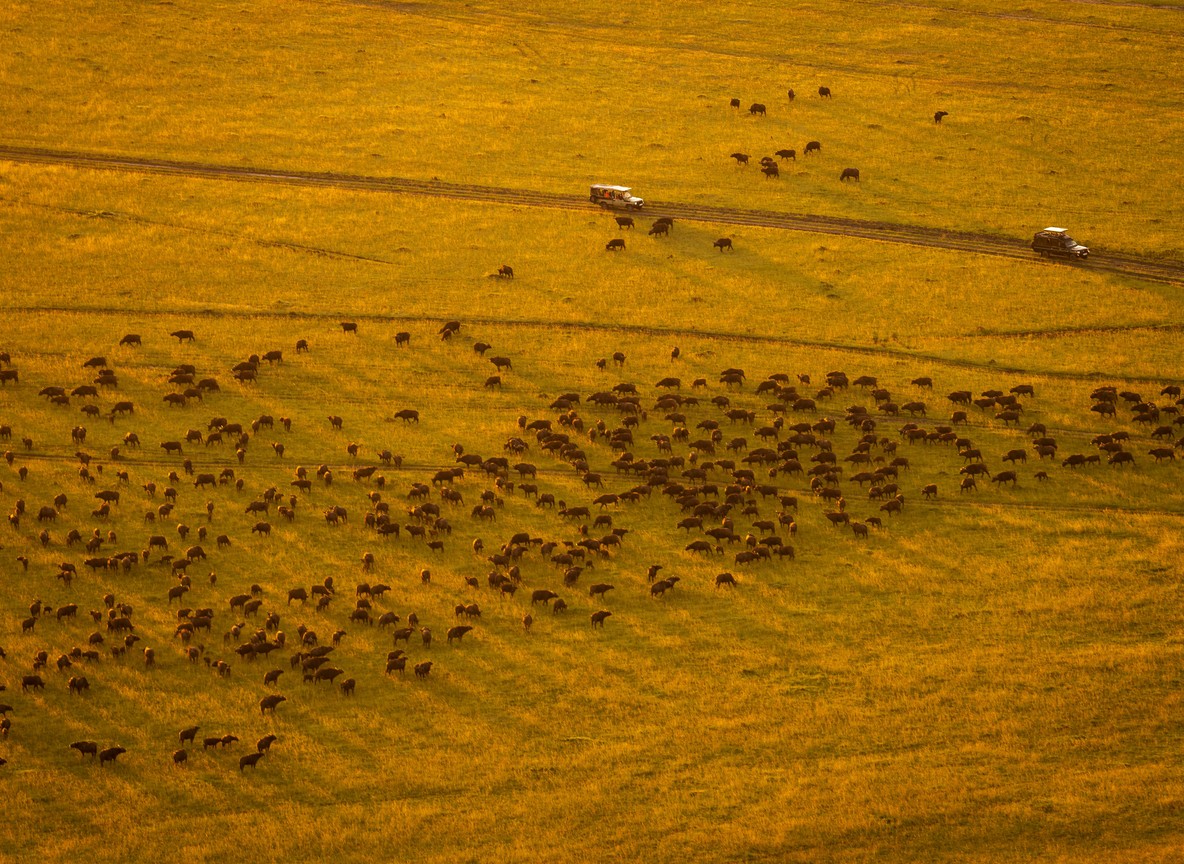
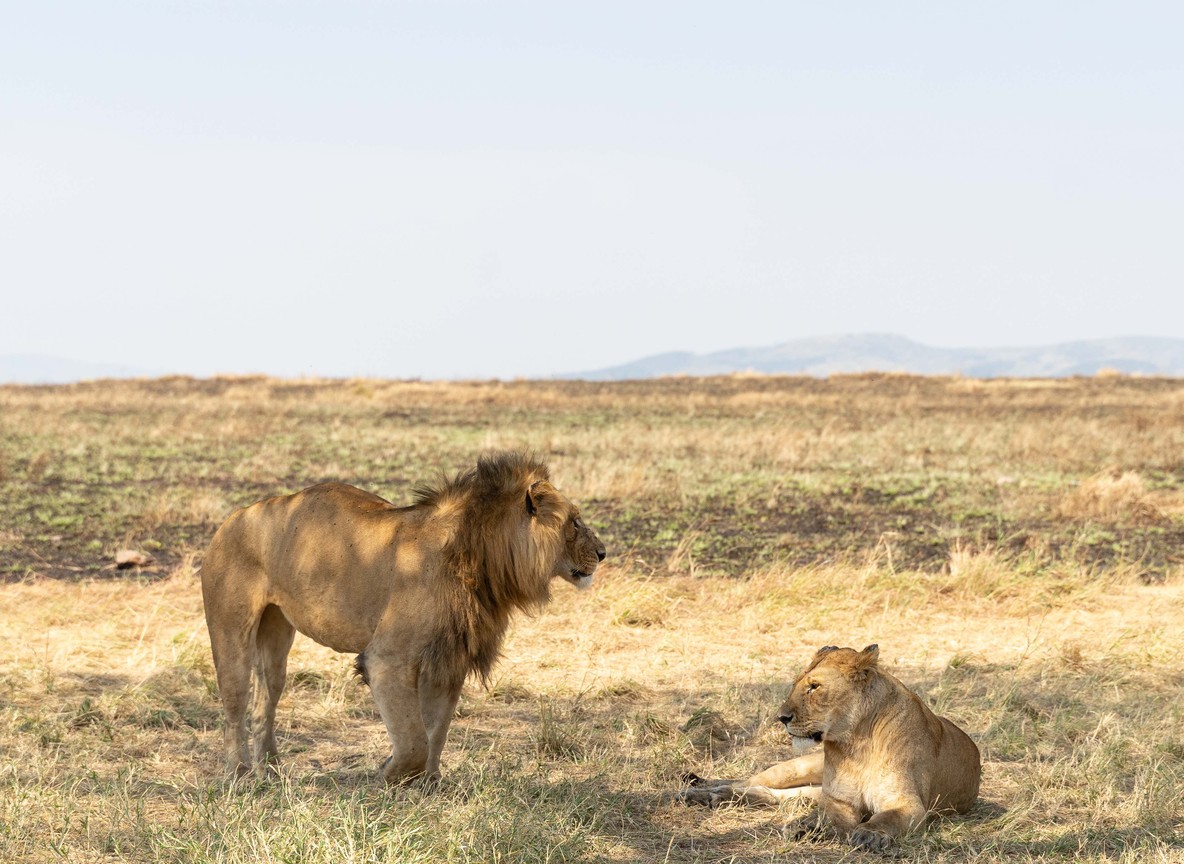
Paying the high season rate puts you inside the reserve during its most reliable wildlife window. Dry tracks mean easier road access from gates like Sekenani and Talek. Predator sightings cluster around the migrating herds, since lion and hyena follow the same corridors as the wildebeest. River crossing points near Lookout Hill and Paradise Plains draw the most dramatic sightings of the year, often a short drive from camps like Governors’ Camp near Musiara or Basecamp Masai Mara near Talek Gate. The trade-off is crowding. Popular crossing points can draw a dozen or more vehicles at once, since the reserve carries no contractual vehicle cap. Camp rates also climb well above low season levels, often into four figures per person per night at upper-tier properties.
What $100 Buys You in Low Season
The lower fee window is not a consolation prize. January and February cover the Mara’s calving season, when thousands of wildebeest give birth within a few weeks. Newborn calves draw predators in numbers that rival the migration itself, without the crossing-point crowds. March through May brings the long rains, softening tracks and thinning visitor numbers further. Grass grows tall and green, and birdlife peaks during these months. Camps like Mara Serena Safari Lodge, perched on a ridge above the reserve, often run their lowest rates of the year in this window. Anyone planning a return trip, or a first Mara visit built around birding and quieter game drives, gets real value from the USD 100 rate. It is half the gate cost for a genuinely different, not lesser, experience.
Getting There: Same Distance, Different Conditions
Nairobi sits roughly 270 km from the Mara by road, a drive of 5 to 6 hours through Narok town in normal conditions. That drive can stretch longer during the long rains, from March through May, when sections of the route soften. Flying cuts the trip to about 45 minutes from Nairobi’s Wilson Airport into airstrips like Keekorok, Musiara, or Ol Kiombo. Flight schedules run more frequently in high season, matching the surge in visitor numbers. Low season travelers should confirm flight timings directly, since some carriers trim frequency outside peak months.
How to Budget a Trip Around the Fee Split
Families and groups feel the seasonal jump the most, since the gate fee multiplies by every non-resident traveler on every day inside the reserve. A family of four staying four nights inside the reserve pays roughly USD 3,200 in gate fees alone at the high season rate, versus USD 1,600 at the low season rate, before a single camp night gets booked. That gap alone can cover an extra one or two nights at a mid-range property in low season. Travelers fixed on witnessing a river crossing should budget for the USD 200 rate and treat it as the cost of that specific sighting. Anyone open to calving season or green season scenery can cut their gate cost in half and often find better camp availability too.
Groups can also mix strategies to soften the high season hit. Spending two nights inside the National Reserve for the crossing, then moving to a bordering conservancy like Mara North or Naboisho for the remaining nights, caps the number of days billed at the USD 200 reserve rate. Conservancy conservation fees run lower than the high season reserve charge in many cases, and they come with the added benefit of no vehicle-density cap to compete against at sightings. This split-stay approach works best when booked well ahead of July, since high season camp availability tightens fast once migration news starts spreading.
Explorer Notes
Ask your operator whether your itinerary crosses the July 1 or January 1 fee-change date before you book. A trip starting June 29 and ending July 3 can straddle both rates, and some operators bill the split by the day, not by the trip. Confirm this in writing before you pay a deposit. Guides also note that early July, right after the rate jump, often still carries decent crossing activity with slightly thinner crowds than August, since word of the season has not fully spread yet. If budget matters more than the crossing itself, ask your camp about late June dates specifically, since the low season rate still applies through June 30 even as migration activity often starts building.
What to Read Next
- Weighing the reserve against private land next door? Read our Mara conservancy vs reserve 2026 fees guide.
- Want the full breakdown of who pays what at the gate? See our Masai Mara reserve entry fees explained.
- Planning around the migration itself? Check our best time to visit Masai Mara month-by-month guide.
FAQ
When exactly does the Masai Mara high season fee start? The USD 200 non-resident adult rate applies from July 1 through December 31, 2026. A lower USD 100 rate applies January 1 through June 30.
Does the child fee also double in high season? Indicative figures suggest the child rate (ages 3-17) roughly follows the adult split, moving from about USD 50 to about USD 100 per day. Confirm the exact figure with your operator, since rates can change.
Is the Mara Triangle fee the same as the main reserve? Not necessarily. The Mara Triangle is managed separately by the Mara Conservancy and has historically run its own fee schedule. Check directly before assuming the same seasonal split applies there.
Is the high season fee worth paying for the migration? For travelers specifically chasing a river crossing, yes, since that window from July through October offers the best odds. Travelers open to other wildlife highlights can get strong value from the lower off-season rate instead.
Do fees apply per day or per trip? The fee is charged per 24-hour period inside the reserve, not as a flat trip cost. A four-night stay generates four separate daily charges per person.
Planning which season fits your trip, and your budget, is easier with a full itinerary in front of you. Visit Touring Insights’ Tour Packages page to compare Masai Mara options built around either fee window.
Further reading
More safari planning resources
- Best time to visit Kenya map from SafariPure
- Best time to visit Kenya month-by-month map from Valley Safaris
- Best time to visit Kenya on Touring Insights
- Great Migration safari collection on FindMySafari
Related guides: All-Inclusive Safari vs Room-Only in the Masai Mara: What Are You Actually Paying For, Malindi’s Low-Season Beach Festival: What 100% Occupancy Actually Looked Like.