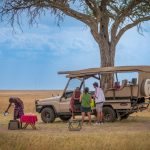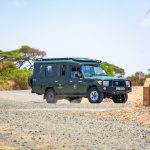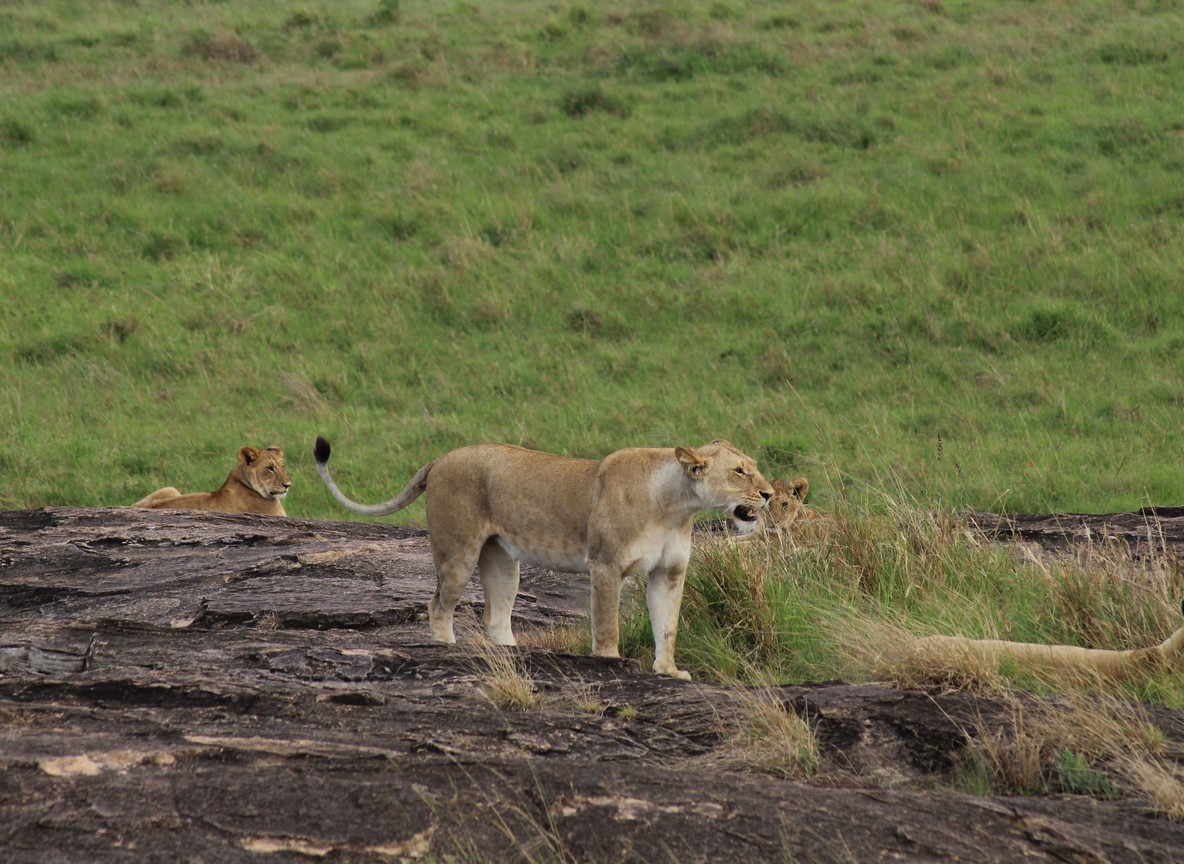
Search “Masai Mara overcrowding” and you will find viral photos of dozens of safari vehicles parked bumper to bumper at a river crossing. Those photos are real. They are also only half the picture. This guide looks at what the 2026 vehicle-density data and reserve rules actually show. It covers where crowding really concentrates, and how gate, season, and land-type choices change what you actually see on the ground.
Touring Insights is an independent planning resource, not a tour operator. This breakdown leans on published reserve figures and conservancy operating rules, not a sales pitch either way.
What “Overcrowding” Actually Means in the Mara
The word gets used loosely, so it helps to separate two different things. First is total visitor volume across the whole ecosystem, which has grown steadily as Kenya tourism recovered after 2021. Second, and more specific, is vehicle density at a handful of hotspots during a narrow window. That window is mainly Mara River crossing points during the Great Migration season, from July through October.
Most of the crowding complaints trace back to the second problem, not the first. The Masai Mara National Reserve and its surrounding conservancies cover a large combined area. Visitors are not evenly spread across it. A crossing point can draw 60 or more vehicles within an hour of a herd gathering. Game drive routes a few kilometers away can stay nearly empty at the same time.
Masai Mara Land and Access Numbers
Before comparing crowding levels, it helps to see how the ecosystem is actually divided and how visitors reach it.
| Metric | Figure |
|---|---|
| Masai Mara National Reserve, total area | ~1,510 km² |
| Mara Triangle (western sector, Mara Conservancy-managed) | ~510 km² of the total |
| Narok County-managed sector (eastern/central Reserve) | ~1,000 km² of the total |
| Greater Mara conservancies bordering the Reserve | 15+ conservancies, ~1,400 km² combined |
| Nairobi to Mara by road | ~270 km via Narok, 5-6 hours drive |
| Nairobi to Mara by air | ~45 minutes, Wilson Airport to Mara airstrips |
| Main Reserve gates | Sekenani, Talek, Oloolaimutia, Musiara, Sand River |
| Mara Triangle gates | Oloololo Gate, Purungat Gate |
| Non-resident adult entry fee, Reserve (indicative) | $80-100 per day |
| Conservancy conservation fee (indicative, per night) | $60-100, often bundled into camp rates |
Figures above are drawn from published reserve and conservancy sources and are indicative. Fees change and are reviewed periodically, so confirm current rates with Narok County or your camp before booking.
Reserve vs Conservancies: The Vehicle-Density Gap
This is the comparison that actually explains most crowding complaints. Open access at the Reserve and private management at the conservancies produce very different rules.
| Factor | Masai Mara National Reserve | Private Conservancies (Mara North, Naboisho, Olare Motorogi, and similar) |
|---|---|---|
| Vehicle cap per sighting | No enforced limit at most points | Typically capped around 5 vehicles per sighting |
| Bed-to-land density ratio | Not fixed; access open to all licensed operators and day visitors | Roughly 1 vehicle or bed per 350-700 acres, set by conservancy agreements |
| Off-road driving | Restricted, increasingly enforced during migration season | Often permitted in a controlled way for guided sightings |
| Night game drives | Not permitted | Permitted in most conservancies |
| Walking safaris | Not permitted | Permitted in several conservancies |
| Day-tripper vehicles from Nairobi | Common, especially July-October | Not permitted; conservancies are camp-guest only |
Easy access is also the Reserve’s biggest strength. Anyone with a valid ticket can enter, which keeps it more affordable than conservancy stays. That same openness lets vehicle numbers spike hard at a single crossing point. Migration timing is predictable, and word spreads fast over guide radio channels.
Where the Crowding Actually Happens
Vehicle-density complaints almost never describe the whole Reserve. They describe specific pinch points. Mara River crossing points near Lookout Hill and the area between Oloololo Gate and the Mara Triangle see the heaviest concentration. This peaks during wildebeest crossing weeks, typically August into September. Talek Gate and the plains near it also draw high traffic. They sit closest to the Talek-Aitong camp cluster, one of the densest concentrations of accommodation bordering the Reserve.
By contrast, the Sand River area in the far south, near the Tanzania border, stays comparatively quiet even during peak season. So does much of the eastern Reserve away from Talek. Guides who know the terrain often route a drive away from a known crossing pileup toward these quieter sectors. That trades a guaranteed crossing photo for a calmer wildlife sighting elsewhere.
Narok County’s Enforcement Push
Narok County manages the larger eastern and central portion of the Reserve. It has faced repeated pressure from conservation groups and tour operators to enforce existing vehicle-number and off-road rules more consistently, particularly at crossing points. Enforcement has historically been inconsistent between the county-run sector and the Mara Triangle. The Mara Conservancy, which runs the Triangle, has generally applied stricter vehicle-spacing and off-road rules.
2026 has brought renewed infrastructure investment to the Narok-managed sector, including road rehabilitation and a new reserve-wide monitoring center. Better internal roads and monitoring do not cap vehicle numbers at a crossing by themselves. They do make it easier for rangers to reach a pileup and disperse it, and easier for guides to route around a known hotspot instead of funneling toward the same access road as everyone else.
How to Avoid the Worst of the Crowds
Timing matters more than any other single choice. June and November sit just before and after the core migration window. Both months offer strong wildlife density with far fewer vehicles at any given sighting. Early morning game drives, out before 7am, consistently beat mid-morning drives for both wildlife activity and vehicle count. Day-trippers from Nairobi typically arrive by mid-morning.
Gate choice matters too. Entering through Sekenani or Sand River generally lands you in quieter sectors than Talek, simply because of what is built near each gate. Staying in a conservancy rather than inside the Reserve gives you the enforced vehicle caps shown above. It also lets you split a trip: part inside the Reserve for a crossing attempt, part in a conservancy for calmer game drives.
Private Conservancies: The Low-Density Alternative
The 15-plus conservancies bordering the Reserve exist specifically because of this crowding pressure. Landowners, mostly Maasai community members, lease grazing and wildlife rights to camp operators. Those agreements cap bed numbers and vehicle density in exchange for steady conservation fee income. Mara North, Naboisho, and Olare Motorogi are among the largest and most established conservancies, each running the roughly 5-vehicles-per-sighting rule shown above.
The tradeoff is straightforward. Conservancy stays cost more per night, since the conservation fee funds the low-density model directly. They also do not include the Mara River’s famous named crossing points. What they offer instead is a wildlife sighting without twenty other vehicles in the frame. Add night drives, walking safaris, and bush dinners, none of which the Reserve permits.
Explorer Notes
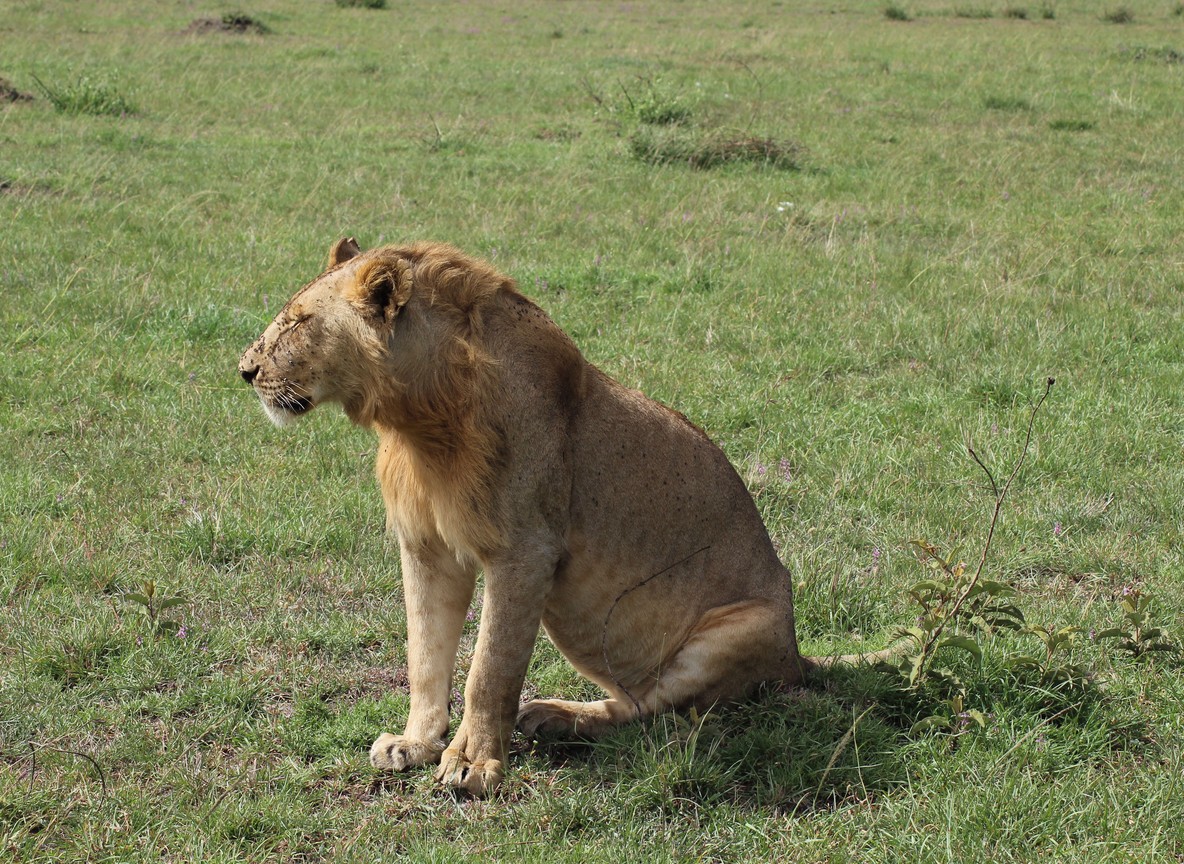
A few things guides mention that rarely make it into general planning articles. Radio chatter between guides is the real driver of crossing pileups. Once one vehicle spots wildebeest bunching near the river, word travels over shared radio channels within minutes. A quiet crossing point can fill in under half an hour. If your guide seems reluctant to rush toward a reported crossing, that is often experience talking, not a missed opportunity.
Second, the western Mara Triangle sector tends to enforce vehicle spacing more visibly than the eastern county-run sector. Travelers booking a Reserve-based, not conservancy, stay specifically to avoid crowds should ask which sector their camp accesses most often. Third, September crossings are usually calmer than August ones. The largest single migration pulse tends to peak in August, with more herds moving in smaller, spread-out groups by September.
Thinking through how crowding should shape your Mara trip? Visit our Tour Packages page to compare Reserve-based and conservancy-based itineraries, or ask a partner operator which camps combine both in one stay.
Frequently Asked Questions
Is the Masai Mara actually overcrowded? Overall visitor volume has grown, but true crowding concentrates at specific Mara River crossing points during peak weeks in August. It is not spread across the whole Reserve.
How many vehicles are allowed at a Mara River crossing? The open-access Reserve does not enforce a strict cap at most crossing points. That gap is the main source of pileup complaints. Private conservancies typically cap sightings around 5 vehicles.
Are private conservancies less crowded than the main Reserve? Yes. Conservancies like Mara North, Naboisho, and Olare Motorogi operate under bed-to-land density agreements of roughly 1 vehicle or bed per 350-700 acres, enforced through camp operator contracts.
When is the Masai Mara least crowded? June and November, just outside the core July-October migration window, combined with early morning drives before 7am.
Which Mara gate has the least traffic? Sekenani and Sand River gates generally see less vehicle traffic than Talek Gate, which sits closest to the densest camp cluster near the Reserve.
What to Read Next
- Planning which gate and route works best for your dates? See our Narok’s 2026 Mara Reserve road and facility overhaul guide.
- Weighing a conservancy stay against a Reserve-based camp? Read our Kenya’s 230 conservancies safari guide.
- Want the fuller migration-season picture before you book? Check our Kenya safari booking lead-time guide.