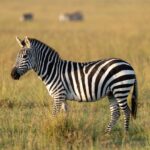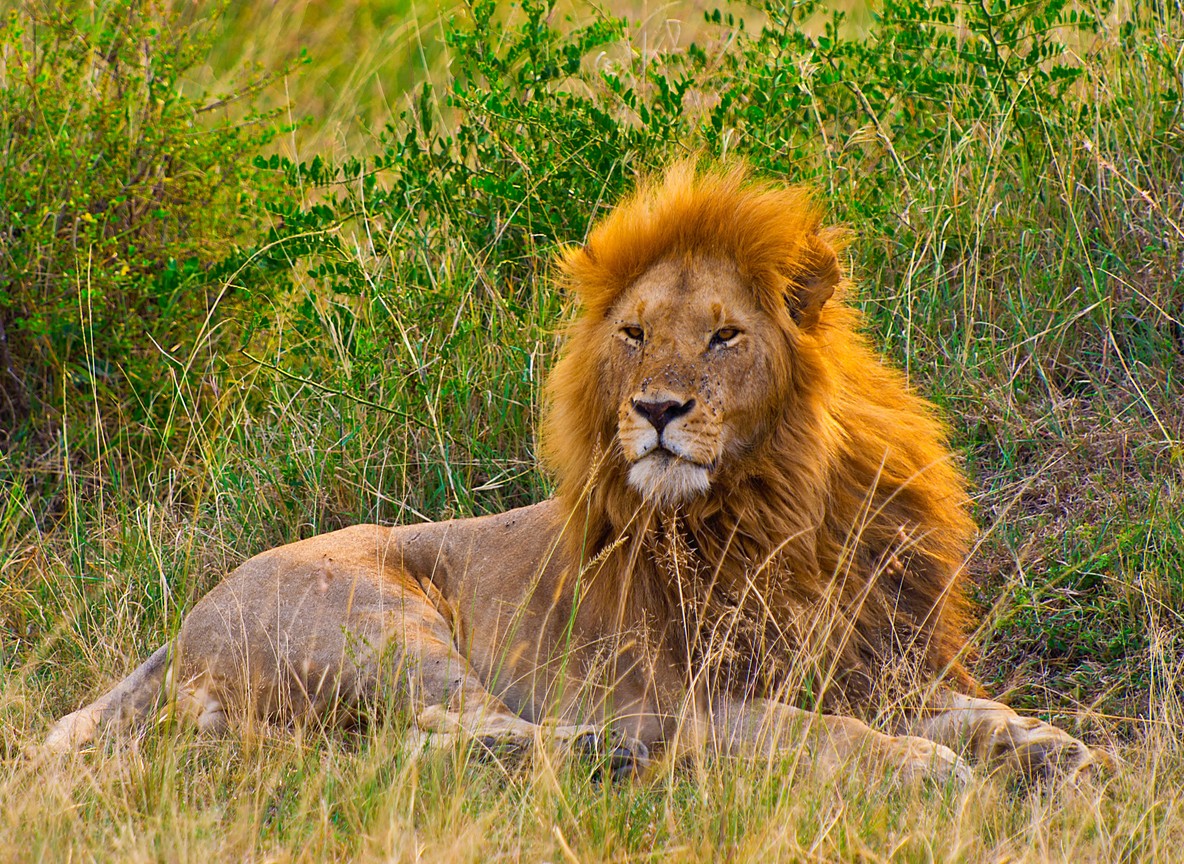
Most visitors to Kenya pass through Maasai land every day of their safari without fully registering what that means. The savannah they cross, the acacia woodland where lions rest at midday, the open corridors that allow wildebeest to move between ecosystems — all of this has been managed for centuries by the Maasai. They are not a backdrop to the safari. They are the reason the land still looks the way it does.
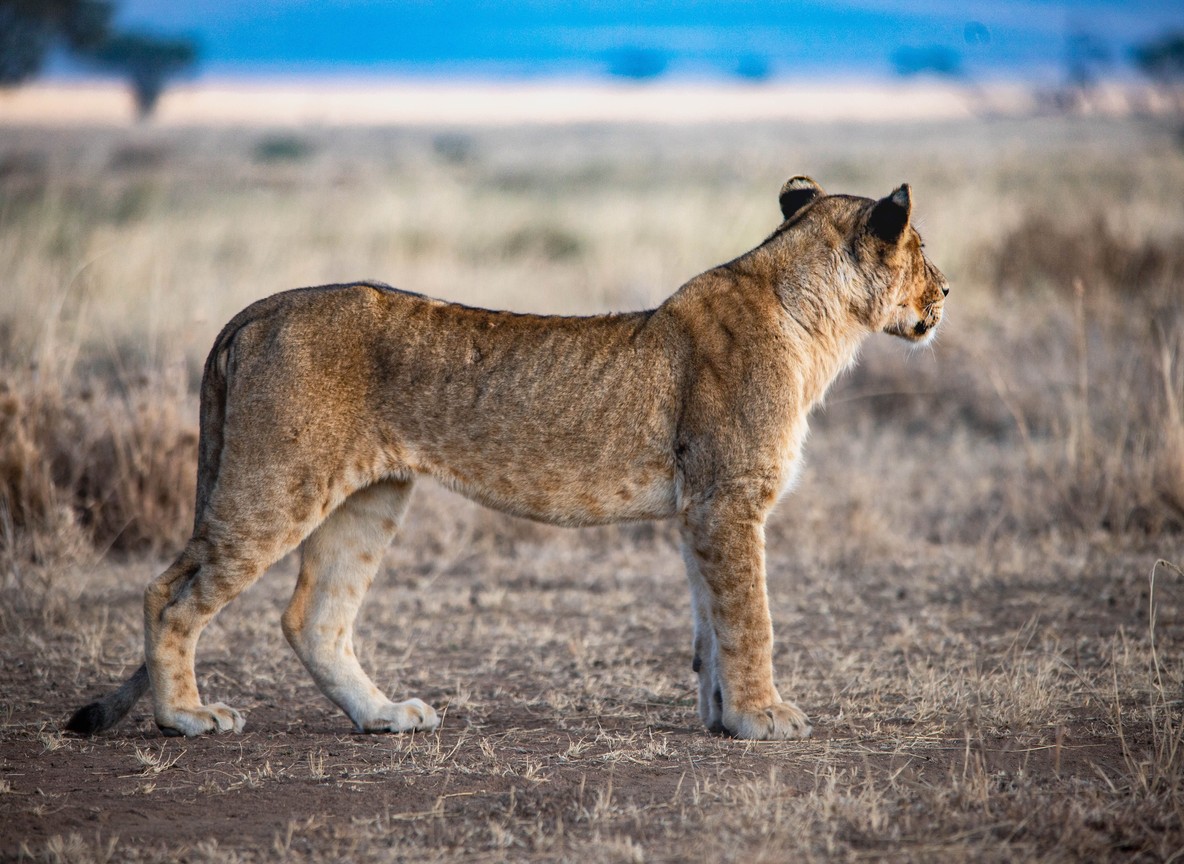
This is a portrait of who the Maasai are: how their society is organized, what their traditions mean, what makes them distinct, and why any honest account of wildlife conservation in East Africa has to begin with them.
Who Are the Maasai?
The Maasai are a Nilotic people who migrated southward from the lower Nile Valley — modern South Sudan and the Ethiopia-Sudan border — between the 15th and 17th centuries. Today their ancestral territory stretches from Laikipia in north-central Kenya through the Mara ecosystem and into the Serengeti plains of northern Tanzania. Current population estimates run from 1.5 to 2.5 million people across both countries.
They are semi-nomadic pastoralists. Cattle are not simply livestock — they are the measure of wealth, the currency of social exchange, and the theological centre of Maasai identity. Maasai oral tradition holds that Enkai (their god) gave all the world’s cattle to the Maasai at the beginning of time. This belief has shaped an entire relationship with land: you do not fence it, you do not exhaust it, because the cattle need to move through it again in the next season.
That philosophy of movement and restraint, dismissed for generations as primitive pastoralism, turns out to be one of the most effective land management systems in the region — the reason the wildlife corridors of the Mara ecosystem remain open today.
Maasai Society: The Age Grade System
Maasai society is organized around a precise age grade system through which every male passes over the course of his life. Each grade carries specific rights, responsibilities, and social obligations.
Boys (Ilayiok): The learning phase. Boys herd calves close to the village and absorb the ecological knowledge of the elders and warriors around them.
Junior warriors (Moran): After circumcision — performed without anaesthetic as a test of courage — boys enter the warrior phase. They live apart from the main village in a warrior camp (manyatta), train in tracking and cattle protection, and develop the deep ecological knowledge accumulated through years of living in the bush.
Senior warriors (Imurran): The fully realized warriors of popular imagination — tall, lean, carrying spears and draped in red shuka. Senior warriors are the community’s defense force, its long-distance herders, and the primary transmitters of ecological knowledge to the next generation. Their years in this grade involve walking 30 to 50 kilometres daily, reading animal spoor, interpreting weather from cloud formations, and knowing which plants treat wounds or fever.
Junior elders: After the Eunoto ceremony — at which a warrior’s mother shaves his long ochre-dyed hair — men transition from physical protection to governance. Junior elders participate in land decisions, dispute resolution, and community resource management.
Senior elders: The highest grade, holders of oral history and deepest authority. Their decisions on land access, ceremony timing, and major disputes carry binding weight.
This system has transmitted knowledge, values, and social norms across centuries without a written language.
Maasai Culture: Ceremonies, Music and Dress
The Eunoto ceremony is the defining rite of passage in Maasai traditions — the moment when a warrior’s mother shaves his long warrior hair, he passes from the warrior grade to the elder grade, and is fed a ritual meal prepared by his mother. The mother shaves her son’s head herself. It is one of the most emotionally charged moments in Maasai social life: the warrior she has been proud of becomes the elder she will rely on.
The Adumu — the famous jumping dance — is the sound of layered voices building a rhythm that drives competitive leaping among warriors. It is musical, athletic, and social simultaneously. Height in the jump signals physical strength; the better you jump, the greater the social prestige.
Maasai dress is a communication system. The shuka — the signature cloth worn by both men and women — carries meaning through colour: red for warriors, blue or purple for elders, black for ceremonies. Beadwork produced by women communicates a woman’s age grade, marital status, clan affiliation, and where she is in her life cycle. The patterns are not decorative — they are a wearable biography.
The Maasai and the Land: A Conservation Philosophy
The single most important and least-reported fact about the Maasai is this: the ecosystems that draw wildlife tourists to Kenya — the Mara, Amboseli, Laikipia — exist in their current condition largely because the Maasai never converted their grazing lands to agriculture.
This was structural, not accidental. Maasai land ethics — communal ownership, rotational grazing, the prohibition on tilling soil — kept the migratory corridors open. Predators, which compete directly with herders for livestock, were tolerated because Maasai cosmology positions the lion and the warrior as occupying the same ecological role: apex, necessary, and worthy of respect.
Today, many Maasai communities have formalized this relationship through community conservancies. Conservancies like Olare Motorogi, Mara North, and Nashulai Maasai Conservancy are community-owned and managed. Landowners receive income from wildlife tourism, which makes keeping the land wild more economically rational than converting it to smallholder farming. This is conservation built on existing values — not imposed from the outside.
10 Maasai Tribe Facts Most Visitors Never Learn
- The Maasai do not traditionally bury their dead. Bodies are left in the bush for scavengers — a return to the ecosystem consistent with their land philosophy.
- Cattle blood mixed with milk is consumed at ceremonial transitions, not as a daily staple. A small amount of blood is drawn from a living animal’s neck vein without killing it.
- Maasai women build the family home. Ownership of the house belongs to the woman, not the man.
- The Maasai successfully resisted both Arab slave traders and the British colonial administration — they were never enslaved and never fully subjugated.
- The Masai Mara National Reserve takes its name from the Maasai people and the word “mara” in Maa, meaning “spotted” — referring to the light and shadow pattern of the acacia woodland.
- A senior Maasai elder can identify more than 300 species of medicinal plants from memory. This pharmacopeia is entirely oral.
- The lion hunt (olamayio) has been largely replaced in most Mara communities by community wildlife monitor programs where former warriors use their tracking skills to protect lions rather than kill them.
- There is no word for “wilderness” in Maa. The land is simply the land — the idea that human habitation and wildlife habitat are separate categories does not exist in the Maasai worldview.
- Maasai warriors in the warrior phase can cover 50 kilometres on foot in a day across rough terrain. This is a practical skill developed through the warrior years, not an exceptional feat.
- Most adult Maasai in Kenya are trilingual: Maa at home, Swahili for trade and government, English for education and tourism.
Visiting Maasai Villages: What Responsible Looks Like
Maasai village visits range from deeply meaningful to performative depending entirely on the context. The staged version — a fixed fee entry, a few minutes of jumping dance, a tour of a model boma followed by a craft sell — is transactional on both sides and enriches neither party.
A genuine visit involves time. Sitting with elders. Watching women work on beadwork. Learning the names of plants from a moran who is sharing what he knows, not performing. It involves accepting hospitality and understanding that the exchange is mutual.
The most respectful thing a visitor can do is arrive through a relationship, not a ticket window. Ask who the guide knows in the community. Understand whose family you are visiting. Know that the community has agreed to receive you.
Photography deserves particular care. Asking before pointing a camera at someone is not just courtesy — it is an acknowledgement that you are a guest in someone’s home. “Suwa?” in Maa means “May I?” It is short, easy to remember, and immediately appreciated.
Conclusion
You cannot separate the wildlife of Kenya from the Maasai who have managed the land it lives on. The open plains of the Mara, the elephant corridors of Amboseli, the lion-dense grasslands of Laikipia — these ecosystems are the outcome of a centuries-old land philosophy that kept the grass long, the corridors open, and the predators alive.
Every game drive you take in Kenya crosses Maasai land. Every lion you photograph has survived partly because a Maasai community decided that a living lion is worth more than a dead one. Understanding this does not make the wildlife less remarkable. It makes it more so — because it means the landscape you are looking at was a choice, made by people who are still here and still making it.
For context on how Maasai community conservancies work in practice, the Masai Mara conservancy guide explains the structure of the community lease model and what it means for wildlife.
Have questions about this itinerary or destination? Get answers from a safari specialist before you commit.
Inquire More