Most visitors to Lake Naivasha stop at Crescent Island for an hour, snap a photo of a giraffe, and drive on toward the Mara. Loldia House sits about 90 km northwest of Nairobi on the lake’s quieter western shore, on a working farm rather than a resort strip, inside a basin where more than 400 bird species have been recorded. Touring Insights lays out why this stretch of shoreline draws serious birders, what a stay actually involves, and how it compares to the lake’s better-known lodges.
Where Loldia House Sits on the Lake
Loldia House stands on the western edge of Lake Naivasha, on land that has operated as a working cattle and sheep farm for decades. That working-farm identity separates it from purpose-built lodges elsewhere on the shore. Guests share the property with grazing livestock, resident zebra, and waterbuck rather than a manicured lodge garden. The lake itself sits at roughly 1,884 meters elevation in Kenya’s central Rift Valley, and its surface area shifts with rainfall, typically cited between 114 and 160 km2 depending on season.
The drive from Nairobi runs about 90 km along the A104 through the Rift Valley escarpment, taking roughly 1.5 to 2 hours depending on traffic through Limuru and the Mai Mahiu descent. Travelers flying in typically land at Nairobi’s Wilson Airport and take a short charter, indicatively 20 to 25 minutes, to an airstrip near Naivasha town before a road transfer to the property.
Why the Bird List Is the Real Draw
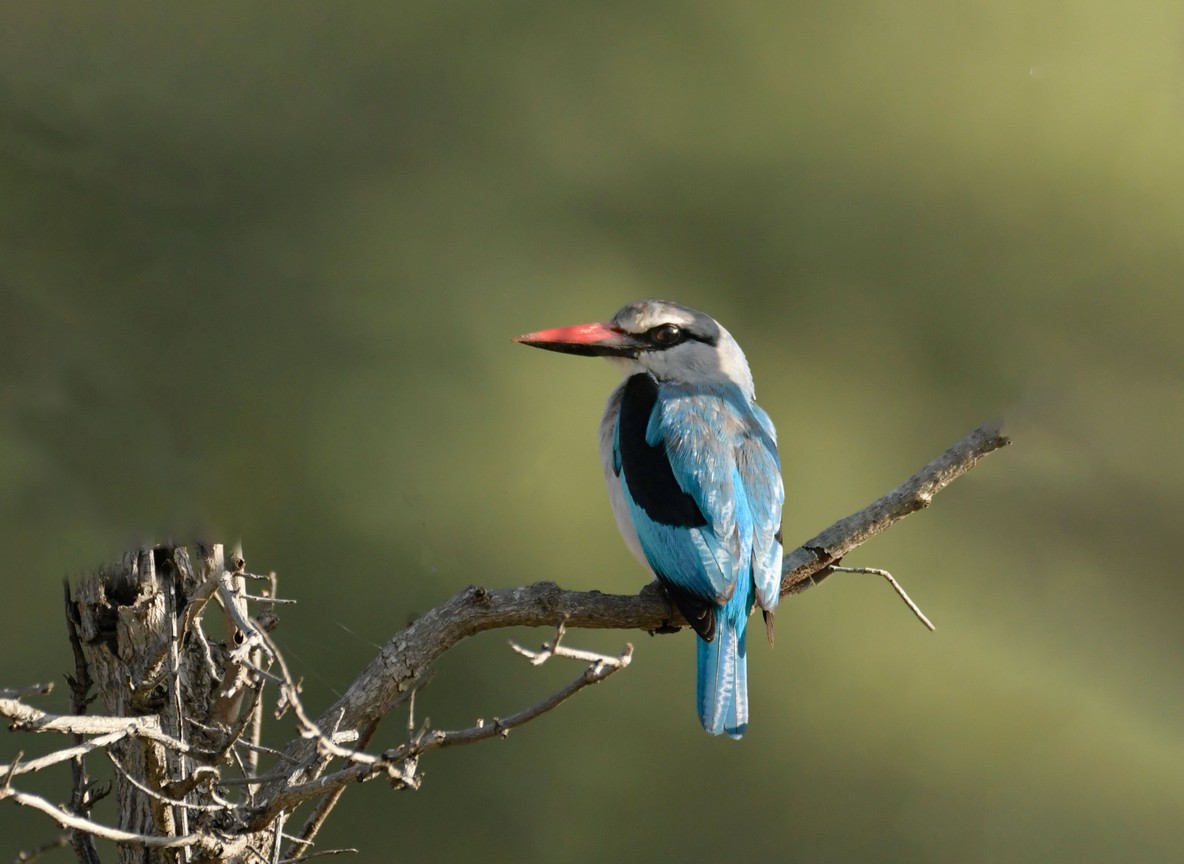
Lake Naivasha and its fringing acacia woodland, papyrus swamp, and farmland mosaic form one of the most bird-diverse basins in East Africa. The wider area has recorded more than 400 species, ranging from African fish eagles calling over open water to the Papyrus Gonolek, a skulking, brightly colored specialist that depends on the lake’s shrinking papyrus beds. Malachite kingfishers, pied kingfishers, and giant kingfishers all work the shallows within sight of Loldia’s jetty.
That density owes to habitat variety rather than any single feature. A guest can walk from lakeshore papyrus into acacia woodland into open farmland within a single morning, and each zone holds a different bird community. Farms like Loldia sit inside this mosaic rather than fencing it out, which is part of why guides based here tend to know the resident specials by call, not just by field guide plate.
Loldia House Compared to Other Lake Naivasha Stays
The table below sets Loldia House against the lake’s other well-known birding and day-trip options, with real distances and indicative price bands. Conservancy and lodge rates vary by season and package, so treat the figures as a planning range rather than a quote.
| Property or Site | Location on Lake | Distance from Nairobi | Best For | Indicative Price (per person) |
|---|---|---|---|---|
| Loldia House | Western shore | approx. 90 km / 1.5-2 hrs drive | Working-farm birding, horseback rides | USD 250-350/night, full board, indicative |
| Sanctuary Farm | Western shore | approx. 92 km / 2 hrs drive | Walking and cycling among giraffe and zebra | USD 150-220/night, indicative |
| Elsamere Conservation Centre | Southern shore | approx. 95 km / 2 hrs drive | Joy Adamson history plus lakeside birding | USD 120-180/night, indicative |
| Crescent Island | Southern shore | approx. 93 km / 2 hrs drive | Day-trip walking safari, no overnight beds | USD 20-30/entry, indicative |
| Hell’s Gate National Park | Southern shore | approx. 90 km / 2 hrs drive | Cycling, hiking the gorge, cliff-nesting raptors | USD 50/day, non-resident adult (2026 gate rate) |
What a Stay at Loldia House Actually Looks Like
A typical Loldia day starts before sunrise, when light is best for photography and birds are most active near the water. Guides lead walks along the shoreline and into the surrounding farmland, often on foot since there is no fence separating the property from open bush. Horseback rides are a signature activity here, giving guests a closer, quieter approach to grazing zebra and waterbuck than a vehicle allows. Boat trips onto the lake add water-based species like African darters and various heron types to the day’s list.
Because the property functions as a working farm, the pace differs from a typical safari lodge. Meals are usually taken at set times around the main farmhouse, and the atmosphere leans toward a private home visit rather than a hotel stay. That setup suits travelers who want a slower, conversation-heavy few days over a checklist of activities.
Guiding here tends to be personal rather than rotational. Because the farm runs at a small scale, the same guide or two typically walks every group, learning a repeat visitor’s target list across a multi-day stay. That continuity matters for birding specifically, since a guide who knows you are chasing the Papyrus Gonolek on day one can adjust the route on day two instead of repeating the same loop. Evening activities usually wind down around a fire near the farmhouse, with sundowners looking out over the lake rather than a lounge bar.
Getting There and What to Pack
Self-drive travelers should budget extra time for the Nairobi-Naivasha road beyond the base 1.5 to 2 hour estimate, since traffic through Limuru and roadworks on sections of the A104 can add 30 to 45 minutes during the morning commute window. Most visitors arrange a private transfer or join a small-group departure from Nairobi rather than self-driving, since the farm track into the property is unmarked from the main road.
Pack layers rather than a single warm jacket. Mornings on the lakeshore run cool at altitude, often requiring a fleece before sunrise, while midday sun on open water gets intense fast. Binoculars are essential rather than optional here, and a lightweight rain shell earns its space in the bag during the November to April wet season. Closed shoes suit the farm tracks better than sandals, since walks cross grazing paddocks as often as open shoreline.
Planning a Naivasha Birding Trip Around Loldia House
Most travelers pair a Loldia House stay with at least one of the lake’s public sites rather than treating it as a standalone destination. Hell’s Gate National Park, roughly a 20 to 30 minute drive from the western shore, adds Rift Valley cliff scenery and nesting raptors like Rüppell’s vultures and augur buzzards to a birding itinerary. Crescent Island, reached by a short boat crossing near the southern shore, offers an unfenced walk among giraffe, zebra, and waterbuck for travelers short on time.
The best birding months on Lake Naivasha run from November through April, when Palearctic migrants add to the resident list and water levels are typically higher after the short rains. July through October brings drier conditions and lower water, which can concentrate some species around remaining wetland patches while reducing others. Either window works for a first visit, but migrants boost the species count noticeably in the wetter months.
Explorer Notes
Ask your guide about the resident Papyrus Gonolek population before you arrive. This species is one of the harder East African birding targets, and Loldia’s guides know the specific reed beds where it reliably calls at dawn, which saves hours of blind searching elsewhere on the lake.
Bring a scope if you own one. Much of Naivasha’s best birding happens across open water or distant shoreline, and a spotting scope resolves distant waders and ducks that binoculars alone will only leave as a shape.
Confirm in advance whether your Loldia House rate includes the horseback ride or bills it separately. Farm-based lodges sometimes quote activities a la carte rather than folding them into the nightly rate the way a full-service safari camp typically does.
Frequently Asked Questions
Is Loldia House good for non-birders too? Yes. The working farm setting, horseback rides, and lake scenery appeal to travelers who are not dedicated birders, though the bird list is the property’s strongest specific draw.
How far is Loldia House from Nairobi? About 90 km, roughly 1.5 to 2 hours by road on the A104 through the Rift Valley escarpment, or a short charter flight from Wilson Airport.
What is the best time of year for birding at Lake Naivasha? November through April typically adds Palearctic migrants to the resident list, giving the highest species counts. July through October is drier with lower water levels.
Do I need to book Hell’s Gate or Crescent Island separately from my Loldia House stay? Yes. Both sites charge their own entry fees and are usually arranged as add-on excursions rather than included in a Loldia House room rate.
Is Lake Naivasha inside a national park? No. The lake itself is not a gazetted national park, though Hell’s Gate National Park sits on its southern shore and charges its own KWS entry fee.
Lake Naivasha rewards travelers willing to slow down for a few days rather than pass through on the way to the Mara. Visit Touring Insights’ Tour Packages page to see itineraries that build in proper time on this shoreline, or ask a partner operator to price a Loldia House stay alongside a Hell’s Gate or Crescent Island add-on.
What to Read Next
- New to the lake entirely? Start with our Lake Naivasha safari guide.
- Want the boat-based side of the lake? See our Lake Naivasha boat safari, hippos and flamingos guide.
- Deciding between Rift Valley lakes? Compare in our Lake Nakuru vs Lake Naivasha guide.