A stay at Governors’ Camp looks simple from a guest’s side. There’s a tent, a game drive, a good meal, an early wake-up call. Behind that simplicity sits a working camp of specialists. Most of them a guest meets for only a few minutes at a time. Touring Insights looked at the roles that make an unfenced Mara camp run day to day. That covers the guide reading tracks at dawn and the askari walking a torch-lit path back to a tent at midnight. None are named individuals here. Staff rotate often, and the role matters more to a first-time guest than any one person’s name. Knowing what each role does changes how you plan the days between arrival and departure.
Where Governors’ Camp Sits, and Why That Shapes the Staff You’ll Meet
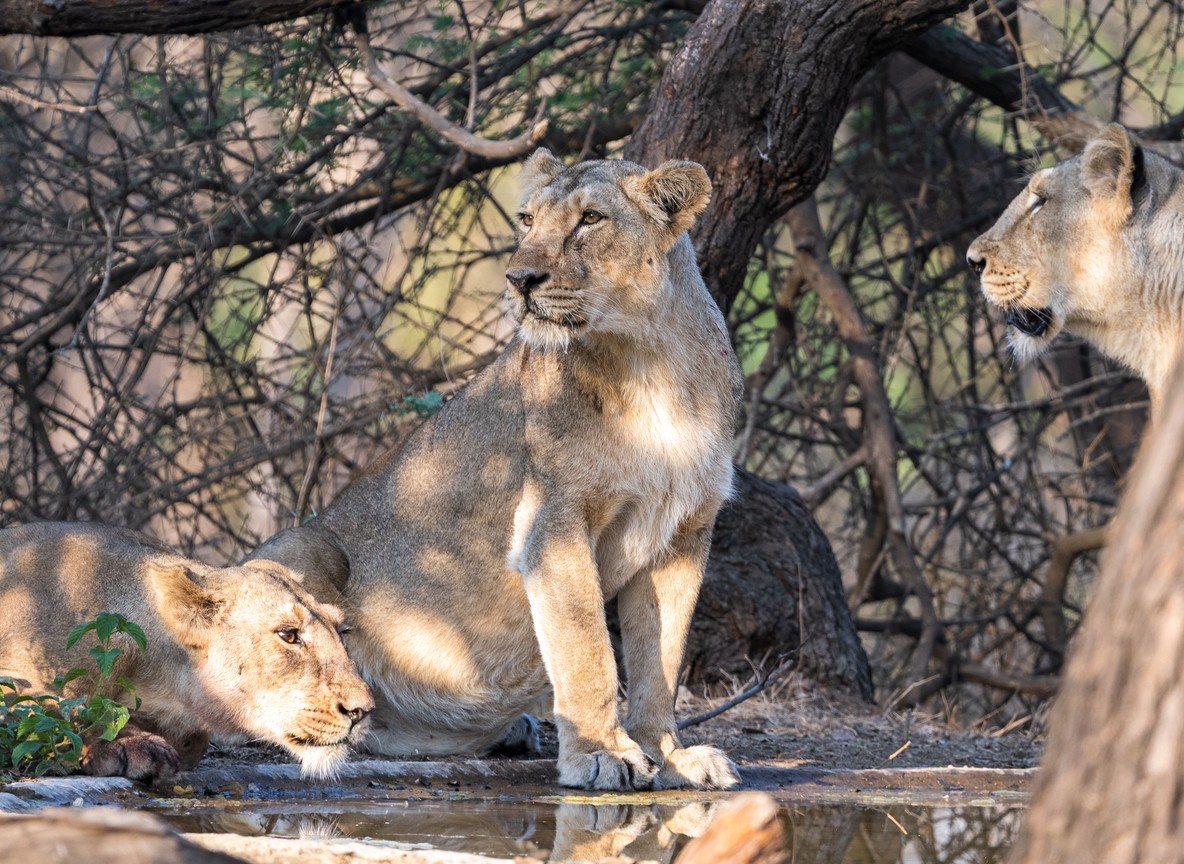
Governors’ Camp sits in the Musiara sector of the Masai Mara National Reserve. It sits on the western bank of the Mara River, near Bila Shaka Lagoon, historic territory of the Marsh Pride. The camp has no fence. That single fact is the biggest reason its staffing includes a dedicated night-security role most hotels never need. Musiara Airstrip is a short walk from the tents, a few minutes by camp vehicle at most. Getting there, and knowing what you’ll pay to enter the reserve, matters just as much as knowing who greets you at check-in.
| Detail | Figure |
|---|---|
| Nairobi (Wilson Airport) to Musiara Airstrip | Approx. 45 min by scheduled light aircraft |
| Nairobi to Governors’ Camp by road | Approx. 270-290 km, 5-6 hrs drive |
| Masai Mara National Reserve entry fee (non-resident adult) | Indicative $70-100 per person per day, high season; confirm current rate with Narok County before travel |
| Reserve size | Approx. 1,510 km2 |
| Distance, Musiara sector to Mara Triangle boundary | Approx. 15-20 km |
The Guides and Trackers Who Run Every Game Drive
Guides are the role most guests interact with the longest. That’s often six or more hours a day across a multi-night stay. Kenya’s guiding profession runs on a tiered credential from the Kenya Professional Safari Guides Association (KPSGA). Bronze, Silver and Gold levels reflect years of field assessment and written exams. A Gold-level guide has typically logged over a decade in the field. They’ve also passed the association’s toughest practical tests on species behavior, ecology and vehicle positioning. Camps the size of Governors’ Camp usually run a mixed team across these tiers. Newer Bronze or Silver guides often pair with senior Gold-level staff during peak migration weeks.
Trackers work alongside guides on some vehicles. They read spoor and listen for alarm calls from impala or baboons, both signs that flag a predator before it’s visible. One person drives and interprets radio calls. Another scans the ground. This split is common on reserve-facing camps, where sightings move fast during the July-October crossing season.
Askaris: The Reason an Unfenced Camp Feels Safe at Night
Governors’ Camp has no perimeter fence, so wildlife moves through camp after dark. That includes hippos grazing between tents and, sometimes, hyena or lion passing along the river’s edge. Askaris walk guests between the dining tent and their own tent after sunset, carrying a torch and radio. They patrol the grounds through the night. It’s a role that exists almost nowhere outside unfenced African bush camps. Ask about it at check-in. Most camps tell guests not to walk alone after dark and to call for an escort instead, a request built entirely around what the askari team does.
The Kitchen Team Behind Three Meals and a Sundowner
A camp running 20 or more guests a night needs a kitchen team working well before the first alarm clock rings. Bush breakfasts and picnic lunches are prepared and packed before a morning game drive even leaves. Chefs at Mara camps typically cook a rotating menu of Kenyan and international dishes. Fresh vegetables and bread are often baked on-site, given the distance from any large town. The sundowner is a late-afternoon stop for drinks as the sun sets over the plains. A small advance team drives out ahead of the game-viewing vehicles to lay out a table before guests arrive.
Housekeeping and Tent Stewards
Tent stewards handle turn-down service and laundry. They also supply the fresh hot water that fills bucket showers or plumbed bathrooms, depending on the camp’s build. In a canvas-tent camp, this role means resetting a tent twice a day. The work is timed around a guest’s own game-drive schedule so it never overlaps with when a guest is actually inside. Guests rarely see this happen. The whole goal of the role is a tent that always looks untouched.
The Camp Manager and Front-of-House Team
The camp manager is the person guests meet first, at check-in, and last, at check-out. Behind the scenes, they coordinate every other role: slotting guides to vehicles, confirming flight transfers with the airstrip, and handling any guest request that falls outside a normal day. The Governors’ Collection also runs Il Moran Camp and Little Governors’ Camp nearby. On a multi-camp property like this, managers coordinate transfers between sister camps for guests splitting a stay across more than one.
Maintenance, Drivers and the Logistics Crew
Vehicles cover long distances on rough tracks, so most camps of this size run at least one full-time mechanic. Separate transfer drivers handle airstrip runs. That’s distinct from the guides who run game drives, since a guide mid-drive can’t double back to collect an arriving guest. Radios link every vehicle and the camp base. Mobile signal is unreliable this deep inside the reserve.
Who’s Who at Camp: A Quick Reference
| Role | Where You’ll See Them | What They Actually Do |
|---|---|---|
| Guide | On every game drive | Drives, spots wildlife, interprets behavior and ecology |
| Tracker | Alongside some guides | Reads spoor, listens for alarm calls, confirms sightings |
| Askari | Dusk to dawn, around camp | Escorts guests on foot, patrols the unfenced grounds |
| Chef and kitchen staff | Meals, bush breakfasts, sundowners | Cooks and packs all meals, often baking on-site |
| Tent steward | Twice-daily tent service | Housekeeping, laundry, turn-down, hot water |
| Camp manager | Check-in and check-out | Coordinates every other role, handles guest requests |
| Mechanic and drivers | Transfers, vehicle upkeep | Airstrip runs, vehicle repairs and daily checks |
Explorer Notes
Here’s a tip worth knowing before you go. Tip envelopes are usually split between guides and general staff. Guides work closely with individual guests, while kitchen, housekeeping and maintenance teams support everyone equally. Ask at check-in how the camp structures this, since it varies by property. If you’re a light sleeper, request a tent further from the dining area rather than nearer the river. Hippo activity near the water picks up after dark. If a guide offers to explain KPSGA tiers, or a tracker’s read on fresh spoor, ask questions. Most staff enjoy walking a curious guest through exactly how they do the job. It’s the fastest way to understand why a sighting came together the way it did.
Frequently Asked Questions
How many staff work at a camp like Governors’ Camp? Camps of this size typically run staff-to-guest ratios well above one to one. That’s once guides, kitchen, housekeeping, security and maintenance are all counted. Exact numbers vary by season and camp capacity.
Do guests tip each role separately? Most camps use a shared staff tip box for general team members, plus a separate, direct tip for guides. Ask the camp manager at check-in for the current guidance.
Why does an unfenced camp need an askari? Because wildlife, including hippos and occasionally predators, moves through camp grounds after dark. Askaris escort guests on foot and patrol through the night specifically to manage that risk.
What’s the difference between a guide and a tracker? A guide drives the vehicle and interprets what’s found. A tracker, where camps run one, focuses on reading ground signs and listening for alarm calls that flag a predator before it’s visible.
Is KPSGA certification something guests can ask about? Yes. KPSGA Bronze, Silver and Gold are public credential tiers, and asking a guide their level is a normal, welcome question on a Kenyan safari.
What to Read Next
- What Gold Level Guide Certification Actually Means at Kenya’s Top Safari Camps
- What Happened to the Marsh Pride’s Cubs This Migration Season, and Where to See Them
- Governors’ Camp’s New Family Tents: What Changed in the Masai Mara
Curious how a stay built around these roles fits into a wider Kenya itinerary? Touring Insights’ Tour Packages page is a good next stop for comparing camps and routing options before you book.