Kenya just had its best tourism year in over a decade, and easier entry is a big part of why. The country logged close to 2.4 million international arrivals in 2024, a jump of roughly 15% over the year before. 2026 industry reporting points to an 8% arrivals boom across East Africa, tied directly to visa-free and eTA travel policy. If you are planning a safari and wondering whether that surge changes your timing or your budget, it does. This guide breaks down the numbers and what they mean for your trip.
Touring Insights tracks these shifts because they touch real planning decisions: which camps fill up first, how fast peak-season rates move, and how much lead time you now need. None of this is guesswork. It is drawn from published arrivals data, tourism board figures, and the same camp inventory patterns we cover across our planning guides.
What Kenya’s Visa-Free Push Actually Changed
Kenya replaced its old visa system with the Electronic Travel Authorisation (eTA) in January 2024. That moved entry approval online instead of through embassy visits. A 2026 policy update went further, exempting citizens of more than 50 countries from applying for an eTA at all before travel. That removed a paperwork step that used to add days to trip planning for a large share of visitors.
The change lines up with a broader regional pattern. Rwanda, Tanzania, and several other East African destinations have loosened entry rules over the same period, and airlines have added capacity to match. Kenya is not growing in isolation. It is one of several countries riding the same wave of easier regional access.
If you want the country-by-country detail on who still needs to apply, our Kenya eTA exemption guide covers the current list. This piece focuses on what the resulting travel surge means for your safari.
The Numbers Behind the 8% Boom
Here is what the 2024-2026 reporting actually shows, pulled from tourism board figures and industry coverage.
| Metric | Figure | Source Period |
|---|---|---|
| Kenya international arrivals | ~2.4 million | 2024 (full year) |
| Year-over-year arrivals growth | ~15% | 2024 vs 2023 |
| Tourism earnings | ~KES 452.2 billion | 2024 (full year) |
| East Africa regional arrivals growth tied to visa-free/eTA travel | ~8% | 2025-2026 reporting |
| Kenya eTA launch | January 2024 | Policy date |
| Countries now eTA-exempt | 50+ | 2026 policy update |
These are reported industry figures, not projections. The takeaway for a safari traveler is simple. More people are landing at Jomo Kenyatta International Airport (JKIA) in Nairobi and Moi International Airport in Mombasa than at any point in recent years. The entry process itself is also faster than it was two years ago.
Where the Extra Travelers Are Going
Arrivals growth does not spread evenly across the country. Most first-time visitors still build their itinerary around three or four well-known parks, which is exactly where camp inventory is tightest.
| Park or Reserve | Size (km²) | Non-Resident Daily Entry (indicative, USD) | Nairobi Distance (road) | Nairobi Flight Time |
|---|---|---|---|---|
| Maasai Mara National Reserve | ~1,510 | $80-100 | ~270 km | ~45 min |
| Amboseli National Park | ~392 | $60-80 | ~240 km | ~35-40 min |
| Tsavo East National Park | ~13,747 | $40-60 | ~330 km | ~45-50 min |
| Tsavo West National Park | ~9,065 | $40-60 | ~240 km | ~40 min |
| Lake Nakuru National Park | ~188 | $40-60 | ~160 km | road only |
Small aircraft carry most of this traffic from Wilson Airport in Nairobi. Destinations include grass and gravel airstrips like Musiara, Ol Kiombo, and Keekorok in the Mara, or Amboseli‘s own airstrip beside the park gate. Those flights already sell out early in August and over the Christmas and New Year window. A busier arrivals year at JKIA pushes that pressure straight down to these smaller regional strips.
What Rising Demand Means for Safari Prices in 2026
More arrivals with the same number of beds pushes rates up, especially in small owner-run camps with 10 to 20 tents. These properties cannot expand supply the way a 100-room lodge can. Operators we track report peak-season 2026 rates trending toward the higher end of typical indicative ranges compared with 2025. That pressure shows up most inside Mara conservancies like Naboisho and Mara North, where tent counts are capped by conservation agreements.
Larger lodges and coastal properties near Diani and Malindi have more room to absorb demand without steep rate jumps. Bed capacity is higher, and the visitor mix skews more toward domestic and regional travelers alongside international arrivals. If price sensitivity matters to your trip, mixing a smaller conservancy stay with a larger-lodge leg is one practical way to manage the total cost.
Which Parks Are Feeling the Squeeze First
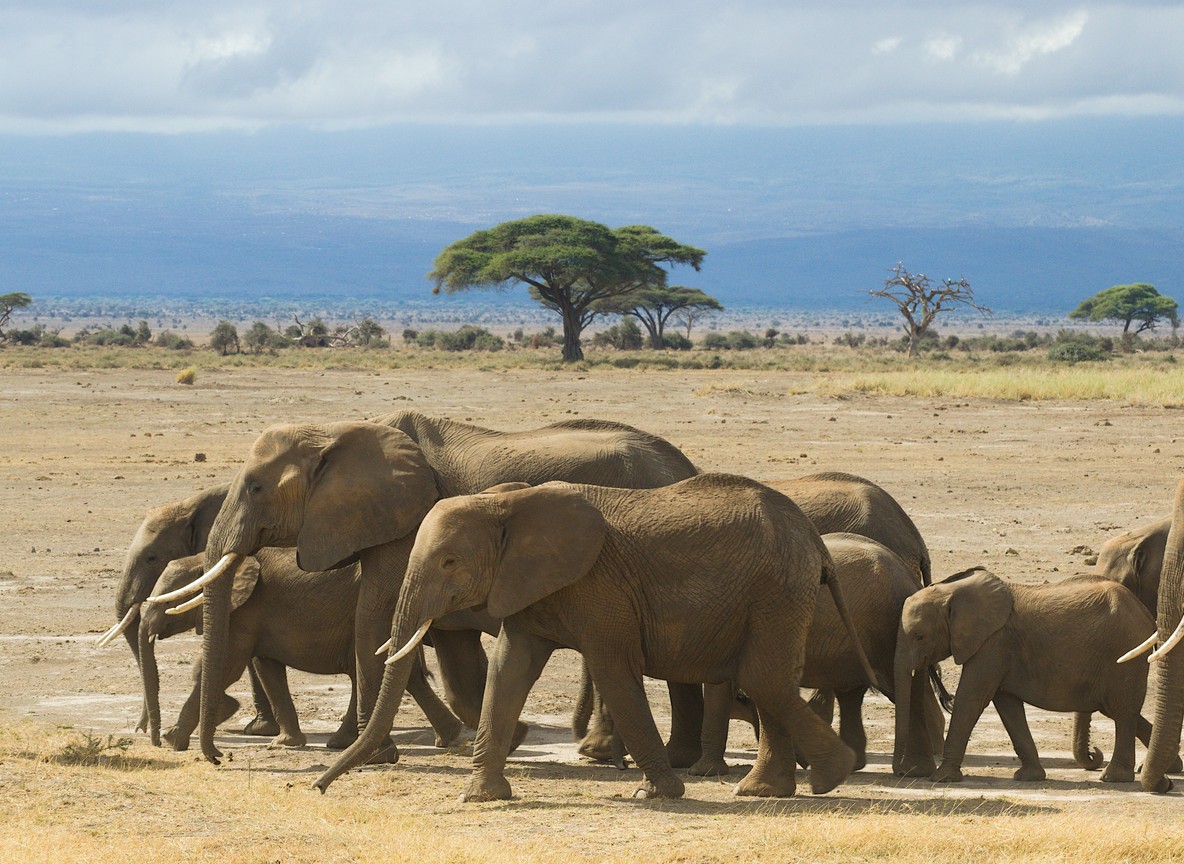
The Maasai Mara feels it first and hardest, because migration-season demand was already tight before this arrivals growth. Amboseli is a close second, driven by its reliable elephant sightings and shorter flight time from Nairobi, which makes it an easy add for travelers on a tighter schedule. Tsavo East and Tsavo West, despite being Kenya’s two largest parks by area, still have more room to breathe. Their size spreads visitors out, and camp density is lower than in the Mara.
Laikipia’s conservancies, including Ol Pejeta and Lewa, sit in between. They are well known enough to draw steady demand but still see fewer arrivals than the Mara or Amboseli, so booking windows there remain more forgiving for now.
How to Plan Around the Boom
A few adjustments make a real difference if you are booking a 2026 or 2027 trip. Book your camp and internal flights together, since airstrip seats sell out independently of camp availability. Ask your operator directly whether your target camp has raised peak-season rates for the dates you want, rather than relying on rates you saw quoted last year. Consider shoulder months like February, March, or June, when demand growth has less effect on both price and availability. And confirm your eTA status early. Even with the 2026 exemption expansion, travelers from non-exempt countries should apply for the eTA a few weeks ahead rather than assume same-week approval during a high-volume travel period.
None of this means Kenya has become harder to visit. It means the country is more popular than it was two years ago, and planning a step or two earlier keeps you ahead of that popularity instead of behind it.
Explorer Notes
A few things we have noticed as arrivals have climbed. Conservancy camps around the Mara are capped at low tent counts by land-lease agreements with local Maasai landowners. Those are the properties selling out earliest for August 2026 and the following migration season. Repeat visitors who used to book six months out are now booking nine to twelve months ahead for the same camps. That shift comes from more first-time travelers competing for the same beds. Airlines have added frequency on the Nairobi-Mombasa and regional East Africa routes. That has made add-on coastal extensions easier to slot in than two years ago, even as inland safari camps tighten up. Gate staff at Amboseli and the Mara also report longer queues at peak entry times in the mid-morning. An early departure from camp still saves you time at the gate, arrivals boom or not.
What to Read Next
- Not sure if you still need to apply? See our full Kenya eTA exemption guide for the current country list.
- Planning your own timeline against this demand shift? Our Kenya safari booking lead time guide breaks it down month by month.
- Weighing where to spend your nights as camps fill up? Compare parks in our Ol Pejeta versus Maasai Mara guide.
FAQ
Why are Kenya safari prices rising in 2026? Arrivals grew roughly 15% in 2024 and East Africa’s visa-free and eTA travel wave added another 8% regionally through 2025-2026. Small camps with fixed tent counts cannot add supply to match, so peak-season rates trend upward.
Do I still need a visa to visit Kenya for a safari? Most travelers now use Kenya’s eTA system instead of a traditional visa. As of the 2026 policy update, citizens of more than 50 countries are exempt from applying altogether. Check the current list before you book.
Which parks are hardest to book because of the tourism boom? The Maasai Mara and Amboseli are feeling the most pressure, especially small conservancy camps with 10 to 20 tents. Tsavo East and Tsavo West still have more availability due to their larger size.
Should I book earlier because of rising demand? Yes. Camps that used to take bookings six months out are now filling nine to twelve months ahead for peak migration dates, driven by the larger pool of first-time visitors competing for the same beds.
Is the tourism boom only about visa policy? No. Visa-free and eTA travel removed a friction point, but added flight capacity and stronger regional marketing also played a role in the 8% arrivals growth reported across East Africa.
Curious how this demand shift affects your own travel dates? Visit our Tour Packages page to check current camp availability, or ask a partner operator to confirm today’s rates before booking.
Further reading
- Magical Kenya (Kenya Tourism Board)
- Kenya Wildlife Service
- Maasai Mara Wildlife Conservancies Association