Planning a lake nakuru versus naivasha safari starts with one honest question. How do you want to spend your daylight hours? Lake Nakuru is a national park built for 4×4 game drives and big-mammal viewing. Lake Naivasha is a freshwater lake with hippos, birds, boat rides, and walking trails. Neither lake wins for every traveler. The best choice depends on what you value in a short Kenya trip.
Before you compare prices, picture your ideal morning. A lake nakuru versus naivasha safari usually comes down to one choice: a dusty game drive or a cool boat ride. The sections below explain the wildlife, activities, costs, and timing.
For a full look at the park itself, start with our Lake Nakuru guide.
Which Safari Is Better: Lake Nakuru or Lake Naivasha?
Choose Lake Nakuru for a traditional vehicle safari focused on rhinos, lions, leopards, and national-park wildlife. Choose Lake Naivasha for boat rides, hippos, birding, walking, and a more flexible lakeside stay. Neither is universally better. Nakuru is stronger for game viewing, while Naivasha offers more varied activities and easier access from Nairobi.
The difference reflects the ecology of the two lakes. Nakuru sits in a protected national park around a shallow alkaline lake. Dry woodland and grassland support large herbivores and the predators that follow them. Naivasha is a freshwater lake surrounded by private land, flower farms, and small reserves. It has no single park gate and no fenced wildlife circuit. Instead, wildlife concentrates near the shoreline, in forest patches, and on private conservancies.
What Wildlife Will You See at Lake Nakuru and Lake Naivasha?
Lake Nakuru gives you the better chance of seeing black and white rhinos, Rothschild’s giraffes, lions, and leopards on game drives. Lake Naivasha is better for hippos, fish eagles, pelicans, and other waterbirds, with giraffes and zebras often seen around Crescent Island. Flamingos at Nakuru are seasonal rather than guaranteed.
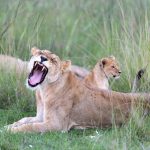
Lake Nakuru rhinos are the headline reason most travelers enter this park. The protected rhino areas in the south hold both black and white rhinos, and guides know where to look. The same habitat attracts Rothschild’s giraffes, zebras, buffalo, and lions. Leopards are harder to find, but the woodland around the lake gives them cover.
Lake Naivasha hippos are easier to see. The freshwater lake supports a healthy hippo population, and boats can approach them without getting too close. Fish eagles call from shoreline trees. Pelicans, cormorants, and herons are common. Around Crescent Island, guided walks pass giraffes, zebras, and waterbuck.
Flamingos are a separate story. Lake Nakuru flamingos can create a pink band along the shore when water levels and algae are right. In other years, high water pushes the birds to other Rift Valley soda lakes. Do not book Nakuru only for flamingos. Book it for rhinos and big cats, and treat flamingos as a bonus.
If you are weighing a private rhino conservancy farther north, our Lake Nakuru versus Ol Pejeta article compares the two options in detail.
What Activities Can You Do at Each Lake?
Lake Nakuru is primarily a 4×4 game-drive destination, with wildlife viewing around the shoreline, woodland, and rhino areas. Lake Naivasha allows a boat ride, guided walking at Crescent Island, birding, and nearby cycling or hiking at Hell’s Gate. Select Naivasha when leaving the vehicle is a priority; select Nakuru for structured game drives.
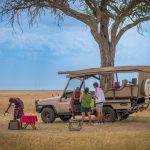
At Nakuru, the vehicle is your base. You follow the park roads, stop at Baboon Cliff or the Out of Africa viewpoint, and let your guide read the bush. There is no standard boat safari on Lake Nakuru. You may see flamingos and pelicans from the shore, but the park experience is built around driving.
At Naivasha, you can get onto the water. The Lake Naivasha boat ride is the standard way to meet hippos and watch fish eagles dive. The Crescent Island walking safari is one of Kenya’s easiest walks among large mammals, because the island has no big predators. Hell’s Gate, a short drive away, lets you cycle or hike beside cliffs and geothermal steam. So is Lake Naivasha worth visiting? If you like water, walking, and birds, yes.
How Do Costs Compare on a Lake Nakuru Versus Naivasha Safari?
Lake Naivasha can cost less because the lake itself has no national-park gate fee. However, boat rides, private conservancies, activities, and lodging still add up. Lake Nakuru requires park entry and vehicle-related charges, but those fees fund access to a protected wildlife area. Naivasha generally offers a broader range of budget, mid-range, and luxury accommodation.
The biggest budget difference comes from park status. Lake Nakuru National Park charges a day entry fee for every visitor and vehicle. Rates differ for residents, non-residents, and children, and KWS reviews them. Your operator should include current fees in your quote, not an outdated online figure.
Lake Naivasha is not a national park. You can reach parts of the lake without paying any gate fee. But you will pay for a boat, a Crescent Island entry ticket, a guide, or a nearby conservancy. Naivasha also has more accommodation choices along its private lakeshore properties, which can bring daily costs down or up depending on your taste.
Private conservancies add their own fees. For a clear view of how those charges are structured, read our Kenya safari conservancy fees guide.
| Feature | Lake Nakuru | Lake Naivasha |
|---|---|---|
| Lake type | Shallow alkaline soda lake | Freshwater lake |
| Park status | National park with gate fee | No national park gate fee |
| Core wildlife | Rhinos, lions, leopards, Rothschild’s giraffes | Hippos, fish eagles, pelicans, waterbuck |
| Signature activity | 4×4 game drive | Boat ride and Crescent Island walk |
| Walking options | Limited to viewpoints | Guided walking is a highlight |
| Flamingo numbers | Seasonal and variable | Rarely a main draw |
| Typical stay | 1 to 2 days | 1 to 2 days |
| Best for | Big-game and rhino focus | Water activities and relaxed lake stay |
If you want a quieter wildlife option in the same Rift Valley basin, ask about Soysambu Conservancy. This private conservancy offers birding and unhurried game viewing, but it has separate entry fees and does not replace Lake Nakuru for a rhino-focused day.
How Many Days Do You Need for Both Lakes?
Allow three days and two nights for a useful Lake Nakuru and Naivasha combination: one night near Nakuru, one night near Naivasha, a game drive at Nakuru, and a boat ride or Crescent Island walk at Naivasha. A single day can cover both only superficially, so two nights is the better minimum for a relaxed itinerary.
Both lakes sit within easy reach of Nairobi. The road distance from Nakuru National Park to Naivasha town is roughly 70 kilometers, about 90 minutes. From Nairobi to Naivasha is roughly 90 kilometers, and from Nairobi to Nakuru National Park is roughly 160 kilometers. You can reach each lake on a long day trip, but you should not try to combine them in one day.
The smarter plan is two nights. Spend the first night near Nakuru. Enter the park early the next morning and drive the lake circuit until late morning. Then cross to Naivasha for the afternoon. On the final day, take a boat ride or walk Crescent Island before returning to Nairobi. If you want to add Hell’s Gate, a third night gives you more margin.
Season matters as well. In the long rains, usually April to May, and the short rains in November, unpaved roads can become slippery. Heavy rain also changes the lake edges and some access points. Our rainy-season road advice for Kenya safaris explains how weather can alter a Rift Valley loop.
What Are the Most Frequently Asked Questions?
Which is better Lake Nakuru or Lake Naivasha?
Lake Nakuru is better for rhinos, big cats, and conventional game drives. Lake Naivasha is better for boat rides, hippos, birding, walking, and a more relaxed lakeside experience. Travelers with enough time can combine both because they fit naturally into a short Rift Valley itinerary.
Can you see rhinos at Lake Naivasha?
Lake Naivasha is not the stronger destination for rhino viewing. For a realistic rhino-focused safari, choose Lake Nakuru National Park, where black and white rhinos are among the principal wildlife attractions. Naivasha is better known for hippos, waterbirds, giraffes, and walking experiences.
Can you take a boat ride on Lake Nakuru?
No, Lake Nakuru is not a standard boat-safari destination. Its activities center on 4×4 game drives, birdwatching, viewpoints, and shoreline wildlife viewing. For a boat ride, choose freshwater Lake Naivasha, where boat trips commonly focus on hippos, fish eagles, and other lake wildlife.
Which lake is better for flamingos?
Lake Nakuru is the better-known flamingo destination, but sightings vary with water levels, food availability, and seasonal conditions. Flamingos should not be treated as guaranteed. The park remains worthwhile for rhinos, giraffes, lions, leopards, and other wildlife even when few flamingos are present.
How many days do you need for Lake Nakuru and Naivasha?
Plan three days and two nights for the best short combination. This allows a game drive at Lake Nakuru followed by a Naivasha boat ride, Crescent Island walk, or Hell’s Gate activity without turning the trip into a rushed transfer. Two days is possible but leaves less time for wildlife viewing.
Where Can I Compare Lake Nakuru and Naivasha Safari Packages?
Once you know which lake fits your style, compare operators rather than guessing. FindMySafari and Valley Safaris both list Rift Valley packages, while Trunktrails Safaris is a good place to browse itineraries that combine Nakuru and Naivasha. You can also check TouringInsights for more destination guidance before you compare final quotes.
Where Can You Find More Safari Planning Resources?
- Kenya national parks map from SafariPure
- Lake Nakuru safari guide from Trunktrails Safaris
- Rift Valley lakes map from Valley Safaris
- Compare Kenya safari packages on FindMySafari