Peak season at the Masai Mara can mean a dozen vehicles parked around one leopard sighting. Laikipia, two hours north of Nairobi by road, runs on a different model. Its conservancies cap vehicle numbers per sighting and spread guests across working ranch land instead of one river corridor. Touring Insights compares the two regions with real numbers. That way you can decide which style of safari actually suits you, not just which one shows up first in search results.
Why the Mara Gets Crowded and Laikipia Doesn’t
The Masai Mara National Reserve packs the Great Migration, the Mara River crossings, and some of Africa’s densest predator populations into 1,510 km2. That draws heavy vehicle traffic, especially at river crossing points during the July-to-October migration window. The reserve itself sets no hard vehicle-per-sighting limit, so popular crossings can see fifteen or more vehicles jockeying for a view.
Laikipia works differently because most of its land sits inside private and community conservancies, not a single public reserve. Ol Pejeta, Lewa, Borana, and Loisaba each set their own vehicle-density rules tied to bed numbers and land size. Guides radio sightings to a limited pool of vehicles, and most conservancies cap group size at four to six vehicles per sighting, often fewer. Fewer camps per acre means fewer vehicles competing for the same view, which is the practical definition of a low-impact safari.
Laikipia at a Glance: Location and How to Get There
Laikipia County sits on a high plateau north of the Aberdares and west of Mount Kenya, roughly between 1,700 and 2,000 meters elevation. Most conservancies cluster around the town of Nanyuki, which functions as the region’s gateway the way Narok does for the Mara.
Driving from Nairobi to Nanyuki takes about 3 to 3.5 hours over roughly 200 km of paved road. Individual conservancies then sit another 30 to 90 minutes beyond Nanyuki depending on which one you’re visiting. Flying is faster: scheduled flights from Nairobi’s Wilson Airport reach Nanyuki’s airstrip in about 35 to 40 minutes, with onward road transfers arranged by your camp.
Laikipia vs Masai Mara: Facts to Compare Before You Book
| Detail | Masai Mara National Reserve | Laikipia (Ol Pejeta Conservancy) |
|---|---|---|
| Land area | 1,510 km2 | approx. 364 km2 (90,000 acres) |
| Non-resident daily entry fee | $100/day (Jan-Jun), $200/day (Jul-Dec) | approx. $90-100/day indicative; often bundled into camp rates |
| Typical vehicles per sighting, peak season | 10-15+ at popular river crossings | Capped around 4-6 per conservancy policy |
| Nairobi road distance | approx. 270 km, 5-6 hr drive | approx. 200 km to Nanyuki, 3-3.5 hr drive |
| Nairobi flight time | approx. 45 min to Mara airstrips | approx. 35-40 min to Nanyuki |
| Off-road driving allowed | No, reserve rules restrict vehicles to tracks | Yes, on most conservancy land with guide discretion |
Prices and fee figures above are indicative. Confirm current rates directly with the conservancy or your camp before booking, since conservation fees and gate charges change by season.
The Conservancies That Make Up Laikipia
Laikipia isn’t one reserve with one gate. It’s a patchwork of roughly a dozen conservancies and ranches, each independently managed. The four best known to first-time visitors are:
| Conservancy | Approx. Size | Signature Wildlife | Known For |
|---|---|---|---|
| Ol Pejeta Conservancy | approx. 90,000 acres (364 km2) | Black and white rhino, Big Five | Largest black rhino sanctuary in East Africa |
| Lewa Wildlife Conservancy | approx. 62,000 acres (250 km2) | Grevy’s zebra, black rhino | UNESCO World Heritage Site since 2013 |
| Borana Conservancy | approx. 32,000 acres (130 km2) | Black rhino, African wild dog | Working cattle ranch converted to conservancy, fence-free border with Lewa |
| Loisaba Conservancy | approx. 58,000 acres (235 km2) | Elephant migration corridor, wild dog | Unfenced land linking Laikipia to the Samburu ecosystem |
Lewa and Borana share an open border, so wildlife (and safari vehicles) move between the two without a fence line. That connectivity is part of why Laikipia supports species that need more room to roam than a single conservancy can offer alone.
What You’ll See in Laikipia That’s Different From the Mara
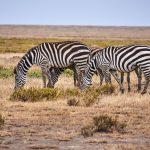
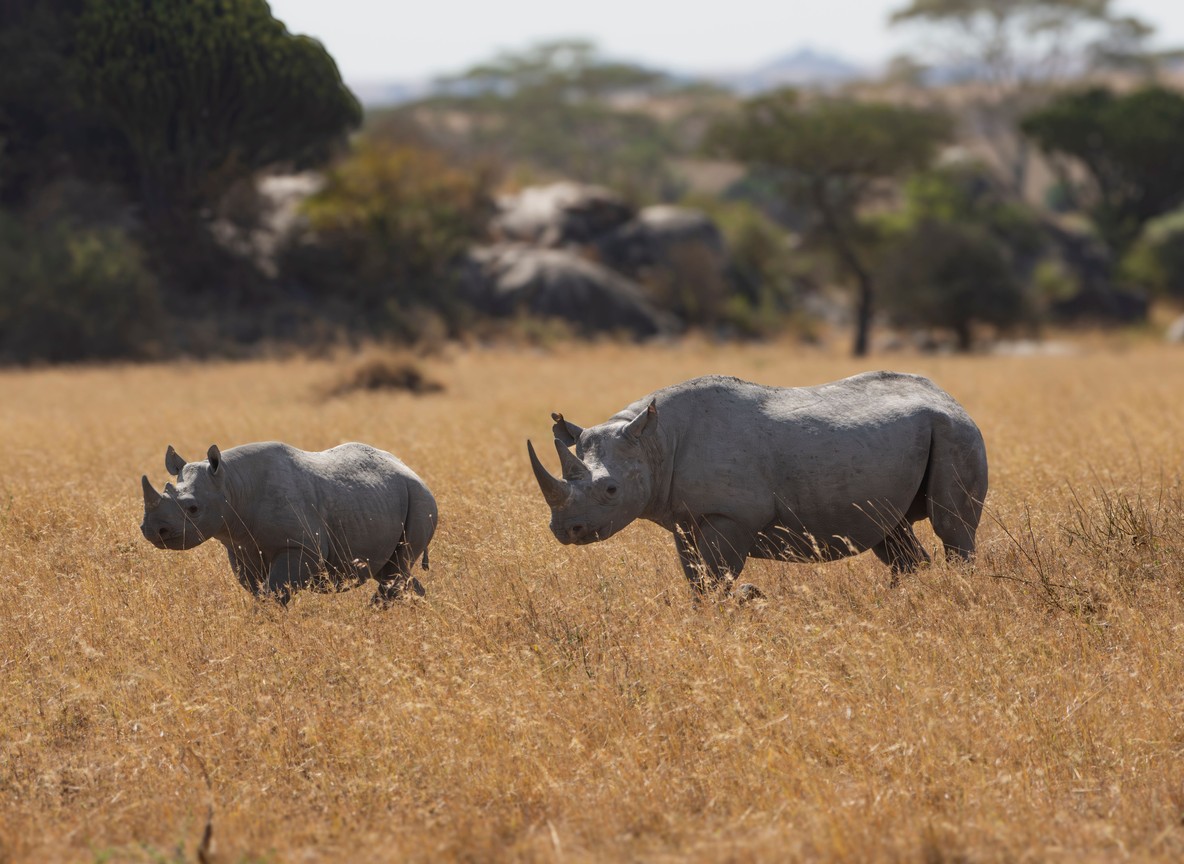
The Mara’s headline draw is the wildebeest migration and its river crossings, a spectacle Laikipia does not have. In exchange, Laikipia holds species the Mara barely sees. It’s Kenya’s main stronghold for the endangered Grevy’s zebra, distinguishable from the common plains zebra by its narrower stripes and larger, rounder ears. Ol Pejeta protects the last two northern white rhino on earth, both female. The conservancy also holds a healthy black and southern white rhino population you can track on foot with an armed ranger.
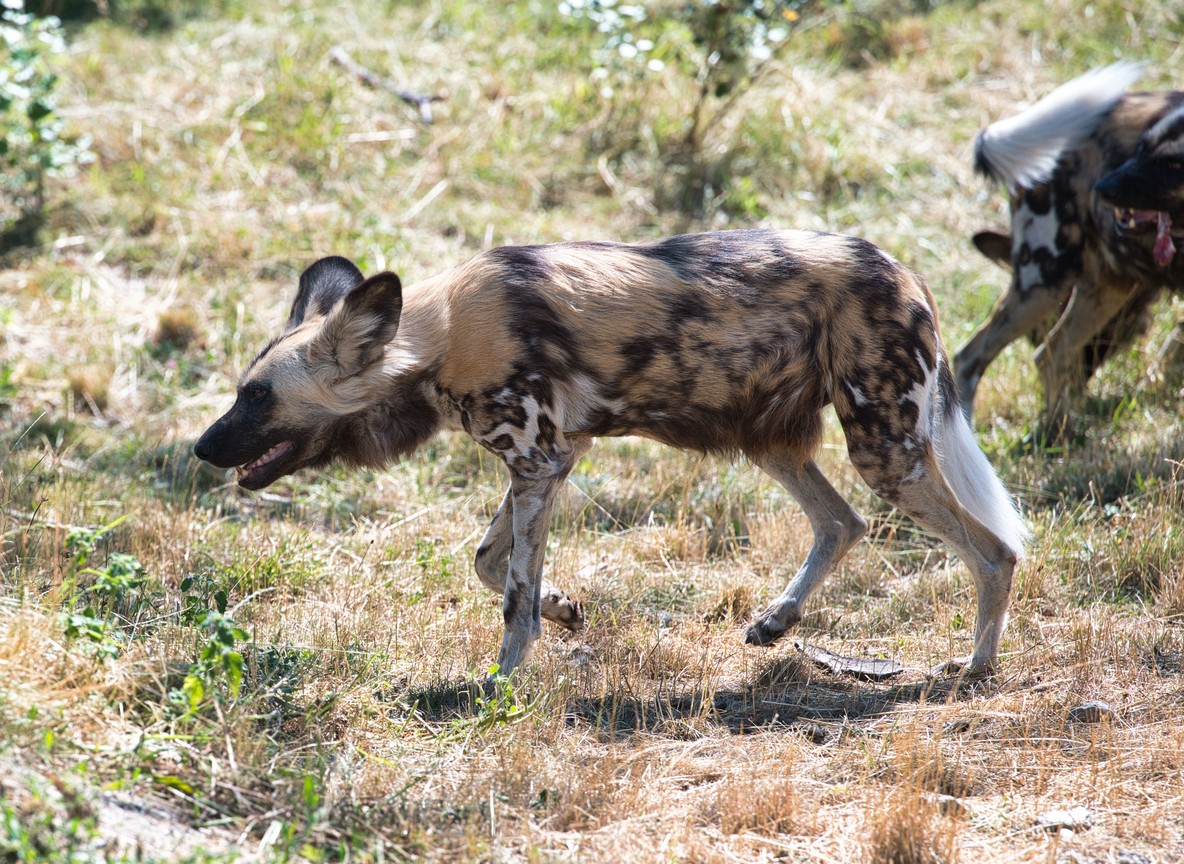
Laikipia also carries one of Kenya’s strongest African wild dog populations, a species now largely absent from the Mara ecosystem. Reticulated giraffe, generally not found much farther south, are common across the plateau. Walking safaris and horseback rides are permitted across most Laikipia conservancies, activities the Mara National Reserve does not allow inside its boundaries.
Community Benefit: Where the Conservancy Fee Actually Goes
Most Laikipia conservancies operate on a land-lease model. Landowners, often Maasai, Samburu, or Il Ng’wesi community members, lease grazing and wildlife rights to the conservancy in exchange for a share of tourism revenue. Borana and Lewa jointly fund a shared security and veterinary team that also protects wildlife on neighboring community land outside either conservancy’s formal boundary.
This differs from the Masai Mara’s fee structure, where reserve entry fees go to Narok County government rather than a single land trust. Community conservancies bordering the reserve, such as those in the Mara North or Naboisho areas, run their own separate lease-and-fee systems closer to Laikipia’s model. If community revenue-sharing matters to your booking decision, ask your camp directly what percentage of your nightly rate reaches the land-owning community. Reputable Laikipia operators publish this figure; vague answers are a reasonable reason to look elsewhere.
Best Time to Visit Laikipia
Laikipia’s dry seasons, roughly late June through September and again late December through February, give the clearest sightlines and firmest driving tracks. Unlike the Mara, Laikipia’s wildlife viewing does not depend on a single migratory event, so sightings stay relatively consistent year-round. The long rains, typically March through May, bring lush scenery and lower rates but can soften some conservancy roads.
Because Laikipia sits at higher elevation than the Mara, mornings and evenings run noticeably cooler. Pack a warm layer for game drives even in the dry season, particularly if you’re also visiting Mount Kenya’s foothills as part of the same trip.
Explorer Notes
Ask your camp which conservancy neighbors theirs before you book. Lewa and Borana guests can cross between the two on shared game drives, effectively doubling the wildlife-viewing area without changing camp. Ol Pejeta is the only Laikipia conservancy with a public day-visitor gate, so it draws more traffic than the fully private conservancies. If low vehicle density is your main goal, weight your nights toward Loisaba or Borana instead. Rhino tracking on foot requires advance arrangement through your camp, not a walk-up booking, since ranger availability is limited. Finally, combine Laikipia with a short Mara add-on rather than choosing one exclusively. Two or three nights in each region, connected by a short scheduled flight, gives you both the migration spectacle and the quieter, community-anchored conservancy experience.
What to Read Next
- Want the full regional overview before you commit? Read our Laikipia Plateau safari guide.
- Deciding between multiple northern Kenya conservancies? See our northern Kenya conservancy comparison.
- Still weighing Laikipia against a classic Mara trip? Check our Masai Mara park fees 2026 guide for current reserve pricing.
FAQ
Is Laikipia better than the Masai Mara? Neither is objectively better. The Mara offers the migration and the highest predator density in Kenya. Laikipia offers lower vehicle numbers, walking and horseback safaris, and species like Grevy’s zebra and northern white rhino that the Mara doesn’t have.
How far is Laikipia from Nairobi? About 200 km and 3 to 3.5 hours by road to Nanyuki, or roughly 35 to 40 minutes by scheduled flight to Nanyuki’s airstrip, with a road transfer on to your specific conservancy.
Do Laikipia conservancies charge separate entry fees like the Mara? Most bundle conservation fees into the nightly camp rate rather than charging a separate gate fee. Ol Pejeta is the exception, since it also allows public day visits with its own ticketed entry.
Can you combine Laikipia and the Masai Mara in one trip? Yes. A short scheduled flight connects the two regions. Many first-time visitors split their stay, spending two or three nights in each to get both the migration and a quieter conservancy experience.
What wildlife is Laikipia known for that the Mara isn’t? Grevy’s zebra, the last two northern white rhino, a strong African wild dog population, and reticulated giraffe are all far more reliably seen in Laikipia than in the Mara ecosystem.
Laikipia rewards travelers who want fewer vehicles and more room to explore on foot, not a replacement for the migration itself. Visit Touring Insights’ Tour Packages page to compare itineraries that pair a Laikipia conservancy stay with a Masai Mara extension.