Kenya Wildlife Service put out a 2026 tender for virtual safari broadcasting, and the headlines made it sound like Kenya’s parks are about to go fully digital. The reality is narrower and more useful to know before you book. KWS wants to install camera and streaming infrastructure in select parks and monetize the footage as a new revenue stream, not replace the gate fee or the game drive.
If you searched kenya wildlife service virtual safari broadcasting because you are wondering whether this changes how you plan a Kenya trip, it does not remove the need to go. It adds a new way for KWS to earn from wildlife content and, done well, a new tool for previewing parks before you commit dates and camps.
What KWS Actually Announced
The tender covers camera and broadcasting equipment for live and recorded wildlife footage at KWS-managed sites, positioned as a monetized virtual tourism product. KWS has run pilot livestream cameras at waterholes before, mostly for education and marketing. This tender is different because it treats footage as a licensable product, with KWS acting as both content owner and broadcaster rather than handing clips to media partners for free.
The stated goals are diversifying park revenue beyond gate fees, reaching people who cannot travel to Kenya, and building year-round visibility for parks outside the big-name circuit. None of the public tender language mentions replacing physical visits or issuing virtual entry passes instead of park permits.
What This Is Not
It helps to be clear about what the tender does not do, since some coverage blurred the line.
- It is not a virtual entry ticket. A livestream subscription will not substitute for a park entry fee if you travel to Kenya.
- It is not confirmed for every park yet. Early reporting points to a phased rollout starting with high-traffic and easily wired sites.
- It is not a replacement for a guide. Broadcast footage is fixed-camera or remote-operated; it cannot track a leopard through bush the way a ranger-guide on a game drive can.
- It is not free. The word “monetized” in KWS’s own framing means subscription or pay-per-view access is the likely model, not open public streaming.
Where This Could Actually Help Trip Planning
Used well, a KWS-run virtual safari feed gives you something Kenya’s tourism sector has lacked: an official, verifiable look at real-time conditions in a park before you book. Independent camp livestreams already do this informally. A KWS channel with multiple park feeds would let you compare water levels, herd movement, and vegetation cover across parks in the same week, which is hard to do from marketing photos alone.
It also matters for accessibility. Travelers who cannot fly long-haul for medical, financial, or mobility reasons get a way to experience Kenya’s wildlife that did not exist through an official channel before. That is a genuine gain, separate from whether it drives more bookings.
Facts Block: What We Know So Far
| Detail | Figure or status |
|---|---|
| Tender issued by | Kenya Wildlife Service (KWS), 2026 |
| Stated model | Monetized virtual tourism, subscription or pay-per-view likely |
| Confirmed park rollout | Not yet finalized publicly; phased start expected |
| Existing pilot precedent | KWS waterhole livestream cameras at select sites, education and marketing use |
| Comparable private example | Independent camp livestreams already running in Maasai Mara and Amboseli conservancies |
| Amboseli National Park entry fee (2026) | approx. USD 60 non-resident adult (indicative, confirm current KWS rate) |
| Nairobi National Park entry fee (2026) | approx. USD 80 non-resident adult (indicative, confirm current KWS rate) |
| Nairobi to Amboseli drive | approx. 240 km, 4-4.5 hours via Namanga road |
| Nairobi to Maasai Mara (Ol Kiombo airstrip) | approx. 45 min by scheduled flight from Wilson Airport |
Virtual Feed vs. Real Safari: What Each One Gives You
| What you get | Virtual safari broadcast | In-person safari |
|---|---|---|
| Cost | Likely subscription fee, no park entry fee | Park fee (USD 60-80+), transport, camp, guide |
| Wildlife encounters | Fixed or remote camera angle only | Guide tracks animals live, adjusts route |
| Sense of scale and smell | None | Full sensory experience |
| Booking lead time | None, watch anytime | Weeks to months for peak season camps |
| Best use | Preview conditions, armchair access, education | The trip itself |
| Physical accessibility needed | None | Varies by park terrain and camp |
How This Compares to Existing Wildlife Webcam Platforms
Wildlife livestreaming is not new. Nonprofit platforms like Explore.org have run partner cameras at African waterholes and lion hides for years, usually through agreements with individual camps or reserves rather than a national wildlife authority. South Africa’s long-running Africam service pioneered the model decades ago, streaming from private reserves rather than state-run parks.
What makes the KWS tender different is ownership. A government wildlife authority controlling and monetizing the footage directly, instead of licensing access to a third-party platform, has not been tried at this scale in East Africa. If it works, KWS keeps the revenue and the data instead of splitting it with an external broadcaster. Unreliable infrastructure or bandwidth in remote parks like Tsavo East or Meru could stall the rollout at pilot sites for longer than announced.
Why KWS Needs New Revenue Streams
Park entry fees and conservancy levies fund a large share of KWS ranger salaries, anti-poaching patrols, and infrastructure. Visitor numbers dipped after past disruptions to Kenya’s tourism sector, and KWS has said publicly it wants income sources that do not depend entirely on physical footfall. A licensed broadcast product, sold to media outlets, streaming platforms, or direct subscribers, fits that goal without requiring more vehicles on already busy circuits like the Maasai Mara‘s Talek and Sekenani gate routes.
This is also consistent with a broader pattern across East African wildlife authorities experimenting with digital products, from NFT-style conservation donations to drone-based monitoring feeds. KWS virtual safari broadcasting is the tourism-facing version of a trend that has mostly happened behind the scenes until now.
Should You Wait to Book Because of This
No. Nothing in the tender changes park access, permit rules, or camp availability for 2026 or 2027 bookings. Treat a future KWS virtual feed as a planning tool, not a reason to delay. Watching a livestream of your target park before departure could help you time a self-drive visit around active water sources or recent sightings. Camp livestreams already help repeat visitors decide which week to fly in.
Repeat visitors and conservation-focused travelers stand to gain the most in the short term. A researcher tracking a known pride could get real value from an official feed. So could a photographer scouting light at a specific waterhole, or a school group studying migration patterns. First-time visitors should still lean on camp updates, recent trip reports, and a booked guide’s local knowledge over any camera feed.
Explorer Notes
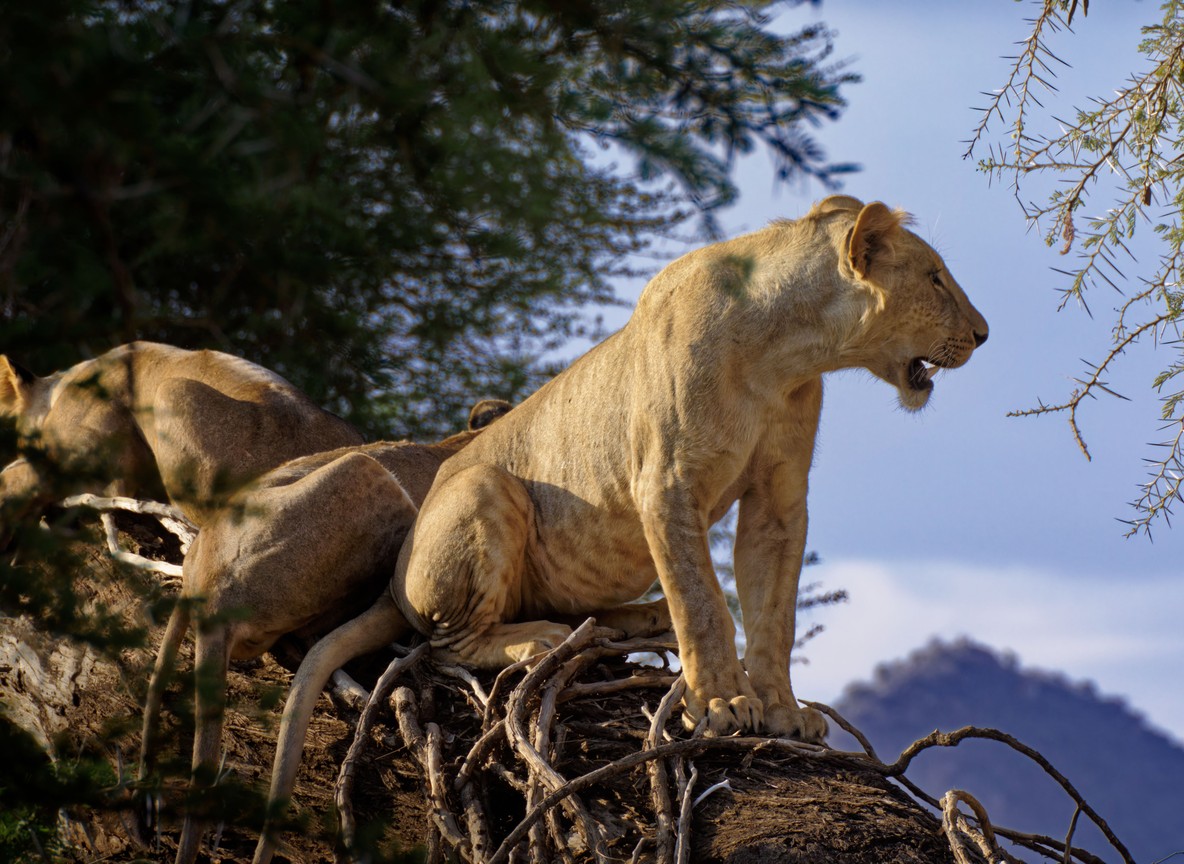
Several private conservancies already run public webcams at popular waterholes, including sites in the Mara ecosystem and around Amboseli‘s swamps. Ask your camp if they have a live feed link before you fly; it is a free way to gauge current animal activity near your specific lodge.
If the KWS product launches with a free preview tier, check it against the season you are booking. Wet season footage (roughly April-May and November) will look very different from the dry-season concentration around permanent water that draws most first-time visitors.
Rangers and camp managers are your best real-time source regardless of what KWS broadcasts. A five-minute call to your booked camp the week before travel still beats any livestream for planning specifics like flooded roads or a temporary gate closure.
Frequently Asked Questions
What is KWS virtual safari broadcasting? A 2026 KWS tender for camera and streaming infrastructure to capture and monetize live and recorded wildlife footage from Kenya’s parks, aimed at new revenue and wider access to Kenya’s wildlife content.
Will this replace the need to visit Kenya’s parks in person? No. KWS has not proposed virtual entry passes or any substitute for physical park visits. The tender is a content and revenue product, separate from park access.
Which parks will get virtual broadcasting first? Not publicly confirmed as of this writing. High-traffic, well-connected parks are the most likely early sites based on infrastructure needs.
Can I use a livestream to help plan my safari dates? Existing private camp livestreams already serve this purpose informally. A future official KWS feed would add a verified, multi-park version of the same tool.
Does this affect current park entry fees or booking rules? No. Entry fees, permits, and booking processes for 2026 and 2027 travel are unaffected by this tender.
This is an early-stage tender, and specifics on pricing, launch parks, and platform will firm up over the coming months. For current, confirmed conditions in the park you are planning around, our Tour Packages page connects you with a partner who can check live availability and recent sightings before you book.
What to Read Next
- Planning your first Kenya trip and want a realistic budget? See our Kenya safari cost guide for 2026.
- Curious how conservancy technology is changing ranger work? Read about community scout training in Tsavo.
- Wondering when to time your Mara trip around the herds? Check our Masai Mara migration 2026 guide.