Kisite-Mpunguti sits at the far southern tip of Kenya’s coastline, a short boat ride from the fishing village of Shimoni. In 2026 it earned a distinction no other Kenyan marine site holds: recognition as a Blue Park, a global mark reserved for marine protected areas proven to actually work. Touring Insights breaks down what that award means, what swims and grows inside this small park, and how to plan a day trip that matches the hype.
This is not a marketing label. Blue Park status comes from an independent science panel that checks whether a marine park delivers real conservation results, not just a boundary on a map. Kisite-Mpunguti earned it because the water inside its borders looks measurably different from the water outside.
What Is Kisite-Mpunguti Marine Park?
Kisite-Mpunguti Marine National Park and Reserve covers a small stretch of the Indian Ocean off Kwale County, near the Tanzania border. The core no-take zone, Kisite Marine National Park, protects approximately 28 km2 around Kisite Island. Mpunguti Marine National Reserve, a buffer zone that allows regulated fishing, adds roughly 11 km2 around the Mpunguti ya Juu and Mpunguti ya Chini islets.
Kenya Wildlife Service (KWS) manages both zones together, and most visitors experience them as a single destination: a cluster of small coral islands surrounded by reef, sandbank, and open channel water.
Why Kisite-Mpunguti Became Kenya’s First Blue Park
Blue Parks certification comes from the Marine Conservation Institute, an international body that audits marine protected areas against strict science-based criteria: enforcement, biodiversity outcomes, and long-term management. Kenya’s re-recognition of Kisite-Mpunguti was reported in mid-2026 around the Our Ocean conference held in Mombasa, putting the park on a short global list of sites judged to be genuinely effective, not just protected on paper.
The award matters for a simple reason. Marine parks worldwide often exist as lines on a chart with little enforcement behind them. Kisite-Mpunguti’s rangers patrol the no-take zone daily, and decades of that consistent presence show up in the numbers below.
What Lives Inside the Park
The reef system at Kisite-Mpunguti supports one of the richest concentrations of marine life on the East African coast. Recent surveys count around 250 fish species moving through the reef and channel waters, alongside 56 genera of hard and soft coral. Ten mangrove species line the creeks around Shimoni and Wasini, forming nursery habitat that feeds the reef food chain.
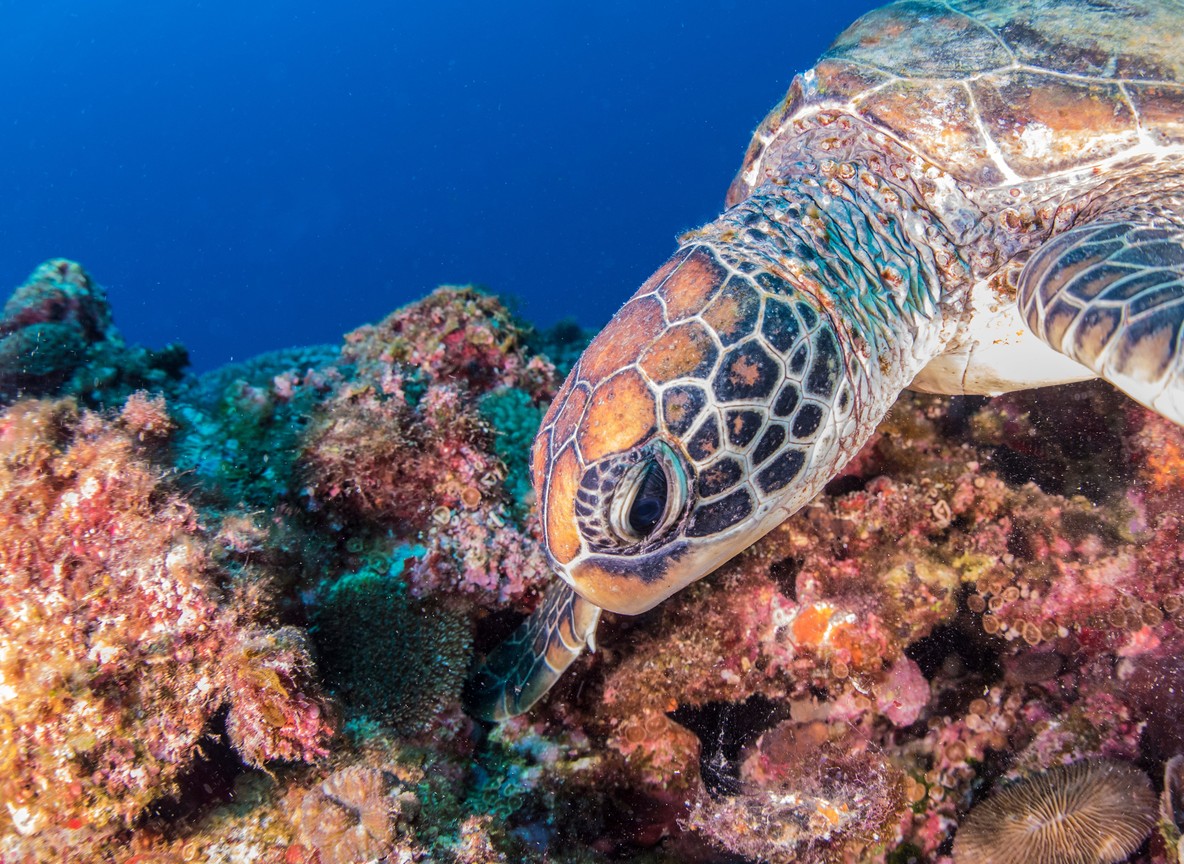
A resident pod of roughly 70 bottlenose dolphins uses the channel between Kisite and Wasini year-round, making dolphin sightings one of the most reliable wildlife encounters on this stretch of coast. Green and hawksbill turtles nest on the outer islets, and humpback whales pass through the Pemba Channel on their migration, usually spotted from boats between August and October.
Getting There: Shimoni and Wasini
Almost every visit to Kisite-Mpunguti starts at Shimoni jetty, a small port village that also holds the historic Shimoni Slave Caves. From there, licensed boat operators run trips into the marine park, typically stopping at Wasini Island on the way back for a seafood lunch and a walk along the mangrove boardwalk through Mkwiro or Wasini village.
| Route | Distance | Typical travel time |
|---|---|---|
| Mombasa to Shimoni (road, via Likoni ferry) | approx. 75 km | approx. 1.5-2 hours |
| Diani Beach to Shimoni (road) | approx. 45 km | approx. 1 hour |
| Shimoni jetty to Kisite Island (boat) | approx. 8-10 km | approx. 30-40 minutes |
| Wasini village to Kisite Island (boat) | approx. 5 km | approx. 20 minutes |
Roads south of Diani are tarmac but narrow in places, and the Likoni ferry crossing from Mombasa Island can add unpredictable wait time during peak hours. Most operators recommend leaving Diani by mid-morning to reach Shimoni jetty in time for a full-day boat trip.
Kisite-Mpunguti vs Watamu Marine Park
Travelers weighing Kenya’s two best-known marine parks often ask how they compare. Here is how the two stack up on the numbers that matter for planning.
| Factor | Kisite-Mpunguti Marine Park | Watamu Marine National Park |
|---|---|---|
| Core protected area | approx. 28 km2 (no-take zone) | approx. 10 km2 (no-take zone) |
| Buffer/reserve area | approx. 11 km2 (Mpunguti Reserve) | approx. 32 km2 (Watamu Reserve) |
| Nearest town | Shimoni / Wasini Island | Watamu town |
| Distance from Mombasa | approx. 75 km south | approx. 115 km north |
| Signature wildlife | Resident dolphin pod, humpback whale migration | Green turtles, whale shark sightings (seasonal) |
| Non-resident park fee (indicative) | USD 20-25/day | USD 20-25/day |
| Boat trip style | Dhow/speedboat from Shimoni, Wasini lunch stop | Glass-bottom boat, Mida Creek option |
Fees and access rules change; confirm current KWS marine park rates on the eCitizen portal before booking, and never pay a rate that sounds invented on the spot by an unlicensed tout at the jetty.
Best Time to Visit for Snorkeling and Dolphins
Visibility in the marine park is best during Kenya’s two dry seasons, roughly December to March and July to October, when the Indian Ocean stays calmer and clearer. The long rains from April to June often bring rough water and reduced visibility, and some operators pause boat trips altogether during the roughest weeks.
Humpback whale season runs from around August through October, when whales pass through the Pemba Channel on their way south. Dolphin sightings happen year-round since the pod is resident rather than migratory, but calmer seas make spotting them from a boat far easier.
Booking a Trip: What to Expect
Most Kisite-Mpunguti day trips are sold as a package: boat transfer from Shimoni or Wasini, snorkeling stops over two or three reef sites, a dolphin-watching detour through the channel, and a seafood lunch on Wasini Island. Full-day trips commonly run in an indicative range of USD 40-80 per person depending on operator, group size, and whether lunch and equipment rental are included.
Only licensed KWS-registered boat operators are permitted inside the no-take zone. Ask any operator for their KWS permit before booking, and avoid boats that promise to get closer to dolphins than local guidelines allow.
Explorer Notes
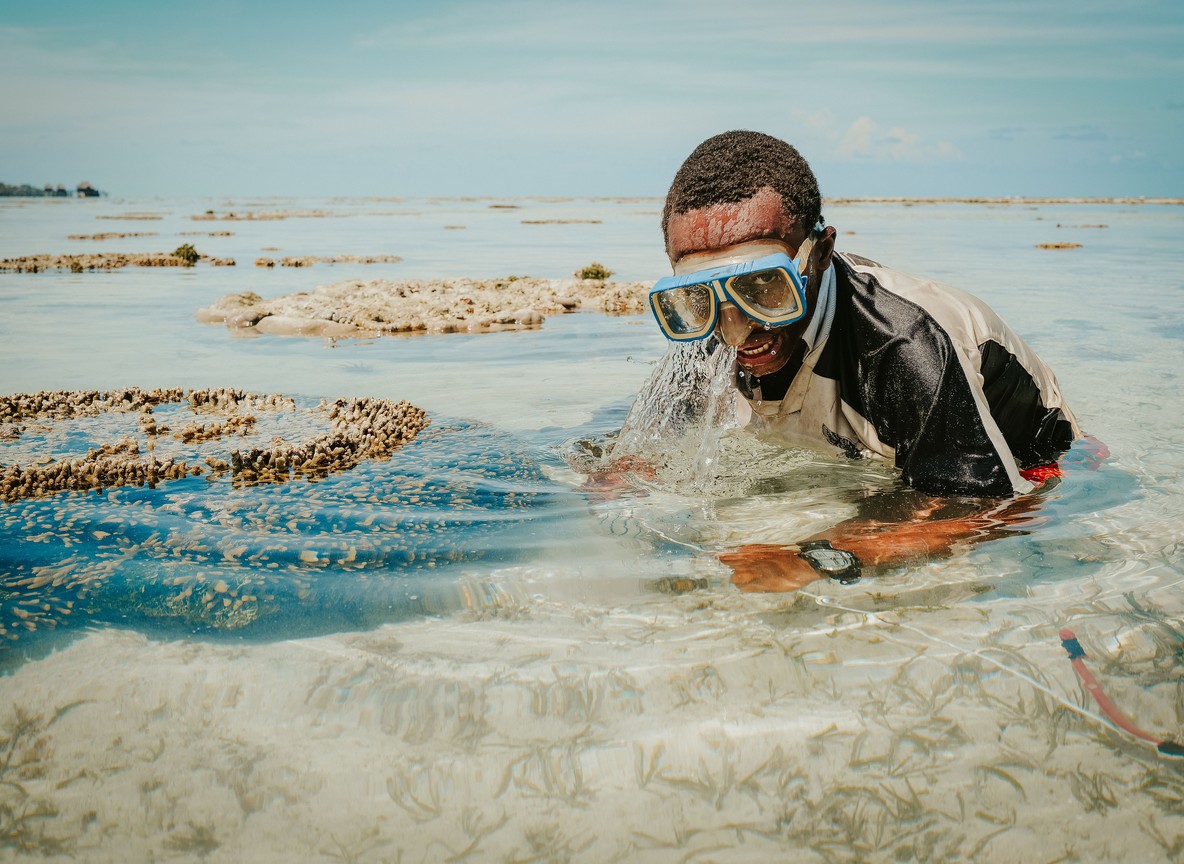
Bring reef-safe sunscreen only. Kisite-Mpunguti’s coral cover is a big part of why it earned Blue Park status, and standard sunscreen chemicals can damage coral even in small quantities over repeated visits.
Pack a dry bag for your phone and camera. The transfer between Shimoni jetty and the outer islands crosses open channel water, and spray comes over the side even on calm days.
If you want the best dolphin odds, ask your boat captain to head for the channel between Kisite Island and Wasini first, before the mid-morning boat traffic picks up. Captains who work this water daily read the surface patterns for feeding activity better than any fixed schedule can predict.
Combine the trip with the Shimoni Slave Caves if you have an extra hour. It sits right at the jetty and adds real historical context to the coast before you head out to the reef.
Frequently Asked Questions
What makes Kisite-Mpunguti Kenya’s first Blue Park? Blue Park status is awarded by the Marine Conservation Institute to marine protected areas that prove strong conservation outcomes, not just formal protection status. Kisite-Mpunguti earned the recognition in 2026 based on its enforcement record and reef biodiversity.
How do I get to Kisite-Mpunguti Marine Park? Most visitors drive from Mombasa or Diani Beach to Shimoni jetty, then take a licensed boat operator’s trip into the park, often combined with a stop at Wasini Island.
What animals will I see at Kisite-Mpunguti? A resident pod of around 70 bottlenose dolphins lives in the channel year-round, alongside roughly 250 fish species and 56 coral genera. Humpback whales pass through seasonally between August and October.
Is Kisite-Mpunguti good for snorkeling? Yes. The no-take zone around Kisite Island holds some of the healthiest reef on Kenya’s coast, with the best visibility during the dry seasons from December to March and July to October.
How much does it cost to visit Kisite-Mpunguti? Park entry fees run in an indicative range of USD 20-25 per day for non-residents, and full-day boat trips with lunch typically cost USD 40-80 per person. Confirm current rates before booking since fees change.
Ready to add Kisite-Mpunguti to your coast itinerary? Visit our Tour Packages page or ask a partner operator to build it into a Diani or Shimoni add-on for your next trip.
What to Read Next
- New to the coast? Start with our Kenya Coast planning guide.
- Weighing marine parks? Compare it with our Watamu Marine Park guide.
- Building a full itinerary? See how to combine safari and beach in one trip.