What Is the Kibale Chimpanzee Trek Age Limit?
The Uganda Wildlife Authority sets 12 years old as the minimum age for chimpanzee trekking in Kibale Forest National Park. This applies to both standard trekking permits and the chimpanzee habituation experience. Children younger than 12 are not permitted to join, with no exceptions made for maturity or fitness.
If you have searched this question and landed on conflicting answers, you are not imagining it. Several operator pages online quote 15 as the minimum, but that number belongs to gorilla trekking, not chimp trekking. The Kibale chimpanzee trek age limit and the gorilla trekking age limit are two different rules. Mixing them up can wreck a family itinerary if you assume a 12-year-old can do both.
Why Does Kibale Enforce a Minimum Age?
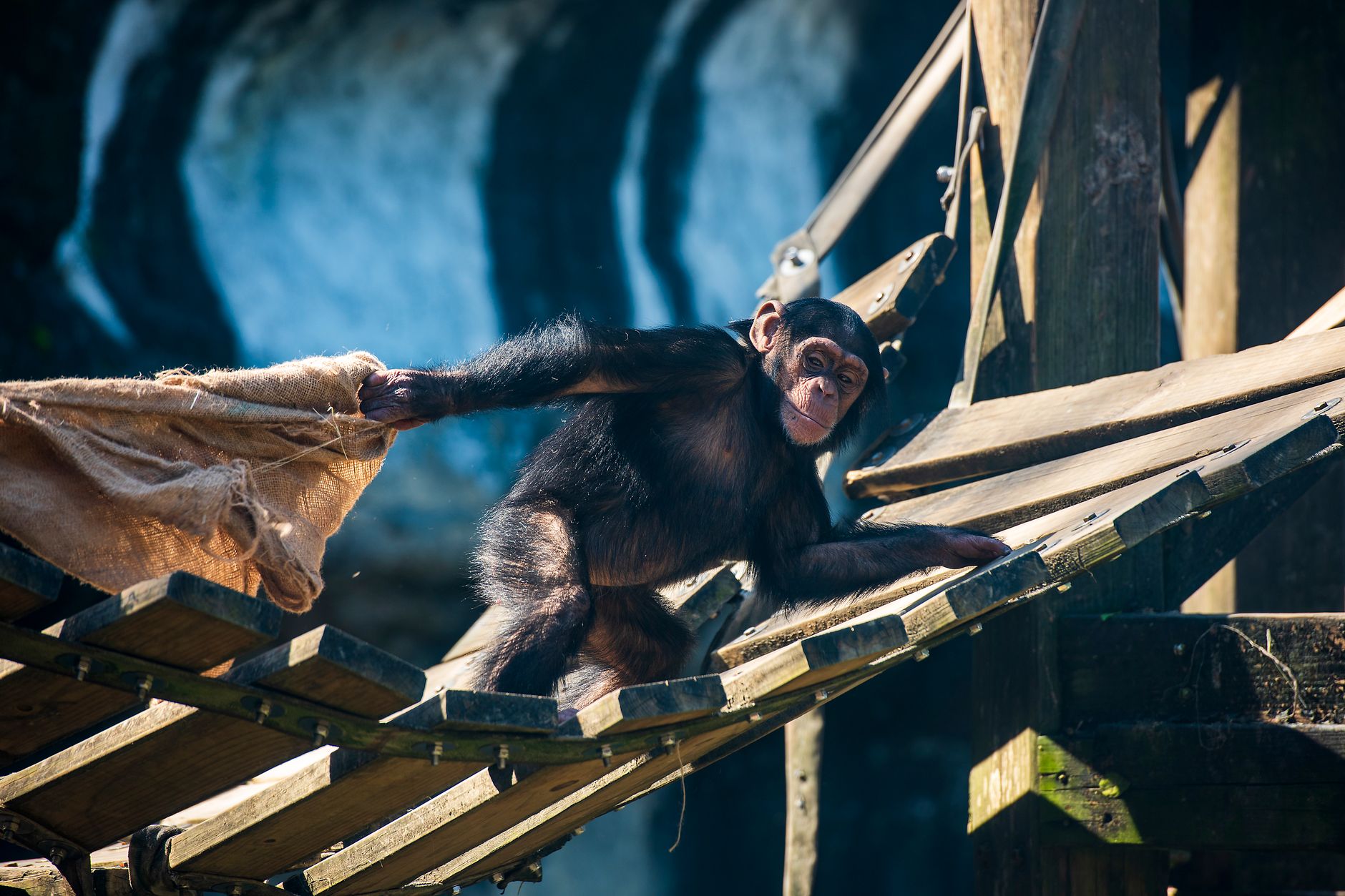
Chimpanzees share roughly 98% of human DNA, which makes them highly susceptible to human respiratory illnesses like colds and flu. A minor cough in a trekking group can turn serious for a wild troop. The age rule also reflects the physical demands of the trek itself: 2 to 5 hours on uneven, root-tangled forest trails at altitude.
That DNA closeness is also why rangers turn away anyone, of any age, who shows up with a visible cold, cough, or other contagious illness. It is worth reviewing the health requirements before a primate trek a few days before you travel. The same screening applies at Bwindi for gorillas and at Kibale for chimps. Pack accordingly and be honest with your guide if someone in the group feels unwell.
Is There a Maximum Age for Chimpanzee Trekking?
There is no official maximum age for chimpanzee trekking in Kibale. Rangers regularly guide trekkers in their 70s and beyond. The real constraint is moderate fitness: comfortably walking 2 to 5 hours over uneven terrain. Porters and slower pacing can accommodate most trekkers, but not zero mobility.
If you are traveling with grandparents alongside younger family members, the trek itself does not exclude older travelers on age grounds alone. It is smart to look honestly at the fitness factors for older travelers on primate treks before booking. Forest trails in Kibale can be muddy and root-covered even when the walk sounds short on paper.
How Does the Kibale Chimp Trek Age Limit Compare to Gorilla Trekking?
Chimpanzee trekking in Kibale requires a minimum age of 12, while gorilla trekking in Uganda and Rwanda requires a minimum age of 15. Families planning both experiences on one trip should build itineraries around the stricter gorilla rule. A 12- or 13-year-old can trek chimps but not gorillas.
This is the single most useful fact for families weighing a combined Uganda and Rwanda trip. A 13-year-old can join a chimp trek in Kibale in the morning of one trip. Three days later, that same teen can sit out a gorilla trek in Bwindi, simply due to age. Here is how the two experiences line up.
| Experience | Minimum age | Typical time with the animals | Total trek length | Foreign non-resident permit (indicative range) |
|---|---|---|---|---|
| Standard chimpanzee trekking, Kibale | 12 | About 1 hour | 2 to 5 hours | $200 to $250 |
| Chimpanzee habituation experience, Kibale | 12 | Up to 6 hours | Full morning to full day | Higher than standard permit, confirm current rate |
| Gorilla trekking, Uganda | 15 | About 1 hour | 2 to 6 hours | Roughly $700 to $800, confirm current rate |
| Gorilla trekking, Rwanda | 15 | About 1 hour | 2 to 6 hours | Historically around $1,500, confirm current rate |
Permit prices change, so treat these as a planning range and confirm the exact figure before you pay. If your trip weaves through Rwanda too, planning a Uganda, Rwanda, and Kenya itinerary is worth reading before you lock in dates. Age limits and border logistics both shape which activities fit which travelers.
What Can Kids Under 12 Do in Kibale Instead?
Kids under 12 can join the Bigodi Wetland Sanctuary walk, which has no age limit. The walk offers strong odds of spotting primates like red colobus and black-and-white colobus monkeys, plus birdlife, from boardwalks. Kanyanchu nature trails around the park headquarters are another no-age-limit option.
Both activities run shorter than a full chimp trek and stay on gentler terrain, which suits younger legs and shorter attention spans. Guides at Bigodi are used to families and tend to slow the pace for kids without losing the wildlife viewing. If your teens want a deeper primate encounter elsewhere on the trip, Rwanda’s forest walks are a reasonable add-on. It helps to check the going rate for a Nyungwe canopy walk while you are budgeting the rest of the itinerary.
What Is the Age Limit for the Chimpanzee Habituation Experience?
The chimpanzee habituation experience carries the same 12-year minimum age as standard trekking. It runs up to 6 hours with a research group, instead of the standard 1-hour viewing window. It costs more than a standard permit and suits families with teens who want a deeper, less time-limited encounter.
Because the day runs longer, it asks more of a young trekker’s stamina and patience than the standard permit does. Families with a 12 or 13-year-old who tires easily may get more out of the standard permit’s shorter hour. Save the habituation experience for older teens or a return trip.
So Who Should Book a Kibale Chimp Trek?
Families with kids age 12 and up get the most out of a standard Kibale chimp trekking permit. They need to manage only a few hours of walking on uneven ground. Households with a mix of ages, including kids under 12, do better splitting the day. Older kids and adults trek chimps while younger ones join the Bigodi Wetland walk or Kanyanchu trails, then everyone regroups for the evening. Groups also planning a gorilla trek should build the itinerary around the higher 15-year minimum first, since that rule is the tighter constraint.
Where Can You Find More Safari Planning Resources?
Once you know which experiences your family’s ages actually qualify for, compare safari operators on cost, group size, and itinerary structure before you book.
- Kenya family safari from SafariPure
- Ol Pejeta Conservancy guide from Trunktrails Safaris
- Kenya tour packages from Valley Safaris
- Family safari collection on FindMySafari
FindMySafari, Valley Safaris, and Trunktrails Safaris are good places to browse packages and see how different operators handle multi-generational trips through Kibale and beyond.