Kilimanjaro Safari Before or After Climb: 2 Rest Days First
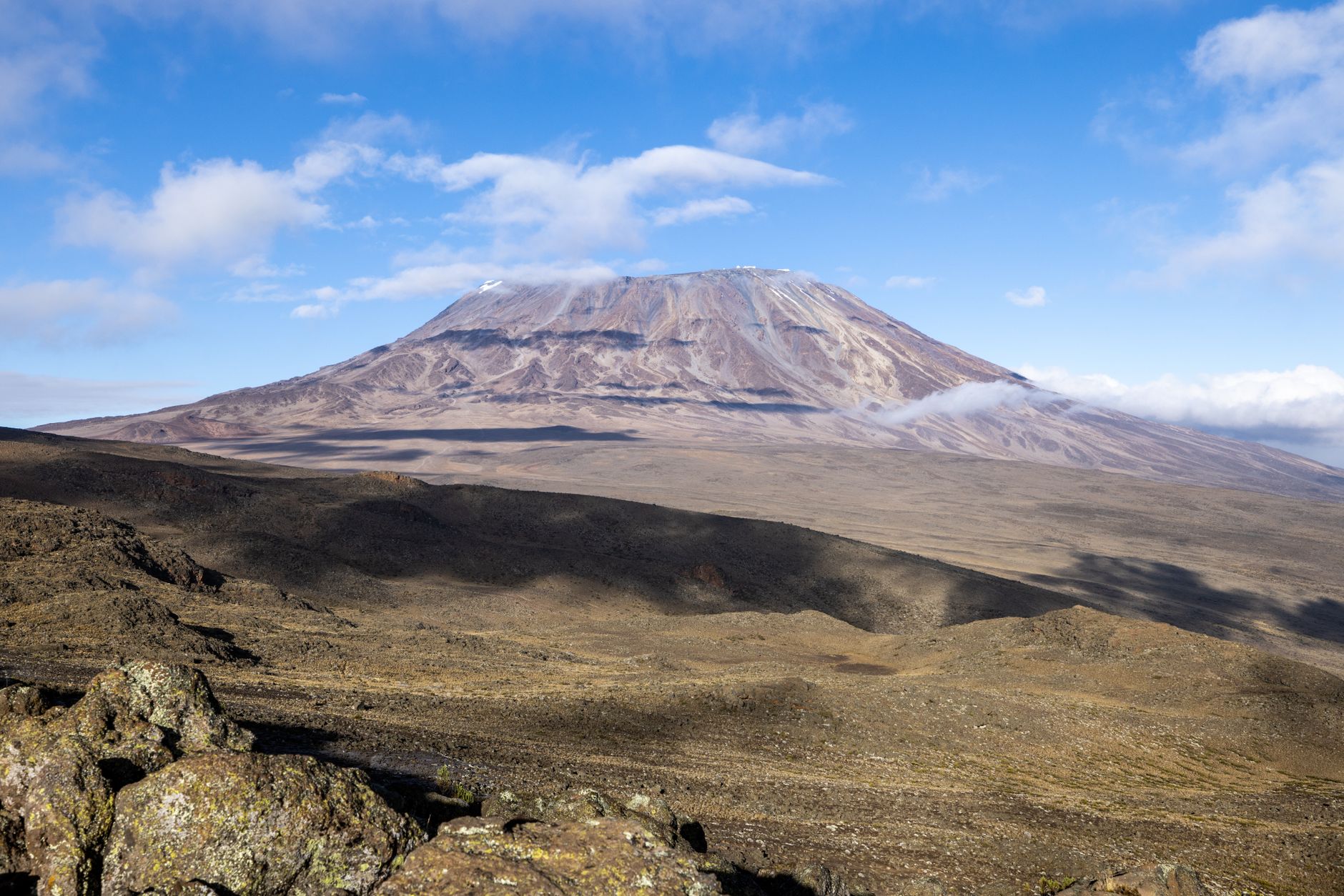
Most advice on a kilimanjaro safari before or after climb assumes the safari half stays in Tanzania. It does not have to. Amboseli, just across the Kenya border, sits closer to Kilimanjaro than the Serengeti does, and it offers the shot every climber pictures: elephant herds moving beneath the snowcap. This checklist covers the order that works best, how many rest days to plan, and what it actually takes to cross into Kenya once the mountain is behind you.
Kilimanjaro Safari Before or After Climb?
Climb Kilimanjaro first, then safari. Most experienced operators recommend tackling the mountain while you are fresh and well fed. Then use the safari’s slower, vehicle based pace to recover from tired legs and disrupted sleep. Safari first only makes sense if you need extra days to shake off jet lag or calm pre climb nerves.
A safari asks almost nothing of your body. You sit in a vehicle while a guide drives and spots wildlife. Kilimanjaro asks a great deal: cold nights, thin air, and a summit push that leaves most climbers dehydrated and sore. Doing the harder thing first, while your legs and lungs are strongest, is simply the safer order.
The Kilimanjaro to Kenya Safari Checklist
Once you have settled on climbing first, here is what to line up before you book anything.
- Lock in climb first, safari second. Build your itinerary around the mountain, then add the safari as recovery, not the other way round. Reversing the order only helps if you specifically need acclimatization days before the trek.
- Plan on two rest nights in Moshi or Arusha. Rest days after climbing Kilimanjaro matter as much as the climb itself. After summit night, most climbers deal with dehydration, sore legs and disrupted sleep. Two nights of real food, a shower and proper sleep let your body reset before long days in a safari vehicle. Add a third night if your summit push was hard or altitude symptoms lingered.
- Choose Amboseli or Tsavo over a Serengeti detour. Most Kilimanjaro operators default to Tanzania’s Serengeti or Ngorongoro because that is their home turf. An Amboseli safari after Kilimanjaro gives you Kilimanjaro views from inside the park itself, plus some of the largest elephant herds in East Africa. Tsavo adds red earth landscapes and thinner crowds if you want a quieter add on. Compare the Amboseli guide and the Tsavo guide before you decide which suits your trip.
- Sort the Kilimanjaro to safari border crossing before you fly. From Moshi or Arusha it is roughly a four to five hour drive to Amboseli through the Namanga border post. That includes immigration checks on both sides. You will need a Kenya visa or an East Africa Tourist Visa that covers Kenya, Tanzania and Uganda. Buying one at the border is possible but slower, so arrange it in advance where you can.
- Budget ten to thirteen days for the whole trip. That covers a six to eight day climb, one to two rest days, and a three to four day Kenya safari. Fewer days forces a rushed summit attempt or a one park safari with little variety. If you have more time, the 14-day Kenya Tanzania itinerary shows how a longer combined route fits together.
- Match your travel window to dry months on both sides. The best time to climb Kilimanjaro and safari afterward is January through March or June through October. Dry trails improve summit odds, and dry season safaris concentrate wildlife around water sources in Amboseli and Tsavo. Avoid April and May, when long rains turn climb routes muddy and flood safari tracks.
- Pack two separate kits. Kilimanjaro gear, cold weather layers, and sturdy boots have little overlap with safari gear, which runs to neutral colors and binoculars. Use the Kenya safari packing list for the safari half and build your mountain kit with your climb operator separately.
What a Kilimanjaro Climb and Safari Combo Costs
Expect $4,000 to $8,000 per person for a combined ten to thirteen day trip, before international flights. That range answers the basic kilimanjaro safari cost question for most travelers planning both halves. Route choice, group size and lodge category drive most of the difference.
| Trip Segment | Typical Length | Indicative Cost (per person) |
|---|---|---|
| Kilimanjaro climb (Machame or Lemosho) | 6-8 days | $2,500-$5,000 |
| Rest days in Moshi or Arusha | 1-2 days | Modest, usually part of lodging |
| Kenya safari (Amboseli or Tsavo) | 3-4 days | $1,000-$2,500 |
For a fuller sense of what drives Kenya side pricing, see typical Kenya safari costs.
Your Next Step
If you are still weighing a kilimanjaro safari before or after climb, the order is settled: climb first, rest two nights, then cross into Kenya. What is left is finding an operator who runs both halves well. Compare safari operators such as FindMySafari, Valley Safaris and Trunktrails Safaris to see how their Kilimanjaro and Kenya combo packages are priced and staffed. Then check touringinsights.com for more on planning the Kenya side of the trip.
More safari planning resources
- Amboseli map and guide from SafariPure
- Map of Amboseli from Valley Safaris
- Amboseli destination guide on FindMySafari