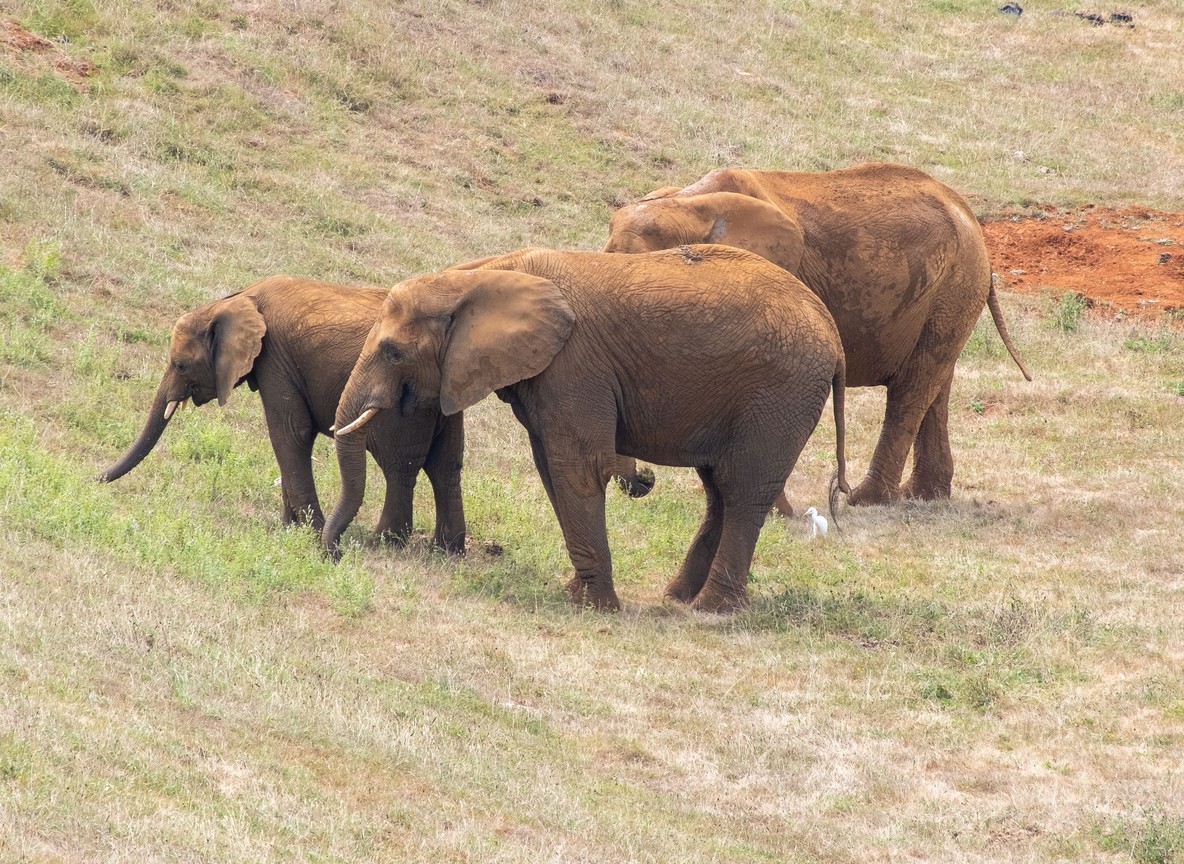
Farmers who live along Kenya’s park and conservancy boundaries carry a real cost for sharing land with wildlife. Elephants raid maize fields. Lions and hyenas take livestock. Some encounters cause injury or death. For years, the government’s compensation process for these losses moved so slowly that families waited up to eight years for a payout that should have come in months.
That is changing in 2026. The state has injected KES 950 million into the compensation fund and rolled out a USSD-based digital claims platform, now piloted in six high-conflict counties. Safari travelers rarely think about this system, but it shapes the same landscapes many itineraries pass through, including the conservancy corridors bordering Tsavo and Laikipia. Here is how the new claims process actually works, what it pays, and why it matters if your route runs near these areas.
What Changed: Kenya’s KES 950 Million Compensation Push
The State Department for Wildlife directed the new funding toward clearing a backlog of unpaid claims and building the digital tools to prevent the next one. Tourism and Wildlife Cabinet Secretary Rebecca Miano has framed the shift as a move toward real-time verification and direct payment. That framing responds to years of criticism from consultants and MPs over delays and disputed disbursements under the old paper ledger system.
The funding sits alongside the Wildlife Conservation and Management Act 2025, which replaced the 2013 framework and set firmer rules for who gets paid, how much, and how fast. Kenya Wildlife Service (KWS) remains the lead agency on the ground, working with private claims administrators brought in specifically to speed up verification.
The digital model behind this rollout was not built from scratch in 2026. It grew out of a two-year pilot that began in January 2024, run by claims administrator AB Entheos alongside insurers Pula and Minet, with KWS as the government partner. By December 2024, that pilot had already processed more than 6,000 verified claims, giving officials real usage data before scaling the USSD system nationally with the new funding.
How the USSD Claims System Actually Works
The process starts with a phone call, not a form. A claimant dials a USSD shortcode from any basic mobile phone, no smartphone or data connection required. That single action alerts three parties at once: a nearby Claims Verification Officer (CVO), the local KWS station, and the insurance partner underwriting the claim.
The CVO then travels to the farm or homestead in person. Using a mobile app, the officer records GPS coordinates, photographs of the damage, and testimony from the claimant and witnesses. This creates a digital case file that both KWS and the insurer can review at the same time, rather than passing paperwork between offices for months.
A two-tier verification step follows before any payout clears, designed to catch fraudulent claims without slowing down genuine ones. Smaller claims, those under KES 100,000, move through M-Pesa for near-instant payment once approved. Larger claims for injury, death, or major property loss go through a fuller review before disbursement.
Compensation Caps Under the Wildlife Conservation and Management Act 2025
The new Act sets fixed ceilings on what victims can recover, a change from the more open-ended assessments used previously. Here is how the system stands in 2026.
| Category | Detail |
|---|---|
| New funding injected | KES 950 million (2026) |
| Legal basis | Wildlife Conservation and Management Act 2025 |
| Loss of life cap | KES 5 million |
| Injury cap | KES 1 million |
| Property and crop loss | Paid at market value, if reasonable protective measures were taken |
| Small-claim payment channel | M-Pesa, for claims under KES 100,000 |
| Target processing time | 30 days for property; 90 days for death or injury |
| Pilot coverage | 6 counties, accounting for roughly 80% of national human-wildlife conflict incidents |
Fees and figures above are the government’s published targets for the current rollout. Always confirm current claim status directly with KWS or the assigned CVO, since backlog clearance is still in progress.
Why the Old System Left Victims Waiting Years
Before the digital platform, claims moved through a manual ledger process with no shared database between field offices and Nairobi headquarters. By the end of 2023, the backlog had grown past 14,000 unresolved claims, worth an estimated $40 million. Government figures put total historical disbursement since 2018 at KES 4.8 billion, with roughly KES 1.36 billion still pending when the current administration accelerated payouts in 2025.
Those numbers explain why the eight-year wait became a common complaint among affected families. A single case could sit in a regional office, get transferred, then sit again, with no digital trail for anyone to track. The USSD system exists specifically to close that gap by creating a timestamped, GPS-tagged case file the moment a claim is filed.
Where This Matters Most: Taita Taveta and Laikipia
Two of the six pilot counties tie directly into Kenya’s safari map. Taita Taveta County is home to the Taita Taveta Wildlife Conservancies Association, and Laikipia County is home to the Laikipia Conservancies Association, both partnering directly on the claims rollout. Each sits on land where dense wildlife populations border farms and ranches, which is exactly why conflict rates run high there.
| Area | Distance from Nairobi | Drive time | Nearest airstrip | Why conflict is high |
|---|---|---|---|---|
| Taita Taveta (Tsavo corridor) | approx. 330 km via Mombasa Road to Voi | 5 hours | Voi Airstrip, approx. 40-minute flight from Wilson Airport | Borders Tsavo East and Tsavo West, a combined 13,747 km2 of elephant range, with farms along the boundary |
| Laikipia County | approx. 200 km via Nyahururu or Rumuruti | 3.5-4 hours | Nanyuki Airstrip, approx. 35-minute flight from Wilson Airport | High density of private and community conservancies bordering ranches, with frequent elephant and predator movement |
These same corridors host well-known conservancy stays, so a portion of your park fees and conservancy levies already supports local coexistence work in the areas this compensation system covers.
What This Means If You Are Planning a Kenya Safari
None of this changes how safe a standard safari itinerary is. Tourist routes, lodges, and game drives are separate from the farm boundaries where conflict claims originate. What it does change is the context around the conservancies you visit.
When a camp near Taita Taveta or Laikipia talks about community coexistence programs, this is the system behind that language. Touring Insights covers this policy shift because it helps travelers understand what their conservancy fees and community levies actually fund, beyond the wildlife they come to see.
It also helps explain some of what you will see from the vehicle. Beehive fences along farm boundaries, solar trip-wire lights, and community scout posts near conservancy edges are all part of the same coexistence push this compensation system supports. A guide who points these out is showing you the quieter side of conservation work, the part that keeps both farms and wildlife corridors functioning.
Explorer Notes
If you stay in a conservancy around Taita Taveta or Laikipia, ask the camp manager directly about local coexistence or compensation programs. Most conservancies can point to a specific initiative, from beehive fences to rapid-response ranger teams, that your visit helps fund.
Do not expect to see the USSD system in action as a tourist. It runs through community-level Claims Verification Officers, not park gates, so it stays mostly invisible to visitors unless a guide brings it up directly.
Pack a small notebook if you like documenting your trip context. Guides and conservancy staff in these areas are often well informed about the compensation rollout, since it affects their own neighbors. Many are glad to explain it in more depth than a website can.
Frequently Asked Questions
What is Kenya’s new USSD wildlife compensation system? It is a digital claims platform that lets human-wildlife conflict victims file a claim by dialing a USSD shortcode from any basic phone. That single call triggers an in-person verification visit instead of a slow paper process.
How much is the KES 950 million compensation package for? The KES 950 million is new government funding for 2026 aimed at clearing the existing compensation backlog and supporting the digital claims platform’s rollout across pilot counties.
What are the compensation limits under the Wildlife Conservation and Management Act 2025? Payouts are capped at KES 5 million for loss of life and KES 1 million for injury. Property and crop loss are paid at market value, provided reasonable protective measures were in place.
Which counties are piloting the digital claims system? The pilot covers six high-conflict counties, including Taita Taveta and Laikipia, chosen because together they account for roughly 80% of Kenya’s reported human-wildlife conflict incidents.
Does this affect safety on a Kenya safari? Standard safari routes and lodges sit apart from the farm boundaries where conflict claims arise, so this system does not change safety planning for a typical trip.
If your route takes you through the Tsavo or Laikipia conservancy corridors, our Tour Packages page lists itineraries built around those exact regions. A partner operator can walk you through which conservancies support local coexistence work during your travel dates.
What to Read Next
- Curious about the private conservancy landscape behind Laikipia? See our Laikipia Plateau safari guide.
- Routing through the Tsavo corridor near Taita Taveta? Check our Amboseli and Tsavo road link guide.
- Want the bigger conservation picture behind these coexistence programs? Read our Kenya black rhino population 2026 update.