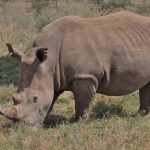
Kenya’s black rhino population has passed 1,000 animals. That figure once looked out of reach. In the mid-1980s, poaching had pushed the national count below 400. The rebuild took four decades and several fenced sanctuaries. It also took a national plan that treated every rhino as an individual to track, not a statistic. Touring Insights breaks down how the kenya black rhino population 2026 milestone happened. We also cover what it means for anyone planning a safari built around seeing one.
This is not a story about a single park getting lucky. It is a story about a species pulled back from a genuine collapse. Named sanctuaries and specific numbers sit behind every stage of it.
How Low Did Kenya’s Black Rhino Population Really Fall?
Planning the trip itself? See TouringInsights’s Kenya Safari Cost Guide for Bengali Speakers for current prices, dates and what is included.
Kenya held an estimated 20,000 black rhinos in the early 1970s. That made it one of the largest populations on the continent. Commercial poaching for horn cut that number by more than 95 percent in under two decades. Demand mainly came from parts of Asia and the Middle East. By the late 1980s, national counts had dropped to fewer than 400 animals. They were scattered and vulnerable across open, unfenced ranges. Rangers could not patrol every square kilometer of that terrain.
That crash forced a change in strategy. Kenya Wildlife Service (KWS) formed in 1990. It inherited a black rhino program that had already started moving survivors into smaller, fenced sanctuaries. Guarding a few intensive zones beat trying to protect rhinos across vast open terrain.
The Numbers Behind the 1,000-Rhino Milestone
| Metric | Figure |
|---|---|
| Kenya black rhino population, early 1970s | approx. 20,000 |
| Population low point, mid-to-late 1980s | fewer than 400 |
| Current national population (2026 reporting) | 1,000+ |
| Target annual growth rate (KWS/range-state benchmark) | 5% or higher |
| Number of dedicated black rhino sanctuaries in Kenya | 10+ fenced sanctuaries and intensive protection zones |
| IUCN status | Critically Endangered |
The 5 percent annual growth target matters more than it sounds. Rhinos breed slowly. Gestation runs roughly 15 to 16 months, and a female typically has one calf every 2.5 to 4 years. Hitting that growth rate consistently, decade after decade, is what turned fewer than 400 animals into more than 1,000.
Which Sanctuaries Rebuilt the Population
Ol Pejeta Conservancy in Laikipia County carries the largest single black rhino population in East Africa. It is reported at more than 140 animals across roughly 364 km2 of fenced, guarded land. Ol Pejeta sits about 200 km north of Nairobi, a 3 to 3.5 hour drive or a 45-minute flight into Nanyuki.
Lake Nakuru National Park is a fully fenced 188 km2 park in the Rift Valley, about 160 km from Nairobi (roughly 2.5 hours by road). It was one of the earliest dedicated rhino sanctuaries, established in the 1980s to protect both black and white rhino from the poaching crisis.
Ngulia Rhino Sanctuary sits inside Tsavo West National Park and covers roughly 90 km2 of fenced ground. It has run as an intensive protection zone since the 1980s crash, making it one of the oldest such enclosures in the country.
Aberdare National Park’s fenced sections include the area around the Ark and Treetops lodges. They hold a smaller but stable black rhino population. The Aberdare Fence Project has supported this by reducing human-wildlife conflict along the park boundary since the 1990s.
Lewa Wildlife Conservancy covers about 250 km2 in Meru County near Isiolo. It has run a rhino sanctuary since the 1980s and is recognized, alongside neighboring Il Ngwesi, as part of a wider UNESCO World Heritage rhino landscape.
How the Main Sanctuaries Compare
| Sanctuary | Approx. size | Distance/time from Nairobi | Known for |
|---|---|---|---|
| Ol Pejeta Conservancy | 364 km2 | 200 km, 3-3.5 hrs road or 45 min flight | Largest black rhino population in East Africa |
| Lake Nakuru National Park | 188 km2 | 160 km, approx. 2.5 hrs road | One of the earliest fenced rhino sanctuaries |
| Ngulia Rhino Sanctuary (Tsavo West) | 90 km2 | 250 km, approx. 4-4.5 hrs road | Long-running intensive protection zone since the 1980s |
| Lewa Wildlife Conservancy | 250 km2 | 280 km, approx. 5 hrs road or 50 min flight to Lewa Downs airstrip | UNESCO-linked rhino landscape with Il Ngwesi |
| Aberdare National Park (fenced zone) | part of 767 km2 park | 160 km, approx. 2.5-3 hrs road | Fence project supporting stable, low-conflict population |
What Kenya Wildlife Service Changed to Reverse the Decline
Three shifts drove the recovery. First, KWS moved rhinos out of open, unfenced range into smaller sanctuaries. Security could actually cover the ground there, the same logic behind Ol Pejeta’s and Nakuru’s fence lines. Second, individual rhino monitoring became standard. Each animal gets tracked, named, and checked on a set schedule, so a missing rhino gets flagged within days, not months.
Third, funding and management shifted toward conservancies and public-private partnerships. This spread cost and expertise across county, national, and conservancy-level teams, instead of relying on one stretched agency. None of this made poaching disappear. It made the response fast enough that population growth could outpace losses most years.
Why Black Rhinos Are Still Considered Critically Endangered
A population above 1,000 sounds strong against a low of under 400. But the IUCN still lists the black rhino as Critically Endangered across its full range, not just in Kenya. Global black rhino numbers remain a fraction of pre-1970s totals. Any single poaching surge, disease event, or drought can undo years of growth quickly in a small, fragmented population.
That is why sanctuaries keep fences, ranger patrols, and individual monitoring running at full strength even after a milestone like 1,000. The recovery is real, but it is not finished.
Genetics add another layer of concern that raw population counts do not show. Kenya’s black rhinos descend from a small number of founder animals moved into sanctuaries during the 1980s crash. That narrows the gene pool compared to the pre-1970s population. KWS and partner conservancies now track bloodlines when planning translocations between sanctuaries. Individual rhinos move between Ol Pejeta, Nakuru, and Lewa specifically to keep breeding diverse, rather than letting each fenced population become genetically isolated.
Where Travelers Can See Black Rhinos Today
Ol Pejeta and Lake Nakuru offer the most reliable sightings for a standard safari itinerary. Both sit within a half-day’s drive of Nairobi, and both build game drives around known rhino territory. Lewa and Ngulia require more planning, usually as an add-on to a Laikipia or Tsavo circuit rather than a standalone stop.
Ask your camp or operator whether a rhino-tracking add-on is available. Ol Pejeta in particular runs guided rhino monitoring drives. Guests ride along as rangers check on individually named animals by radio collar, a more specific experience than a standard game drive.
Indicative non-resident park entry fees run $60-90 per adult per day at Lake Nakuru and $90-100 at Ol Pejeta, on top of camp or lodge rates. Confirm current rates before travel since these change periodically. Most lodges inside or bordering these sanctuaries, such as Sweetwaters Serena at Ol Pejeta or Lake Nakuru Lodge, build a rhino-focused game drive into a standard two-night stay without needing a special request.
Explorer Notes
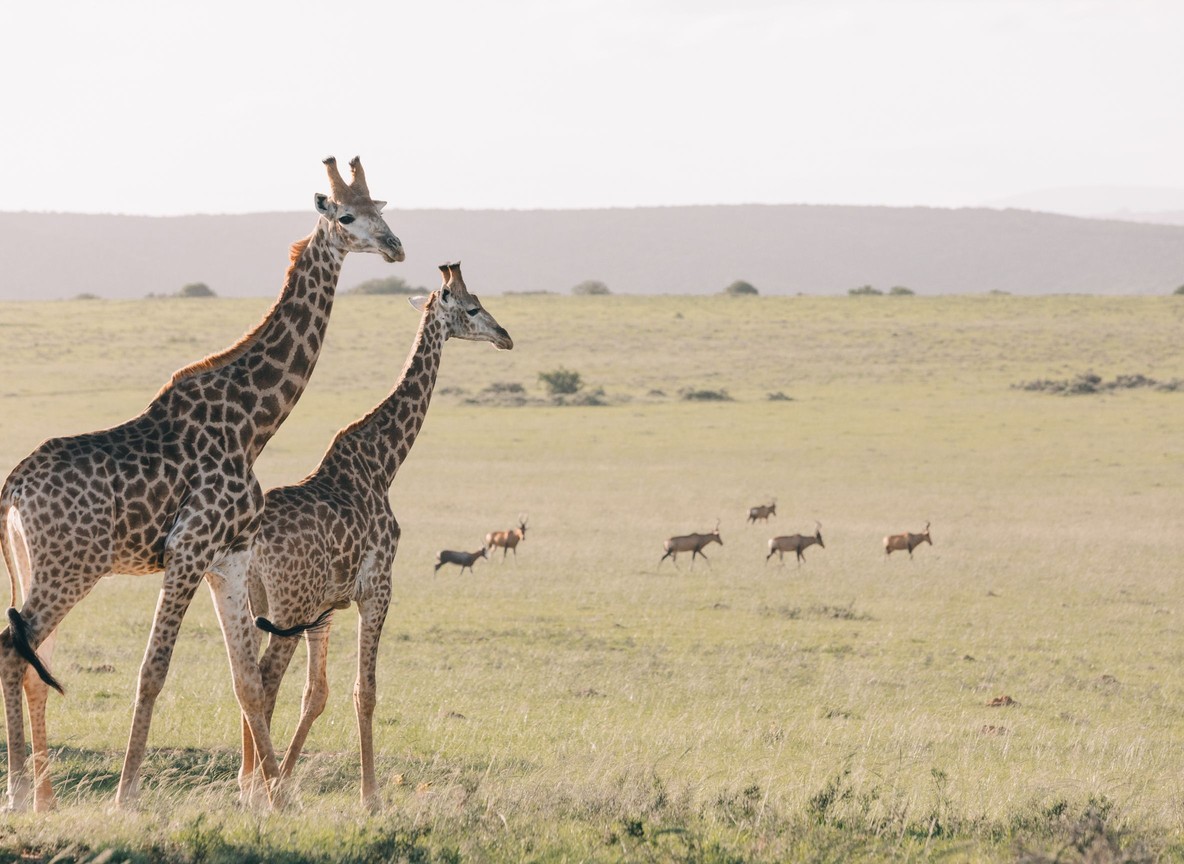
Guides who work Ol Pejeta and Nakuru regularly mention a few things worth knowing before you go. Black rhinos are browsers, not grazers. Look for them near thick bush and acacia thickets rather than open grass, unlike the white rhinos sharing some of these sanctuaries. Early morning and late afternoon drives produce far more sightings than midday, when rhinos bed down in shade. At Lake Nakuru, ask your driver to route past the escarpment viewpoint roads, a known rhino corridor that many standard drives skip. Finally, a guide who can name the individual rhino you are looking at is showing the same monitoring discipline behind the national recovery, not just telling a good story.
FAQ
How many black rhinos are in Kenya now? Kenya’s black rhino population has passed 1,000 animals as of current 2026 reporting, up from fewer than 400 at the low point in the mid-to-late 1980s.
Where is the best place to see black rhinos in Kenya? Ol Pejeta Conservancy and Lake Nakuru National Park offer the most consistent sightings, both within a half-day’s drive of Nairobi.
Why did Kenya’s black rhino population crash in the 1980s? Commercial poaching for rhino horn, driven by demand outside Africa, cut the population from around 20,000 in the early 1970s to fewer than 400 within about 15 years.
Are black rhinos still endangered despite the recovery? Yes. The IUCN lists black rhinos as Critically Endangered across their full range, since global numbers remain far below historic totals and small populations stay vulnerable to setbacks.
What is Kenya Wildlife Service doing to protect rhinos now? KWS and partner conservancies run fenced sanctuaries, individual rhino monitoring, and ranger patrols, aiming for at least 5 percent annual population growth nationally.
A milestone like this is worth building a trip around, not just reading about. Visit our Tour Packages page for a Kenya itinerary that puts Ol Pejeta or Lake Nakuru’s rhino sanctuaries on the map, or ask a partner operator to route a rhino-tracking morning into your plans.