Both trips deliver a genuine once-in-a-lifetime wildlife moment. Neither one is a warm-up act for the other. Rwanda’s gorilla trekking and Kenya’s Great Migration solve different questions, cost differently, and run on different calendars, so the real task is matching the trip to your priorities, not ranking them.
Touring Insights breaks down what each experience actually involves, what it costs, and how to sequence both if you have the time and budget for one combined trip.
What Each Trip Actually Delivers
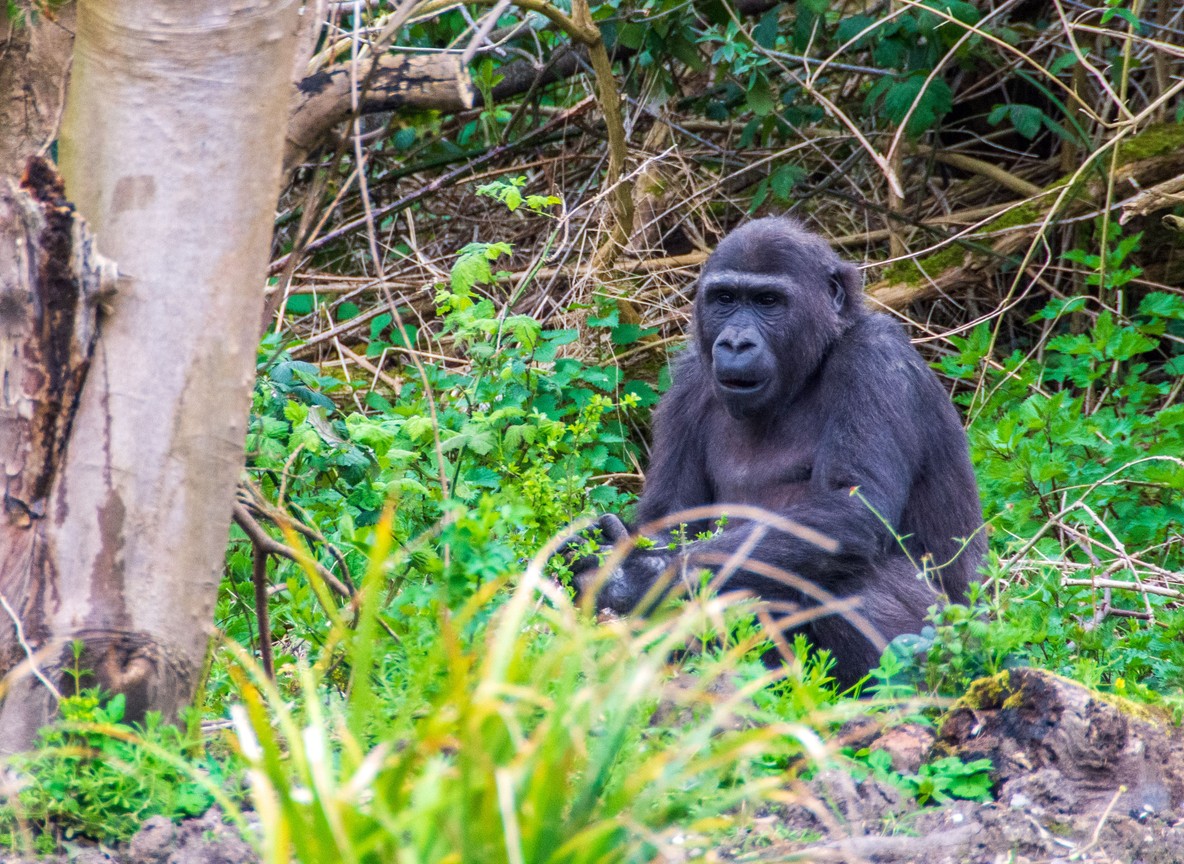
Rwanda’s headline experience is one hour with a habituated mountain gorilla family in Volcanoes National Park, reached after a hike that can run from 30 minutes to several hours depending on where the group has moved that morning. It is intimate, quiet, and capped by strict daily permit numbers.
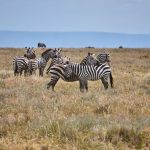
Kenya’s Great Migration is the opposite kind of spectacle. Over 1.5 million wildebeest and more than 200,000 zebra move through the Masai Mara ecosystem, with the dramatic Mara River crossings drawing crowds of vehicles at the best-known crossing points. It is loud, chaotic, and entirely dependent on animal movement that no permit can guarantee on a specific day.
Rwanda’s Gorilla Trekking, By the Numbers
Volcanoes National Park covers roughly 160 km2 in Rwanda’s Virunga Mountains, near the town of Musanze. Around a dozen habituated gorilla families are open to trekking groups, with a strict cap of eight visitors per group per day to limit stress on the animals.
| Detail | Figure |
|---|---|
| Gorilla trekking permit (per person) | $1,500 indicative, confirm current rate with Rwanda Development Board |
| Golden monkey permit (per person) | approx. $100 indicative |
| Park size (Volcanoes National Park) | approx. 160 km2 |
| Time allowed with gorillas | 1 hour, strictly enforced |
| Trek duration to find a family | 30 min to 5+ hours, varies daily |
| Kigali International Airport to Kinigi park HQ | approx. 105 km, 2 to 2.5 hrs by road |
| Best trekking months | June-September and December-February (dry seasons) |
Permits sell out well ahead of the dry season months, so this is the trip that punishes late booking hardest.
Kenya’s Great Migration, By the Numbers
The Masai Mara National Reserve covers approximately 1,510 km2 in southwest Kenya, part of the wider Serengeti-Mara ecosystem that stretches into Tanzania. The Mara River and Sand River crossings are the signature sightings, typically clustering between July and October, though the exact crossing dates shift year to year with rainfall.
| Detail | Figure |
|---|---|
| Masai Mara National Reserve size | approx. 1,510 km2 |
| Conservation fee (per adult, per 24 hrs) | $80-100 indicative, confirm before travel |
| Peak crossing season | July to October |
| Wildebeest in Serengeti-Mara ecosystem | over 1.5 million |
| Nairobi (Wilson Airport) to Mara airstrips | approx. 45 min by air |
| Nairobi to Masai Mara by road | approx. 270 km, 5-6 hrs |
| Hot air balloon safari (per person) | $450-550 indicative |
Unlike a gorilla permit, a Mara conservation fee buys you access to the whole reserve for the day, not a scheduled encounter with a specific animal group.
Kenya vs Rwanda Safari: Side-by-Side Comparison
| Factor | Kenya (Great Migration) | Rwanda (Gorilla Trekking) |
|---|---|---|
| Core experience | River crossings, big cats, open savanna | One hour with a mountain gorilla family |
| Typical trip length | 5-7 days | 3-4 days as a standalone trip |
| Headline cost per person | $80-100/day reserve fee plus lodge rates | $1,500 gorilla permit plus lodge rates |
| Booking lead time | Weeks to a few months | Months, often 6+ for peak season |
| Weather dependency | High; crossings depend on rainfall patterns | Low; trekking runs most days regardless of light rain |
| Physical demand | Low; mostly vehicle-based game drives | Moderate to high; uphill forest hiking at altitude |
| Best paired with | Amboseli, Lake Nakuru, Nairobi stopover | Lake Kivu, Nyungwe Forest, Akagera National Park |
Cost Comparison: Which Trip Costs More
Rwanda wins on raw sticker shock. A single gorilla permit at $1,500 already exceeds what most travelers spend on an entire day of Mara game drives, conservation fee included. But Rwanda’s trip length is usually shorter, often 3 to 4 days including travel, while a proper migration safari runs 5 to 7 days once you account for reaching the Mara and moving between camps.
Add lodging, and the gap narrows. Rwanda’s premium gorilla lodges near Volcanoes National Park, including Bisate Lodge and Sabyinyo Silverback Lodge, command rates that rival Kenya’s top Mara properties like Governors’ Camp and Mara Serena Safari Lodge. Total trip cost ends up closer than the permit price alone suggests.
When to Go: Timing Both Trips Right
Rwanda’s gorilla trekking works in nearly any month, since the forest stays accessible, but the dry seasons from June to September and December to February bring easier underfoot conditions and better photography light. Kenya’s migration is far less forgiving. The Mara River crossings cluster from July through October, and missing that window by even a few weeks can mean a Mara safari with plenty of resident wildlife but no crossing drama.
Travelers chasing both experiences in one trip should anchor dates to the migration window first, then check gorilla permit availability around it, since permits are the harder constraint to shift once a specific date is booked.
Can You Do Both in One Trip?
Yes, and many travelers do. Kigali International Airport and Nairobi’s Jomo Kenyatta International Airport connect with direct flights on RwandAir and Kenya Airways, a route that typically runs just under two hours in the air. That makes a combined itinerary, gorillas first in Rwanda, then the Mara for the migration, a realistic two-country trip rather than two separate holidays.
The logistics do add cost. Two international legs, two sets of park fees, and two different visa or entry requirements stack up quickly, so this combination suits travelers with 10 days or more and a budget built for both headline experiences rather than one.
Which One Fits You Better
Choose Rwanda first if you want a shorter, more intimate trip, are comfortable with a steep permit cost, and do not mind a hike at altitude for a single defining wildlife encounter. Choose Kenya first if you want a longer safari with daily wildlife variety, a more flexible booking timeline, and a lower per-day cost even if the migration’s exact timing carries some uncertainty.
Neither choice is wrong. The gorilla encounter is unmatched for intimacy and rarity. The migration is unmatched for scale and sheer volume of life moving across open country.
Explorer Notes
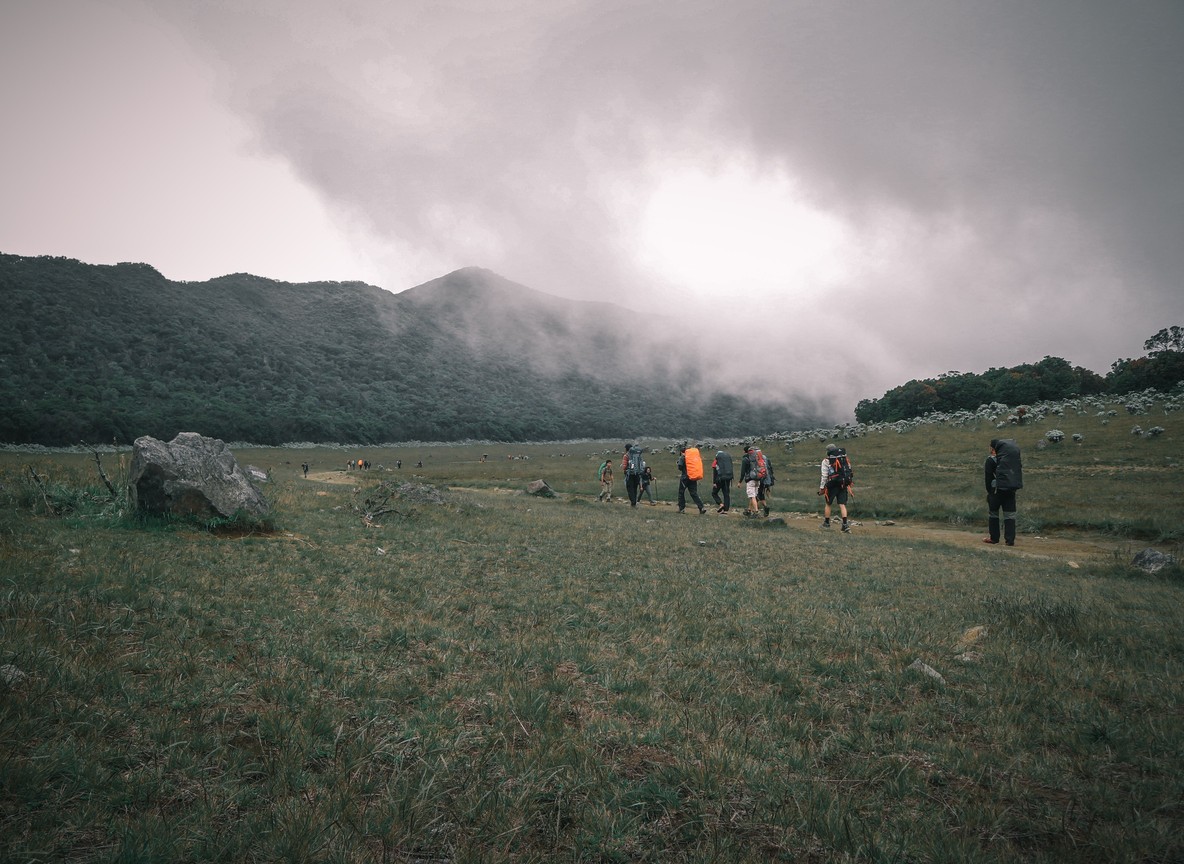
Gorilla trekking days start early at Kinigi park headquarters, where guides assign groups to specific gorilla families based on fitness level and trekking difficulty that morning. Ask to be placed with an easier-access family if altitude or steep terrain worries you. Porters are available for a modest indicative tip and are worth hiring even for fit travelers, since volcanic soil gets slick fast after rain.
In the Mara, the best crossing sightings often go to vehicles that wait rather than chase. Guides who know a specific crossing point on the Mara River will often park well back from the herd and let the wildebeest build their own momentum, rather than crowding the bank and spooking a crossing that was about to happen. Patience beats positioning more often than first-time visitors expect.
What to Read Next
- Planning the Kenya side of this trip? See our best time to visit Masai Mara month-by-month guide.
- Weighing a Kenya-only gorilla alternative? Read our gorilla trekking vs pure Kenya safari comparison.
- Renting a vehicle for the Kenya leg? Check our self-drive vs guided Masai Mara guide.
FAQ
Is Rwanda or Kenya better for a first African safari? Kenya suits most first-timers better, since it offers a longer, more varied safari at a lower daily cost. Rwanda’s gorilla trekking is a focused, premium add-on rather than a full first-safari itinerary on its own.
How much does a Rwanda gorilla permit cost in 2026? The standard rate is around $1,500 per person, though this is set by the Rwanda Development Board and should be confirmed directly before booking, since permit prices have changed in past years.
When is the best time for the Masai Mara Great Migration? July through October is the peak window for Mara River crossings, though exact timing shifts with rainfall each year, so building in a few flexible days improves your odds.
Can I visit both Rwanda and Kenya on one trip? Yes. Direct flights between Kigali and Nairobi run under two hours, making a combined gorilla-and-migration itinerary realistic for travelers with 10 or more days available.
Is gorilla trekking physically demanding? It can be. Treks range from a short walk to several hours of uphill hiking on volcanic terrain at altitude, so a reasonable fitness level matters more here than on a vehicle-based Kenya safari.
Deciding between the two is really a question of what kind of encounter you want first. Touring Insights’ Tour Packages page lists vetted itineraries for both the Rwanda gorilla trek and the Kenya migration safari, including combined routings for travelers ready to do both.