A safari that includes Kenya and Tanzania can feel like two dream trips in one. It can also go wrong when the itinerary becomes a list of famous parks connected by long transfers. This article treats the Kenya Tanzania safari itinerary balance as a practical question: how many nights each country earns, what season does to the route, and where the border crossing steals time.
What Is the Right Kenya Tanzania Safari Itinerary Balance?
Allow 12 to 14 days for the best balance between Kenya and Tanzania. Ten days can work if you choose one Kenyan highlight and one Tanzanian circuit, but a border or flight transfer consumes much of a day. Seven days is a focused introduction, not enough time for several parks without rushing.
Many ranking pages print a fixed sequence and treat every park as an equal stop. In reality, camps, transfers, and seasons decide what you can absorb. Think of balance as a budget. Your usable safari days are your total days minus an arrival day, a departure day, and a border transfer day. If that number is only four or five, a two-country loop will feel rushed.
How Should You Split Nights Between Kenya and Tanzania?
For a balanced 12-day trip, give Kenya four nights and Tanzania five or six nights, then reserve one night or day for the connection. A practical split is three nights in the Maasai Mara, one or two in Amboseli, three in the Serengeti, and two in Ngorongoro or Tarangire.
The table below is a starting point. You do not need every row. Use it to compare what each destination is actually adding.
| Destination | Country | Main value in a combined route | Suggested stay |
|---|---|---|---|
| Maasai Mara | Kenya | Resident predators, seasonal migration, private conservancies | 3 nights |
| Amboseli | Kenya | Elephant herds and Kilimanjaro views on the route south | 1 to 2 nights |
| Samburu | Kenya | Grevy’s zebra, gerenuk, reticulated giraffe, dry riverine scenery | 2 nights |
| Serengeti | Tanzania | Huge wildlife system; the right sector changes with the month | 3 to 4 nights |
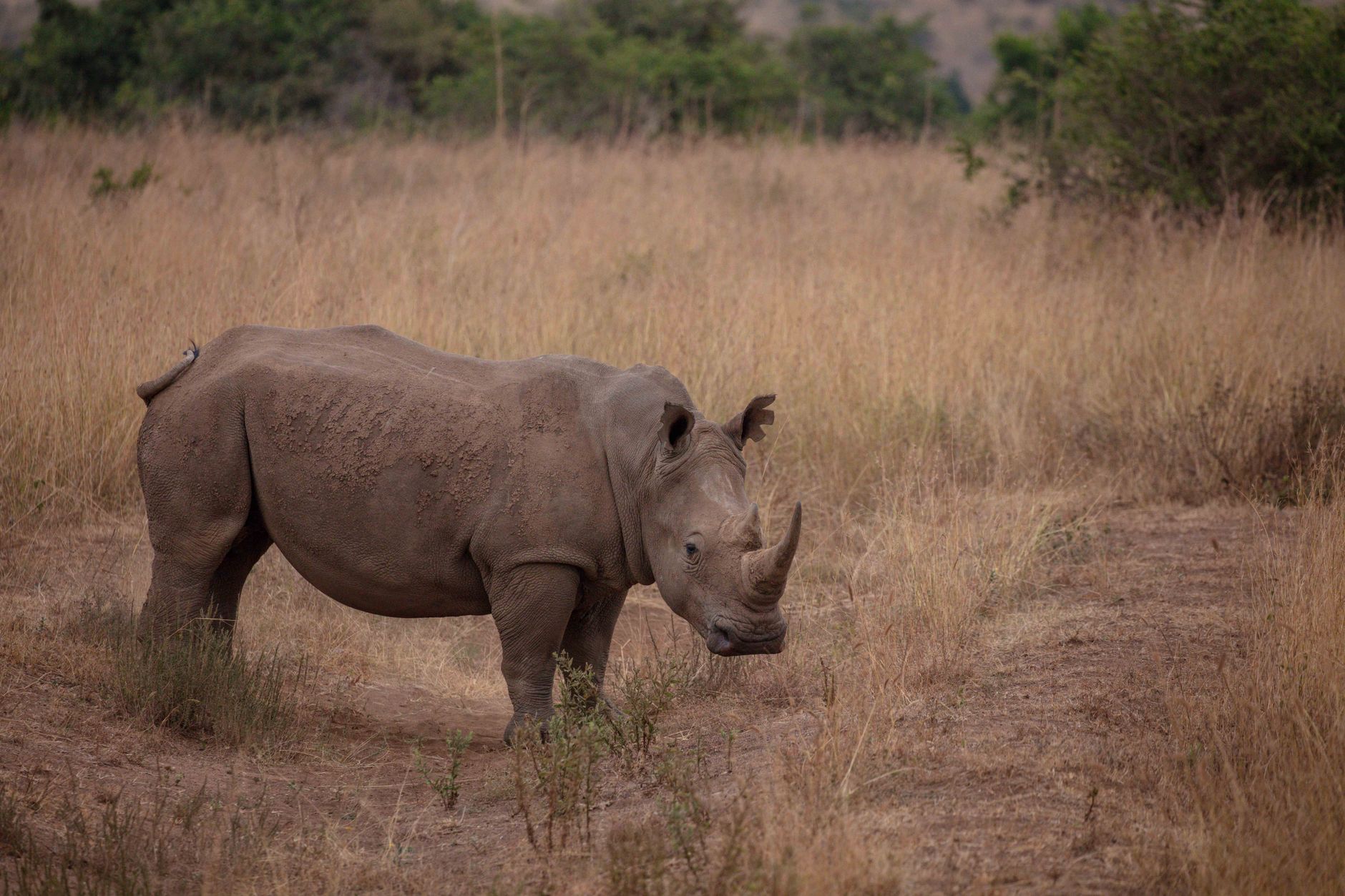
| Ngorongoro Crater | Tanzania | Concentrated crater floor game drive with a rhino possibility | 1 to 2 nights |
| Tarangire | Tanzania | Elephant concentrations and baobab landscapes in dry season | 1 to 2 nights |
On a 10-day route, drop Amboseli and Tarangire. On 12 days, decide whether Amboseli or a second Mara conservancy is more valuable. Before comparing that choice, check our Kenya Tanzania safari cost comparison, because driving time and park fees affect the final quote.
Which Kenya Parks Matter Most on a Cross-Border Route?
Choose the Maasai Mara for big-cat density and resident wildlife, Amboseli for elephants and Kilimanjaro views, and Samburu for northern specialties such as Grevy’s zebra and gerenuk. On trips under 12 days, prioritize the Mara; add Amboseli only when the mountain-and-elephant experience matters more than another full game-drive day.
The Maasai Mara is the anchor for almost every combined route. The reserve gets the attention, but the private conservancies around it often give a quieter safari. Naboisho and Olare Motorogi have lower vehicle density and healthy resident lion and leopard populations. Our Maasai Mara guide walks you through those options, and our Maasai Mara conservancy fee guide explains what you pay and what you gain.
Amboseli adds a different landscape and an easy path toward the Tanzania border. Its elephants are well studied, and Kilimanjaro can appear on the horizon when the sky is clear. On short itineraries, reaching Amboseli can cost a full day of driving. Samburu appeals most to repeat visitors or travelers who specifically want northern species. It is not the best first add-on when you are also crossing into Tanzania.
Where Should Your Tanzania Nights Go?
The Serengeti deserves the longest Tanzanian stay because its wildlife experience changes substantially by region and season. Add Ngorongoro for a concentrated crater game drive and a black-rhino possibility, while Tarangire is most valuable for elephants and dry-season concentrations. On a short itinerary, do not force all three into two nights.
A Serengeti plan should match the calendar. The central Seronera area is reliable for predators year round. The western corridor can attract herds in certain months. The northern Kogatende area matters mainly from July to October. The southern plains are famous for calving from around January to March. If an operator sends the same fixed route every week, ask why. Our Serengeti safari operator red flags guide can help you compare camp choices.
Ngorongoro Crater works as a short, intense stop. You drive down to the crater floor, spend the day, and return to a lodge on the rim. Tarangire is a practical add near Arusha, especially in the dry season when elephants gather near the river. Both have value, but only when the Serengeti already has enough nights.
How Should the Migration Season Change the Route?
In July to October, start in northern Tanzania near Kogatende when river crossings are the priority, then continue north into the Maasai Mara as herds move across. For resident predators, begin with two or three full Mara days and choose the Serengeti sector according to the month rather than following a fixed route.
River crossings are never guaranteed. Herds respond to rainfall, not to a marketing calendar. Still, a route that follows the historical season gives you better odds. If crossing the Mara River is your goal, arrange your dates around the northern Serengeti first and finish on the Kenyan side. If big cats matter more, start in the Maasai Mara because resident prides do not migrate. For month by month context on the Kenyan side, see our best time to visit Maasai Mara.
What Does the Border Crossing Actually Take?
Treat the Kenya-Tanzania connection as a travel day, not a game-drive day. Road transfers usually involve a vehicle handover at a border such as Isebania or Namanga. Flights may require an airport or charter connection. Allow contingency time, because vehicles generally cannot simply continue across the border.
This is routine, but it is not seamless. Passport formalities, luggage handling, vehicle changes, and meal stops all take time. A Kenyan safari vehicle does not usually continue into Tanzania under a standard rental agreement, so an operator on the other side takes over. If a quote promises a Maasai Mara morning and a Serengeti evening on the same day, challenge the timing. The full range of options is covered in our Kenya Tanzania safari border planning guide.
Can You Do This in 10 Days?
Use a 10-day itinerary for one clear highlight in each country: one arrival night, three nights in the Maasai Mara, one transition day, three nights in the Serengeti, and two nights in Ngorongoro or a departure connection. Avoid adding Amboseli, Tarangire, or Lake Manyara unless you remove nights elsewhere.
A realistic outline looks this way. Spend night one near Nairobi, then move to the Maasai Mara for three nights. Day five crosses the border. Spend three nights in the Serengeti, then finish with one or two nights at Ngorongoro before connecting to Arusha or Kilimanjaro for departure. This plan leaves little room for flight delays or rain. If you want two full crater days or a night in Amboseli, you need a longer trip.
What Does a 12- or 14-Day Balanced Route Look Like?
You get the best Kenya Tanzania safari itinerary balance with 12 to 14 days. A workable plan is three nights in the Maasai Mara, two in Amboseli or a second Mara conservancy, one connection night, four nights in the Serengeti, and two in Ngorongoro or Tarangire.
At 12 days, choose between Amboseli and another conservancy. At 14 days, you can include both, or add Tarangire before finishing near Arusha. The key is to make the border crossing a planned moment, not a surprise. Every park gets at least a full day of game viewing, and the connection day remains short enough to protect your energy.
When Is a Combined Safari Not Worth It?
A combined trip is poor value when you have fewer than seven nights, fixed dates that make the migration route inconvenient, or a strong preference for slow travel. Choose one country instead if transfers would remove more than a third of your game-drive time; a deeper Mara or Serengeti stay usually feels more rewarding.
If all you care about is a river crossing, but your dates are fixed and the herds may be on the wrong side of the border, stay flexible. If road days make you unhappy, the convenience of a single country route may outweigh the appeal of two flags on the itinerary. A focused week in the Maasai Mara can deliver more memorable wildlife than a rushed eight-day, two-country loop.
Which Safari Length Is Right for You?
Choose 10 days only when a longer trip is impossible and you can skip extras. Choose 12 days for the most practical two-country balance. Choose 14 days when you want Amboseli, Tarangire, or a slower private-vehicle pace.
A combined safari makes sense when your dates and length match the route style. Once you know how many nights you have, compare safari operators through FindMySafari, Valley Safaris, or Trunktrails Safaris. Read our advice on how to choose a safari operator as a checklist. Then look closely at the transfer day in every quote. The right operator will treat that day as part of the journey, not an afterthought.
Where Can You Find More Safari Planning Resources?
- Amboseli map and guide from SafariPure
- Masai Mara Great Migration guide from Trunktrails Safaris
- Interactive Maasai Mara map from Valley Safaris
- Masai Mara destination guide on FindMySafari