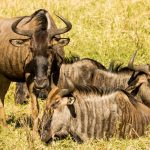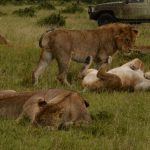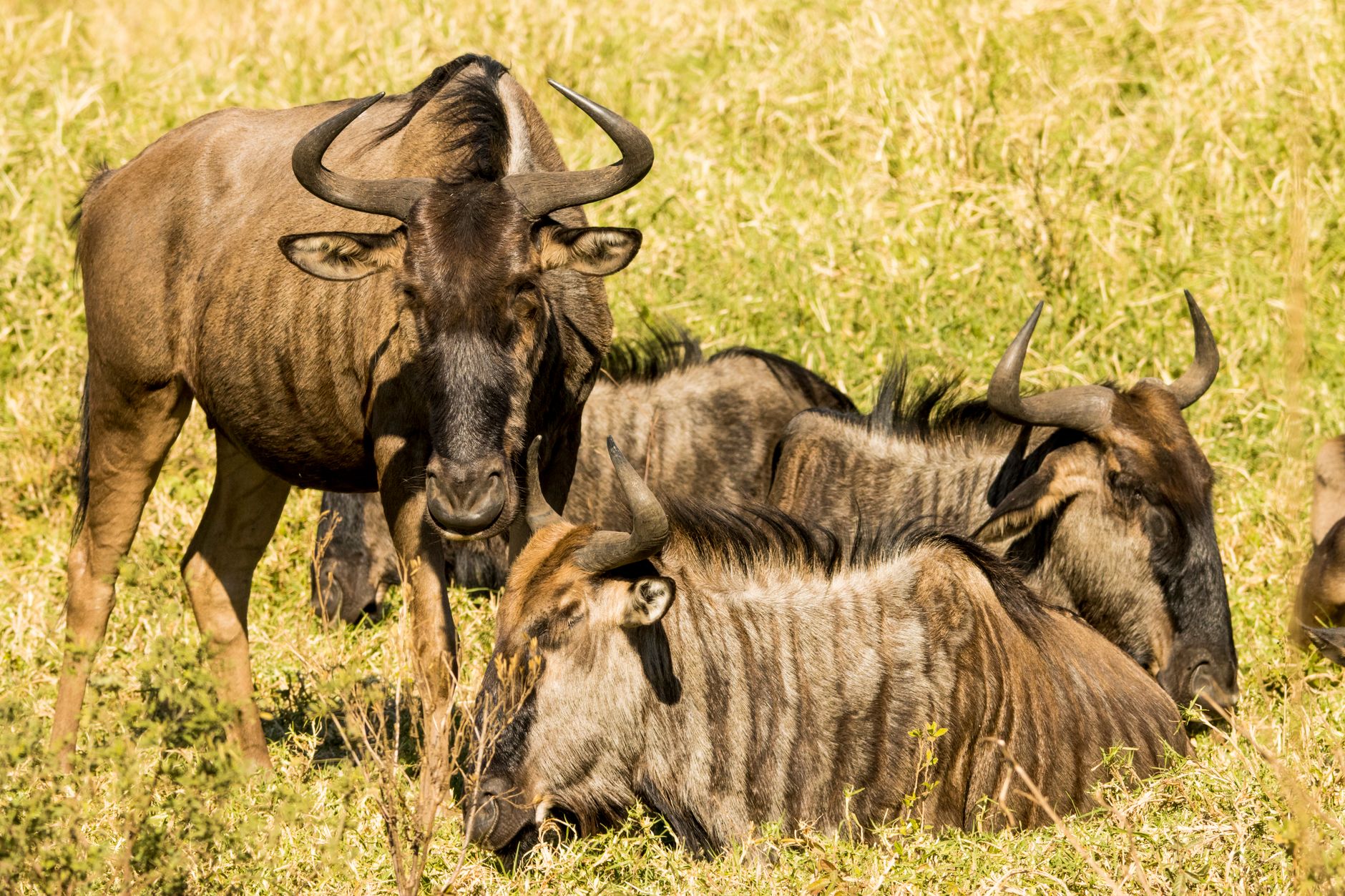
Knowing how to choose safari operator is the difference between a Kenya trip that feels effortless and one that drains your patience. The same leopard and wildebeest photos appear on every website. The real quality shows up in the guide’s tracking skill and the vehicle that does not break down. It also shows in the camp that sits inside a wildlife-rich conservancy.
How to Choose Safari Operator: Run the 8 Checks Before Payment
Use these eight checks before you send money to any Kenya safari company. A few hours of checking now can save you from missed wildlife, hidden fees, and a stressful trip.
1. Match the operator to your safari priorities
Start with how you travel, not with the prettiest brochure. A photographer may need a private vehicle and long hours in the Masai Mara. A family may need shorter drives and camps that welcome children. Someone with limited mobility may need step-free rooms and a vehicle that can be adapted.
Tell three operators the same goals and compare how they respond. If your plan centers on the wildebeest migration, ask what they can show you outside the peak river-crossing months. A strong operator admits that crossing timing is unpredictable. Our Masai Mara guide gives you helpful background before that first call.
2. Verify the licence, insurance and legal identity
Any credible Kenya safari operator should share its Kenya Tourism Regulatory Authority licence number and a certificate of passenger liability insurance. Request the exact legal name of the company and compare it with the name on your quote, invoice, and bank details.
Current KATO membership is another confidence signal, but it does not replace the licence check. Ask who owns the company and where the office is based. A physical Kenya office and named local staff give you someone to reach if something goes wrong. Before you book, review this breakdown of safari operator red flags to know which warning signs mean walk away.
3. Read safari operator reviews for detail, not stars
Star ratings alone do not tell you enough. Read recent safari operator reviews on at least two independent platforms and look for comments that describe events.
Repeated complaints about vehicle breakdowns, late pickups, poor guide knowledge, or difficulty getting a refund should end the conversation. Positive reviews that mention a named guide or a specific camp are more useful than generic praise. If a review matches the exact style of trip you want, that is a stronger signal than a perfect average score.
4. Test how the operator communicates
The sales process is your first preview of the service. When you send dates, priorities, and a budget, a good operator comes back with one or two route ideas and honest trade-offs. A weak operator sends the same copied itinerary to everyone.
Ask for one call or video meeting. Notice whether the person listens and asks about your interests. Ask for the name of a trip coordinator and a 24-hour emergency contact. If emails go silent when you raise a difficult question, take note. Imagine how that operator will behave if your safari vehicle has a problem in a remote conservancy.
5. Check the guide and the safari vehicle
The guide and vehicle shape your safari more than almost anything else. Ask which guide will take you, not only who sells the tour. Does the operator employ the guide or hire a freelancer? How many years has the guide worked in the parks you plan to visit? Does the guide speak your language?
Ask for the exact vehicle type. A good Kenya safari vehicle is usually a 4×4 with a pop-up roof and high ground clearance. It should also give you enough space to see without leaning over other passengers. Confirm the model, the number of seats, the age, and how recently it was serviced. If the operator shows photos of a different vehicle, ask why.
6. Confirm safety and emergency plans
Even the best safari can face a breakdown or a medical issue. Ask the operator what happens if the vehicle gets stuck. Does it carry a radio or satellite phone? Which camp or airstrip is the backup point? How long would medical evacuation take from your chosen destinations?
Responsible operators also manage risk by limiting driving hours, watching weather conditions, and coordinating with camps. You do not want an operator that promises every park and every sighting if that means unsafe road speed or no backup plan.
7. Compare quotes, inclusions and cancellation terms
A transparent quote lists each item separately. It should show park entry fees, conservancy fees, accommodation, meals, transfers, activities, taxes, and single supplements. If flights are included, the quote should say so. If drinks are extra, the quote should say that too.
Some of the cheapest quotes look low because they leave out conservancy fees or use longer shared drives. Before paying, ask for the deposit amount, the final payment deadline, and the exact cancellation and refund policy. Read the safari quote red flags guide so you can spot hidden costs before you sign.
If you are comparing Kenya with other countries, our breakdown of Kenya and Tanzania safari costs helps you judge whether the total is fair.
8. Ask for conservation and community evidence
Strong operators can show concrete ways their safaris support the places they visit. In Kenya, private conservancies such as Olare Motorogi, Naboisho, and Mara North are a clear example. Tourism fees paid to those conservancies go toward wildlife protection and landowner income. Ask which conservancies the operator uses and how the fees are passed on.
Ask how many guides, trackers, and camp staff come from nearby communities. Ask what drivers do when another vehicle is too close to a cheetah or a leopard. Responsible behavior in the field matters as much as a website page about sustainability. You can read more about why the conservancy fee is worth it for both wildlife and travelers.
Your Next Step: Compare Three Passing Operators
Now take one action. Send the same detailed request to three operators and ask each one to answer these eight checks in writing. Compare their licence details, insurance certificates, vehicle types, named guides, line-item quotes, and cancellation policies side by side. Do not pay a deposit until you have all three responses.
Browse packages from FindMySafari, Valley Safaris, or Trunktrails Safaris to start. The operator that passes every check and explains the Kenya route honestly is the one worth trusting with your safari budget.
More safari planning resources
- Kenya national parks map from SafariPure
- Kenya wildlife tours from Trunktrails Safaris
- Wildebeest migration route map from Valley Safaris
- Compare Kenya safari packages on FindMySafari