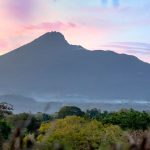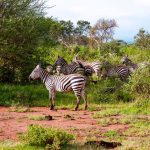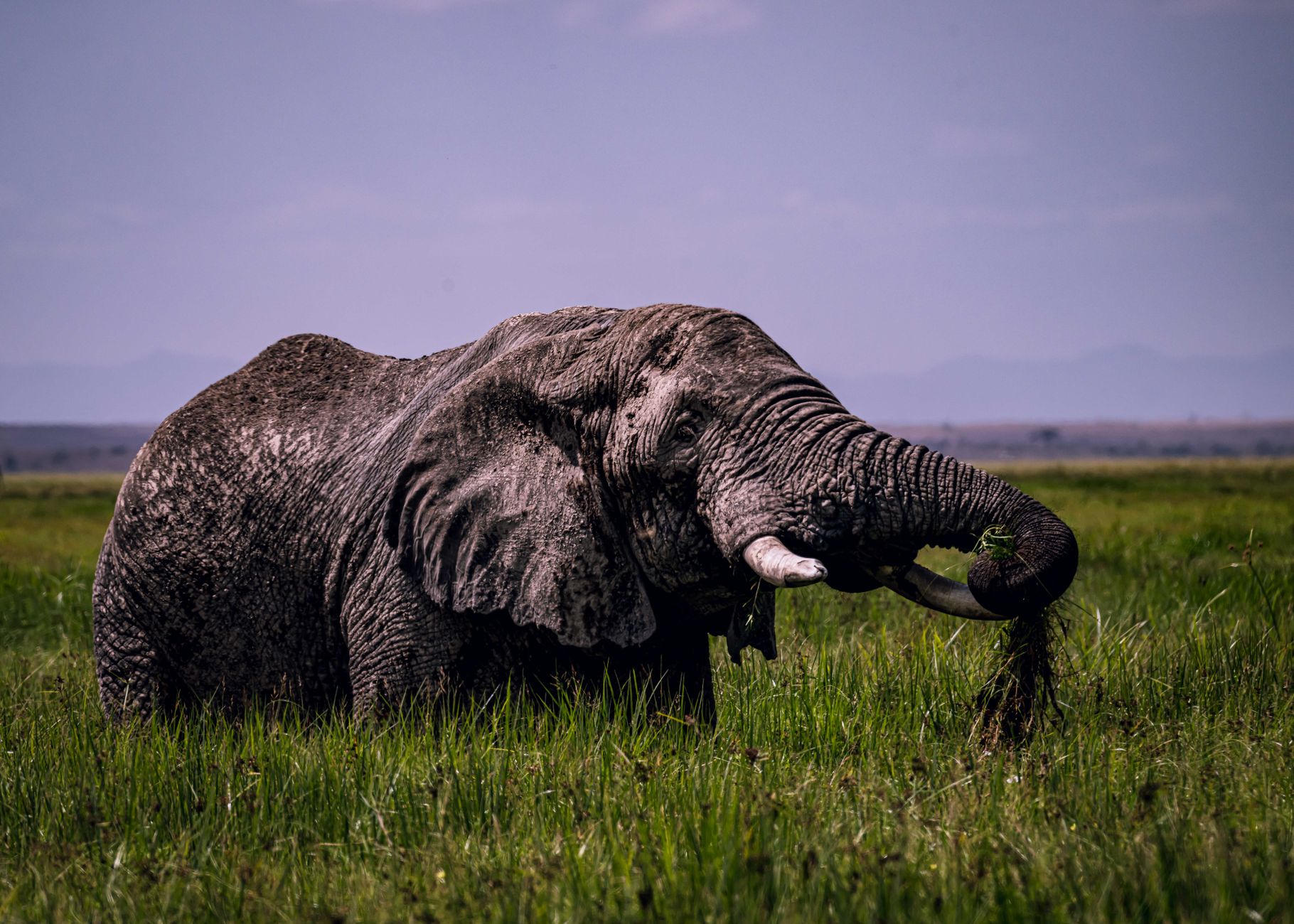
Most photographers plan a Kenya trip around the dry season, but kenya safari rainy season photography has its own quiet following. The light softens, the plains turn green, and vehicle numbers drop at the same sightings that draw crowds in July and August. It is not the easier option. Roads get harder, some camps close, and a few days can be lost to weather. But for a photographer willing to trade certainty for atmosphere, the rains open a version of Kenya the dry season never shows.
When Is Kenya’s Rainy Season for Photography?
Kenya has two rainy periods: the short rains, usually falling between November and December, and the long rains, usually falling between March and May. November and early December tend to bring brief showers and easier road access. April and May bring heavier rain, muddier tracks, and a higher chance of disrupted game drives.
The short rains are the more forgiving window for most photographers. Showers tend to arrive in the late afternoon or overnight, then clear by morning. This leaves washed skies and reflective puddles for a few hours of strong light. The long rains run deeper. April and May can bring sustained downpours, and some camps in low-lying areas close for maintenance during the wettest weeks. If you are new to Kenya rainy season travel, November is usually the safer starting point. It offers a taste of green-season light without the full commitment of the long rains.
What Makes Kenya Safari Rainy Season Photography Worth It?
Rainy-season photography offers softer light, clearer air, vivid green vegetation, dramatic storm clouds, fresh flowers, and fewer safari vehicles competing for a view. The short rains are especially attractive because showers may pass quickly. They leave reflective puddles and warm evening light while keeping landscapes far less dusty than in the dry season.
Dust is the enemy of a clean wildlife image. The dry season kicks up plenty of it, especially by August and September when the migration crowds are heaviest. Rain settles that dust and turns the grass from straw colored to a deep, saturated green that photographs well under both flat and dramatic light. Storm cells building over the plains give you towering cumulus and shafts of light breaking through. That look is not available in a cloudless dry-season sky. Fewer vehicles also means more room to work an angle, wait for a scene to develop, or reposition without three other trucks blocking the shot.
What Wildlife Can You Photograph During Kenya’s Rainy Season?
Wildlife remains present during the rains, but abundant water and thicker vegetation can spread animals out and make predators harder to find. Herbivores may give birth during the green months, bird activity increases, and animals often use newly productive grazing areas rather than concentrating around permanent water. Expect richer behavior, but less predictable sightings.
This is the trade a rainy-season photographer accepts. In the dry months, animals cluster around a shrinking number of water sources. This makes them easier to find but also easier to over-photograph in crowded, repetitive scenes. When rain fills seasonal pans and greens up remote grazing, herds disperse across a much wider area. Predators follow the herds. A good guide who reads fresh tracks and recent sightings still finds cats, but a single day’s search may cover more ground. In exchange, the rains bring newborn wildebeest, topi, and gazelle in the Mara ecosystem, along with migratory birds arriving in breeding plumage. For a photographer interested in behavior over volume, this is often the more rewarding season, not the weaker one.
Which Kenya Safari Regions Are Best for Rainy-Season Photography?
The Masai Mara and Mara Triangle provide green plains, storm skies, newborn animals, and strong predator possibilities, while Laikipia offers conservancy-based flexibility and varied habitats. Amboseli can produce striking wet-season skies over Kilimanjaro when visibility allows, and Samburu remains valuable for dry-country species and specialized photography beyond the Mara.
The Masai Mara guide is a reasonable starting point for planning. The Mara Triangle in particular tends to manage its roads well even after heavy rain, since drainage and grading get regular attention. If you are deciding between the two sides of the reserve, this Mara Triangle and Masai Mara comparison is worth reading before you book. The private conservancies bordering the reserve add another layer of flexibility. Understanding how they operate helps set expectations. See this rundown of Kenya conservancy rules for driving limits, off-road allowances, and vehicle caps that affect how close you can position for a shot.
Away from the Mara, the Amboseli safari guide covers a park where cloud cover during the rains can either block or spectacularly frame Kilimanjaro. This depends on the hour. Laikipia’s private conservancies, including Ol Pejeta, tend to hold up well in wet weather thanks to better road infrastructure than some public reserves. The Samburu safari guide is worth a look too. The region’s dry-country specialists, gerenuk, reticulated giraffe, and Grevy’s zebra, remain visible even when the Mara grass grows too tall for easy photography. For anyone building a Samburu itinerary around specific species, these Samburu photography tips go into more detail on timing and positioning.
What Camera Gear Do You Need for a Rainy-Season Safari?
Use a rain cover or waterproof bag for camera equipment, keep spare batteries and memory cards protected, and carry microfiber cloths for spray and condensation. A beanbag, fast telephoto lens, wide-angle lens, and polarizing filter are useful. An open-sided vehicle, a patient guide, and a flexible shooting position matter just as much.
A simple rain sleeve over the camera and lens handles most short showers. A dry bag or hard case protects gear during transfers between vehicle and camp. Condensation is a bigger problem than most people expect. Moving a cold camera into a warm, humid tent can fog the lens from the inside. Let gear acclimate gradually, or seal it in a bag until it reaches room temperature. Pack more memory cards and batteries than you think you need, since overcast days often mean longer bursts as you wait for a break in the light. A telephoto zoom in the 100 to 400mm range or longer covers most wildlife. A wide-angle lens captures the storm clouds and green plains that define this season. A polarizing filter helps cut glare off wet leaves and standing water, and it deepens the color of a stormy sky. Beyond gear, a vehicle with good clearance and a guide experienced in wet-season driving matters more than any single lens. Being able to reach a sighting safely often decides whether you get the shot at all. If you are packing for the trip generally, the Kenya safari packing list covers clothing and other essentials beyond camera equipment.
Are the Rainy-Season Trade-offs Worth It for Photographers?
The rainy season can produce more distinctive images than the dry season, but it demands flexibility. Short rains usually bring manageable showers and fewer vehicles; long rains can create impassable tracks, canceled drives, closed camps, and animals hidden in tall grass. Choose a conservancy with strong road management and build buffer time into the itinerary.
The honest answer depends on what you are optimizing for. If your goal is the highest possible number of sightings in the shortest trip, the dry season, particularly during the wildebeest migration, still wins. If your goal is distinctive light and green landscapes, the rains are worth the risk. You get images that look different from the thousands of dry-season Mara photos already online. Build in extra days if you can, since a lost afternoon to weather is easier to absorb on a ten-day trip than a five-day one. Ask your operator directly about recent road conditions before you travel, since conditions can change fast during the long rains in particular.
Is the Rainy Season Cheaper for a Kenya Safari?
Rates for camps and lodges typically drop during the rainy months compared to the July to October peak, since demand falls with the weather uncertainty. Exact discounts vary by property and by year. Treat any specific figure as indicative rather than fixed, and confirm current rates directly with your chosen camp or operator before booking.
Lower demand also means better availability at popular camps that book out months ahead for the dry season. This can be useful if you are planning a Kenya wildlife photography trip on short notice.
How Do the Two Rainy Seasons Compare for Photographers?
Short rains and long rains differ in rainfall pattern, road conditions, light quality, crowding, landscape color, and the chance of closures. The table below breaks down what to expect from each season for photography planning.
| Feature | Short Rains (roughly November-December) | Long Rains (roughly March-May) |
|---|---|---|
| Typical rainfall pattern | Brief afternoon or overnight showers, often clearing by morning | Longer, heavier spells, sometimes lasting most of a day |
| Road conditions | Mostly passable, occasional soft patches | Frequently muddy, some tracks impassable after heavy rain |
| Photography light | Soft, warm light between showers, dramatic clearing skies | Moody, low light for long stretches, occasional strong storm light |
| Vehicle crowding | Noticeably lower than dry season | Among the lowest of the year at most camps |
| Landscape color | Fresh green after the dry months | Deep green, lush, sometimes waterlogged |
| Camp or road closures | Rare | More common, especially in remote conservancies |
Treat this as a general pattern rather than a forecast. Rainfall in East Africa varies year to year. A camp manager or guide on the ground will always have more current information than any seasonal chart.
What Questions Do Photographers Ask About Kenya’s Rainy Season?
Is Kenya good for photography in the rainy season?
Yes, especially for photographers seeking green landscapes, soft directional light, dramatic clouds, clear air, birds, and fewer vehicles. The short rains in November and December are generally easier than the long rains, while March to May offers stronger seasonal character but more difficult roads and weather.
What is the best month for a Kenya photography safari?
November is often one of the best rainy-season choices because the short rains can create green scenery and dramatic skies without the sustained disruption more common in April and May. January, February, and the dry-season months may provide more dependable game viewing, but usually with less lush scenery and more dust.
Does it rain all day on safari in Kenya?
Usually not during the short rains, when showers often arrive in the afternoon or overnight and clear afterward. The long rains are less predictable and can bring prolonged rain or several lost shooting periods, particularly in April and May.
What animals can you see in Kenya during the rainy season?
You can see the Big Five, antelope, elephants, giraffes, birds, and predators during the rainy season. Wildlife may be more dispersed because water and fresh grazing are widespread, but green-season safaris can add newborn animals, migratory birds, active herbivore behavior, and dramatic predator-prey scenes.
What camera gear do I need for a rainy-season safari?
Bring a camera rain cover, waterproof gear bag, microfiber cloths, spare batteries, spare memory cards, and a beanbag or similar support. A telephoto lens handles distant wildlife, while a wide-angle lens captures storm clouds and green landscapes; a polarizing filter can help manage glare from wet vegetation.
Where Can You Compare Kenya Safari Operators for a Rainy-Season Trip?
Rainy-season photography rewards planning with an operator who knows current road and camp conditions in the region you are targeting. This might be the Mara Triangle, Amboseli, or Samburu. To compare safari operators and browse packages built around the green season, sites like FindMySafari, Valley Safaris, and Trunktrails Safaris are useful. They let you weigh routes, camps, and timing side by side before you commit to dates.
Where Can You Find More Safari Planning Resources?
- Best time to visit Kenya map from SafariPure
- Best time to visit Kenya from Trunktrails Safaris
- Best time to visit Kenya month-by-month map from Valley Safaris
- Camera advice for your first safari, on FindMySafari