You speak isiNdebele at home, whether from Matabeleland in Zimbabwe or Mpumalanga in South Africa. Kenya feels far from Bulawayo or Johannesburg, but a safari here is closer than you think. This kenya safari planning for ndebele speakers guide cuts through the generic advice, with flight routes, visa rules, costs in rand, and honest talk about parks and seasons that most guides skip.
Kenya is not a place you visit once. It is a place you return to, and the wildlife density in the Masai Mara alone is staggering. Planning takes homework, and this guide does that homework for you.
What Makes Kenya Safari Planning for Ndebele Speakers Worth It?
Kenya offers something that Southern Africa cannot. The Great Migration is the largest land animal movement on Earth, with over a million wildebeest and zebra crossing the Mara River between July and October.
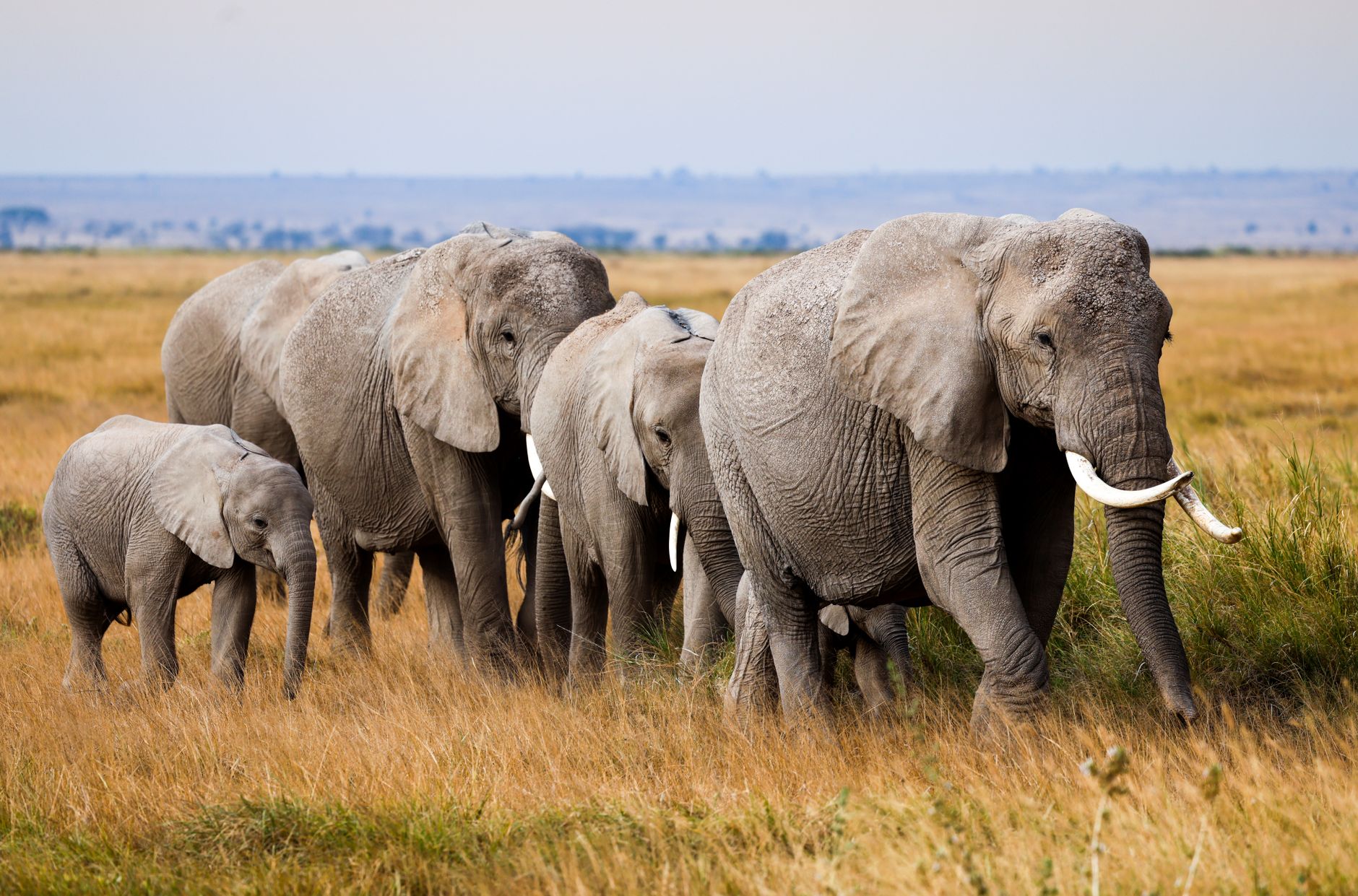
Kenya also has the Big Five in accessible settings. Amboseli gives you elephants with Mount Kilimanjaro behind them, and Ol Pejeta Conservancy protects the last two northern white rhinos on the planet.
For Ndebele speakers, Kenya adds a practical advantage: English is a national language, so you already speak it, and basic Swahili phrases are easy to pick up too.
Do South African and Zimbabwean Passport Holders Need a Visa for Kenya?
This is the first question most families ask. The rules changed in January 2024, so pay attention.
Kenya no longer issues visas on arrival or standard entry visas for most travelers. Every foreign visitor, including South African and Zimbabwean passport holders, must apply for an Electronic Travel Authorization (eTA) before departure. Apply through Kenya’s official eTA portal once your travel dates are set. The eTA costs roughly USD 30, though confirm the current fee on the portal before applying, since fees can change.
You also need a passport valid for at least six months beyond your entry date, with a blank page free for the entry stamp Kenya still applies on arrival. Proof of yellow fever vaccination is required if you arrive from an endemic country. South Africa and Zimbabwe are not on that list, but carry your card anyway in case you cross from Tanzania or Uganda.
How Do I Get from South Africa or Zimbabwe to Kenya?
Flying is the only practical option. There are no passenger trains or ferries to East Africa.
From Johannesburg, direct flights to Nairobi take about four and a half hours on Kenya Airways or South African Airways. You can also route via Addis Ababa, Doha, or Dubai with Ethiopian Airlines, Qatar Airways, or Emirates.
From Harare, Kenya Airways sometimes flies direct, otherwise connect through Johannesburg or Addis Ababa. From Bulawayo, you almost always route through Johannesburg or Harare first.
Fly into Jomo Kenyatta International Airport in Nairobi, the main gateway. Domestic flights on small planes reach airstrips like the Masai Mara, Amboseli, and Samburu in one to two hours.
The total journey from Johannesburg to a Mara camp is usually 10 to 12 hours including layovers. From Bulawayo, expect 14 to 18 hours.
What Is the Difference Between a National Reserve and a Private Conservancy?
Most travelers do not understand this distinction until they arrive. A national reserve, like the Masai Mara National Reserve, is government land anyone can drive through, so vehicles crowd around sightings in peak season. A private conservancy, such as Mara North, Naboisho, or Ol Pejeta, is community land leased by operators, where only member-camp guests may drive, off-road if needed, for a quieter experience.
For first-time visitors, spend three nights in the Mara reserve for the river crossings, then move to a conservancy for game drives without the crowds.
What Is the Best Time of Year to See the Great Migration?
The Great Migration is a year-round cycle, but the river crossings in the Masai Mara happen most reliably from July to October. Herds start arriving from Tanzania’s Serengeti in July, August and September are peak crossing months at the Mara River, and October sees the tail end before the herds move south again. November and December bring calving season down in the Serengeti, not the Mara, so book July through October if you want the Mara crossings specifically.
Shoulder months like June and November give you good wildlife with fewer tourists, trading some migration certainty for space and lower prices. For the rest of Kenya, the dry season from June to October is best, since wildlife concentrates around water, while the wet season from November to May is greener but has denser bush.
Our best time to visit Masai Mara guide breaks down each month in detail.
How Much Does a Kenya Safari Cost in South African Rand?
Prices vary widely based on season, accommodation, and group size. All figures below are indicative ranges, not fixed quotes. Convert to ZAR using a real-time exchange rate converter before you book. If you are traveling from Zimbabwe, US dollars are the most practical currency, since the local currency has changed more than once in recent years. Check the current exchange situation before you travel.
| Safari Type | Price per Person per Night (USD) | Price in ZAR (approx.) | What You Get |
|---|---|---|---|
| Budget camping | USD 150 to USD 250 | ZAR 2,700 to ZAR 4,500 | Shared tents, basic meals, group game drives |
| Mid-range lodge | USD 300 to USD 500 | ZAR 5,400 to ZAR 9,000 | Private room, en-suite bathroom, game drives included |
| Luxury camp | USD 600 to USD 1,200 | ZAR 10,800 to ZAR 21,600 | Tented suite, gourmet meals, private vehicle, drinks included |
Most travelers spend six to eight nights. A seven-night safari at mid-range prices works out to roughly USD 2,100 to USD 3,500 per person, including accommodation, meals, park fees, and game drives, but not international flights.
Park fees add up. The Masai Mara charges USD 100 per person per day for non-residents from January to June. The rate rises to USD 200 per day from July to December, during the peak migration season, which is exactly when this guide recommends visiting. Amboseli charges roughly USD 90 per day for non-residents, and conservancies charge USD 80 to USD 150 daily, often included in your camp rate. Ask your operator for a full breakdown before you pay, since fees change over time.
Our Kenya safari cost guide gives more detail on where the money goes.
How Many Days Do I Need for a First Kenya Safari?
Seven nights is the sweet spot for a first visit. You need at least three full game drive days to see a good range of wildlife, plus travel days at the start and end.
A common split is four nights in the Masai Mara and three nights in Amboseli, covering the migration and the elephants. Five nights is workable but tight, since you lose a day to internal flights, while ten nights gives you room for a Samburu or Tsavo extension. Pick two or three areas and go deep rather than trying to see everything.
Which Parks Are Best for First-Time versus Repeat Visitors?
First-time visitors should prioritize the Masai Mara and Amboseli. The Mara delivers the migration and the Big Five, while Amboseli gives you elephants against Kilimanjaro on open, easy-to-spot terrain.
Repeat visitors should try Samburu in the north, with species you will not see elsewhere, such as Grevy’s zebra and reticulated giraffe. Our Samburu safari guide covers the details. Tsavo, Kenya’s largest park complex, offers space to escape crowds.
Stick to the classics as a family or first-timer, and venture north or east once you are a seasoned traveler.
How Do I Combine a Kenya Safari with a Zanzibar or Tanzania Extension?
Many Southern Africans combine Kenya with a beach or a second country, which works well but adds complexity. Zanzibar is a short flight from Nairobi, under two hours, and pairs naturally with a safari, best booked as part of your initial trip rather than separately.
Tanzania is accessible by land or air, and the Serengeti borders the Masai Mara, but crossing at Isebania requires two visas and careful planning.
For a beach add-on without a border crossing, consider Diani Beach south of Mombasa, which keeps everything in one visa. Our Diani Beach guide tells you what to expect.
What Should I Pack for a Kenya Safari from a Southern African Climate?
Kenya’s climate is milder than much of Southern Africa. Nairobi sits at altitude, so evenings are cool, and the safari parks get hot during the day and cold at dawn. Pack layers.
Lightweight, neutral-colored clothing works best, so stick to khaki, olive, and tan rather than bright colors or camouflage. A warm fleece or jacket is essential for early morning game drives, when temperatures can drop below 10 degrees Celsius in the Mara. Bring a wide-brimmed hat, sunglasses, and SPF 50 sunscreen for the equatorial sun.
Rent binoculars if you do not own a pair, and pack a camera with a zoom lens of at least 200mm, since phone cameras struggle with distant lions. Do not forget insect repellent, since malaria exists in Kenya, and consult a travel clinic about prophylaxis before you go. Our Kenya safari packing list has more.
Is Kenya Safe for Solo and Family Travelers?
Kenya is generally safe for tourists who follow common sense. The safari circuit is well developed, camps have security protocols, and wildlife poses more risk than crime.
Solo travelers are welcome, and many camps offer shared vehicles so you can join group drives and keep costs down, though some lodges charge a single supplement. Families are common too, and many camps welcome children aged six and above.
At night, do not walk alone outside camp. Use the escort service camps provide, and keep valuables in the camp safe.
What Tipping and Cash Customs Should I Know Before I Go?
Kenya uses the Kenyan shilling (KES), though US dollars are widely accepted at lodges and for park fees. Carry cash for tipping and small purchases, since credit cards do not work at roadside markets.
A common tipping guideline is USD 10 to USD 15 per person per day for your guide, and USD 5 to USD 10 per day for camp staff, though many luxury camps include gratuities in the price. Our safari tipping and money guide has more detail, and the principles apply regardless of language.
ATMs are available in Nairobi and larger towns. Carry small denomination US bills, since large notes are hard to break locally.
Is English Enough, or Should I Learn Swahili Phrases?
English is perfectly sufficient. All guides speak it, and most signs are in English, so you will not struggle. That said, a few Swahili phrases open doors: “jambo” means hello, “asante” means thank you, “karibu” means welcome, and “ndiyo” and “hapana” mean yes and no.
Our guide to essential Swahili phrases for your Kenya safari gives you a full starter kit. For the Ndebele speaker, English remains your bridge, so do not stress about language. Focus on the wildlife.
How Far in Advance Should You Book a Kenya Safari?
Camps in the Masai Mara sell out for July through October, so book six to twelve months ahead if you want a choice of camps. Shoulder season and off-peak trips are more forgiving, with three to six months often enough.
Apply for your eTA once your flights and camp dates are confirmed, and sort out vaccinations or malaria prophylaxis with a travel clinic four to six weeks before departure.
Ready to compare options? Browse packages with trusted operators to find the best fit for your group. Compare safari operators through FindMySafari, Valley Safaris, or Trunktrails Safaris to match your dates and budget.
Where Can You Find More Kenya Safari Planning Resources?
- Kenya wildlife tours from Trunktrails Safaris
- Interactive Maasai Mara map from Valley Safaris
- Compare Kenya safari packages on FindMySafari
More safari planning resources
- Kenya safari packages from SafariPure
- Kenya wildlife tours from Trunktrails Safaris
- Interactive Maasai Mara map from Valley Safaris
- Masai Mara destination guide on FindMySafari
Related guides: Planning an 18th Birthday Safari in Kenya: A New Adult’s Milestone Trip, 5-Day Masai Mara Migration Safari Itinerary: Day-by-Day Planning Guide, Planning a 60th Birthday Safari in Kenya: Comfort Meets Adventure.