Planning a Kenya safari from China involves more steps than most general travel guides admit. Between the eTA application, a long connecting flight, and finding a guide who actually speaks Mandarin, the details matter as much as the wildlife itself. This article works through kenya safari planning for chinese speakers as a sequence: entry paperwork, timing, park choice, language support, budget, flights, and the packing decisions that make the trip comfortable. For a wider look at logistics before you commit to dates, our Kenya safari planning guide covers many of the same steps from a different angle.
Do Chinese Citizens Need a Kenya eTA Before Safari?
Chinese passport holders need an approved Kenya Electronic Travel Authorisation before departure. Apply through Kenya’s official online system using passport details, a photo, flight information, accommodation details, and payment. Submit the application at least one to two weeks before travel, keep the approval available digitally and offline, and verify the current fee before paying.
The Kenya eTA for Chinese citizens replaced the older visa-on-arrival process, and it is now the standard entry route for most short safari trips. Do not leave this until the airport. Processing can take longer than expected during busy travel periods, and airlines may ask to see your approval before you board. Save a PDF copy and a printed copy, since some lodges in remote areas have unreliable internet.
What Is the Best Time for a Kenya Safari From China?
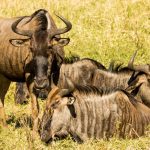
Choose July to October for the strongest chance of witnessing wildebeest activity in the Masai Mara, especially around river crossings, but expect peak prices and crowds. January to March offers calving, predator action, greener scenery, and generally lighter visitor pressure. April, May, and November can reduce costs, although rain may affect road conditions and daily sightings.
There is no single answer to the best time for Kenya safari travel. It depends on what you want to see and how much crowding you can tolerate. The table below breaks down the trade-offs by season.
| Season | Months | Wildlife Highlight | Crowds and Price Level |
|---|---|---|---|
| Peak dry season | July to October | Wildebeest migration activity and river crossings in the Masai Mara | High, indicative peak pricing |
| Calving season | January to March | Newborn wildebeest and antelope, strong predator activity | Moderate, often better value |
| Long rains | April and May | Green landscapes, fewer vehicles, but muddy tracks | Low, indicative lowest pricing |
| Short rains | November | Freshly green plains, resident wildlife still active | Low to moderate, good indicative value |
For a deeper seasonal breakdown of a specific park, see our page on the best time to visit Kenya or the dedicated best time to visit Masai Mara guide.
How Many Days Do You Need for a Kenya Safari?
Plan seven to nine nights for a first Kenya safari from China, including at least five full game-drive days. A practical itinerary combines three nights in the Masai Mara with two or three nights in Amboseli, Samburu, or Lake Nakuru, plus a Nairobi arrival night. Shorter trips are possible, but long-haul travel makes them less efficient.
Given the flight time from China, a five-day Kenya safari itinerary rarely feels worth the journey. Most travelers spend a full day recovering from jet lag before the first drive, so building in an extra night near Nairobi is a reasonable buffer rather than wasted time.
Which Kenya Safari Parks Should Chinese Travelers Visit?
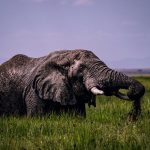
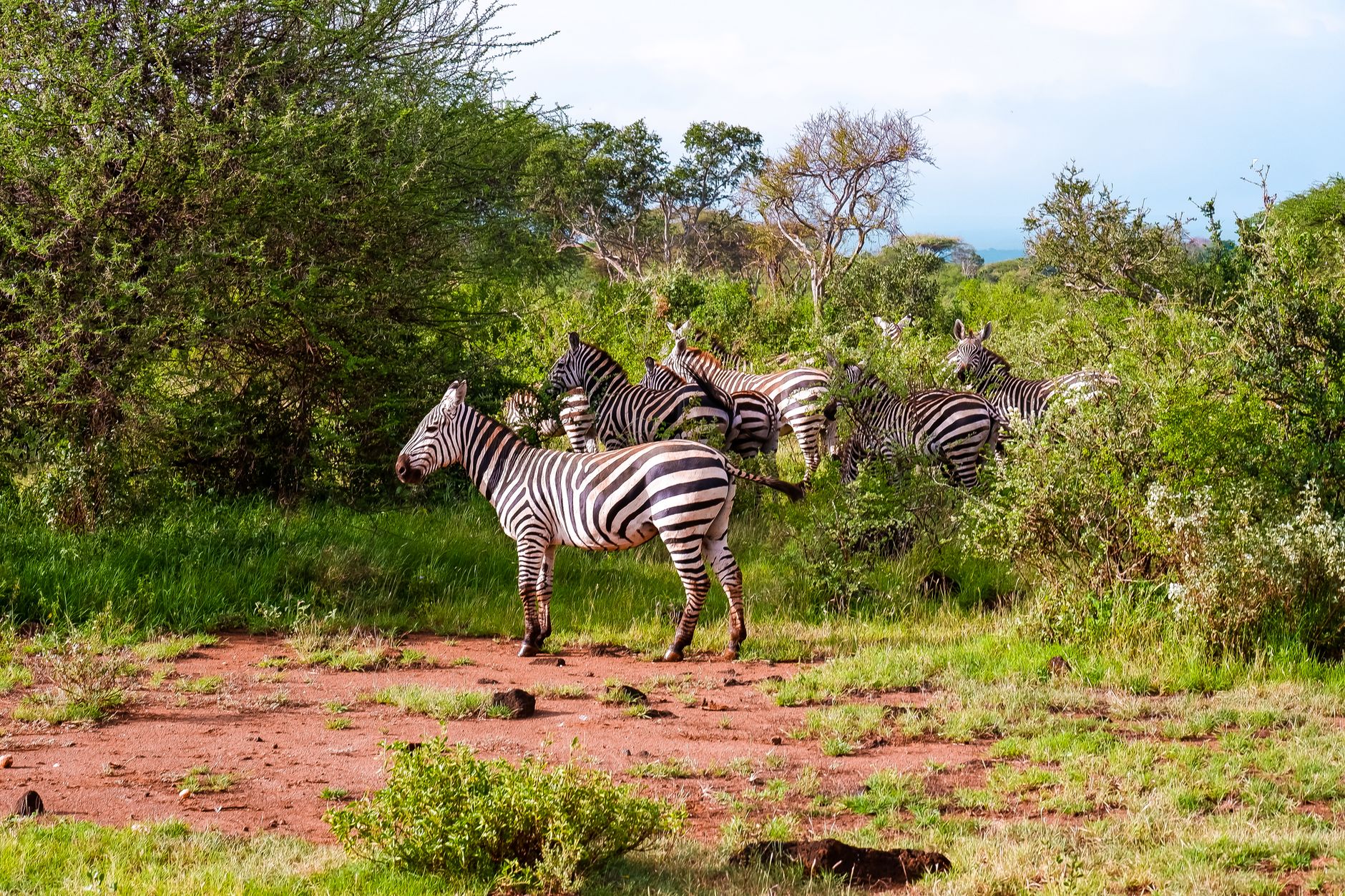
Start with the Masai Mara for abundant big cats, elephants, plains wildlife, and seasonal migration activity. Add Amboseli for large elephant herds and Mount Kilimanjaro views, Samburu for the Northern Kenya Special Five, or Ol Pejeta for rhino conservation. Lake Nakuru suits shorter routes and rhino viewing, while Tsavo provides larger landscapes and fewer visitors.
A Masai Mara and Amboseli safari is the most common first-timer combination, and for good reason. The two parks offer different scenery, different elephant behavior to observe, and a manageable transfer time between them. If you are choosing between the two as a single focus, our Masai Mara vs Amboseli comparison lays out the trade-offs. Travelers interested in the Big Five specifically should also check our Big Five in Kenya overview before finalizing a route, since not every park offers reliable sightings of all five species.
Can You Find a Mandarin-Speaking Safari Guide in Kenya?
Mandarin-speaking guides are available, but they are not standard on every Kenya safari and should be requested before booking. Ask whether the person is a fluent driver-guide, a Mandarin guide accompanying an English-speaking driver-guide, or an interpreter, and require the arrangement in writing. Cantonese availability is more limited and may require a private departure or extra cost.
Do not assume a Mandarin-speaking safari guide Kenya listing on a website means the driver behind the wheel speaks the language. In many cases, a Mandarin-speaking staff member joins as a second person in the vehicle, which changes the seating and sometimes the price. If a private vehicle matters to you for space or language flexibility, our notes on Masai Mara private vehicle cost explain what typically shifts the price up.
How Much Does a Kenya Safari Cost From China?
Safari prices depend mainly on accommodation level, season, vehicle type, guide language, park fees, and whether the route uses road transfers or flights. Compare itemized quotes rather than headline prices, checking accommodation, meals, drinks, park or conservancy fees, transfers, activities, guide costs, and airport services. Peak migration dates and specialist Chinese-speaking guides can increase the total.
A useful habit is asking every operator for the same breakdown, not just a bottom-line figure. Our Kenya safari cost page walks through typical budget, mid-range, and premium tiers so you have a reference point when quotes come back from different companies.
Are There Direct Flights From China to Nairobi?
Most travelers from China should expect a connecting route to Nairobi rather than assuming a direct commercial flight. Build the itinerary around arrival and departure days, allow recovery time after the long journey, and consider flying between distant safari regions when road transfers consume a full day. Confirm the arrival airport, domestic airstrip, baggage limits, and transfer times before booking.
If your route includes a coastal add-on, note that Tsavo East connects reasonably well from the coast, and our Tsavo East safari from Mombasa guide is useful for combining a beach stay with a shorter safari extension.
What Health, Safety, and Packing Steps Matter Most?
Prepare malaria prevention, travel insurance, suitable medical advice, sun protection, neutral clothing, binoculars, and a UK-style Type G power adapter for Kenya’s 240V system. Download translation tools, offline maps, and key booking documents before departure. Carry a small amount of Kenyan currency while relying mainly on cards or established payment methods at lodges and camps.
Footwear matters more than most first-time travelers expect, since early morning drives can start cool and dusty. Our safari shoes guide and full Kenya safari packing list cover the practical details. If early starts worry you, our page on how early Kenya safari wake-ups actually are sets realistic expectations before your first morning drive.
How Does Responsible Tourism Fit Into Kenya Safari Planning for Chinese Speakers?
Choose operators and conservancies that limit vehicle pressure, respect wildlife distances, support local employment, and explain how visitor fees benefit habitat and communities. Cultural village visits should be arranged transparently, with consent, fair payment, and no forced photography. Private conservancies can offer quieter drives and walking activities, but travelers should understand their separate rules, fees, and conservation purpose.
Conservancies bordering the Masai Mara, such as those in the wider Mara ecosystem, often run under different vehicle limits than the main reserve, which changes the experience considerably. Before booking a conservancy stay, read our Kenya conservancy rules page so you know what is and is not permitted. If a cultural stop is part of your itinerary, our Kenya safari cultural village visit guide explains how to approach it respectfully.
Frequently Asked Questions
Do Chinese Citizens Need a Visa for Kenya?
Chinese citizens need an approved Kenya Electronic Travel Authorisation before traveling. The application is completed online before departure, and travelers should verify the current requirements, fee, and processing guidance through Kenya’s official system.
Can I Find a Mandarin-Speaking Safari Guide in Kenya?
Yes, Mandarin-speaking guides can be arranged, especially for private safaris and specialist departures. Availability is limited, so request the guide when asking for quotes and obtain written confirmation of the guide’s language role before booking.
What Is the Best Month to Visit Kenya for Safari?
July to October is best for travelers prioritizing Masai Mara migration activity, while January to March is better for calving-season wildlife, fewer crowds, and often lower prices. April, May, and November can be good-value months but bring a greater chance of rain and muddy roads.
How Many Days Do You Need for a Kenya Safari?
Seven to nine nights is a strong target for a first safari from China. This allows at least five full game-drive days across the Masai Mara and one additional region, while accounting for long-haul travel and internal transfers.
How Much Does a Kenya Safari Cost From China?
There is no single price because accommodation, season, park fees, transport, group size, and guide language change the total. Compare itemized budget, mid-range, and luxury quotes, and check whether flights, park fees, meals, transfers, and Mandarin guide services are included.
More safari planning resources
- Kenya safari packages from SafariPure
- Kenya wildlife tours from Trunktrails Safaris
- Best time to visit Kenya month-by-month map from Valley Safaris
- Compare Kenya safari packages on FindMySafari
Where Can You Compare Kenya Safari Packages?
Once you know your dates, park priorities, and guide language needs, the next step is comparing what different operators actually offer. Touringinsights.com is a planning resource, not a booking agent, so we point readers toward sites built for that purpose. You can compare safari operators and browse packages through FindMySafari, Valley Safaris, or Trunktrails Safaris, matching your itinerary, budget tier, and language requirements against real quotes before you commit.