Planning a Kenya safari from South Africa is exciting, but it raises real questions about health, packing, and what to expect on the ground. These kenya safari packing and health tips for xhosa speakers cover what actually matters for a comfortable trip, especially for active retirees.
What Are the Essential Kenya Safari Packing and Health Tips for Xhosa Speakers?
Every Kenya trip from South Africa comes down to a handful of practical decisions, summarized below.
| Topic | What to know |
|---|---|
| Best wildlife viewing | Late June to October, dry season, wildebeest migration in the Mara |
| Quieter, cheaper season | January and February, dry with fewer crowds |
| Light aircraft luggage limit | 15 to 20 kg per person, soft-sided duffel bag only |
| Road transfer luggage | About two soft bags per person is practical |
| Electrical plugs | Type G (UK-style), South African plugs need an adapter |
| Time zone | East Africa Time, one hour ahead of South Africa |
| Tap water | Not safe to drink, bottled or filtered water is provided at lodges |
| Yellow fever certificate | Required for South African travelers, get it at least 10 days before departure |
Use this as a quick reference, then read on for the details.
What Vaccinations Do I Need Before a Kenya Safari?
Visit a travel clinic at least six to eight weeks before departure. That gives your body time to build immunity and lets you sort out any prescriptions.
The standard advice for Kenya includes hepatitis A, hepatitis B, typhoid, and tetanus. Most South Africans have had tetanus boosters, but check that yours is current. Rabies vaccination is worth considering for rural areas or time near wildlife, though it is not required.
Yellow fever causes the most confusion. South Africa requires proof of vaccination if you are returning from a country with risk of transmission, and Kenya is on that list. The vaccine is valid for life after a single dose, and you must carry the certificate, sometimes called the WHO card. Immigration officials ask for it on arrival in Nairobi and again when you fly home.
Is Yellow Fever Vaccination Compulsory for Travelers From South Africa?
Yes, for most travelers it is effectively compulsory. Kenya is a yellow fever endemic country, and South African border authorities enforce the certificate on return. The shot is given at accredited travel clinics and certain government sites, and you need it at least 10 days before travel.
There is an exception for a medical contraindication, but you will need a signed waiver from a doctor, and airlines may still ask questions. It is simpler to just get the vaccine.
Do I Need to Take Malaria Tablets on a Kenya Safari?
Malaria risk is real in Kenya, but it varies by region and altitude. Nairobi sits at about 1,800 metres above sea level, so transmission there is low. The Maasai Mara sits lower and does have risk, especially in the wet seasons from November to December and April to May.
For most safari itineraries, a doctor will recommend malaria prophylaxis. The common options are atovaquone-proguanil (Malarone), doxycycline, and mefloquine, each with its own dosing schedule, side effects, and possible drug interactions.
This is a conversation for a travel clinic doctor, not a pharmacy counter. Tell your clinician exactly what you take for blood pressure, cholesterol, diabetes, or any heart condition, and ask which option fits your other medications. A doctor can adjust timing or choose a different drug based on your full history. Do not buy tablets at the pharmacy and hope for the best.
What Colors Should I Avoid Wearing on Safari in Kenya?
Neutral colors are the rule. Khaki, olive, beige, and muted browns work best because they blend into the bush. Avoid bright white, which stands out harshly, and skip dark blue or black, which attract tsetse flies in some areas. Also avoid camouflage, which is illegal for civilians in Kenya. Animals notice strong contrasts, so dressing in neutrals makes wildlife viewing easier and more natural.
What Should Retirees Pack Differently for a Kenya Safari?
Comfort and mobility matter more than fashion. Supportive footwear is the biggest one: bring lightweight hiking shoes with good grip that are already broken in, plus comfortable sandals for lodge evenings. You will spend hours in a vehicle, but there is walking too, on bush walks, airport transfers, and lodge grounds. Never bring brand new boots.
Pack layers, not heavy clothes. Mornings on game drives start cold, often around 10 to 12 degrees Celsius, and warm up to the mid-20s by midday. A thermal base layer, a fleece, and a light jacket work better than one heavy coat. Long trousers and sleeves in the evening also reduce insect bites.
Medication is critical. Bring a full supply of your prescription medicines in original packaging, plus a little extra, and keep them in hand luggage, not checked bags. Pack a basic medical kit too: plasters, antiseptic, paracetamol, antihistamines, digestive tablets, and rehydration salts. Bring a photocopy of every prescription and a letter from your doctor listing your conditions. You may need it if you see a doctor in Kenya or customs asks questions.
How Many Kilograms of Luggage Are Allowed on Light Aircraft Safaris?
This is one of the most common surprises for first-time safari travelers. If your itinerary includes a light aircraft transfer, common between the Maasai Mara and other parks, the baggage limit is strict. Most safari airlines allow 15 to 20 kilograms per person in a soft-sided duffel bag, since hard-shell suitcases do not fit the small cargo compartments. Keep camera gear in a small daypack that fits under the seat.
If you prefer to drive between parks, there is no such limit, but vehicles have less space than you might expect. Two soft bags per person is the practical maximum.
What Is the Best Time of Year to Visit Kenya From South Africa?
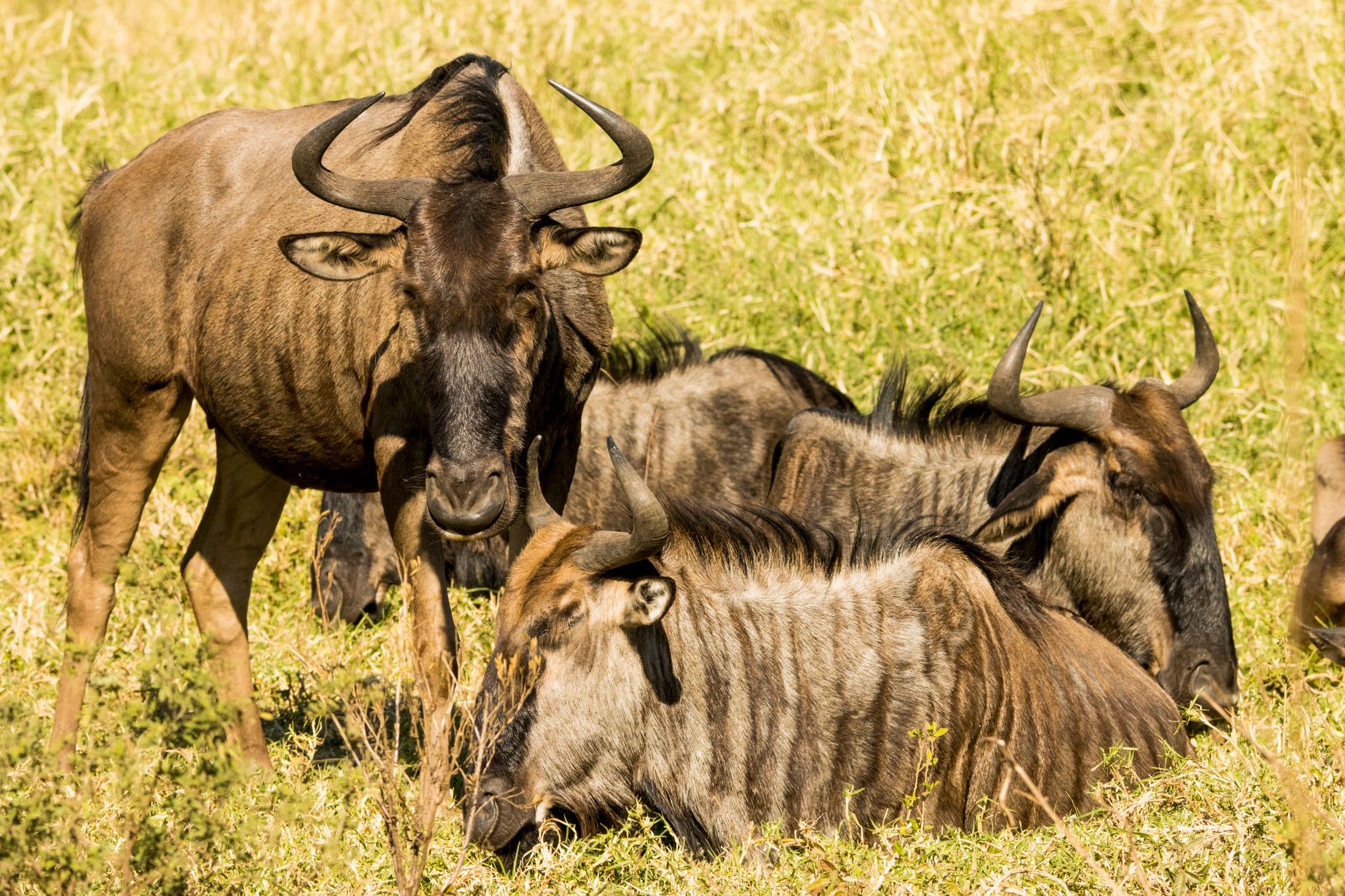
The dry season from late June to October is the classic time for wildlife viewing. This is especially true in the Maasai Mara, when the wildebeest migration is there and animals gather around water sources. Crowds and prices are also at their highest.
January and February are also dry and excellent for the Mara and Amboseli, with fewer crowds and plenty of calf and predator activity. The long rains fall from March to May, and many camps close in April. The short rains in November and December are lighter, with green scenery and lower rates, but some roads turn muddy.
For retirees, the trade-off is real. The dry season offers easier roads but higher prices and crowds. The green season offers lower rates and solitude, but some lodges close. If you want reliable conditions, aim for January to February or June to October.
Can I Drink Tap Water in Kenya’s Safari Lodges and Camps?
Do not drink tap water in Kenya. Safari lodges and camps are well set up for visitors, though: almost all provide filtered or bottled water, and many now have refill stations. Use bottled or filtered water for brushing your teeth too, and avoid ice unless you are confident of its source.
Gastrointestinal issues are the most common travel illness on safari. Stick to freshly cooked hot food, peel fruit yourself, and avoid salads where you are unsure of the washing water. Rehydration salts in your medical kit are good insurance.
What Travel Insurance Covers Medical Evacuation in Kenya?
Travel insurance is not optional for a Kenya safari, and your policy must include medical evacuation cover. Kenya has good private clinics in Nairobi, but serious emergencies may require evacuation there, or in rare cases, to South Africa. A helicopter evacuation from a remote camp can be very expensive, so insurance is the only sensible answer.
Read the policy carefully on age limits and pre-existing conditions. If you have a heart condition, diabetes, or take blood thinners, you may need a specialised policy for older travelers. A specialist insurer can take a few days to assess your details.
What Documents Do I Need for a Kenya Safari?
Your checklist should include:
- A passport valid for at least six months beyond departure from Kenya
- A Kenya visa, applied for online through the eCitizen portal
- Your yellow fever certificate
- Travel insurance documents, including the emergency contact number
- Photocopies of all prescriptions
- A list of emergency contacts in South Africa and Kenya
The e-visa process is straightforward, but do it at least two weeks before travel. Some travelers prefer a visa service, which is fine too, it just costs a little more.
Are There Direct Flights From Johannesburg or Cape Town to Nairobi?
Yes. Several airlines fly direct from Johannesburg to Nairobi, and some also serve Cape Town. The flight from Johannesburg is roughly four hours, and from Cape Town about five hours. Arrive at least a day before any internal safari flight. That way delays cannot cost you the connection, and you can rest before the early starts most itineraries include.
Can I Travel to Kenya as a Retiree With Mobility Concerns?
Kenya is very doable for active retirees, but plan around your limits. The Maasai Mara and Amboseli are both accessible by vehicle, and most lodges have flat pathways. Walking safaris are optional; the game drives work well on their own.
If you want more assurance, look at Ol Pejeta Conservancy in Laikipia. It has a flat, open landscape, good roads, and reliable wildlife viewing without the long bumpy drives of the Mara. It also has a rhino program and a chimpanzee sanctuary. The wider Laikipia Plateau offers lower visitor numbers and easier terrain than the Mara at peak season.
TouringInsights has more on Ol Pejeta and what it offers older visitors in our Ol Pejeta Conservancy guide. If you are weighing the Mara against Amboseli, our comparison of the two parks will help you decide.
For the Mara specifically, expect the dry season game drives to be bumpy. Bring a cushion for lumbar support and tell your guide if you need slower pacing.
What Electronics and Camera Gear Should I Bring?
A basic camera with a decent zoom lens goes a long way. You do not need professional equipment, but a lens with a 200mm to 400mm reach helps. A pair of binoculars is essential; 8×42 is a good all-round choice. Many lodges provide binoculars, but bring your own for comfort.
Kenya uses Type G plugs, the UK-style three-pin square sockets. South Africa mostly uses Type M and Type N sockets with round pins, so South African plugs need an adapter. Power is standard 240V, close to South Africa’s 230V, so most electronics work without a converter.
What Final Checks Should I Make Before I Depart?
A few last steps make the difference between a smooth arrival and a stressful one. Print all your documents, including your e-visa approval, yellow fever certificate, and insurance papers. Keep a second copy in your checked luggage as a backup.
The sun sets around 6:30 pm year round, so game drives end earlier than you might expect, and evening plans start after dark.
You can find a broader checklist in our full Kenya safari packing list. For the financial side, see our guidance on safari costs and budgeting.
Once you have your vaccines, your malaria plan, and your duffel bag packed, you are nearly ready. The last step is choosing the right operator for your pace.
Where Can I Compare Kenya Safari Operators?
To compare safari operators and browse packages for retiree travelers, start here:
- Kenya wildlife tours from Trunktrails Safaris
- Best time to visit Kenya month-by-month map from Valley Safaris
- Compare Kenya safari packages on FindMySafari
Each site lets you compare routes, lodges, and prices side by side, so you can match a package to your fitness level.
More safari planning resources
- Kenya safari packages from SafariPure
- Kenya wildlife tours from Trunktrails Safaris
- Best time to visit Kenya month-by-month map from Valley Safaris
- Compare Kenya safari packages on FindMySafari
Related guides: 10-Day Kenya Safari Itinerary: Masai Mara, Amboseli and Samburu Combined, Planning a 70th Birthday Safari in Kenya: Ideas Beyond the Standard Game Drive, Africa Safari Cost Comparison: Kenya, Tanzania, Botswana, South Africa and Rwanda.