Planning a Kenya safari from Sweden can mean sorting through a lot of scattered advice. This Kenya safari guide for Swedish speakers focuses on decisions that actually change your trip, rather than generic travel tips.
Kenya Safari Guide for Swedish Speakers: What to Expect
A safari is shaped by choices, not luck. The key choices are language support, budget, season, trip length, and region. Swedish travelers do not need a special tour brand. They need an operator that answers those questions clearly and honestly.
Is a Swedish-speaking guide available in Kenya?
Yes, but Swedish-speaking safari guides are limited and should be requested when you first ask for a quote, especially for July to October. English is the standard guiding language and is usually enough for travelers who can follow basic explanations. Choose Swedish interpretation when detailed wildlife education, family reassurance, or communication confidence matters more than availability or cost.
A Swedish-speaking safari guide in Kenya can make a family trip less stressful, but availability drops during the busiest months. If detailed ecology lessons matter more than wildlife volume, pay for Swedish support. For most first visits, however, clear English guiding is enough.
If your route includes the Masai Mara, learn how to check a Masai Mara guide’s certification before paying a deposit. That protects you regardless of language.
How much does a Kenya safari cost for Swedish travelers?
A realistic mid-range Kenya safari costs about US$250 to US$400 per person per day before international flights. Budget camping can start around US$100 to US$150, while luxury trips commonly exceed US$500. Park fees, peak-season camps, private vehicles, internal flights, and a limited Swedish-speaking guide may add substantially to the quoted price.
Some Swedish tour operators quote in kronor, while lodges in Kenya think in US dollars. Convert all proposals before comparing. On a Masai Mara itinerary, verify current Masai Mara conservation levy costs, because that fee appears on most park itineraries and is rarely negotiable.
What is the best time for a Kenya safari?
June to October is the easiest period for general game viewing because dry conditions shorten grass, improve visibility, and concentrate animals near water. It is also Kenya’s busiest and most expensive season. January and February often provide strong wildlife viewing with fewer visitors. November and April to May can offer lower prices, but with a greater chance of rain.
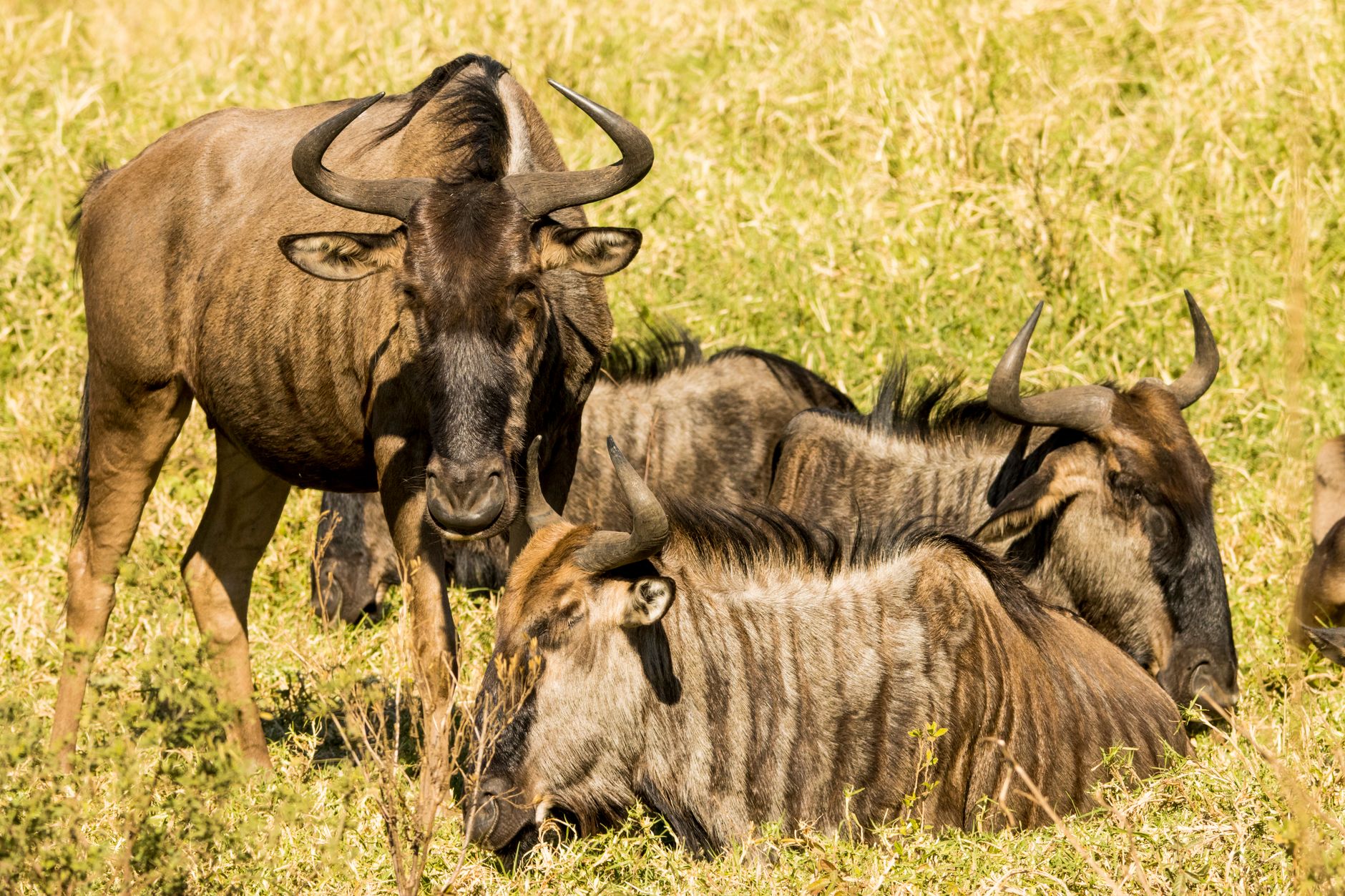
Season should also shape your route. If you plan to watch the wildebeest migration, speak to your operator about real timing rather than assuming a date. Check the best time to visit the Masai Mara when you choose your weeks.
How many days do you need for a Kenya safari?
Seven days is the practical minimum for a first Kenya safari, allowing several full game drives and two contrasting habitats without making every transfer exhausting. Eight to ten days gives a better balance, such as Amboseli plus the Masai Mara or Laikipia. Four or five days can work only when travelers focus on one compact region.
Longer stays let you reduce driving distance. They also give room for calmer game drives, a guided walk, or time by a pool between outings.
Which Kenya safari parks and conservancies should you choose?
Choose the Masai Mara for big cats, open grassland, and possible wildebeest activity. Choose Amboseli for large elephant herds and Kilimanjaro views. Choose Laikipia for rhino conservation, fewer vehicles, and varied habitats. A private Mara conservancy can provide quieter drives and selected off-road access, but it usually costs more than the national reserve.
Most first-time plans start by comparing the two most popular regions. Begin with compare Masai Mara and Amboseli to see which fits your wildlife goals. If you want rhino experiences and wide open spaces, look at the best safari camps in Laikipia before finalizing your route.
What documents and entry requirements apply to Swedish citizens?
Swedish passport holders need an approved Kenyan electronic travel authorization before traveling for tourism. Apply through Kenya’s official online system several days or preferably two weeks before departure. Your passport should be valid for at least six months. You will also need to provide accommodation and onward-travel details. Yellow fever certification is required when arriving from a country with transmission risk.
Use the official portal for Kenya’s eTA for Swedish citizens. Avoid third-party services that charge extra for the same form. Carry a printed copy of the approval with your passport, even though it is electronically linked to your passport number.
How do you get from Sweden to Kenya?
There are generally no nonstop flights from Stockholm, Gothenburg, or Malmö to Nairobi. Swedish travelers normally connect through a European, Middle Eastern, or African hub. Common routing options include Amsterdam, Frankfurt, Zurich, Doha, or Addis Ababa. Total travel time is typically around ten to twelve hours in the air, excluding the connection.
A morning arrival in Nairobi makes the first transfer easier. If you arrive late, plan to spend a night near the airport before driving to your first camp.
What should Swedish travelers pack and know about money?
Pack light, breathable layers, a warm fleece for early drives, sun protection, closed shoes, binoculars, medication, and a small day bag. Carry US dollars or Kenyan shillings rather than Swedish kronor, and do not rely on Swish. Visa and Mastercard are widely accepted in cities and many lodges, but cash remains useful for tips and small purchases.
Bring small US dollar bills for tipping and keep some Kenyan shillings for markets. A proper packing list helps, but the core idea is simple: layers, sun protection, and comfortable shoes.
What’s the One Question Most Travelers Forget to Ask?
Your Kenya safari starts to feel real once you ask the right questions. Focus on your dates, your budget, and the kind of guiding you want. A good operator will tell you clearly whether language support is possible. They should also explain how many travelers share the vehicle. Ask what happens if the migration does not appear at the expected time.
Most brochures show you lions and sunsets. The details that decide whether your trip actually works rarely make it onto the page you see first.
More safari planning resources
- Kenya safari packages from SafariPure
- Kenya wildlife tours from Trunktrails Safaris
- Interactive Maasai Mara map from Valley Safaris
- Masai Mara destination guide on FindMySafari