Every family that books a Kenyan safari asks practical questions, and one of the most common is small, human, and easy to overlook. What happens if safari food is late? In most camps and lodges, the kitchen adapts. Breakfast can stretch into brunch, lunch can become a packed meal for the vehicle, and staff may bring out drinks and snacks to keep everyone comfortable. The faster you know how the system works, the calmer your family will be when wildlife, weather, or road conditions change the plan.
What Happens If Safari Food Is Late During a Game Drive?
A late safari meal is usually adjusted, not cancelled. Staff may extend breakfast, serve brunch, pack food for the vehicle, or lay out snacks and drinks before the next drive. Many camps plan for this, because wildlife viewing does not follow a hotel meal clock.
If your guide calls ahead, a permanent lodge can hold lunch plates or prepare packed boxes. A camp with a bush kitchen may need a little more notice, especially if several vehicles are returning at once. Do not feel shy about asking what the backup meal is. The answer tells you a lot about how well the camp manages families.
In a national park or reserve, the first rule is still wildlife safety. You usually eat at a designated picnic site or back at camp, not on the open track. A packed lunch is not a reason to leave the vehicle.
Why Can Safari Meals Run Late in Kenya?
Meal times slip when a sighting extends a drive, rain slows the road, a bush breakfast needs extra setup, or the kitchen is preparing food for a dietary restriction. Remote camps also depend on long supply routes, so timing is less fixed than at a city hotel.
Some camps offer an early coffee and light breakfast before the first drive, then a substantial brunch when you return. If a family does not eat at every scheduled opportunity, that shift is normal. Seasonal mud in the Mara, Tsavo, or Laikipia can make a short route a slow crawl. A good guide watches the clock but will not abandon a leopard sighting for the sake of a toast rack.
How Do Different Kenyan Camps Handle a Late Meal?
Lodges, mobile camps, bush breakfasts, and packed lunches each respond differently. A lodge can hold plated food until you return. A cooking team in a mobile camp often needs more notice. A bush breakfast can be packed up quickly, while a packed lunch already travels with the vehicle.
Do not expect one routine. In the Masai Mara and its private conservancies, a bush breakfast on a ridge may include hot food and coffee. Staff often set a low table beside the vehicle. If setup is slow or animals approach, the camp may serve it later or hand you a lunch bag instead. In Amboseli and Tsavo, distances between wildlife areas and camps are longer, so packed lunches are common. In Laikipia, private conservancies often allow more flexible scheduling and supervised stops.
Families should check the itinerary when they book. Ask what happens to meal times if a drive returns late, and whether the kitchen can produce an allergy-safe packed meal at short notice. A camp that answers calmly is usually easier to travel with than one that promises perfection.
What Should Families Do When a Meal Is Late?
Tell the guide and the camp staff as soon as the delay becomes a problem, especially if a child is hungry or someone needs food with medication. Ask for a safe interim snack, more water, or a packed meal, and confirm the new serving time.
Keep children inside the vehicle or in the approved eating area. Do not let a hungry child wander into the bush to look for food. If you plan to bring backup items, check whether safari guests can carry snacks before you leave home. Operators will also tell you which containers and foods are wildlife-safe.
A family-friendly camp makes waiting easier. Staff may arrange a short nature activity, a craft session, or a cultural visit while the kitchen catches up. Family-friendly activities at a Tsavo safari camp show the kind of flexible day that helps when lunch runs later than planned.
How Do Children, Snacks, Allergies, and Special Diets Fit In?
Families should tell the operator about allergies and children’s preferences before departure, carry approved snacks where rules allow, and repeat restrictions to the chef, server, manager, and guide. A booking note may not reach a temporary bush kitchen, so the chef should hear it directly, more than once.
Good safari camps can handle most allergies and dietary needs when told early. Once on safari, repeat the restriction at each camp or meal station. If you bring familiar food, keep everything sealed. Leave no wrapper behind and never feed wildlife. A sealed packet of crackers or fruit can help a child past a delayed lunch.
When Should a Family Escalate a Safari Meal Delay?
Escalate to the camp manager or operator when a delay means guests miss an agreed meal, repeatedly shortens a drive, or creates a medical risk. If allergy symptoms, dehydration, or suspected food poisoning appear, seek medical help immediately rather than waiting for replacement food.
Repeated delays are rare but worth reporting. A guide can radio the office, and the manager can change schedules or order supplies. For serious medical problems in remote country, know the nearest clinic and keep the Kenya safari emergency contacts within reach.
What Should You Ask Before You Book?
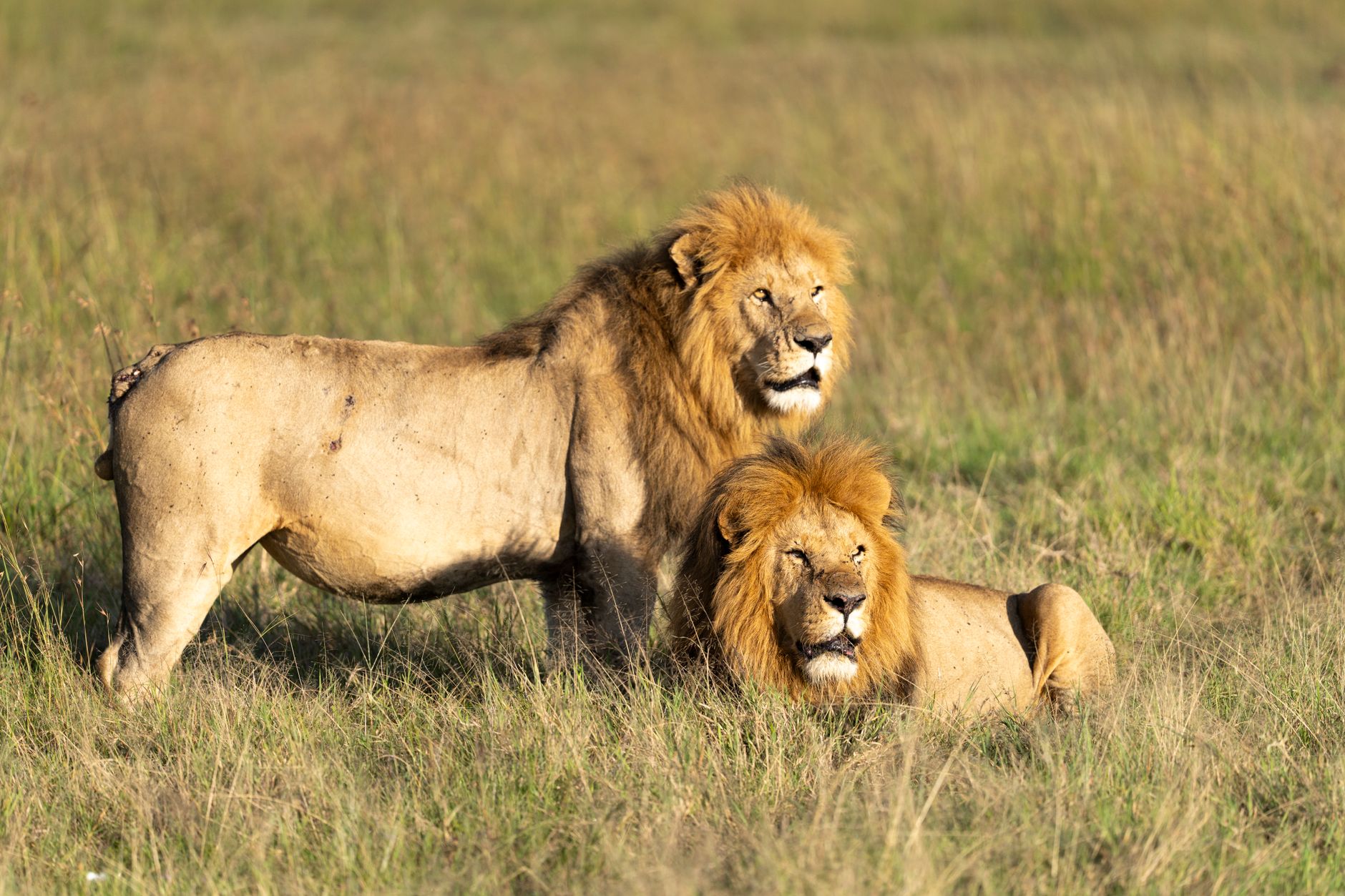
The best time to ask about late meals is before you choose a camp. Does the team treat food as a fixed deadline or as part of a working safari day? A camp that stays calm when a lion sighting delays breakfast will also stay calm when your child has a special request.
More safari planning resources
- Kenya family safari from SafariPure
- Kenya wildlife tours from Trunktrails Safaris
- Nairobi to Maasai Mara route guide from Valley Safaris
- Family safari collection on FindMySafari