Planning a Kenya safari from Brazil, Portugal, or Portuguese-speaking Africa raises questions that many guides ignore. This Kenya safari guide for Portuguese speakers focuses on the decisions you will make before departure: guide language, Kenya eTA rules, flight connections, budget, season, and a route that fits seven days.
Do You Need a Portuguese-Speaking Guide in Kenya?
No. A Portuguese-speaking guide is not essential for a Kenya safari. Fluent Portuguese-speaking field guides are rare, so you cannot count on finding one. Ask for the guide’s name, certification, language level, and written confirmation before paying a deposit. If Portuguese support is unavailable, a clear English-speaking guide plus a translation app works well.
How much language matters depends on your comfort with English. If you are confident in English, a good English-speaking guide is fine. If you are traveling with children or older relatives, a Portuguese-speaking guide can reduce stress. Just remember that a true language guarantee usually costs more and should appear in your booking documents.
What Do Brazilian and Portuguese Travelers Need for Kenya eTA and Flights?
Brazilian and Portuguese passport holders generally need an online Kenya Electronic Travel Authorization before departure, not a visa on arrival. Apply through the official eTA website at least one week before flying. Check passport validity, yellow fever, and onward ticket rules first. Carry digital and printed copies.
The official eTA website is your best source for the current fee. Third-party sites often add service charges. Mistakes on the application can cause delays, so check that your name and passport number match exactly.
Most flights from Portugal to Nairobi connect through a hub such as Amsterdam, Doha, Istanbul, or Zurich. From Portugal, total journey time commonly falls between 13 and 17 hours with a connection. From Brazil, expect a connection in Europe or the Middle East. Leave a buffer of at least three hours before boarding a domestic safari flight from Nairobi.
For a longer look at entry logistics, see our Kenya safari eTA guide.
How Much Does a 7-Day Kenya Safari Cost?
Expect to pay roughly USD 2,000 to 3,000 per person for a budget seven-day Kenya safari, USD 3,500 to 5,000 for mid-range travel, and USD 6,500 or more for luxury. That estimate excludes international flights, eTA fees, tips, and some internal flights. Private vehicles and peak-season lodges push the total higher.
Most first-time travelers book a package rather than organizing each park and lodge separately. Packages often include park fees, but not always. Ask for a written breakdown before you pay. If you want a Portuguese-speaking guide, ask whether that service is included or an add-on.
Prices change with season and currency, so use these ranges as planning tools, not final quotes. Our Kenya safari cost guide explains the main package components and common extras.
What Is the Best Time to Go on Safari in Kenya?
July to October offers dry weather, concentrated wildlife, and the chance of wildebeest crossings in the Masai Mara. It also brings peak prices and crowds. January to March is productive and calmer. April to June is greener, quieter, and cheaper, though rain can make some roads muddy.
The wildebeest migration is not a daily guarantee. Crossings depend on river levels and where the herds decide to move. Choose your dates around what you want to see, not around one migration date. For a month-by-month breakdown, see our guide to the best time to visit the Masai Mara.
Which Kenya Parks and Conservancies Work Best for a First Safari?
Combine the Masai Mara for big cats and open plains, and Amboseli National Park for elephants and views of Kilimanjaro. Add Lake Nakuru or Naivasha for a lake landscape, plus Naboisho or Mara North Conservancy for lower-density driving and walking. That mix gives a first-time visitor variety without constant travel.
The Masai Mara is famous for big cat sightings and wide grassland. Many Masai Mara safari packages begin there because wildlife is visible on open ground. Amboseli National Park offers elephants and a clear view of Kilimanjaro when the sky is not cloudy. Lake Nakuru adds rhinos and birds, while nearby Lake Naivasha gives you a gentler lake stop with hippos.
If you prefer fewer vehicles, stay in Naboisho Conservancy or Mara North Conservancy. These private areas allow walking safaris and keep more distance between cars. Ask your camp whether it pays conservancy fees, since those fees support wildlife protection and local projects. For details, see our Masai Mara guide or our Amboseli safari guide.
Kenya Safari Guide for Portuguese Speakers: Seven Days in Practice
Seven days is enough if you keep the route simple and avoid long transfers. A practical plan for first-timers looks like this:
Day 1: Arrive in Nairobi. Rest, check your safari clothes, and confirm your guide arrangements.
Day 2: Fly or drive from Nairobi to Amboseli. Go on an afternoon game drive.
Day 3: Spend the early morning in Amboseli National Park. Elephants often feed near the swamps at dawn, with Kilimanjaro behind them.
Day 4: Drive to Lake Naivasha or Lake Nakuru. Lake Naivasha is a relaxed stop for birds and hippos. Lake Nakuru adds rhino viewing and plenty of birdlife.
Day 5: Continue to the Masai Mara and settle into camp. Take a late afternoon game drive.
Day 6: Spend a full day in the Masai Mara. If your camp has access, add a morning in Naboisho or Mara North Conservancy.
Day 7: Go on a final early drive, then return to Nairobi.
This plan gives you two nights in Amboseli, one night near a lake, and two nights in the Mara. Roads in Kenya vary from smooth tarmac to dusty tracks, so expect a few longer stretches. Scheduled domestic flights can shorten some transfers, but they add cost and are not available between every pair of parks. A nine-day version gives you more breathing room at the lake or in the conservancies.
What Should You Pack, and How Do You Handle Language on Safari?
Use a soft-sided bag, light layers, a warm fleece for early drives, sun protection, a hat, medication, insect repellent, and binoculars. For communication, most guides work in English and Swahili. Confirm Portuguese support in writing before booking. If it is not available, download a translation app and keep a short wildlife vocabulary list in Portuguese.
Keep clothing neutral. Bright colors rarely bother wildlife from a vehicle, but they stand out on walking safaris. Mornings are cool and afternoons are hot, so layers work best. Charge your phone and camera batteries before every drive. A small power bank is useful because camps may share charging points.
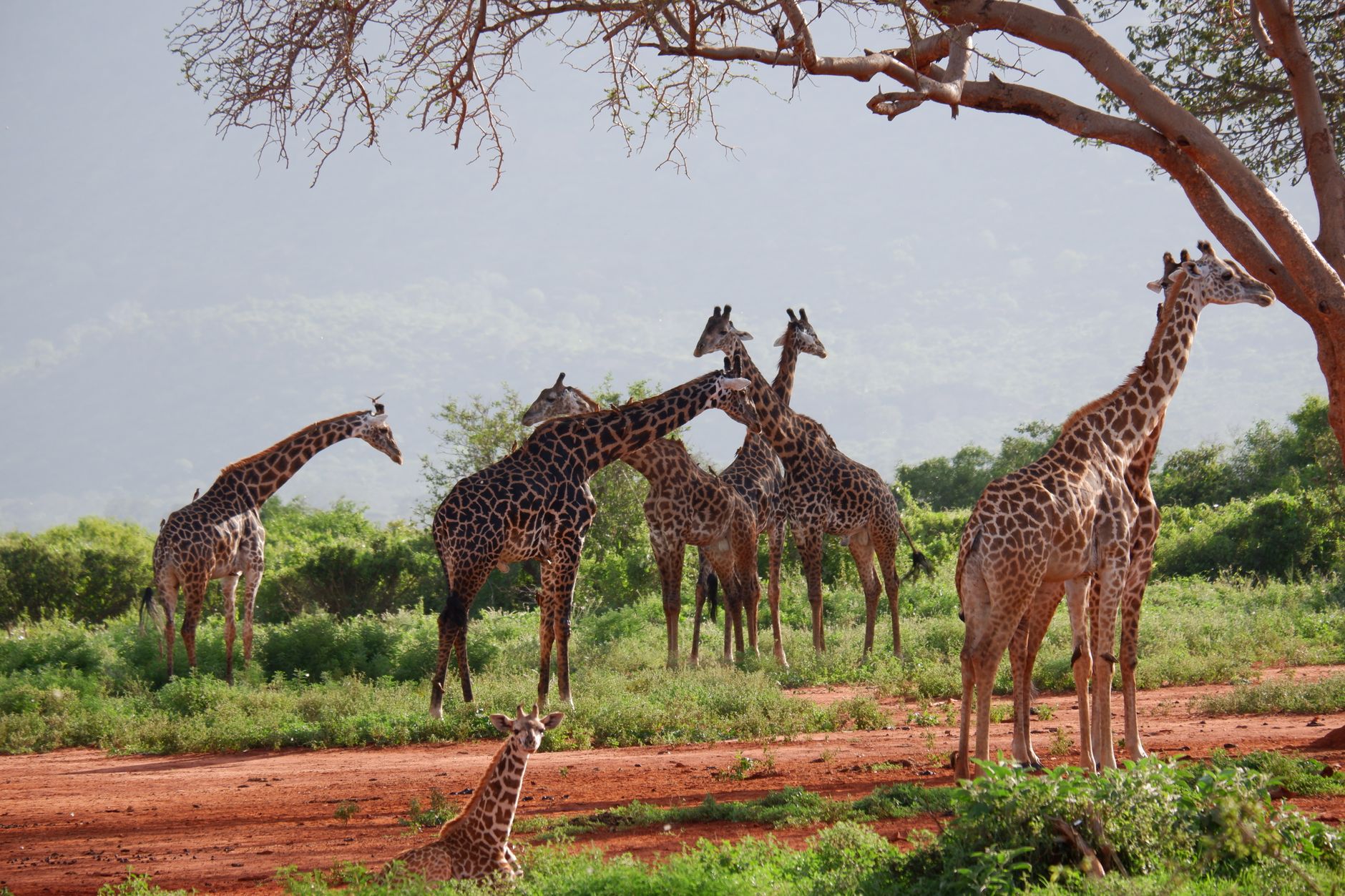
For a full checklist, see our Kenya safari packing list. When you spot a giraffe, use our guide to Kenya’s three giraffe species to tell them apart.
More safari planning resources
- Kenya safari packages from SafariPure
- Kenya wildlife tours from Trunktrails Safaris
- Interactive Maasai Mara map from Valley Safaris
- Masai Mara destination guide on FindMySafari
Before you book, picture your slow morning. Would you rather watch elephants in Amboseli under Kilimanjaro, or start with lions in the Masai Mara? Your answer will help you choose the right seven-day route. It also gives you a clear question for operators. When you are ready to compare safari operators, browse packages through FindMySafari, Valley Safaris, or Trunktrails Safaris. Ask each one for the guide’s name and a written language note.