Ask any safari planner and you will get the same starting point: the dry season. The Kenya safari best time to visit for Portuguese speakers usually runs from June to October, with January to February as a strong backup. But the right month for you depends on what you want to see, how much you want to pay, and how much company you can tolerate.
What Is the Kenya Safari Best Time to Visit for Portuguese Speakers?
June to October is the best overall period for a Kenya safari. Dry conditions improve road access, concentrate animals near water, and support strong game viewing across major parks. Choose July to September for the Great Migration, January to February for quieter dry season wildlife viewing, and April to May for lower prices and greener scenery.
Most travelers can find a good window somewhere in the calendar. The challenge is matching your priorities to the conditions. The sections below walk through each season, park, and practical detail.
How Do Kenya Safari Seasons and Weather Change by Month?
Kenya has two main dry windows, June to October and January to February, separated by rainy periods. March to May brings the long rains, while November and December bring shorter rains. Rain does not stop every safari, but it can make tracks muddy, produce lush landscapes, reduce visibility temporarily, and lead some seasonal camps to close.
Here is the Kenya safari dry season pattern in a simple table. No single year follows it exactly, but this is the general rhythm.
| Season | Months | What to expect |
|---|---|---|
| Dry | June to October | Clear skies, dust, strong wildlife viewing |
| Short rains | November to December | Scattered showers, green landscape, fewer visitors |
| Dry | January to February | Warm days, newborn animals, quieter parks |
| Long rains | March to May | Heavy rain, low rates, some seasonal camps closed |
Kenya sits close to the equator, so the difference between seasons is rainfall more than temperature. The long rains can be heavy, but they usually come in bursts rather than nonstop downpours. If you are flexible with driving times, the green season can be beautiful. Travelers who enjoy lower crowds and lush scenery often look at the shoulder months. Read more about Kenya’s shoulder season wildlife to understand what you might see.
When Is the Great Migration in the Masai Mara?
Plan for late July through September to maximize the chance of seeing wildebeest in Kenya’s Masai Mara, although exact arrival and river crossing dates vary annually. August is popular but crowded. Early July and October can offer excellent sightings with fewer vehicles, while private conservancies provide quieter viewing away from the busiest crossing points.
The Great Migration is not a single event. It is a constant movement of wildebeest and zebra that follows rainfall and fresh grass. Herds usually cross into the Mara from Tanzania around July, but some years they arrive earlier or later. River crossings are unscripted. You may wait hours and see nothing, then watch hundreds cross in minutes. To increase your odds, stay in the Mara for several nights and use flexible safari days. Our Great Migration viewing areas guide can help you plan positions by season.
For a full overview, see our Masai Mara safari guide. For the narrower question of timing, check the best time to visit the Masai Mara.
Which Months Are Best for Newborn Animals, Predators, and Birdwatching?
January and February are excellent for newborn animals, active predators, and generally dry game drives, especially in the Masai Mara and southern parks. November to April is strongest for migratory birdwatching, when resident and visiting species add color to wetlands and grasslands. Calving season sightings are rewarding but never guaranteed on a fixed itinerary.
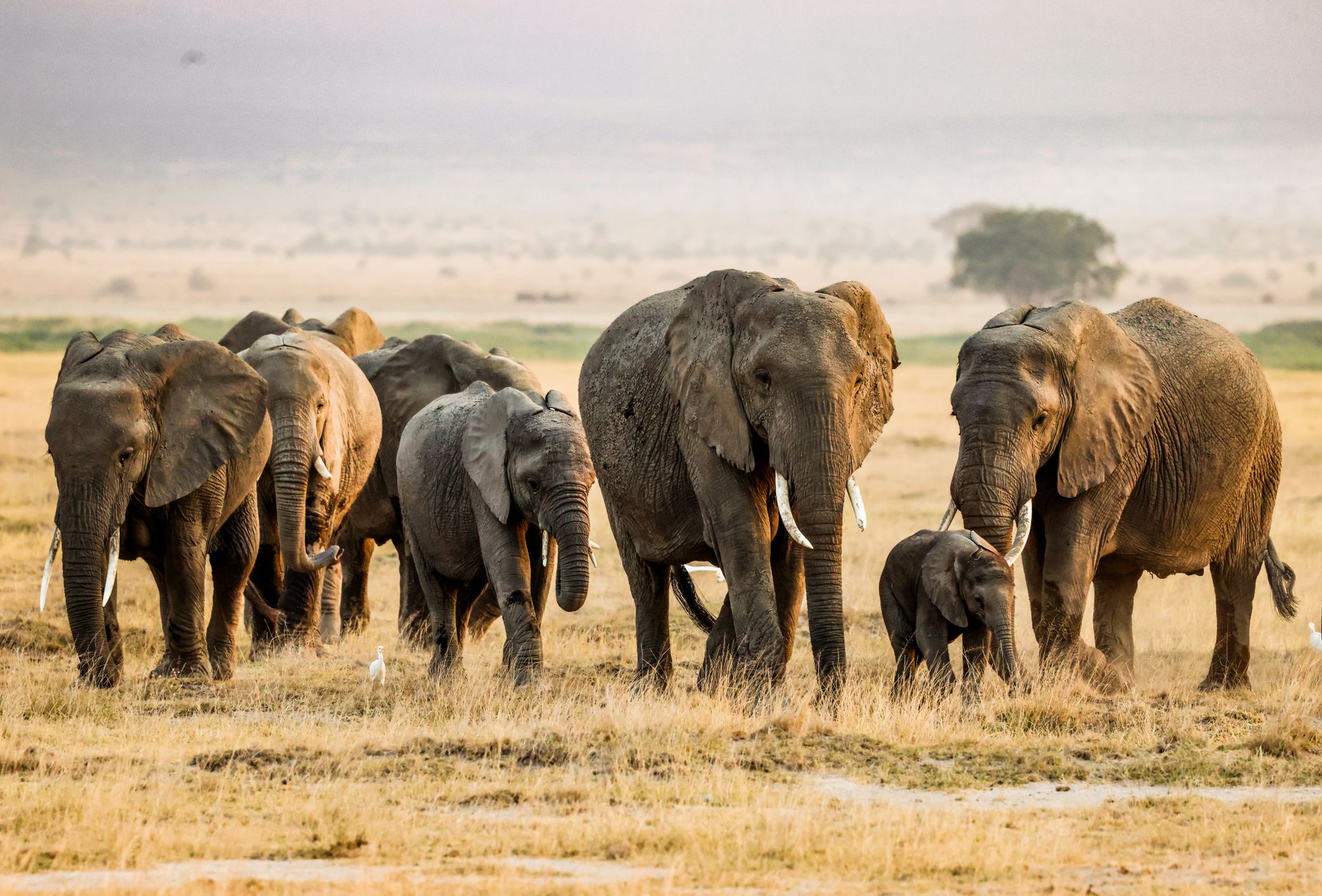
Newborn wildebeest, zebra, and gazelles attract predators like lions and cheetahs. January and February are also a favorite window for Amboseli, when elephants gather near remaining water and views of Mount Kilimanjaro are often clear in the morning. If birds are your focus, bring binoculars and plan wetland visits. Our Amboseli safari guide and Tsavo safari guide cover what each park offers in these months.
What Is the Best Time for Specific Parks and Conservancies?
The Masai Mara is strongest from July to October and again in January to February. Amboseli often shines in January to February and June to October, when elephants gather around remaining water and mountain views may be clearer. Tsavo works well in dry months but stays productive year round. Samburu and Laikipia are often best from June to October or January to February.
These are general recommendations, not guarantees. Local rainfall can shift wildlife from week to week.
| Park or region | Best months | Why |
|---|---|---|
| Masai Mara | July to October, January to February | Migration, predators, calving |
| Amboseli | January to February, June to October | Elephant herds, mountain views |
| Tsavo | June to October, also year round | Large landscapes, dry country wildlife |
| Samburu | June to October, January to February | Reticulated giraffe, Grevy’s zebra |
| Laikipia and Ol Pejeta | June to October, January to February | Rhino, private conservancy experience |
Most visitors pair the Mara with another park, and the choice changes the timing. If you are deciding between the two most popular reserves, our Masai Mara vs Amboseli comparison explains their differences. For dry country species, see our Samburu safari guide. For rhino conservation and private ranches, our Ol Pejeta Conservancy guide gives a closer look.
How Do Crowds, Prices, Roads, and Camp Availability Affect Timing?
July to October usually brings the highest demand, rates, and vehicle traffic, particularly in the Masai Mara. January to February can balance dry weather, good wildlife, and fewer visitors. April to May often offers the lowest rates and greenest scenery, but heavy rain can affect roads and some camps. Book peak season camps and conservancies several months ahead.
Peak season also means higher park fees in some areas, though exact fees vary by park and residency. If you are flexible, you can save money in the rainy season, but low season savings come with trade-offs. Some seasonal camps close completely in April and May, and roads can turn muddy after downpours. Travelers who plan to visit in the green season should confirm that their lodge stays open and that transfers still run. To compare what affects your total spend, read our Kenya safari cost guide.
What Should Portuguese-Speaking Travelers Consider When Choosing Dates?
Portuguese-speaking travelers should choose dates according to their priority, not language alone. Consider July to September for migration, January to February for calmer wildlife viewing, and April to May for value. Request Portuguese-speaking assistance when booking, and confirm guide availability, airport transfers, park permits, payment methods, and eTA requirements before committing to a seasonal itinerary.
The Kenya safari best time to visit for Portuguese speakers depends on your travel goals, not your language. Language support is strongest when you ask for it early. Not every camp has Portuguese-speaking guides, and low season rosters can be smaller. If you are traveling from Brazil, Angola, Mozambique, or Portugal, ask your operator to confirm the language of your guide and any camp briefings. Also check how you will pay for park fees and extras, since currency and card policies can affect your daily budget. Our Kenya safari planning for Portuguese speakers page covers these logistics in more depth.
What Do Travelers Ask About Kenya Safari Timing?
Travelers most often ask which month is best, when the rains fall, when migration peaks, whether January beats July, and when a safari costs less. The answers below give practical detail, including the role of park fees, weather, road access, and Portuguese-speaking guide availability.
What Is the Best Month to Go on Safari in Kenya?
September is one of the strongest all-round months because it is typically dry, wildlife viewing is excellent, and the Great Migration may still be in the Masai Mara. July and August are also strong for migration, while January and February offer good wildlife with fewer peak season crowds.
What Is the Rainy Season in Kenya for Safari?
Kenya’s long rains usually occur from March to May, and the short rains generally arrive in November and December. Safaris still operate during these periods, but heavy showers can affect road conditions and visibility. The landscape is greener, visitor numbers are lower, and prices may be more favorable.
When Is the Great Migration in Kenya?
The Great Migration commonly reaches Kenya’s Masai Mara from July through October, with August and September often associated with major herd concentrations and possible Mara River crossings. Timing changes each year according to rainfall and grazing conditions, so no operator can guarantee a crossing on specific dates.
Is January or July Better for a Kenya Safari?
January is better for a quieter trip, dry conditions, newborn animals, and strong predator activity. July is better for travelers prioritizing the Great Migration and cooler dry season weather, but it usually brings higher prices and more vehicles. Amboseli, Tsavo, and private conservancies can make either month rewarding.
What Is the Cheapest Time to Go on Safari in Kenya?
April and May are commonly the cheapest months because they fall during the long rains, although some seasonal camps close and roads may become difficult. November can also offer better value than the peak season. Travelers should compare total costs, including park fees, transfers, and weather-related itinerary changes.
How Should You Compare Safari Operators?
Compare safari operators on license status, guide experience, itinerary flexibility, and price transparency before you commit to dates. A reliable operator confirms park fees, transfer details, and lodge availability in writing, rather than leaving them vague until after payment. Ask whether a quoted rate includes park entry fees, transport between camps, and meals, since some listings look cheaper only because they leave those out.
Read recent traveler reviews, and check how an operator handles last-minute weather changes or itinerary shifts. For Portuguese-speaking travelers, ask directly whether a guide who speaks Portuguese will be available on your dates. Not every camp keeps one on staff year round. Comparing two or three operators side by side is the easiest way to spot differences in price and service before you book. You can find planning details for your own trip at touringinsights.com.
Where Can You Find More Kenya Safari Planning Resources?
Several outside resources offer month-by-month maps and season breakdowns that complement this guide. They give you a second reference point as you narrow down travel dates, though the park-specific timing that matters most for your trip is covered in the sections above.
- Best time to visit Kenya map from SafariPure
- Best time to visit Kenya from Trunktrails Safaris
- Best time to visit Kenya month-by-month map from Valley Safaris
- Great Migration safari collection on FindMySafari
How Can You Compare and Book a Kenya Safari?
Once you know your season, compare safari operators before you commit to dates and a park lineup. Services such as FindMySafari, Valley Safaris, and Trunktrails Safaris let you browse packages side by side and compare safari operators on price, dates, and reviews. Ask each operator about Portuguese-speaking guides, camp availability, road conditions, and what happens if the weather shifts. That final check will help you book with confidence.