Planning a Kenya trip and wondering if you can help protect rhinos while you are there? You are not alone. Rhino conservation volunteer opportunities in Kenya are possible, but they are not quite what many travelers expect. The most responsible projects do not let strangers handle rhinos. Instead, volunteers usually support monitoring, habitat work, education and ranger teams. The bigger aim, rhino conservation in Kenya, depends on rangers, veterinarians and local communities. This guide gives you honest, practical details so you can decide if that kind of trip fits your goals and budget.
Where Can You Volunteer with Rhinos in Kenya?
Kenya’s clearest rhino conservation volunteering option is Ol Pejeta Conservancy, where eligible visitors may access conservation-focused experiences and meet staff through organized programs. Lewa Wildlife Conservancy and other rhino areas may offer guided conservation visits or specialist placements, but availability, duties and access should be confirmed directly before booking.
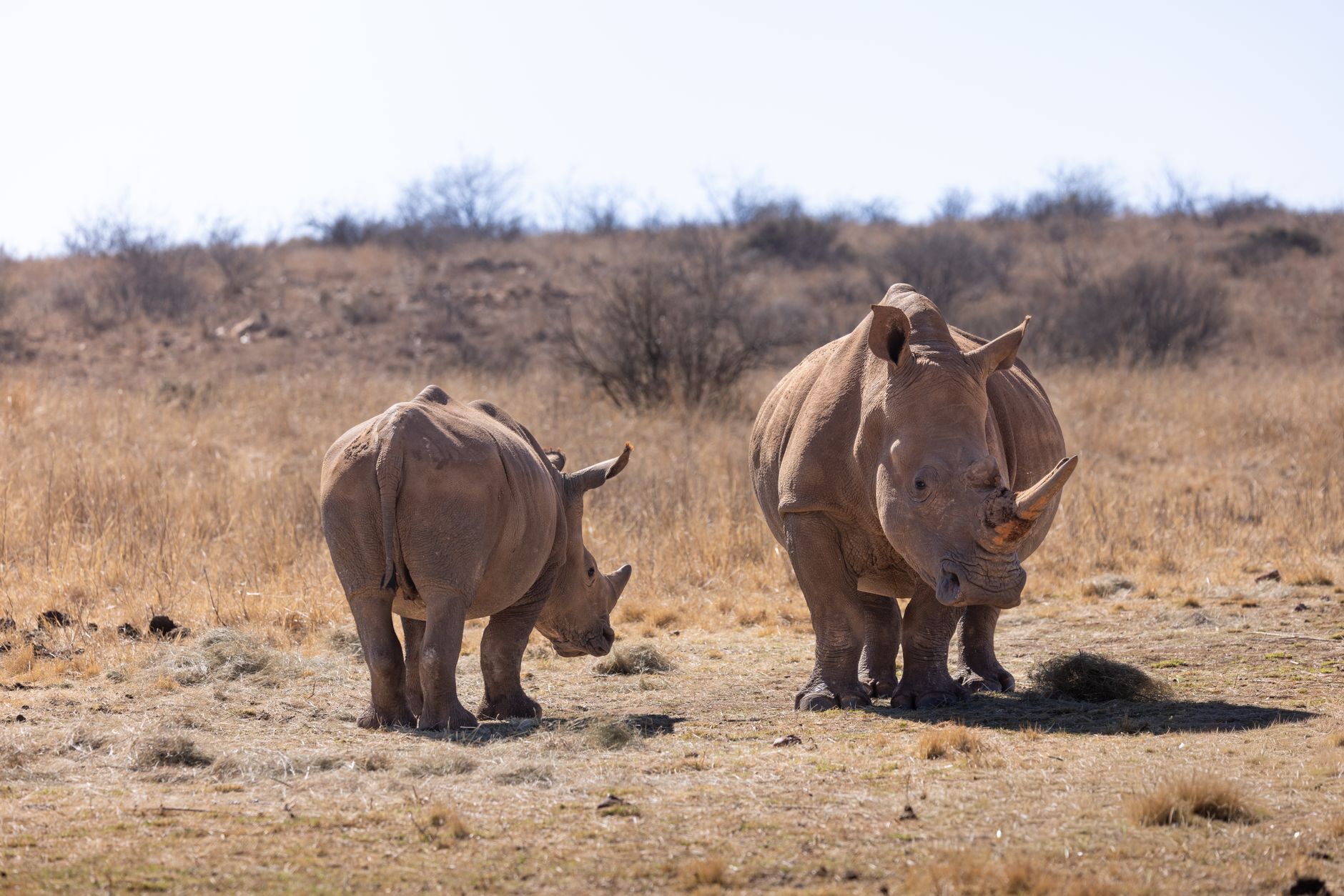
Ol Pejeta Conservancy, in Laikipia County, is the most clearly documented Kenya option. It is home to black rhinos and southern white rhinos, and it runs structured experiences for visitors who want to spend time with conservation teams. The program is usually framed as a conservation experience rather than a hands-on volunteer job. You may help with animal welfare support, check fences, or observe how rangers protect the animals.
Lewa Wildlife Conservancy is another important rhino stronghold. It sometimes takes specialist students or researchers, but direct volunteer placements are not advertised as widely. For day visits and organised talks, a safari through Lewa can still teach you about rhino protection.
For a broader look at where to see rhinos, including sites that allow conservation visits, read our guide to top rhino conservation sites in Kenya.
What Do Rhino Conservation Volunteers Actually Do?
Typical duties include wildlife monitoring, recording behavior, habitat management, conservation education, data collection and support for ranger or anti-poaching teams. Volunteers should not expect unrestricted contact with rhinos: reputable projects limit interaction to essential welfare work and prioritize animal safety, natural behavior and eventual release or protection.
Most placements follow a daily rhythm that includes wildlife monitoring. You might record rhino sightings, note group sizes, or photograph animals for identification files. Some projects ask volunteers to enter data into spreadsheets or camera trap databases. Others focus on habitat management, such as clearing invasive plants or maintaining water points.
Anti-poaching volunteer work is usually indirect. Volunteers rarely join armed patrols. You may assist with equipment checks, support community outreach, or help rangers with paperwork. The goal is to keep rhinos safe without putting untrained people in dangerous situations.
Project length varies. Some experiences last one week. Specialist placements can run for months. The fee is a paid experience, not an unpaid internship, and it usually covers training, meals and basic lodging. For a wider menu of options, see our Kenya safari conservation volunteering options page.
How Much Do Rhino Conservation Volunteer Opportunities Cost?
Expect to pay a program fee, with international rhino projects commonly advertising stays from roughly US$840 to more than US$3,500 depending on country, duration and inclusions. A Kenya safari-based experience may also require park or conservancy fees, transport, accommodation, meals, guide costs, flights, insurance and any required permits.
To keep the numbers honest, these figures are indicative ranges from published international programs, not quotes from specific Kenya projects.
| Type of cost | What it typically covers | Indicative range (US dollars) |
|---|---|---|
| Entry-level program fee | Accommodation, most meals, training, project coordination | $840 to $2,000 for one to two weeks |
| Specialist or research placement | Closer involvement with data, ranger support, or conservation science | $2,500 to $3,500+ for longer stays |
| Kenya add-ons | Conservancy entry, safari vehicle, guide, park fees, extra nights | $100 to $300 per day, depending on choices |
Your total budget will be higher than the program fee. Add international flights, travel insurance, a Kenyan visa if needed, conservancy entry fees, meals outside the program, and either transfers or a safari extension. A one-week volunteer block plus a classic safari can fit many budgets, but it is smart to price it before you commit. Our Kenya safari cost guide sets out the main costs in more detail.
Who Can Apply and What Skills Are Required?
Many entry-level programs accept motivated applicants without previous wildlife experience, provided they meet minimum age and fitness requirements. Training is usually supplied, while useful skills include field observation, photography, data recording, education, first aid, veterinary care or ecology. Applicants should be comfortable with early starts, heat, dust and physical outdoor work.
Most entry-level programs set a minimum age around 18, and some allow 16-year-olds with parental consent. You do not need a degree in ecology. What matters is a reasonable fitness level, a willingness to follow safety rules, and the ability to work outdoors in heat and dust.
Specialist roles may ask for experience in ecology, veterinary care, education or fieldwork. If you have those skills, mention them early. If not, apply for general placements that train you on site. The best projects value reliability over any particular diploma.
Ol Pejeta Conservancy volunteering is arranged through the conservancy or its approved partners. Other reserves work in a similar way. Before paying, ask who you will report to and what happens if plans change. For practical details on meeting conservation staff at Ol Pejeta, read our guide.
When Is the Best Time to Volunteer with Rhinos?
The best timing depends on whether the priority is volunteering conditions, wildlife visibility or combining the project with a safari. Kenya’s drier periods generally make roads and wildlife observation easier, while wetter months can bring greener scenery, fewer visitors and more challenging access. Confirm project calendars because volunteer placements may not run year-round.
Kenya’s driest months usually run from late June through September. Roads are firmer, visibility is better, and this is also the peak safari season. Expect higher prices and more vehicles in popular areas. The wetter months, roughly November to April, bring lush scenery and fewer travelers, but muddy tracks can slow travel and animals may be harder to find.
Project calendars matter as much as the weather. Some placements pause during heavy rains, calving periods, or veterinary operations. Always check with the project before arranging flights.
If you plan to combine your volunteer work with a Masai Mara safari, our best time to visit the Masai Mara guide can help you coordinate dates. But rhino conservancies in central Kenya follow similar, not identical, seasons.
How Do You Choose an Ethical Rhino Conservation Project?
Choose projects that publish their conservation objectives, explain how fees support field work, restrict unnecessary animal contact and describe qualified supervision. Favor programs focused on monitoring, habitat, community partnerships and measurable protection rather than photo opportunities with wildlife. Ask who owns the data, where money goes and whether the activity changes animal behavior.
Create an ethical wildlife volunteering checklist before you pay. The project should name its supervisors, explain how fees support field work, and describe its relationship with government wildlife authorities. If a website cannot say who runs the project, walk away.
Be wary of any experience that promises close contact with rhinos. The most ethical projects restrict interaction to essential welfare work. You may observe trained keepers from a distance, but you will not bottle feed an orphan as a tourist. That distinction is what separates conservation from entertainment.
Strong projects also work with local communities. They hire local staff, support schools, and share the benefits of rhino protection. Ask who owns the data you collect and how results are used. Good projects answer these questions clearly and in writing.
What Are the Frequently Asked Questions?
First-time volunteers ask the same five questions again and again: where to go, what it costs, whether experience is needed, what access Ol Pejeta allows, and whether the work is ethical. The short answers below are direct and practical for planning a Kenya safari.
Where can I volunteer with rhinos in Kenya?
Ol Pejeta Conservancy is the most clearly documented Kenya option for people seeking a conservation-focused wildlife experience. Other conservancies may offer visits or placements, but availability and eligibility vary, so confirm the current program directly before arranging flights or a safari.
How much does it cost to volunteer with rhinos?
Published international programs range from about US$840 for shorter stays to more than US$3,500 for specialist or longer placements. The total Kenya budget can be higher after adding accommodation, conservancy fees, transport, flights, insurance, meals and safari activities.
Do I need experience to volunteer with rhinos?
Usually not for entry-level programs. Some operators provide training and accept applicants with no previous experience, although good fitness, reliability and a genuine interest in conservation are expected. Veterinary, ecology, ranger, research or education skills may help with specialist roles.
Can I volunteer at Ol Pejeta Conservancy?
Yes, Ol Pejeta offers opportunities for people interested in wildlife, animal welfare and conservation experiences. The exact activities, access arrangements, minimum requirements and dates can change, so treat the experience as a managed program rather than an informal chance to work directly with rhinos.
Is rhino volunteering ethical?
It can be ethical when the project prioritizes habitat protection, monitoring, community conservation and animal welfare over close-contact encounters. Reputable sanctuaries limit contact with rhino orphans to essential care and use volunteers under trained staff supervision. Ask for transparent impact information before paying.
Ready to Plan Your Rhino Conservation Trip?
If you want to match a rhino conservation volunteer experience with the rest of your Kenya itinerary, the next step is to compare safari operators. Browse packages from FindMySafari, Valley Safaris, or Trunktrails Safaris, and ask each one how they handle conservancy visits, transfers, and accommodation around your volunteer days. A reliable operator will help you protect rhinos, see Kenya, and stay safe.
Where Can You Find More Safari Planning Resources?
- Kenya national parks map from SafariPure
- Ol Pejeta Conservancy guide from Trunktrails Safaris
- Ol Pejeta and Sweetwaters safari package from Valley Safaris
- Big Five safari collection on FindMySafari