Planning a Kenya safari for Bengali speakers can feel overwhelming, especially if English is not your strongest language. The good news is that you do not need fluent English to have a smooth trip. You need honest information about language support, a simple itinerary, and a realistic budget. This guide walks through each of those pieces.
If you only remember one thing, keep this: native Bengali-speaking driver-guides are rare in Kenya. Most travelers who book with confidence use a certified English-speaking guide plus a Bengali interpreter. That arrangement gives you clear wildlife commentary without leaving you stranded. For a useful start on the whole planning process, review Kenya safari parks and visa information for Bengali speakers, then come back for the route and cost details.
What Does a Kenya Safari for Bengali Speakers Really Include?
A Kenya safari for Bengali speakers usually pairs a licensed English-speaking guide with a Bengali interpreter who rides in the same vehicle. This setup is more reliable than expecting a native Bengali driver-guide. Confirm the interpreter’s qualifications, the daily fee, and what is included before you pay.
The guide handles navigation, safety, and most wildlife spotting, while the interpreter translates the commentary into Bengali during the game drive and helps with lodge check-ins, meal orders, and staff conversations. Not every operator offers this service, so ask directly when you compare packages. Some include translation in the private safari price; others add a separate fee.
Many professional guides in Kenya train with the Kenya Professional Safari Guides Association, usually called KPSGA. A KPSGA certification is a strong sign of knowledge, but it does not replace a translator.
Interpreter rates are rarely advertised, so treat the number as part of your negotiation. A typical supplement can range from USD 50 to USD 100 per day, or about USD 350 to USD 700 for a seven-night trip. Always clarify whether the interpreter’s transport, meals, and accommodation are included in that figure.
Before you book, ask to speak with the interpreter by phone or video call. A good interpreter should know common wildlife names in both languages and keep pace with live commentary.
How Many Days Do I Need for a Kenya Safari?
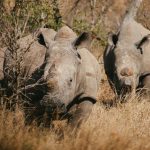
A first Kenya safari for Bengali-speaking travelers works well as seven nights: one night in Nairobi, three in the Masai Mara, two in Amboseli, and one flexible night near Lake Nakuru or Nairobi. The Mara prioritizes big cats, Amboseli delivers elephants and Kilimanjaro views, and Nakuru adds rhinos and a shorter transfer option.
Start in Nairobi to recover from the long flight, then move toward the Mara the next morning. Three nights there allow several game drives and a full day in the bush. Then fly or drive to Amboseli for its open plains and elephant families, and finish with a night near Lake Nakuru so you can look for rhinos before returning to the airport.
If you prefer a shorter route, cut Amboseli and add a night to the Mara or a private conservancy instead. Private conservancies such as Naboisho border the reserve and offer lower vehicle density, and often allow night drives and walking safaris that are not permitted inside the reserve itself. Staying in a conservancy also sends part of your bed-night fee to Maasai landowners who set aside space for wildlife.
For detailed route ideas, see our Masai Mara safari itinerary options and Amboseli safari guide. A Lake Nakuru guide also helps if you want to end with rhinos. For a step by step approach that works for any first-time visitor, a practical 2026 Kenya safari planning framework lays out the research, booking, and packing phases in order. It was written for Kannada speakers, but the process is the same for Bengali travelers.
What Is the Best Time for a Kenya Safari?
Choose January to February or October for a useful balance of dry weather, wildlife visibility, and fewer visitors; choose July to September for the strongest migration atmosphere but higher prices and crowds. River crossings are never guaranteed, while green-season travel can bring lower rates, lush scenery, and more difficult road conditions.
The wildebeest migration follows rainfall and food, not a fixed calendar. That makes a specific date of crossing impossible to promise. The Mara River crossings usually peak from August to October, but animals can cross in July or not at all in a dry season. If a crossing matters, book three or more nights in the Mara and schedule extra game drives.
For a quick comparison, this table covers the main seasons:
| Season | Months | Wildlife conditions | Crowds and price |
|---|---|---|---|
| Dry and popular | July to September | Strong migration atmosphere, good big-cat viewing | High season, higher prices |
| Shoulder | January to February | Dry conditions, many resident animals | Moderate prices, fewer vehicles |
| Green | April to June | Lush scenery, new births, rain possible | Lower prices, quiet parks |
| Short dry | October to December | Good resident wildlife, migration return | Mixed; school holidays raise prices |
For a deeper look at quality and timing, see our best time to visit the Masai Mara guide. It explains how the rains affect vehicle access and wildlife distribution.
How Much Does a Kenya Safari Cost from Bangladesh?
A seven-night land safari commonly ranges from about USD 1,800 to 2,500 per person for budget travel, USD 3,200 to 4,800 for mid-range travel, and USD 6,500 to 10,000 or more for luxury, excluding international flights. Add the interpreter fee separately when needed; a dedicated Bengali interpreter may cost roughly USD 50 to 100 per day.
These figures are for a private or small group itinerary and generally cover park fees, transport, accommodation, and most meals. They do not cover flights from Dhaka, travel insurance, visa fees, drinks, or tips. The final price depends on season, group size, camp choice, and whether you fly or drive between parks.
| Travel style | Approx. price per person for 7 nights | What it typically includes |
|---|---|---|
| Budget | USD 1,800 to 2,500 | Basic tented camp or lodge, park fees, road transport, most meals |
| Mid-range | USD 3,200 to 4,800 | Permanent tented camp or lodge, private 4×4, park fees, most meals |
| Luxury | USD 6,500 to 10,000+ | Premium camp or lodge, private guide, internal flights, most meals |
| Bengali interpreter | USD 50 to 100 per day | Translation during game drives, meals, and lodge business |
Flights from Dhaka change often, so check current fares separately. For a full walk through of the same numbers, use our Kenya safari cost guide. Because park fees and camp rates shift, always ask for a written breakdown before booking. A transparent quote lists the interpreter as a line item, not a hidden charge.
Do Bangladeshi Citizens Need an eTA for Kenya?
Bangladeshi visitors should apply online for Kenya’s electronic travel authorization before departure, using a passport valid for at least six months and supporting accommodation and onward-travel details. Allow extra processing time, arrive through Nairobi, and leave enough time to transfer from Jomo Kenyatta International Airport to Wilson Airport for a domestic safari flight.
The eTA replaced the old visa system for most short-stay travelers. You will need a valid passport, a return ticket, proof of accommodation, and travel plans. The application asks for documents, so scan them before applying. Processing can take a few days, sometimes longer, so apply at least a few weeks before travel.
The domestic flight to the Masai Mara leaves from Wilson Airport, a separate terminal a short road transfer from the international airport. If your international flight lands late, book an overnight in Nairobi rather than planning an immediate connection. This is also a good moment to check Kenya safari parks and visa information for Bengali speakers for updated entry rules.
What Should I Pack for a Kenya Safari?
Pack muted layers, a warm fleece for dawn and Mara nights, comfortable shoes, sunscreen, insect repellent, binoculars, a power bank, and a camera with a long lens. Discuss malaria prevention and recommended vaccinations with a travel-health professional, carry required certificates, drink treated or bottled water, and keep essential medicines in hand luggage.
A safari day usually starts before sunrise, when the open vehicle feels cold even in a warm season, so a fleece or light jacket is essential before you peel off layers later. Neutral colors work best because they blend into the landscape. Avoid bright whites and dark blues that stand out to wildlife.
Health preparation matters just as much. Carry your regular medicines in your day bag, not only in checked luggage, and ask a doctor which vaccinations apply to you. For a fuller list, use our Kenya safari packing list before you close your suitcase.
What Swahili Phrases Should Bengali Travelers Know?
English is the working language across most Kenyan safari operations, so Bengali travelers can manage without speaking Swahili when a professional guide and interpreter are arranged. A few phrases such as “Jambo” for hello, “Asante” for thank you, “Samahani” for excuse me, and “Kwaheri” for goodbye make everyday interactions warmer.
Kiswahili is widely spoken in Kenya, but nearly everyone in tourism speaks English, so the interpreter becomes your listening bridge for nuances, jokes, and safety instructions. Even a small attempt at Swahili is appreciated, so do not be shy.
These four words cover most situations:
- “Jambo” means hello.
- “Asante” means thank you.
- “Samahani” means excuse me or sorry.
- “Kwaheri” means goodbye.
What Questions Do Bengali Travelers Ask Most?
Here are direct answers to the questions Bengali travelers ask most about a Kenya safari.
Are There Bengali-Speaking Safari Guides in Kenya?
Native Bengali-speaking driver-guides are rare in Kenya. The dependable alternative is a certified English-speaking guide accompanied by a Bengali interpreter who translates wildlife explanations and assists with lodge, dining, and transport communication.
Can I Get a Bengali Interpreter for a Kenya Safari?
Yes, a dedicated Bengali interpreter can travel with a private safari group, subject to availability. Budget approximately USD 50 to 100 per day, or about USD 350 to 700 for a typical seven-day safari, and confirm whether transport, meals, and accommodation are included.
How Much Does a Kenya Safari Cost from Bangladesh?
A seven-night safari excluding international flights may cost roughly USD 1,800 to 2,500 at budget level, USD 3,200 to 4,800 at mid-range level, or USD 6,500 to 10,000 or more for luxury travel. Flights from Dhaka, park fees, transfers, and Bengali language support can change the final total.
What Is the Best Time for a Kenya Safari?
January to February and October usually offer a strong balance of wildlife viewing, manageable crowds, and lower prices than peak migration months. July to September is better for migration-focused travel but costs more, attracts larger crowds, and does not guarantee a river crossing.
Do Bangladeshi Citizens Need an eTA for Kenya?
Bangladeshi travelers should obtain Kenya’s electronic travel authorization before flying. Apply online with a passport valid for at least six months and evidence such as accommodation and onward travel, then allow time for processing before departure.
How Should You Compare Safari Operators?
When you have a route and rough budget in mind, use it to compare safari operators. FindMySafari, Valley Safaris, and Trunktrails Safaris offer Kenya packages that can be filtered by group type and budget. Browse their itineraries and ask each operator whether a Bengali interpreter is included and what the daily supplement will be. A clear answer tells you which company understands your needs.
Where Can You Find More Safari Planning Resources?
- Kenya safari packages from SafariPure
- Kenya wildlife tours from Trunktrails Safaris
- Best time to visit Kenya month-by-month map from Valley Safaris
- Compare Kenya safari packages on FindMySafari