Planning a Kenya safari can feel like a project with many moving parts. If you are searching for a Kenya safari guide for Bengali speakers, start here. The key message is simple: native Bengali-speaking driver-guides are rare in Kenya, but a properly arranged safari with a confirmed interpreter works well. This guide covers language support, costs, seasons, visas, parks, packing, and a practical seven-day plan. Read it once, then keep it as a checklist for every operator you contact.
What Should a Kenya Safari Guide for Bengali Speakers Cover?
A good Kenya safari guide for Bengali speakers does not pretend every driver-guide can speak Bengali. It explains the real language options, estimates costs, and shows you how to choose a route that fits your time and budget. It also covers documents, seasons, and what to pack. Use this guide as your starting point, then confirm every detail in writing before you pay.
Many online pages promise a Bengali-speaking guide without naming the person. That phrase can mean different things. It might mean a guide who knows a few greetings, or a separate interpreter who has no wildlife knowledge. You need the second one, and you need it in writing. The rest of this guide shows you exactly what to ask.
Are Bengali-Speaking Safari Guides Available in Kenya?
Native Bengali-speaking driver-guides are uncommon in Kenya. Most professional safari guides speak English and Swahili, while some also speak European or regional languages. The dependable arrangement is a licensed English-speaking guide paired with a confirmed Bengali interpreter or tour escort. Get the language service listed in writing before payment.
Ask for the name and language qualifications of the person who will sit in front of your vehicle. Some operators may say they have a Bengali-speaking host in Nairobi who joins your vehicle for part of the trip. That can work if the host is qualified and available. Ask how many days that person stays with you. A one-day interpreter in the Mara is not the same as full safari support. If you are weighing a private guide versus group safari, ask how language support works in both formats. A private vehicle is usually easier to pause for translation than a full group. You should never assume a guide can switch to Bengali once you arrive.
Can You Hire a Bengali Interpreter for a Kenya Safari?
A dedicated Bengali interpreter can translate the guide’s wildlife commentary, assist with lodge check-ins and menus, and help during cultural visits. Ask whether the interpreter travels in the safari vehicle, whether meals and transport are included, and what happens if they become unavailable. Translation apps are useful for basic requests but not detailed wildlife interpretation.
The interpreter does not take the place of a guide. In Kenya, a professional driver-guide is the person who speaks English, drives the 4×4, knows animal behavior, and handles logistics. The interpreter sits with you and turns that information into Bengali. If a full-time interpreter is not available for your travel dates, ask about a detailed written summary each evening instead. That is a weaker option, but it is better than relying on a phone app when a lion is walking past your vehicle. If you are worried about misunderstandings, ask for a short pre-departure call with the interpreter.
What Is the Best 7-Day Kenya Safari Itinerary?
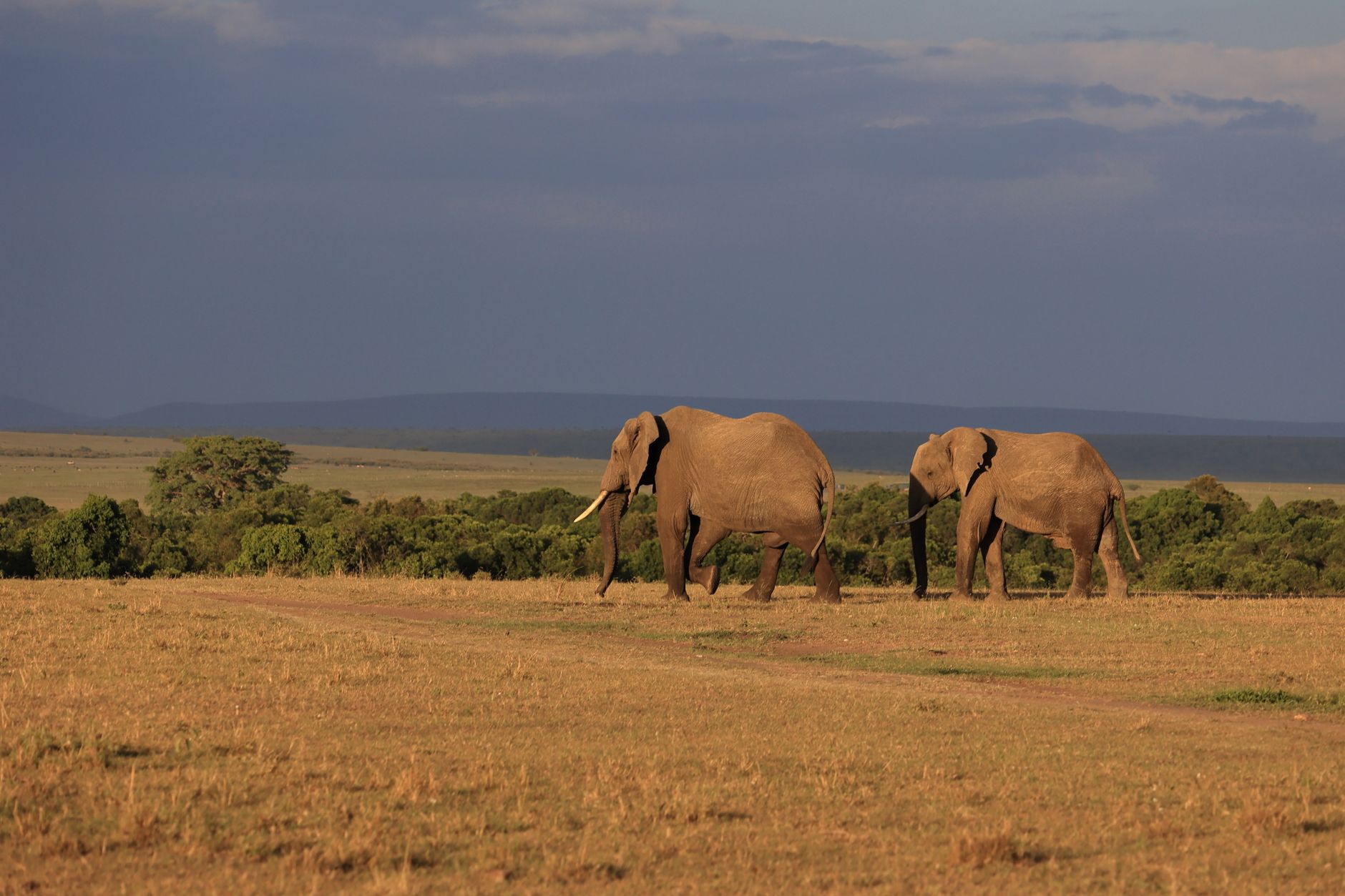
A balanced first safari takes seven nights. Spend one night in Nairobi, three in the Masai Mara, two in Amboseli, and one flexible night near Lake Nakuru or Nairobi. The Mara offers big cats and possible migration activity, Amboseli is strong for elephants and Kilimanjaro views, and Nakuru adds rhino and birdlife.
This route works for most first-timers. It limits long drives and gives you a range of landscapes. Day one in Nairobi helps you recover from travel and sort out cash, SIM cards, and jet lag. The Mara nights give you time for three full game drives. Amboseli then offers a different scenery with Kilimanjaro behind the elephant herds. If you have more than a week, add a night in a Mara conservancy or a day at Lake Naivasha. For deeper planning, read the Masai Mara guide and the Amboseli safari guide before you choose your camps.
When Is the Best Time for a Kenya Safari?
Choose January to February for generally dry conditions, shorter grass, and a quieter experience. Choose July to October for the busiest migration period in the Masai Mara. October and June can offer a useful balance of wildlife, lower crowds, and better value. April and May bring heavier rain, muddy roads, and possible camp closures, although birding and landscapes improve.
There is no single best time because weather and wildlife move. If you want to see the migration, remember that wildebeest movement depends on rain from Tanzania. You could visit in July and still miss a river crossing. If you travel in April or May, ask whether your chosen camps stay open. Some temporary camps close for the long rains. For more detail, check our best time to visit Masai Mara post before you lock your dates.
What Does a Kenya Safari Cost From Bangladesh?
A mid-range seven-night Kenya safari commonly requires roughly USD 3,200 to 4,800 per person for land arrangements. This is before international flights. It is based on accommodation, transport, guide, meals, and park fees. A Bengali interpreter may add about USD 50 to 100 per day, although operators sometimes bundle language support into a fixed supplement.
Your flight is separate. From Dhaka, most routes connect through the Gulf or Addis Ababa, and prices vary with the season. Inside Kenya, three variables drive the price most. The first is whether you sleep in a lodge or a tented camp. The second is whether you drive between parks or take internal flights. The third is whether you stay inside a national reserve or in a private conservancy. Get a written quote that separates every cost. Read our Kenya safari cost overview before you compare operators, and ask what happens if the exchange rate moves during your booking. A few operators quote in Bangladeshi taka; check the current exchange rate and make sure the final total is in writing.
What Entry, Health, and Travel Documents Do You Need?
Travelers should apply for Kenya’s electronic travel authorization before departure, carry a passport valid for at least six months, and keep accommodation and onward travel evidence available. Check current yellow fever and malaria advice with an official health provider, and carry relevant certificates and prescriptions. Apply early so approval does not threaten the safari start date.
The eTA is not a visa stamp. It is an online authorization linked to your passport. Apply on the official Kenyan government eTA website, not a third-party site that adds fees. Keep a printed copy with your travel documents. Do not wait until the last minute to apply; eTA decisions can take a few days and sometimes longer. Travel insurance matters because medical evacuation from remote parks can be expensive and logistically complicated. Check whether your policy covers evacuation and missed flights before you leave. See our advice on Kenya safari insurance and evacuation cover for what to check in a policy.
What Should You Pack for a Kenya Safari?
Pack muted, lightweight layers and a warm fleece for cold dawns and Mara nights. Add comfortable closed shoes, sun protection, insect repellent, personal medicines, binoculars, and a power bank. A soft-sided bag is usually more practical than hard luggage for safari vehicles and small aircraft. Bring a camera with a versatile zoom lens and spare batteries.
You do not need a full safari wardrobe. Neutral colors like khaki, olive, and beige work well. Avoid bright white and dark blue, which can draw tsetse flies in some areas. A headlamp is useful for night walks to the tent. Pack any prescription medicines in your hand luggage, with a copy of the prescription. Check the exact socket type if you travel from Bangladesh; Kenya uses British-style three-pin sockets. Binoculars make a bigger difference than a fancy camera on your first safari. For a full checklist, see our Kenya safari packing list.
Which Kenya Parks and Conservancies Should You Visit?
Choose the Masai Mara for big cats and seasonal wildebeest movement. Choose Amboseli for elephant herds and open views toward Kilimanjaro. Choose Lake Nakuru for rhino habitat and waterbirds. Add Tsavo for expansive, less concentrated landscapes. Private conservancies around the Mara can provide lower vehicle density, walking activities, and night drives, but their fees raise the total cost.
Below is a quick comparison to help you decide. Fees are 2026 non-resident adult rates. The Kenya Wildlife Service sets fees for its national parks. The Masai Mara National Reserve is administered separately by the Narok County Government, which sets its own fee and raises it during the peak migration months. Confirm the exact amount with your operator before booking.
| Area | Best for | Best time | Indicative fee (2026) |
|---|---|---|---|
| Masai Mara National Reserve | Big cats, wildebeest migration | July to October, Jan to Feb | USD 100 per person per day (Jan to Jun), USD 200 per person per day (Jul to Dec) |
| Amboseli National Park | Elephants, Kilimanjaro views | June to October, Jan to Feb | USD 90 per person per day |
| Lake Nakuru National Park | Rhino, waterbirds | June to March | USD 90 per person per day |
| Tsavo East and West | Wide-open space, large elephant groups | June to October, Jan to Feb | USD 80 per person per day |
| Mara conservancies (Naboisho, Olare Motorogi) | Fewer vehicles, walking, night drives | June to October, Dec to Feb | USD 80 to 150 per person per night, plus vehicle fee |
Private conservancies cost more, but the money supports community land leases and wildlife protection. Read our Kenya safari conservancy fee breakdown to understand what that fee covers. If you have only three or four days, consider a three-day Tsavo safari from Nairobi. It is a practical add-on for travelers who want elephants and space without a long flight. If you are deciding between the Mara and Amboseli, read our Masai Mara versus Amboseli comparison first.
What Do Bengali Travelers Ask Most About a Kenya Safari?
These are the questions Bengali travelers ask most often when planning a Kenya safari, answered directly below.
Are there Bengali speaking safari guides in Kenya?
Native Bengali-speaking safari guides are rare in Kenya. Most professional guides speak English and Swahili, so the most reliable solution is a certified English-speaking guide with a dedicated Bengali interpreter or tour escort confirmed in writing before booking.
Can I get a Bengali interpreter for a Kenya safari?
Yes. A Bengali interpreter can travel with the group, translate wildlife explanations, and help with lodge, restaurant, and cultural interactions. Confirm whether the interpreter is dedicated to your vehicle and whether transport, meals, and backup cover are included.
How much extra does a language-specific or interpreter-assisted guide cost?
A dedicated Bengali interpreter may add approximately USD 50 to 100 per day, or around USD 350 to 700 for a typical seven-day safari. The final amount depends on group size, route, accommodation, and whether the operator bundles the interpreter with the safari package.
Do Kenya safari guides speak Hindi or Bengali?
English and Swahili are the languages most commonly used by Kenyan safari guides. Some guides may know basic Hindi or other languages, but Bengali is extremely uncommon, so travelers should not rely on finding a Bengali-speaking guide after arrival.
What is the best Kenya safari itinerary for 7 days?
A practical seven-day route combines Nairobi, the Masai Mara, and Amboseli, with Lake Nakuru added only if the travel times fit comfortably. A common plan is one night in Nairobi, three nights in the Mara, two in Amboseli, and a final night near Nairobi or Nakuru.
How Should You Compare Kenya Safari Operators?
Use this guide as a checklist. Ask every operator for the same information: driver-guide certification, the name of the interpreter, vehicle type, park fees, meals, conservancy fees, and emergency backup. Compare the full package, not just the headline price. A cheap quote that leaves out the interpreter will cost you more later. You can compare safari operators on FindMySafari, Valley Safaris, or Trunktrails Safaris. Browse packages that include a confirmed interpreter and read recent traveler reviews before you commit.
Where Can You Find More Safari Planning Resources?
These partner sites list Kenya safari packages so you can compare pricing and itineraries across operators.
- Kenya safari packages from SafariPure
- Kenya wildlife tours from Trunktrails Safaris
- Map of Amboseli from Valley Safaris
- Compare Kenya safari packages on FindMySafari